
Beaches · South East England
Brighton
In or near Brighton and Hove.
Brighton ( , BRY-tən) is a seaside resort in the unitary authority area of Brighton and Hove, in East Sussex, England, 47 miles (76 km) south of London. Archaeological evidence of settlement in the ar

Colin Smith — CC BY-SA 2.0 via Wikimedia Commons licence

Plan your visit
- Typical visit
- 1 h–3 h
- Best time of year
- Summer (Jun–Aug)
- Nearest railway station
- Aquarium · 0.4 km
- Free entry
- Family-friendly
- Dog-friendly
Getting there & planning your visit
To visit Brighton, the nearest railway station is Aquarium, located 0.4 km away. Entry to the beach is free, and the postcode for sat-nav is BN1 1EJ.
About
Brighton ( , BRY-tən) is a seaside resort in the unitary authority area of Brighton and Hove, in East Sussex, England, 47 miles (76 km) south of London. Archaeological evidence of settlement in the area dates back to the Bronze Age, Roman and Anglo-Saxon periods. The ancient settlement of "Brighthelmstone" was documented in the Domesday Book (1086). The town's importance grew in the Middle Ages as the Old Town developed, but it languished in the early modern period, affected by foreign attacks, storms, a suffering economy and a declining population. Brighton began to attract more visitors following improved road transport to London and becoming a boarding point for boats travelling to France. The town also developed in popularity as a health resort for sea bathing as a purported cure for illnesses. In the Georgian era, Brighton developed as a highly fashionable seaside resort, encouraged by the patronage of the Prince Regent, later King George IV, who spent much time in the town and constructed the Royal Pavilion in the Regency era. Brighton continued to grow as a major centre of tourism following the arrival of the railways in 1841, becoming a popular destination for day-trippers from London. Many of the major attractions were built in the Victorian era, including the Grand Hotel, the Hilton Brighton Metropole, the Palace Pier and the West Pier. The town continued to grow into the 20th century, expanding to incorporate more areas into the town's boundaries before joining Hov
Photo gallery
360° viewimagery from 2015
Imagery © Mapillary contributors, CC BY-SA 4.0
Official information
Brighton is a vibrant seaside city known for its iconic pier, pebble beach, and lively cultural scene. Visitors can explore various attractions, including the Royal Pavilion, museums, and a diverse range of shops and restaurants.
From the Wikipedia article
Brighton ( , BRY-tən) is a seaside resort in the unitary authority area of Brighton and Hove, in East Sussex, England, 47 miles (76 km) south of London. Archaeological evidence of settlement in the area dates back to the Bronze Age, Roman and Anglo-Saxon periods. The ancient settlement of "Brighthelmstone" was documented in the Domesday Book (1086). The town's importance grew in the Middle Ages as the Old Town developed, but it languished in the early modern period, affected by foreign attacks, storms, a suffering economy and a declining population. Brighton began to attract more visitors following improved road transport to London and becoming a boarding point for boats travelling to France. The town also developed in popularity as a health resort for sea bathing as a purported cure for illnesses. In the Georgian era, Brighton developed as a highly fashionable seaside resort, encouraged by the patronage of the Prince Regent, later King George IV, who spent much time in the town and constructed the Royal Pavilion in the Regency era. Brighton continued to grow as a major centre of tourism following the arrival of the railways in 1841, becoming a popular destination for day-trippers from London. Many of the major attractions were built in the Victorian era, including the Grand Hotel, the Hilton Brighton Metropole, the Palace Pier and the West Pier. The town continued to grow into the 20th century, expanding to incorporate more areas into the town's boundaries before joining Hove to form the unitary authority of Brighton and Hove in 1997, which was granted city status in 2000. Today, Brighton and Hove district has a resident population of about 283,870 and the wider Brighton and Hove conurbation has a population of 474,485 (2011 census). Brighton's location has made it a popular destination for tourists, renowned for its diverse communities, shopping areas, large and vibrant cultural, music and arts scene, and its large LGBT population, leading to its recognition as th
Excerpt from Wikipedia under CC BY-SA 4.0. See the source article linked in Sources below.
Background
History
The first settlement in the Brighton area was Whitehawk Camp, a Neolithic encampment on Whitehawk Hill which has been dated to between 3500 BC and 2700 BC. It is one of six causewayed enclosures in Sussex. Archaeologists have only partially explored it, but have found numerous burial mounds, tools and bones, suggesting it was a place of some importance. There was also a Bronze Age settlement at Coldean. Brythonic Celts arrived in Britain in the 7th century BC, Later, there was a Roman villa at Preston Village, a Roman road from London ran nearby, and much physical evidence of Roman occupation has been discovered locally. After the Romans left in the early 4th century AD, the Brighton area…
Description
Woodvale () is actually five linked cemeteries that cover the western side of Race Hill. The cemeteries are east of Lewes Road and either side of Bear Road. Their cultural significance and importance to wildlife to the city were described evocatively by the Sussex field naturalist, David Bangs (p. 303).<blockquote>"They are a profoundly peaceful place of little woods and glades, sunny banks and shady paths. They have become, in the last 150 years, reservoirs for much of the wildlife of the surrounding countryside. Some of the big beech trees down in Woodvale are as old as the cemeteries. The marbles, limestones, and granites of the memorials are a detective story for geologists. Yaffles…
Sourced from Wikipedia under CC BY-SA 4.0.
- Coordinates
- 50.8208, -0.1375
- District
- Brighton and Hove
- Parish
- Brighton and Hove, unparished area
- Postcode
- BN1 1EJ
- Parliamentary constituency
- Brighton Pavilion
- Nearest railway station
- Aquarium — 0.4 km
- Official site
- www.brighton-hove.gov.uk
Sources
- wikipedia: Brighton (CC BY-SA 4.0)
Featured in these 2 guides
Other places nearby

Old Steine Gardens
Parks · 0.0 km

Mrs Fitzherbert
Memorials & monuments · 0.1 km

Brighton War Memorial
Memorials & monuments · 0.1 km

Gideon Mantell
Memorials & monuments · 0.1 km

Steine House
Gardens · 0.1 km

A&O Hostel Brighton
Hostels · 0.1 km

Royal Pavilion Tavern
Historic pubs · 0.1 km

Sir Edward Marshall Hall
Memorials & monuments · 0.1 km

9 Pool Valley, Brighton
Gardens · 0.1 km

The Royal Sussex Regiment
Memorials & monuments · 0.1 km
Egyptian Campaign Memorial
Memorials & monuments · 0.1 km

ABC Cinema, Brighton
Theatres · 0.1 km
Nearby
📷 5Parks · South East England
Old Steine Gardens
Old Steine Gardens — park in Brighton, United Kingdom.
📷 5Memorials & monuments · South East England
Mrs Fitzherbert
Mrs Fitzherbert — a memorial in england-south-east, United Kingdom.
📷 5Memorials & monuments · South East England
Brighton War Memorial
Brighton War Memorial is a memorial in the United Kingdom.
📷 5Memorials & monuments · South East England
Gideon Mantell
Gideon Mantell — a memorial in england-south-east, United Kingdom.
📷 5Gardens · South East England
Steine House
Steine House — a garden in england-south-east, United Kingdom.
📷 5Hostels · South East England
A&O Hostel Brighton
A&O Hostel Brighton — a hostel in england south east.
Where to eat & stay near Brighton
Places to stay
📷 5Hostels · South East England
A&O Hostel Brighton
A&O Hostel Brighton — a hostel in england south east.
 📷 5
📷 5Hotels · South East England
Royal Albion Hotel
Royal Albion Hotel — a hotel in england south east.
 📷 5
📷 5Hostels · South East England
HostelPoint
HostelPoint — a hostel in england south east.
 📷 5
📷 5B&Bs · South East England
Guest and the City
Guest and the City — a bed-and-breakfast in england south east.
 📷 6
📷 6B&Bs · South East England
The Old Palace
The Old Palace — a bed-and-breakfast in england south east.
 📷 5
📷 5Hostels · South East England
Kipp's Hostel
Kipp's Hostel — a hostel in england south east.
Places to eat & drink
📷 5Historic pubs · South East England
Royal Pavilion Tavern
Royal Pavilion Tavern in England South East, United Kingdom.
 📷 5
📷 5Restaurants · South East England
Bella Italia
Bella Italia — a restaurant in england south east. Cuisine: italian. Brand: Bella Italia.
 📷 5
📷 5Historic pubs · South East England
Marlborough Pub and Theatre
Marlborough Pub and Theatre in England South East, United Kingdom.
 📷 5
📷 5Cafés · South East England
Caffè Nero
Caffè Nero — a café in england south east. Cuisine: coffee shop. Brand: Caffè Nero.
 📷 5
📷 5 📷 5
📷 5More beaches in this region
 📷 5
📷 5Beaches · South East England
Abbot's Cliff Beach
Abbot's Cliff Beach is a beach in the United Kingdom.
 📷 5
📷 5Beaches · South East England
Allhallows Beach
Allhallows Beach is a beach in the United Kingdom.
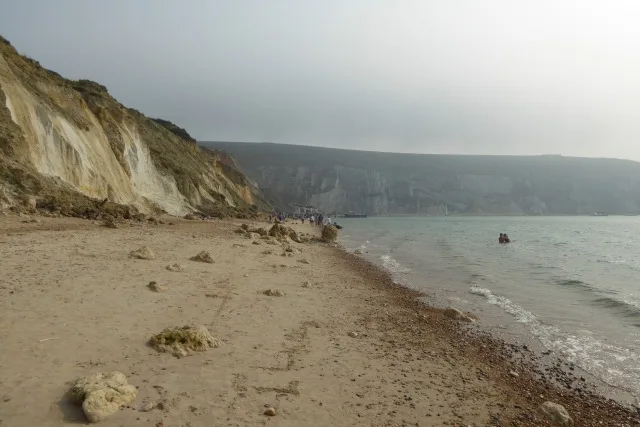 📷 5
📷 5 📷 5
📷 5Frequently asked questions
- Where is Brighton?
- Brighton is in South-East England, United Kingdom (postcode BN1 1EJ), in the parish of Brighton and Hove, unparished area.
- What is Brighton?
- Brighton ( , BRY-tən) is a seaside resort in the unitary authority area of Brighton and Hove, in East Sussex, England, 47 miles (76 km) south of London. Archaeological evidence of settlement in the ar
- How do I get to Brighton?
- The nearest railway station is Aquarium, about 0.4 km away. The nearest town is Brighton and Hove. Drivers can use postcode BN1 1EJ.
- Is Brighton free to visit?
- Yes, Brighton is free to enter.
- How do I get to Brighton?
- The nearest railway station is Aquarium, about 0.4 km away. Drivers can navigate to postcode BN1 1EJ.