
Palaces · South East England
Royal Pavilion
Also known as: Pafiliwn Brighton
In or near Brighton and Hove.
Royal Pavilion — former royal residence located in Brighton, England, United Kingdom.

Wikimedia Commons contributors — see linked file page for photographer and licence licence

Plan your visit
- Typical visit
- 2 h–3 h
- Nearest railway station
- Aquarium · 0.5 km
- Family-friendly
- Limited wheelchair access
Getting there & planning your visit
To visit the Royal Pavilion, the nearest railway station is Aquarium, located 0.5 km away. The postcode for sat-nav is BN1 1FN. Please note that wheelchair accessibility is limited.
About
Royal Pavilion is a palace in the United Kingdom — a residence built or used by royalty, the aristocracy, or a bishop. Records date its origin to 1787. Designed by John Nash. Built in the Indo-Saracenic architecture style. Heritage designation: Grade I listed building. Owned by George IV of the United Kingdom. Part of Royal Pavilion & Museums Trust. Wikidata describes it as: "former royal residence located in Brighton, England, United Kingdom". Coordinates: 50.8224°, -0.1377°.
Photo gallery
360° viewimagery from 2018
Imagery © Mapillary contributors, CC BY-SA 4.0
Heritage listing
The Royal Pavilion (also known as the Brighton Pavilion) and its surrounding gardens form a Grade I listed former royal residence in Brighton, England. Beginning in 1787, it was built in three stages as a seaside retreat for George, Prince of Wales, who became the Prince Regent in 1811, and King George IV in 1820. It is built in the Indo-Saracenic style prevalent in India for most of the 19th century. The current appearance, with its Mughal inspired features such as bulbous domes, chhatri-topped minarets and cusped arches, is the work of the architect John Nash, who extended the building starting in 1815.
From the Historic England List Entry under OGL v3.
Summary from the official site
The Royal Pavilion is a historic palace in Brighton, known for its extravagant architecture and rich history. Visitors can explore its stunning interiors and beautiful gardens, which reflect the opulence of the Regency era.
Read more on the official property page.
From the Wikipedia article
The Royal Pavilion (also known as the Brighton Pavilion) and its surrounding gardens form a Grade I listed former royal residence in Brighton, England. Beginning in 1787, it was built in three stages as a seaside retreat for George, Prince of Wales, who became the Prince Regent in 1811, and King George IV in 1820. It is built in the Indo-Saracenic style prevalent in India for most of the 19th century. The current appearance, with its Mughal inspired features such as bulbous domes, chhatri-topped minarets and cusped arches, is the work of the architect John Nash, who extended the building starting in 1815. George IV's successors William IV and Victoria also used the Pavilion, but Queen Victoria decided that Osborne House should be the royal seaside retreat, and the Pavilion was sold to the city of Brighton in 1850.
Excerpt from Wikipedia under CC BY-SA 4.0. See the source article linked in Sources below.
Background
History
The Prince of Wales, who later became King George IV, first visited Brighton in 1783, at the age of 21. The seaside town had become fashionable as a result of the residence of George's uncle, Prince Henry, Duke of Cumberland, whose tastes for fine cuisine, gambling, the theatre, and general fast living the young prince shared, and with whom he lodged in Brighton at Grove House. In addition, the Prince of Wales was advised by his physician that the seawater and fresh air would be beneficial for his gout. In 1786, under a financial cloud with investigations by Parliament for the extravagances incurred in building Carlton House, London, the prince rented a modest, erstwhile farmhouse facing…
Visiting
The purchase of the Royal Pavilion from Queen Victoria, by Brighton, marked the beginnings of the site's attraction as a tourist destination. The Royal Pavilion has been changed from a private residence to a public attraction under civic ownership. Today, around 200,000 people visit the Royal Pavilion annually. General filming and photography are permitted inside the Royal Pavilion. Many of the items in the palace are on loan, in particular from HM The King.
Sourced from Wikipedia under CC BY-SA 4.0.
- Coordinates
- 50.8224, -0.1377
- District
- Brighton and Hove
- Parish
- Brighton and Hove, unparished area
- Postcode
- BN1 1FN
- Parliamentary constituency
- Brighton Pavilion
- Established
- 1787
- Nearest railway station
- Aquarium — 0.5 km
- Official site
- brightonmuseums.org.uk
Sources
- wikidata: Q62364 (CC0)
- wikipedia: Royal Pavilion (CC BY-SA 4.0)
- commons: Brighton royal pavilion Qmin.jpg (CC BY-SA 4.0)
Other places nearby

Subedar Mir Dast
Memorials & monuments · 0.0 km
Mir Dast
Memorials & monuments · 0.0 km

Brighton Indian Soldiers War Memorial
Memorials & monuments · 0.0 km

Pavilion Gardens
Gardens · 0.0 km

2–3 Pavilion Buildings, Brighton
Gardens · 0.1 km

Marlborough House, Brighton
Historic houses · 0.1 km

Egyptian Campaign Memorial
Memorials & monuments · 0.1 km
The Royal Sussex Regiment
Memorials & monuments · 0.1 km

Royal Pavilion Tavern
Historic pubs · 0.1 km
The Actors Theatre
Theatres · 0.1 km

Brighton War Memorial
Memorials & monuments · 0.1 km
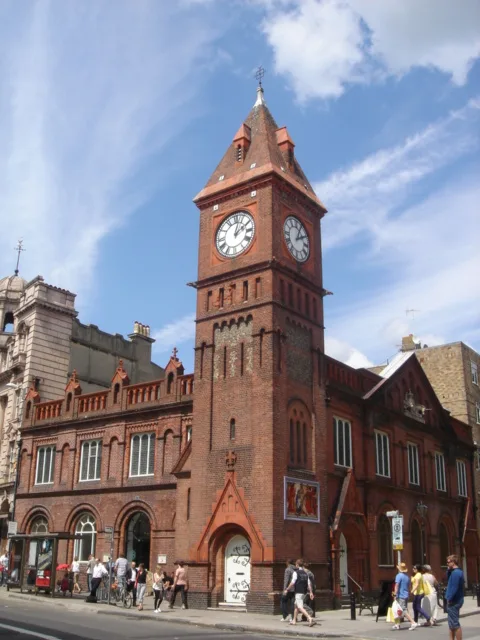
Chapel Royal, Brighton
Historic churches · 0.1 km
Nearby
📷 5Memorials & monuments · South East England
Subedar Mir Dast
Subedar Mir Dast — a memorial in england-south-east, United Kingdom.
📷 5Memorials & monuments · South East England
Mir Dast
Mir Dast — a memorial in england-south-east, United Kingdom.
📷 5Memorials & monuments · South East England
Brighton Indian Soldiers War Memorial
Brighton Indian Soldiers War Memorial — Grade II listed building-listed memorial in england-south-east, United Kingdom.
📷 5Gardens · South East England
Pavilion Gardens
Pavilion Gardens — Grade II listed park and garden in Brighton and Hove, East Sussex, England, UK.
📷 5Gardens · South East England
2–3 Pavilion Buildings, Brighton
2–3 Pavilion Buildings, Brighton — a garden in england-south-east, United Kingdom.
Flagship📷 5Historic houses · South East England
Marlborough House, Brighton
Marlborough House, Brighton — a Grade I-listed historic house in england-south-east, United Kingdom.
Where to eat & stay near Royal Pavilion
Places to stay
 📷 5
📷 5Hostels · South East England
Kipp's Hostel
Kipp's Hostel — a hostel in england south east.
 📷 5
📷 5Hostels · South East England
A&O Hostel Brighton
A&O Hostel Brighton — a hostel in england south east.
 📷 5
📷 5Hotels · South East England
Royal Albion Hotel
Royal Albion Hotel — a hotel in england south east.
 📷 5
📷 5B&Bs · South East England
Guest and the City
Guest and the City — a bed-and-breakfast in england south east.
 📷 5
📷 5Hostels · South East England
HostelPoint
HostelPoint — a hostel in england south east.
 📷 6
📷 6B&Bs · South East England
The Old Palace
The Old Palace — a bed-and-breakfast in england south east.
Places to eat & drink
📷 5Historic pubs · South East England
Royal Pavilion Tavern
Royal Pavilion Tavern in England South East, United Kingdom.
 📷 5
📷 5Historic pubs · South East England
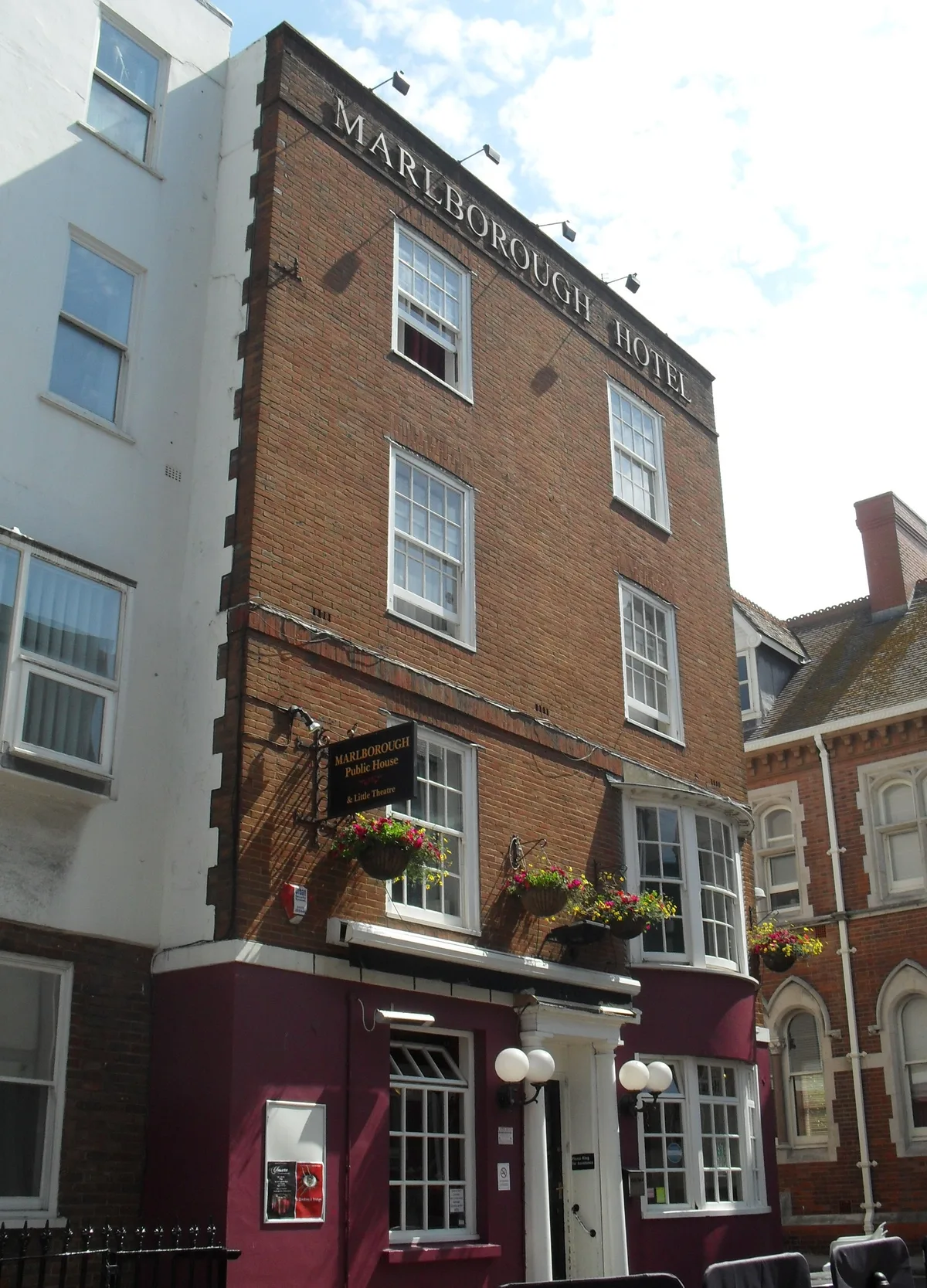
Marlborough Pub and Theatre
Marlborough Pub and Theatre in England South East, United Kingdom.
 📷 5
📷 5Historic pubs · South East England
The Post and Telegraph
The Post and Telegraph in England South East, United Kingdom.
 📷 5
📷 5Restaurants · South East England
Bella Italia
Bella Italia — a restaurant in england south east. Cuisine: italian. Brand: Bella Italia.
 📷 5
📷 5 📷 5
📷 5Cafés · South East England
Caffè Nero
Caffè Nero — a café in england south east. Cuisine: coffee shop. Brand: Caffè Nero.
Other works by John Nash
 Flagship📷 10
Parks · London
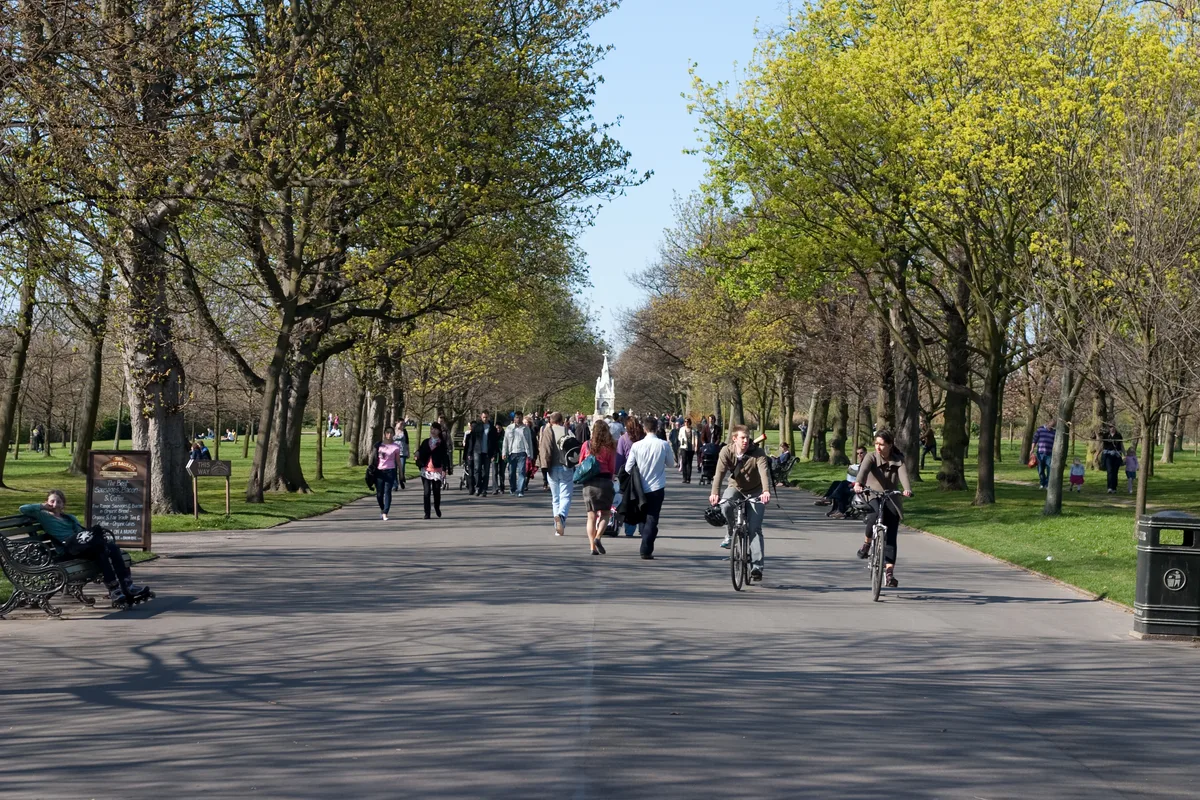
Regent's Park
Regent's Park — Royal Park of London, England, UK.
 📷 5
📷 5Historic churches · London
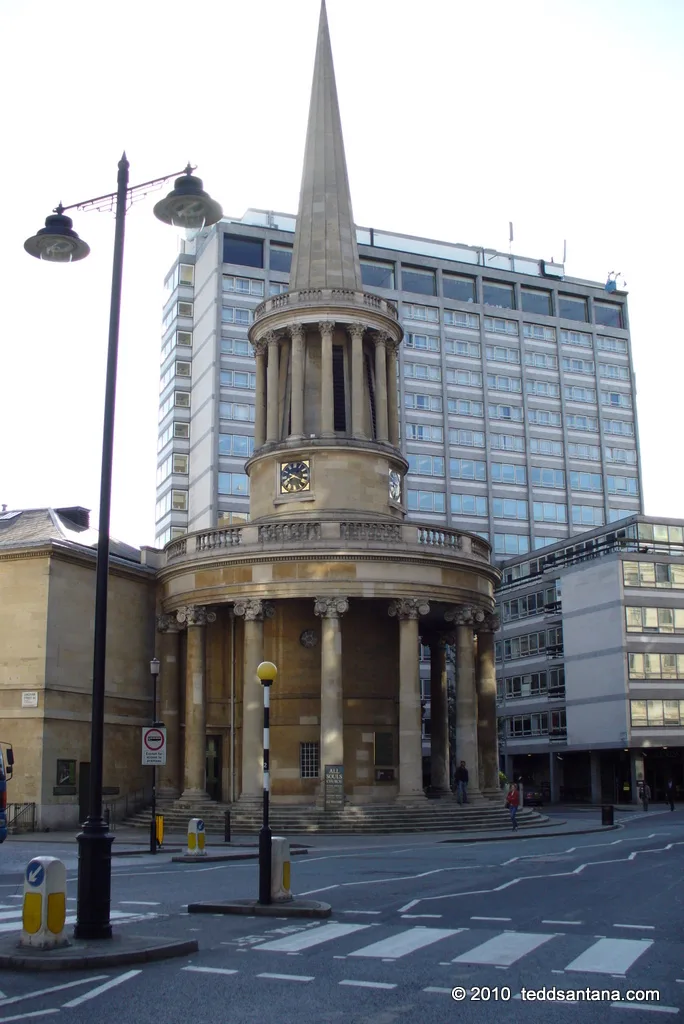
All Souls Church, Langham Place
All Souls Church, Langham Place — church building in Westminster, London, England, UK.
 📷 5
📷 5Historic houses · London
Grovelands House
Grovelands House — house in London Borough of Enfield, UK.
.jpg?width=1200) 📷 5
📷 5More palaces in this region
 📷 5
📷 5Palaces · South East England
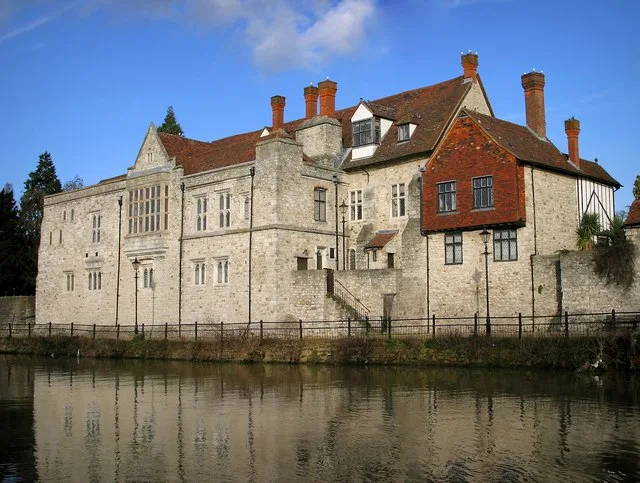
Archbishop's Palace
Archbishop's Palace — historic 14th-century and 16th-century building in Maidstone, Kent, England, UK.
 📷 5
📷 5Palaces · South East England
Bishop's palace at Halling
Bishop's palace at Halling — a Grade II-listed palace in england-london, United Kingdom.
 📷 5
📷 5Palaces · South East England
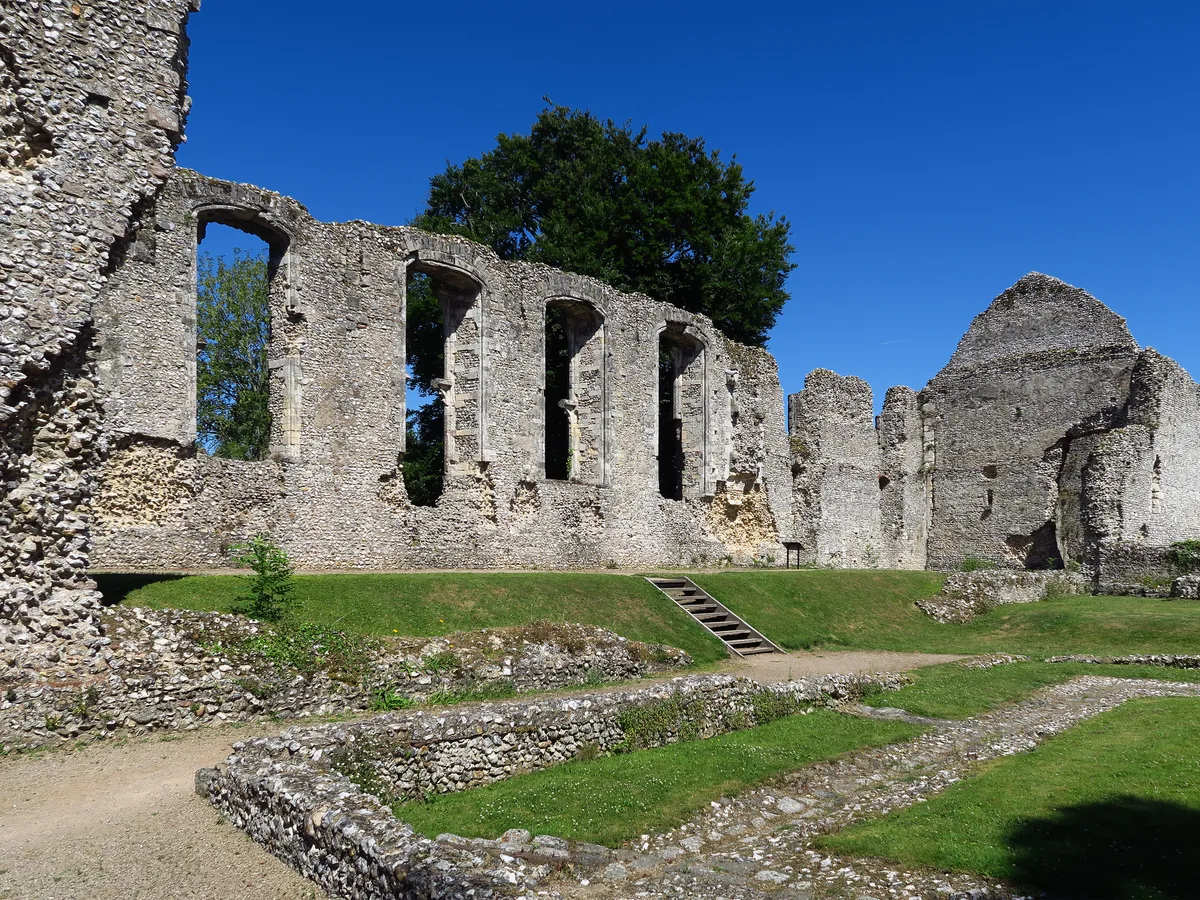
Bishop's Waltham Palace
Bishop's Waltham Palace — palace ruins in England.
 📷 5
📷 5Palaces · South East England
John of Gaunt Palace Ruins
John of Gaunt Palace Ruins — a palace in england-south-east, United Kingdom.
Frequently asked questions
- Where is Royal Pavilion?
- Royal Pavilion is in South-East England, United Kingdom (postcode BN1 1FN), in the parish of Brighton and Hove, unparished area.
- What is Royal Pavilion?
- Royal Pavilion — former royal residence located in Brighton, England, United Kingdom.
- How do I get to Royal Pavilion?
- The nearest railway station is Aquarium, about 0.5 km away. The nearest town is Brighton and Hove. Drivers can use postcode BN1 1FN.
- When was Royal Pavilion built?
- Built or established in 1787. Designed by John Nash.
- Who owns Royal Pavilion?
- Royal Pavilion is owned by George IV of the United Kingdom.
- Is Royal Pavilion a listed building?
- Royal Pavilion is officially recognised as Grade I listed building listed.
- Does Royal Pavilion charge admission?
- Royal Pavilion typically charges admission. Check the official site for current ticket prices and opening hours.
- How do I get to Royal Pavilion?
- The nearest railway station is Aquarium, about 0.5 km away. Drivers can navigate to postcode BN1 1FN.