
Memorials & monuments · South East England
Brighton War Memorial
In or near Brighton and Hove.
Brighton War Memorial is a memorial in the United Kingdom.

Wikimedia Commons contributors — see linked file page for photographer and licence licence

Plan your visit
- Typical visit
- 15 min–45 min
- Nearest railway station
- Aquarium · 0.4 km
- Free entry
- Dog-friendly
Getting there & planning your visit
You can visit the Brighton War Memorial, located at postcode BN1 1EJ, which is approximately 0.4 km from the nearest station, Aquarium. Entry is free. The site is accessible for visitors.
About
Brighton War Memorial is a public memorial or monument in the United Kingdom. Records date its origin to 1922. Address: Brighton, BN1 1EJ. Coordinates: 50.8214°, -0.1370°.
Photo gallery
Heritage listing
Brighton War Memorial is a First World War memorial in Brighton, on the south coast of England. Designed by John William Simpson, it stands in Old Steine Gardens, close to the Royal Pavilion and multiple other monuments. Recruitment to the armed forces was strong in Brighton, and many of the town's public buildings, including the pavilion, were converted into hospitals. The first casualties to arrive were from the local Royal Sussex Regiment, but Brighton came to be associated with Indian soldiers. Around 12,000 Indians were treated in the Pavilion and other makeshift hospitals in Brighton and 74 died. A subcommittee of the borough council directly approached Simpson, a national architect with local roots, to design a memorial.
From the Historic England List Entry under OGL v3.
From the Wikipedia article
Brighton War Memorial is a First World War memorial in Brighton, on the south coast of England. Designed by John William Simpson, it stands in Old Steine Gardens, close to the Royal Pavilion and multiple other monuments. Recruitment to the armed forces was strong in Brighton, and many of the town's public buildings, including the pavilion, were converted into hospitals. The first casualties to arrive were from the local Royal Sussex Regiment, but Brighton came to be associated with Indian soldiers. Around 12,000 Indians were treated in the Pavilion and other makeshift hospitals in Brighton and 74 died. A subcommittee of the borough council directly approached Simpson, a national architect with local roots, to design a memorial. Simpson's proposal was displayed in the local art gallery while funds were raised by public subscription. The design is based on a Roman water garden and consists of a colonnade (row of columns) at the head of a reflecting pool, flanked by two pylons (pillars) which contain the names of the dead. In the middle of the pool is a fountain and in the centre of the colonnade is a classical temple-shaped screen which contains the main dedications. The rear face of the screen contains an altar table. The memorial was unveiled on 7 October 1922 by Admiral of the Fleet Earl Beatty. Other memorials were built to commemorate the pavilion's role as a hospital and the Indian soldiers who died in the town. The site is close to the Egyptian Campaign Memorial (1888) and a modern memorial to casualties from later conflicts. The First World War monument is a Grade II listed building.
Excerpt from Wikipedia under CC BY-SA 4.0. See the source article linked in Sources below.
Background
History
The memorial was unveiled at a ceremony on 7 October 1922 by Admiral of the Fleet Earl Beatty, a senior naval commander during the war and by then the head of the Royal Navy. The day's events began with Beatty receiving the Freedom of the Borough of Brighton in the council chamber at the town hall at 12:30 pm, then a lunch in the Dome for paying participants and invited guests. Finally the assembly proceeded to the war memorial. Enclosures were set aside for families of the deceased, ex-servicemen, and subscribers. The unveiling took place at 3 pm. The memorial was dedicated by the Vicar of Brighton, the Reverend Francis Dormer Pierce. Just north of the memorial, still in Old Steine…
Architecture
The memorial consists of a colonnade (row of columns) and a reflecting pool with a fountain. It is built from Portland stone in an Italianate style, based on a Roman water garden. The pool is roughly square in plan with chamfered corners. The fountain stands in the middle of the pool. The colonnade, at the north end of the pool, is 3.2 m deep and 11 m long. It has four sides and is stepped back to form a U shape. The centrepiece is a rectangular stone panel set between the columns, resembling a shrine or temple and surmounted by a dome, which brings it to a height of 4 m. The temple has an altar table built in on the north side, above which is a metal plaque carrying the main inscription.…
Sourced from Wikipedia under CC BY-SA 4.0.
- Coordinates
- 50.8214, -0.1370
- District
- Brighton and Hove
- Parish
- Brighton and Hove, unparished area
- Postcode
- BN1 1EJ
- Parliamentary constituency
- Brighton Pavilion
- Established
- 1922
- Nearest railway station
- Aquarium — 0.4 km
Sources
- osm: w562347564 (ODbL)
- wikipedia: Brighton War Memorial (CC BY-SA 4.0)
- commons: Brightonwarmemorial.jpg (CC BY-SA 4.0)
Other places nearby

The Royal Sussex Regiment
Memorials & monuments · 0.0 km
Egyptian Campaign Memorial
Memorials & monuments · 0.0 km

Talleyrand
Memorials & monuments · 0.1 km

Old Steine Gardens
Parks · 0.1 km

Brighton
Beaches · 0.1 km

Gideon Mantell
Memorials & monuments · 0.1 km

Royal Pavilion Tavern
Historic pubs · 0.1 km

Mrs Fitzherbert
Memorials & monuments · 0.1 km

Steine House
Gardens · 0.1 km

Mir Dast
Memorials & monuments · 0.1 km
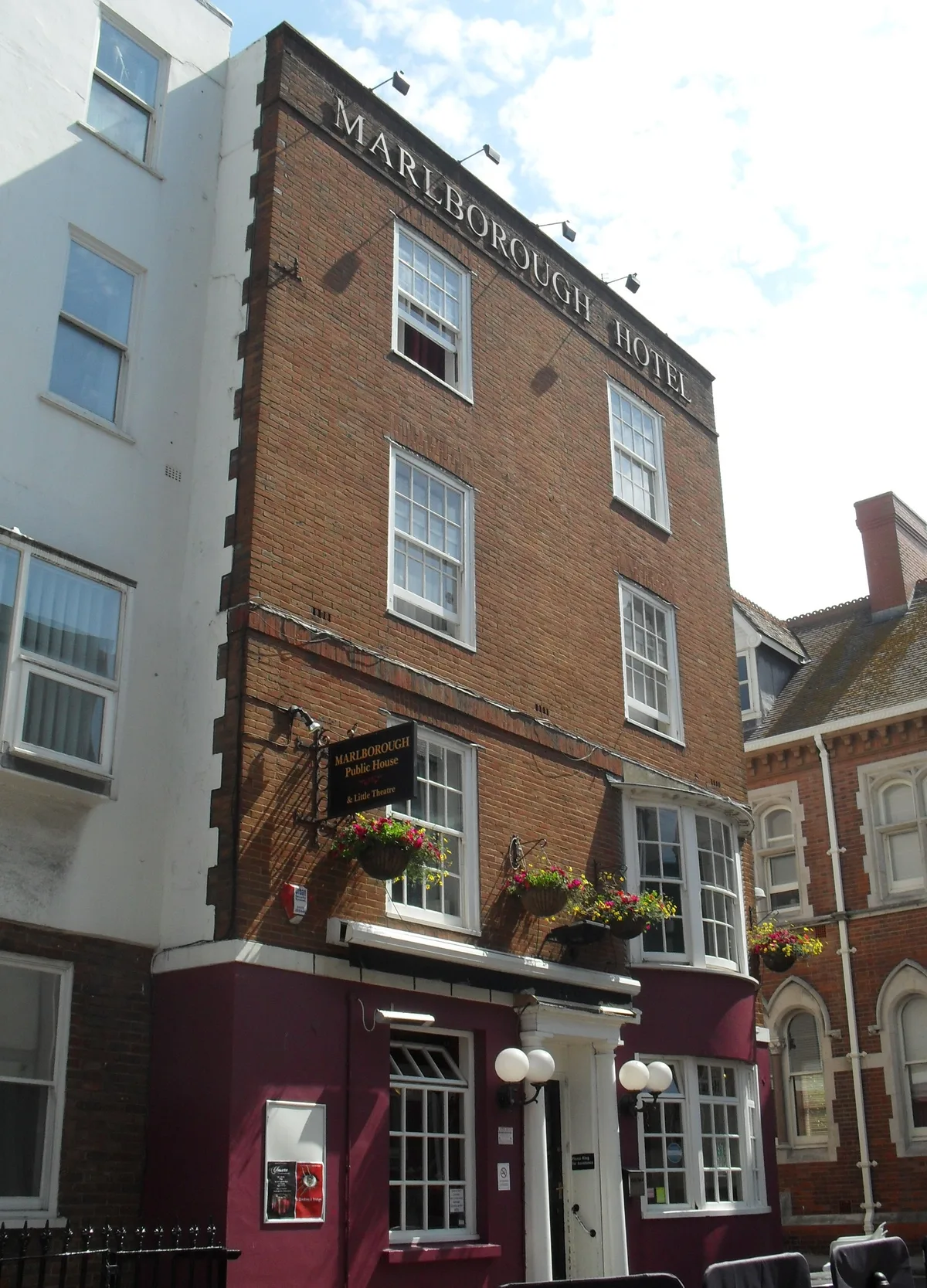
The Actors Theatre
Theatres · 0.1 km
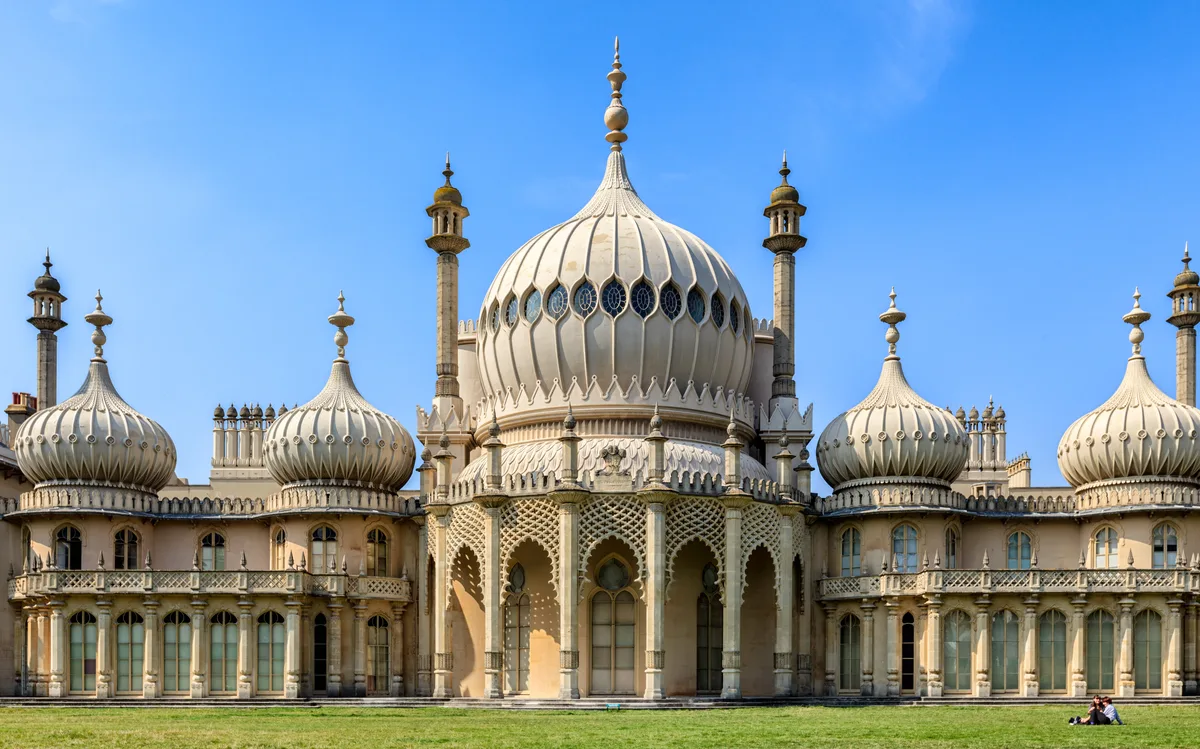
Royal Pavilion
Palaces · 0.1 km
Nearby
📷 5Memorials & monuments · South East England
The Royal Sussex Regiment
The Royal Sussex Regiment — a memorial in england-south-east, United Kingdom.
📷 5Memorials & monuments · South East England
Egyptian Campaign Memorial
Egyptian Campaign Memorial — Grade II listed building-listed memorial in england-south-east, United Kingdom.
📷 5Memorials & monuments · South East England
Talleyrand
Talleyrand — a memorial in england-south-east, United Kingdom.
📷 5Parks · South East England
Old Steine Gardens
Old Steine Gardens — park in Brighton, United Kingdom.
📷 5Beaches · South East England
Brighton
Brighton ( , BRY-tən) is a seaside resort in the unitary authority area of Brighton and Hove, in East Sussex, England, 47 miles (76 km) south of London. Archaeological evidence of settlement in the ar
📷 5Memorials & monuments · South East England
Gideon Mantell
Gideon Mantell — a memorial in england-south-east, United Kingdom.
Where to eat & stay near Brighton War Memorial
Places to stay
 📷 5
📷 5Hostels · South East England
A&O Hostel Brighton
A&O Hostel Brighton — a hostel in england south east.
 📷 5
📷 5Hotels · South East England
Royal Albion Hotel
Royal Albion Hotel — a hotel in england south east.
 📷 5
📷 5B&Bs · South East England
Guest and the City
Guest and the City — a bed-and-breakfast in england south east.
 📷 6
📷 6B&Bs · South East England
The Old Palace
The Old Palace — a bed-and-breakfast in england south east.
 📷 5
📷 5Hostels · South East England
Kipp's Hostel
Kipp's Hostel — a hostel in england south east.
 📷 5
📷 5Hostels · South East England
HostelPoint
HostelPoint — a hostel in england south east.
Places to eat & drink
📷 5Historic pubs · South East England
Royal Pavilion Tavern
Royal Pavilion Tavern in England South East, United Kingdom.
 📷 5
📷 5Historic pubs · South East England
Marlborough Pub and Theatre
Marlborough Pub and Theatre in England South East, United Kingdom.
 📷 5
📷 5Restaurants · South East England
Bella Italia
Bella Italia — a restaurant in england south east. Cuisine: italian. Brand: Bella Italia.
 📷 5
📷 5 📷 5
📷 5Cafés · South East England
Caffè Nero
Caffè Nero — a café in england south east. Cuisine: coffee shop. Brand: Caffè Nero.
 📷 5
📷 5Historic pubs · South East England
The Post and Telegraph
The Post and Telegraph in England South East, United Kingdom.
Other memorials from this era
.jpg?width=1200) 📷 5
📷 5Memorials & monuments · London
1st Surrey Rifles War Memorial
1st Surrey Rifles War Memorial is a memorial in the United Kingdom.
 📷 5
📷 5Memorials & monuments · London
24th East Surrey Division War Memorial
24th East Surrey Division War Memorial is a memorial in the United Kingdom.
.jpg?width=1200) 📷 5
📷 5Memorials & monuments · London
Alan Brooke, 1st Viscount Alanbrooke
Alan Brooke, 1st Viscount Alanbrooke is a memorial in the United Kingdom.
 📷 5
📷 5Memorials & monuments · London
All Saints Fulham war memorial
All Saints Fulham war memorial is a memorial in the United Kingdom.
More memorials in this region
 📷 5
📷 5Memorials & monuments · South East England
Air Forces Memorial
Air Forces Memorial is a memorial in the United Kingdom.
 📷 5
📷 5Memorials & monuments · South East England
All Saints Church
All Saints Church is a memorial in the United Kingdom.
 📷 5
📷 5Memorials & monuments · South East England
Bevans War Memorial
Bevans War Memorial is a memorial in the United Kingdom.
.jpg?width=1200) 📷 5
📷 5Memorials & monuments · South East England
Cumberland Obelisk
Cumberland Obelisk is a memorial in the United Kingdom.
Frequently asked questions
- Where is Brighton War Memorial?
- Brighton War Memorial is in South-East England, United Kingdom (postcode BN1 1EJ), in the parish of Brighton and Hove, unparished area.
- What is Brighton War Memorial?
- Brighton War Memorial is a memorial in the United Kingdom.
- How do I get to Brighton War Memorial?
- The nearest railway station is Aquarium, about 0.4 km away. The nearest town is Brighton and Hove. Drivers can use postcode BN1 1EJ.
- When was Brighton War Memorial built?
- Built or established in 1922.
- Is Brighton War Memorial a listed building?
- Brighton War Memorial is officially recognised as Grade II listed building listed.
- Is Brighton War Memorial free to visit?
- Yes, Brighton War Memorial is free to enter.
- How do I get to Brighton War Memorial?
- The nearest railway station is Aquarium, about 0.4 km away. Drivers can navigate to postcode BN1 1EJ.