
UNESCO World Heritage · South East England
Blenheim Palace
In or near Bladon.
Blenheim Palace — country house near Woodstock, Oxfordshire, England, UK.

Wikimedia Commons contributors — see linked file page for photographer and licence licence

Plan your visit
- Typical visit
- 2 h–4 h
- Nearest railway station
- Palace Station · 0.3 km
- Paid entry
Getting there & planning your visit
To visit Blenheim Palace, the nearest railway station is Palace Station, which is 0.3 km away. The postcode for sat-nav is OX20 1PS. Entry details are not specified, so please check in advance for any fees, and accessibility information is not provided.
About
Blenheim Palace is inscribed on the UNESCO World Heritage List. Records date its origin to 1705. Wikidata describes it as: "country house near Woodstock, Oxfordshire, England, UK". Coordinates: 51.8414°, -1.3609°.
Photo gallery
Summary from the official site
Blenheim Palace is a UNESCO World Heritage Site and the birthplace of Winston Churchill, featuring stunning architecture and expansive gardens. Visitors can explore the palace, enjoy various exhibitions, and participate in family-friendly activities throughout the year.
Read more on the official property page.
Protected designations
- Site of Special Scientific Interest: Blenheim Park SSSI
Designations sourced from Natural England open data under OGL v3.
From the Wikipedia article
Blenheim Palace ( BLEN-im) is a country house in Woodstock, Oxfordshire, England. It is the seat of the Dukes of Marlborough, and the birthplace of Sir Winston Churchill. Originally called Blenheim Castle, it has been known as Blenheim Palace since the 19th century. One of England's largest houses, it was built between 1705 and 1722, and was designated a UNESCO World Heritage Site in 1987. The palace is named after the 1704 Battle of Blenheim. It was originally intended to be a reward to the 1st Duke of Marlborough for his military triumphs against the French and Bavarians in the War of the Spanish Succession, which culminated in the eponymous battle near the town of Blenheim in what is today southern Germany. The land on which the Palace sits was given as a gift, and construction began in 1705, with some financial support from Queen Anne. The project soon became the subject of political infighting and controversy, with the Crown cancelling further financial support in 1712, Marlborough's three-year voluntary exile to the Continent, the fall from royal influence of his wife, and lasting damage to the reputation of the architect Sir John Vanbrugh. Designed in the rare, and short-lived, English Baroque style, the palace elicits architectural assessments as divided today as they were in the 1720s. Following the palace's completion, it became the home of the Churchill (later Spencer-Churchill) family for the next 300 years, and various members of the family have wrought changes to the interiors, park and gardens. At the end of the 19th century, the palace was saved from ruin by funds gained from the 9th Duke of Marlborough's marriage to the American railroad heiress Consuelo Vanderbilt. The Palace is unique in its combined use as a family home, mausoleum and national monument.
Excerpt from Wikipedia under CC BY-SA 4.0. See the source article linked in Sources below.
Background
Architecture
<gallery widths="200" heights="200"> File:Ranken Blenheim.jpg|Grand salon, Blenheim Palace, William Bruce Ellis Ranken (c. 1918). File:The Marlborough Family in situ at Blenheim Palace.jpg|The Red Drawing Room with The Marlborough Family by Sir Joshua Reynolds in situ. Ellis Waterhouse described the painting as 'the most monumental achievement of British portraiture.' File:Blenheim palace, Oxfordshire (19001949811).jpg|Great Hall ceiling, The Duke of Marlborough presenting the plan for the battle of Blenheim to Britannia, painted 1716 for £978 by Sir James Thornhill File:Blenheim Palace Chapel.jpg|Tomb of the 1st Duke of Marlborough in the palace chapel 1733, cost £2,200 designed by William…
Description
given to the 1st Duke, was placed on the second terrace by Achille Duchêne.]] The palace remains the home of the Dukes of Marlborough, the present incumbent being Charles James (Jamie) Spencer-Churchill, 12th Duke of Marlborough. Charles James succeeded to the dukedom on the death of his father, the 11th duke on 16 October 2014. , the Marlboroughs still tender a copy of the French royal flag to the monarch on the anniversary of the Battle of Blenheim as rent for the land that Blenheim Palace stands on. The palace, park, and gardens are open to the public on payment of an entry fee (maximum , ). Several tourist entertainment attractions separate from the palace are the Formal and Walled…
Sourced from Wikipedia under CC BY-SA 4.0.
- Coordinates
- 51.8414, -1.3609
- County
- Oxfordshire
- District
- West Oxfordshire
- Parish
- Blenheim
- Postcode
- OX20 1PS
- Parliamentary constituency
- Bicester and Woodstock
- Established
- 1705
- Nearest railway station
- Palace Station — 0.3 km
- Official site
- www.blenheimpalace.com
Sources
- wikidata: Q208181 (CC0)
- wikipedia: Blenheim Palace (CC BY-SA 4.0)
- commons: Blenheim Palace 6-2008 4.jpg (CC BY-SA 4.0)
Featured in these 7 guides
Itinerary
Every UNESCO World Heritage Site in the UK
Thirty-three sites of outstanding universal value, from Hadrian's Wall to the Forth Bridge.
Itinerary
Oxford in a day
The Bodleian, Christ Church, the Radcliffe Camera, and a riverside pub.
Itinerary
Britain's stately homes: ten grand country seats
Chatsworth, Blenheim, Castle Howard, Holkham — the great houses still open to the public.
Itinerary
Stately home itinerary: 10 NT flagships
Ten National Trust properties that define the country-house tradition.
Itinerary
World Heritage Sites of Great Britain
The most authoritative places in the country.
Itinerary
Cotswolds villages in 3 days
Honey-stone cottages, market squares, and the longest national landscape.
Other places nearby

Winston Churchill Painting
Public art & sculpture · 0.1 km

Untitled
Palaces · 0.2 km

Churchill
Palaces · 0.3 km

Temple of Health
Memorials & monuments · 0.3 km

Grand Bridge
Historic bridges · 0.4 km

Site of Royal Woodstock Manor
Manor houses · 0.6 km

Harry Potter Tree
Natural landmarks · 0.6 km

The Bear Hotel
Hotels · 0.7 km

Oxfordshire Museum
Museums · 0.8 km

Brothertons Brasserie
Restaurants · 0.8 km

AD 2000 Millenium
Public art & sculpture · 0.8 km

Soldiers of Oxfordshire Museum
Museums · 0.8 km
Nearby
📷 3Public art & sculpture · South East England
Winston Churchill Painting
Winston Churchill Painting — a public art in england-west-midlands, United Kingdom.
📷 3📷 3📷 3Memorials & monuments · South East England
Temple of Health
Temple of Health — a memorial in england-west-midlands, United Kingdom.
📷 5Historic bridges · South East England
Grand Bridge
Grand Bridge is a historic bridge in the United Kingdom.
📷 3Manor houses · South East England
Site of Royal Woodstock Manor
Site of Royal Woodstock Manor — a manor in england-west-midlands, United Kingdom.
Where to eat & stay near Blenheim Palace
Places to stay
📷 5 📷 7
📷 7 📷 7
📷 7Hotels · South East England
The Marlborough Arms
The Marlborough Arms — a hotel in england west midlands.
 📷 7
📷 7Hotels · South East England
The Kings Arms Hotel
The Kings Arms Hotel — a hotel in england west midlands.
 📷 5
📷 5Campsites · South East England
Greenhill Leisure Park
Greenhill Leisure Park — a campsite in england west midlands.
 📷 5
📷 5Hotels · South East England
Estelle Manor
Estelle Manor — a hotel in england west midlands.
Places to eat & drink
📷 5Restaurants · South East England
Brothertons Brasserie
Brothertons Brasserie — a restaurant in england west midlands. Cuisine: italian;pizza.
 📷 7
📷 7Historic pubs · South East England
The Black Horse Public House
The Black Horse Public House in England South East, United Kingdom.
 📷 7
📷 7Historic pubs · South East England
The Bell Inn, Long Hanborough
The Bell Inn, Long Hanborough in England South East, United Kingdom.
 📷 7
📷 7Historic pubs · South East England
Horseshoe House
Horseshoe House in England South East, United Kingdom.
 📷 5
📷 5Historic pubs · South East England
The Boat Public House
The Boat Public House in England South East, United Kingdom.
 📷 7
📷 7Historic pubs · South East England
Rock Of Gibraltar Public House
Rock Of Gibraltar Public House in England South East, United Kingdom.
Other UNESCO sites from this era
 ★ Iconic📷 10
UNESCO World Heritage · London
Royal Museums Greenwich
UNESCO World Heritage Site — Royal Observatory, Queen's House, Painted Hall, Cutty Sark.
More UNESCO sites in this region
 📷 10
📷 10UNESCO World Heritage · South East England
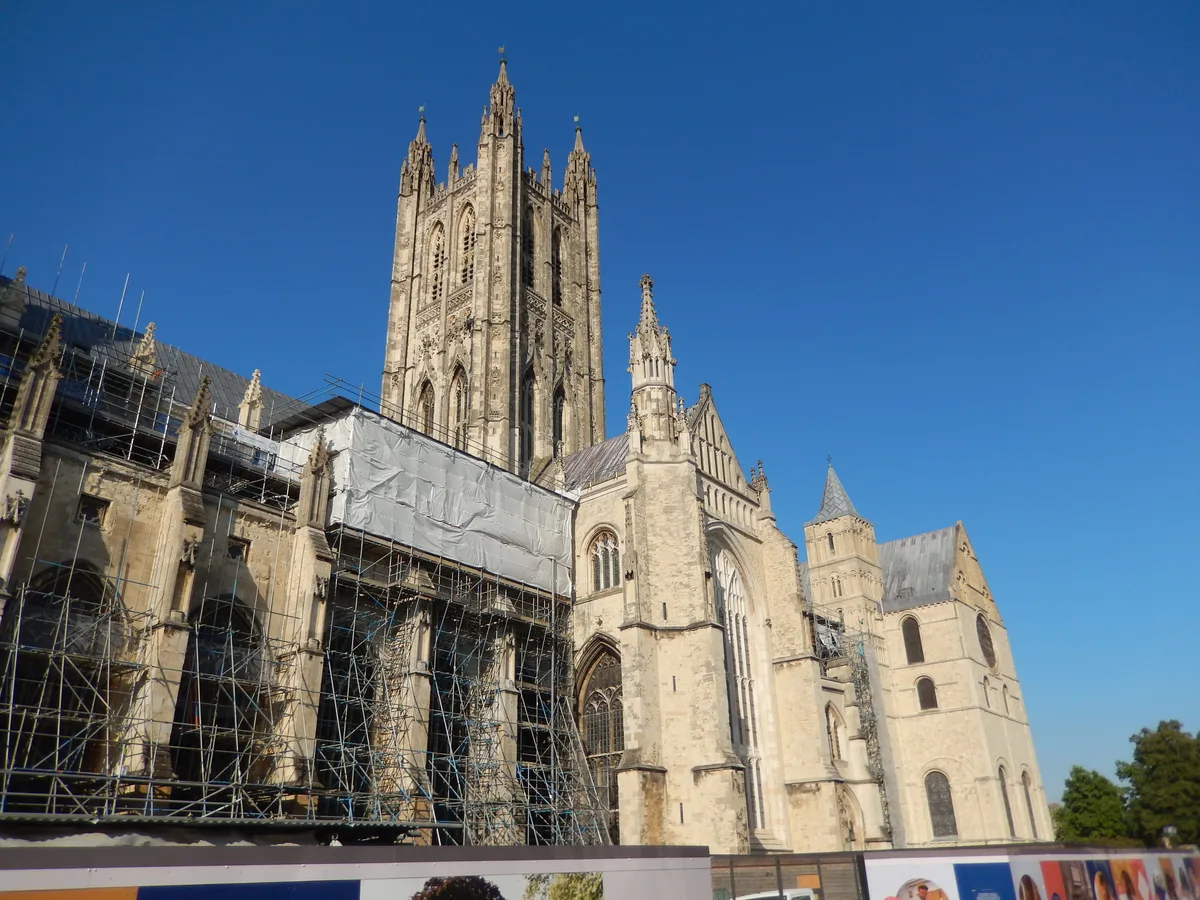
Canterbury Cathedral, St Augustine's Abbey, and St Martin's Church
Canterbury Cathedral, St Augustine's Abbey, and St Martin's Church — World Heritage site in Canterbury, Kent, England, UK.
 Flagship📷 10
UNESCO World Heritage · South East England
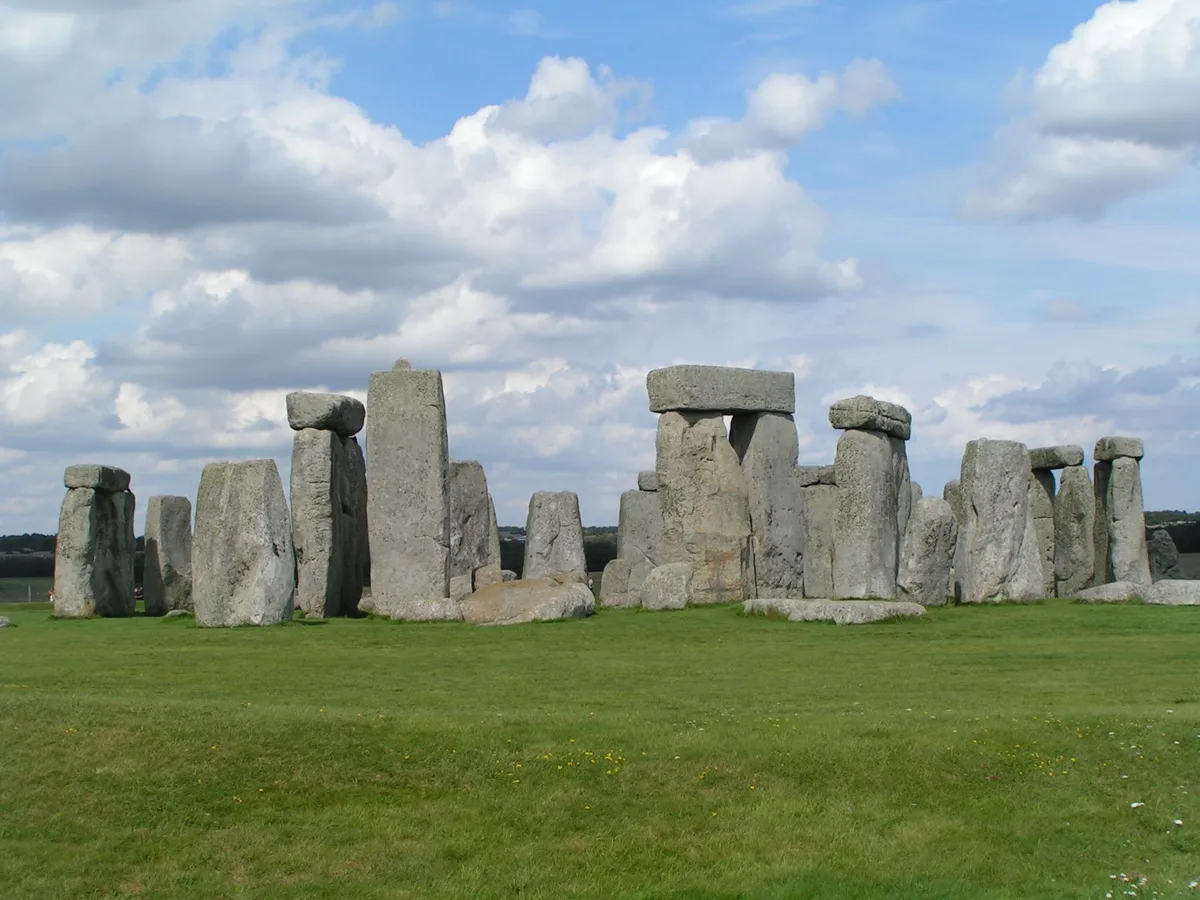
Stonehenge
Stonehenge — Neolithic henge monument in Amesbury, Wiltshire, England, UK.
 Flagship📷 10
UNESCO World Heritage · South East England
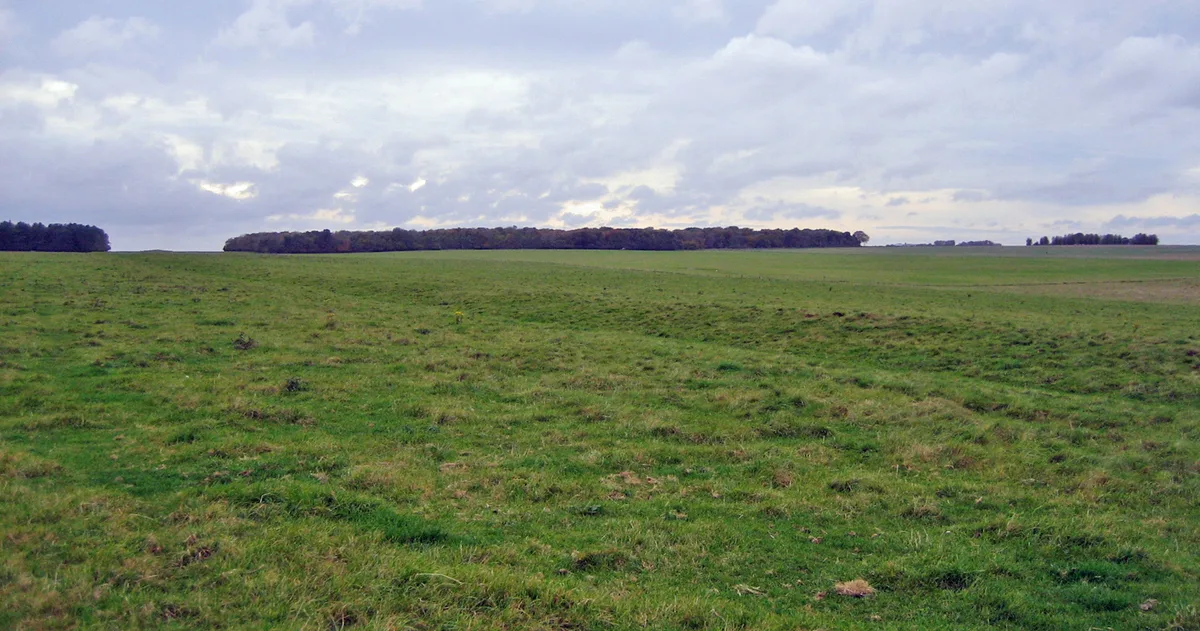
Stonehenge Cursus
Stonehenge Cursus — Neolithic cursus monument.
 ★ Iconic📷 10
UNESCO World Heritage · South East England
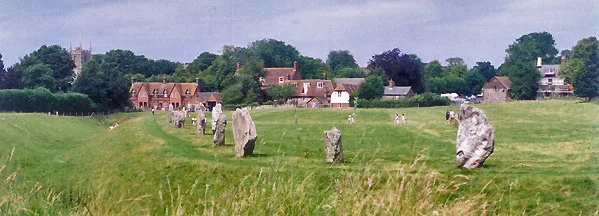
Stonehenge, Avebury and Associated Sites
Stonehenge, Avebury and Associated Sites is a UNESCO World Heritage Site in the United Kingdom.
Frequently asked questions
- Where is Blenheim Palace?
- Blenheim Palace is in Oxfordshire, South-East England, United Kingdom (postcode OX20 1PS), in the parish of Blenheim.
- What is Blenheim Palace?
- Blenheim Palace — country house near Woodstock, Oxfordshire, England, UK.
- How do I get to Blenheim Palace?
- The nearest railway station is Palace Station, about 0.3 km away. The nearest town is Bladon. Drivers can use postcode OX20 1PS.
- When was Blenheim Palace built?
- Built or established in 1705.
- Who owns Blenheim Palace?
- Blenheim Palace is owned by Duke of Marlborough.
- Is Blenheim Palace a protected site?
- Yes — Blenheim Palace is part of the Blenheim Park SSSI Site of Special Scientific Interest.
- How do I get to Blenheim Palace?
- The nearest railway station is Palace Station, about 0.3 km away. Drivers can navigate to postcode OX20 1PS.