
UNESCO World Heritage · South East England
Stonehenge
Also known as: Côr y Cewri, Stonehenge (láithreán seandálaíochta)
In or near Larkhill.
Stonehenge — Neolithic henge monument in Amesbury, Wiltshire, England, UK.

Wikimedia Commons contributors — see linked file page for photographer and licence licence

Plan your visit
- Typical visit
- 2 h–4 h
- Paid entry
- Family-friendly
- Wheelchair accessible
Getting there & planning your visit
To visit Stonehenge, you can use the postcode SP4 8NU for sat-nav directions. Entry is paid, and the site is wheelchair accessible.
About
Stonehenge is inscribed on the UNESCO World Heritage List. Wikidata describes it as: "Neolithic henge monument in Amesbury, Wiltshire, England, UK". Coordinates: 51.1789°, -1.8261°.
Photo gallery
From English Heritage
Walk in the footsteps of your Neolithic ancestors at Stonehenge – one of the wonders of the world and the best-known prehistoric monument in Europe.
Read more on the official property page.
Protected designations
- Site of Special Scientific Interest: River Avon System SSSI
- Area of Outstanding Natural Beauty: Cranborne Chase & West Wiltshire Downs
Designations sourced from Natural England open data under OGL v3.
From the Wikipedia article
Stonehenge is a prehistoric megalithic structure on Salisbury Plain in Wiltshire, England, two miles (3 km) west of Amesbury. It consists of an outer ring of vertical sarsen standing stones, each around 13 feet (4.0 m) high, seven feet (2.1 m) wide, and weighing around 25 tons, topped by connecting horizontal lintel stones which are held in place with mortise and tenon joints—a feature unique among contemporary monuments. Inside is a ring of smaller bluestones. Inside, these are free-standing trilithons, two bulkier vertical sarsens joined by a single lintel. The whole monument, now in ruins, is aligned towards the sunrise on the summer solstice and sunset on the winter solstice. The stones are set within earthworks in the middle of the densest complex of Neolithic and Bronze Age monuments in England, including several hundred tumuli (burial mounds). Stonehenge was constructed in several phases beginning about 3100 BC and continuing until about 1600 BC. The famous circle of large sarsen stones was placed between 2600 BC and 2400 BC. The surrounding circular earth bank and ditch, which constitute the earliest phase of the monument, have been dated to about 3100 BC. Radiocarbon dating suggests that the bluestones were given their current positions between 2400 and 2200 BC, although they may have been at the site as early as 3000 BC. One of the most famous landmarks in the United Kingdom, Stonehenge is regarded as a British cultural icon. It has been a legally protected scheduled monument since the Ancient Monuments Protection Act 1882 was passed. The site and its surroundings were added to UNESCO's list of World Heritage Sites in 1986. Stonehenge is owned by the Crown Estate and managed by English Heritage; the surrounding land is owned by the National Trust. Stonehenge could have been a burial ground from its earliest beginnings. Deposits containing human bone date from as early as 3000 BC, when the ditch and bank were first dug, and continued for at least another…
Excerpt from Wikipedia under CC BY-SA 4.0. See the source article linked in Sources below.
Background
History
Mike Parker Pearson, leader of the Stonehenge Riverside Project based around Durrington Walls, noted that Stonehenge appears to have been associated with burial from the earliest period of its existence: millennium B.C. The cremation burial dating to Stonehenge's sarsen stones phase is likely just one of many from this later period of the monument's use and demonstrates that it was still very much a domain of the dead.}} Stonehenge evolved in several construction phases spanning at least 1500 years. There is evidence of large-scale construction on and around the monument, perhaps extending the landscape's time frame to 6500 years. Dating and understanding the various phases of activity are…
Sourced from Wikipedia under CC BY-SA 4.0.
- Coordinates
- 51.1789, -1.8261
- District
- Wiltshire
- Parish
- Durrington
- Postcode
- SP4 8NU
- Parliamentary constituency
- East Wiltshire
- Phone
- +44 870 333 1181
- Opening
- Mon - Sun 9.30am - 6pm (last entry at 4pm)
- Official site
- www.english-heritage.org.uk
Sources
- wikidata: Q39671 (CC0)
- wikipedia: Stonehenge (CC BY-SA 4.0)
- commons: Stonehenge Total.jpg (CC BY-SA 4.0)
Featured in these 9 guides
Itinerary
Every UNESCO World Heritage Site in the UK
Thirty-three sites of outstanding universal value, from Hadrian's Wall to the Forth Bridge.
Itinerary
Neolithic Britain's stone circles
Stonehenge gets the headlines. Avebury, Callanish and Castlerigg deserve them.
Itinerary
Fifteen English Heritage sites you can't miss
Castles, abbeys, Roman forts and prehistoric monuments under one £75 membership.
Itinerary
Neolithic Britain: stones, circles and burial mounds
Stonehenge, Avebury, Skara Brae and the henges of Orkney — 5,000 years of monument.
Itinerary
Iconic Britain: a 7-day greatest-hits tour
Stonehenge, Bath, Edinburgh, Hadrian's Wall, the Lake District, Snowdonia, London.
Itinerary
Britain's earliest stone circles
Nine Neolithic circles from Stonehenge to Callanish.
3D view
View as it appeared in c. 2500 BC · 3D model by ruslans3d (sketchfab.com/ruslans3d) · CC BY 4.0 · CC BY 4.0
Other places nearby

Q and R Holes
Hill forts · 0.0 km

Station Stone
Memorials & monuments · 0.0 km

Aubrey Hole
Memorials & monuments · 0.0 km
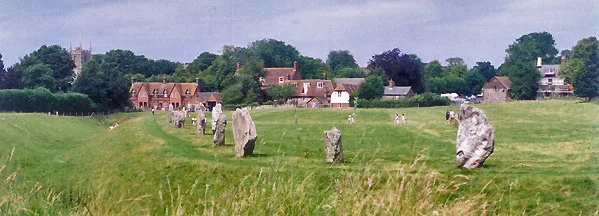
Stonehenge, Avebury and Associated Sites
UNESCO World Heritage · 0.1 km
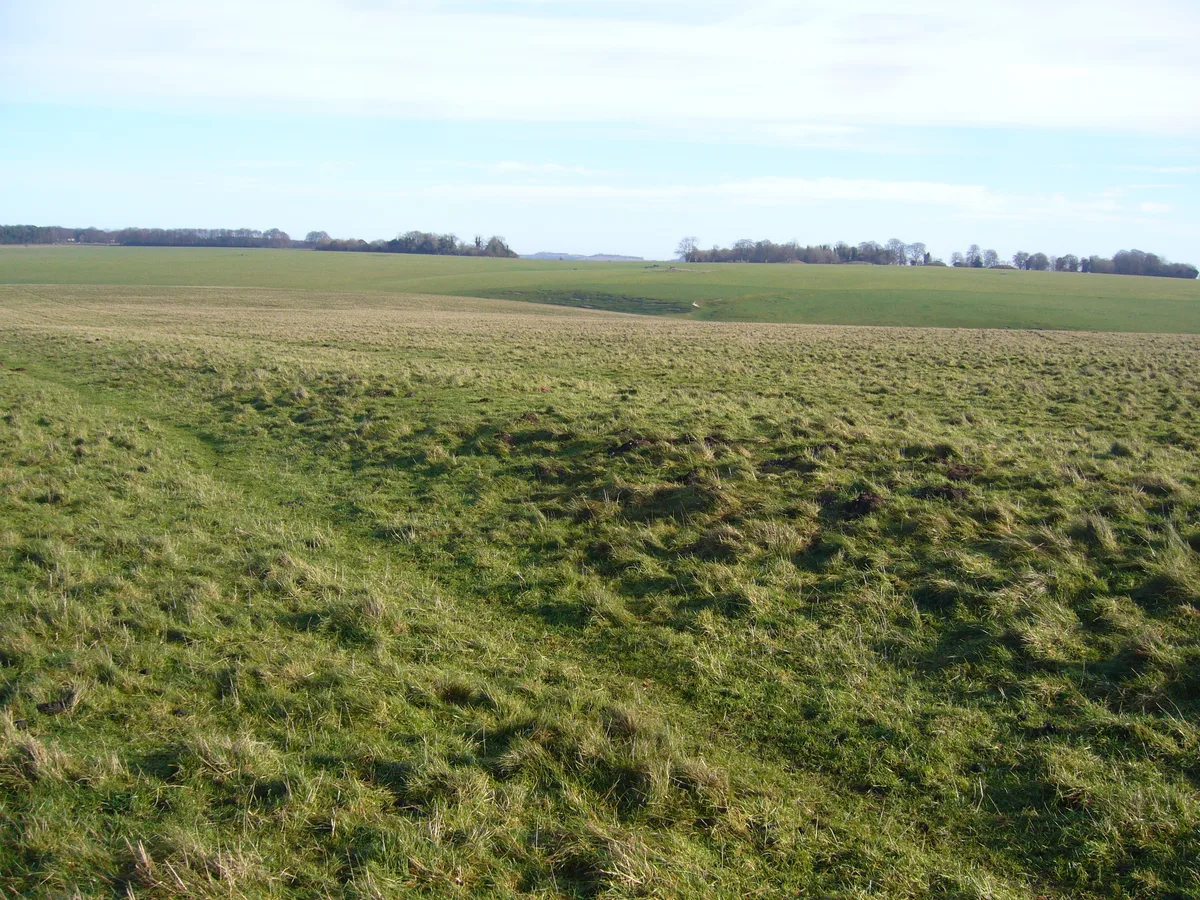
Stonehenge Avenue
Hill forts · 0.1 km

Stone Hole 97
Memorials & monuments · 0.1 km

Mesolitihic Wooden Post Hole
Memorials & monuments · 0.3 km

Stonehenge paid route
Natural landmarks · 0.3 km
Stonehenge see for free
Natural landmarks · 0.3 km
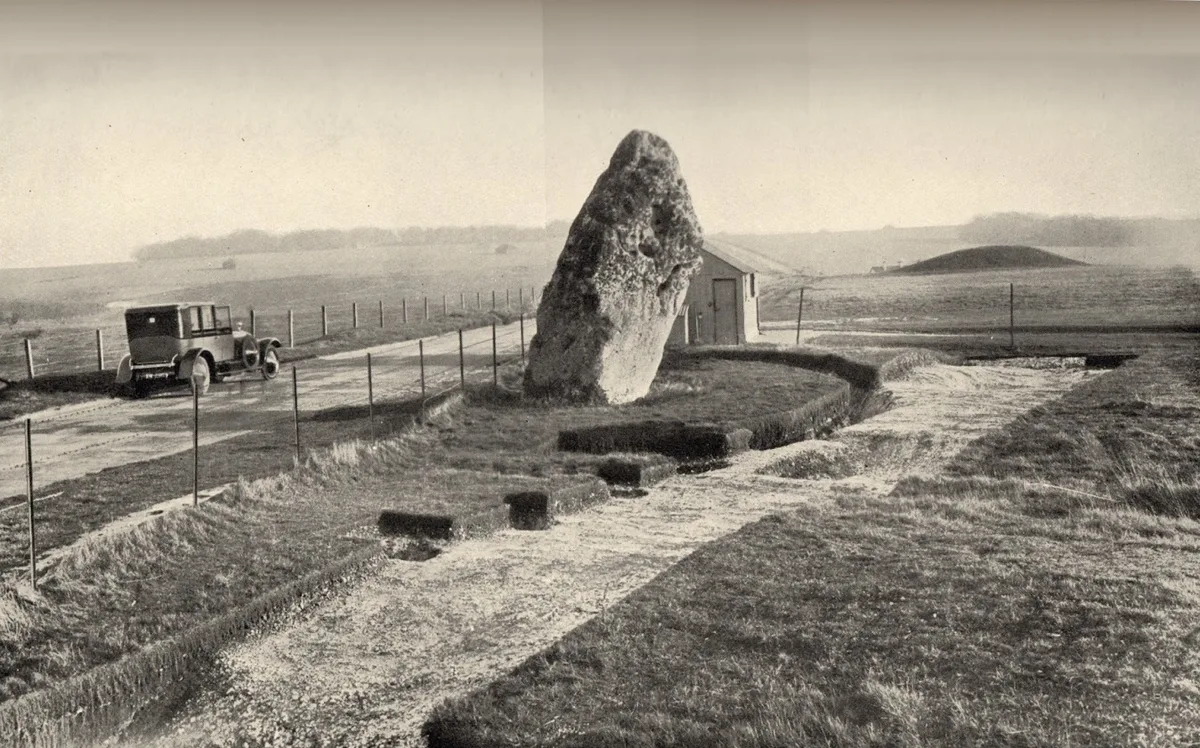
Heelstone Ditch
Hill forts · 0.5 km
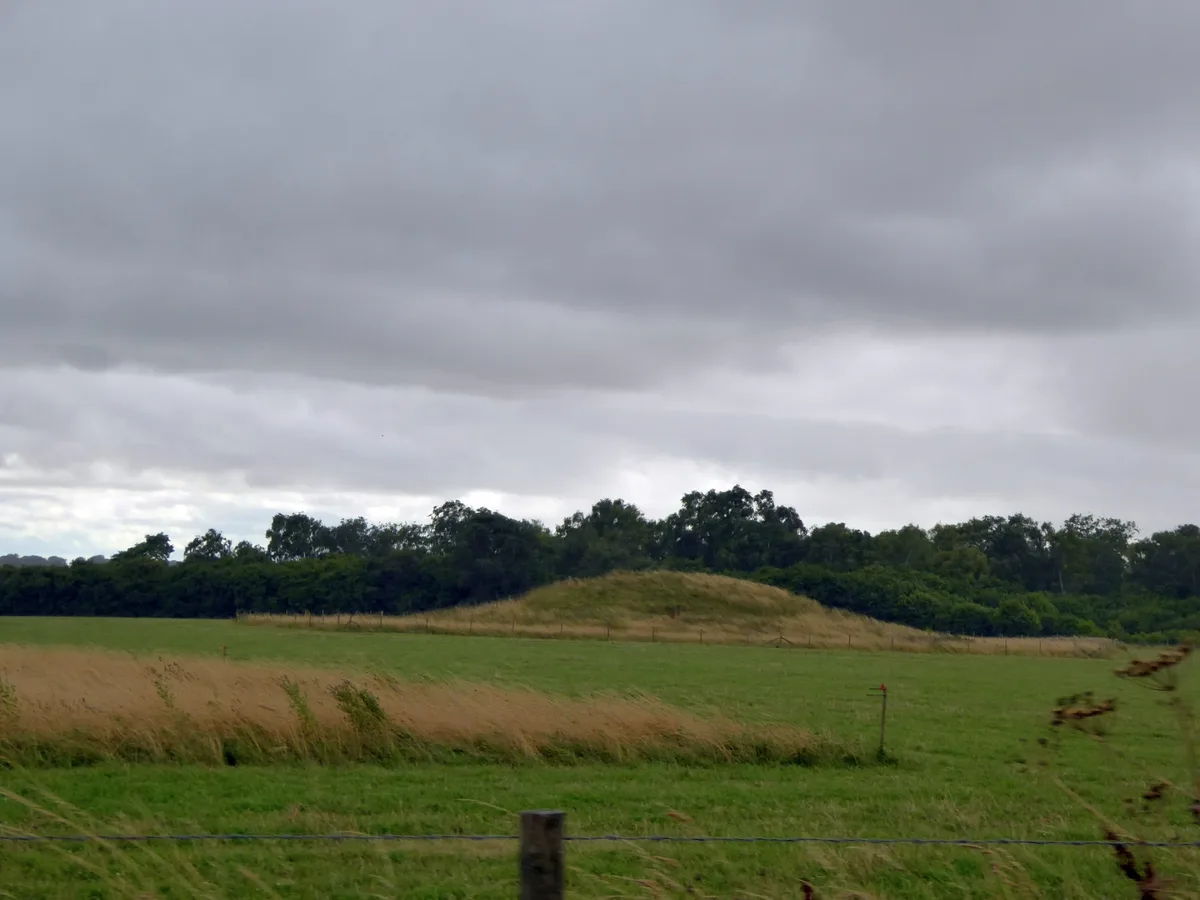
Normanton Down Barrows
Hill forts · 0.8 km
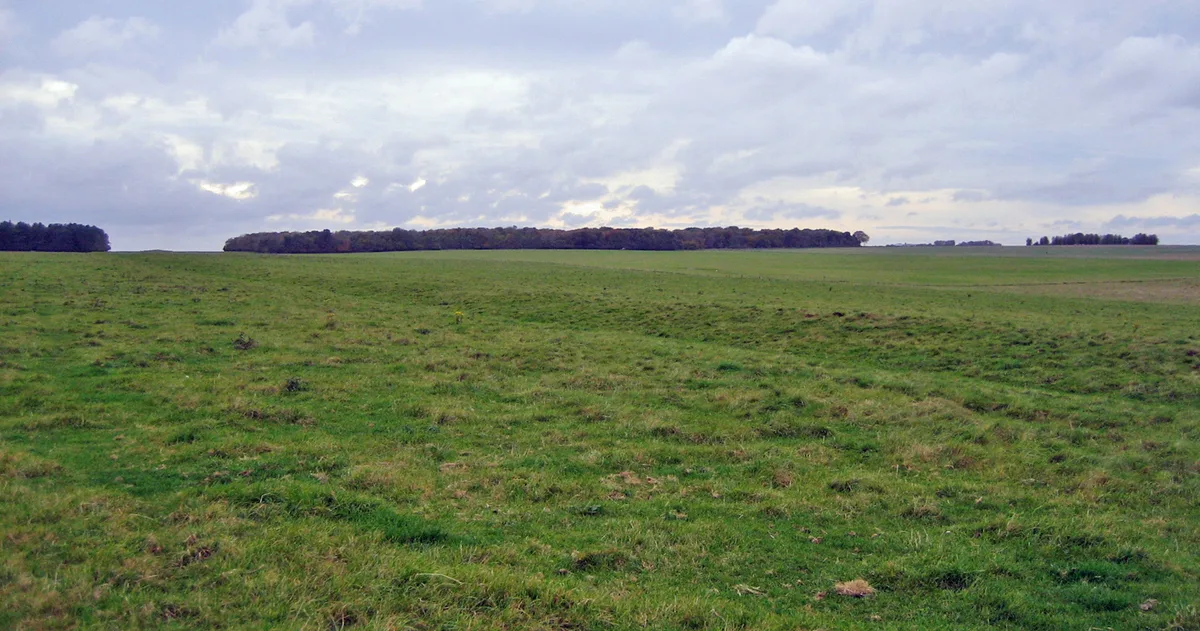
Stonehenge Cursus
UNESCO World Heritage · 0.8 km
Nearby
📷 5Hill forts · South East England
Q and R Holes
Q and R Holes is a hill fort in the United Kingdom.
📷 5Memorials & monuments · South East England
Station Stone
Station Stone — a memorial in england-south-east, United Kingdom.
📷 5Memorials & monuments · South East England
Aubrey Hole
Aubrey Hole — a memorial in england-south-east, United Kingdom.
★ Iconic📷 10UNESCO World Heritage · South East England
Stonehenge, Avebury and Associated Sites
Stonehenge, Avebury and Associated Sites is a UNESCO World Heritage Site in the United Kingdom.
★ Iconic📷 5Hill forts · South East England
Stonehenge Avenue
Stonehenge Avenue — ancient avenue on Salisbury plain, Wiltshire, England.
📷 5Memorials & monuments · South East England
Stone Hole 97
Stone Hole 97 — a memorial in england-south-east, United Kingdom.
Where to eat & stay near Stonehenge
Places to stay
 📷 7
📷 7Hotels · South East England
Fairlawn House
Fairlawn House — a hotel in england south east.
 📷 5
📷 5Campsites · South West England
Stonehenge Campsite & Glamping
Stonehenge Campsite & Glamping — a campsite in england south east.
 📷 5
📷 5Campsites · South West England
Stonehenge Touring Park
Stonehenge Touring Park — a campsite in england south east.
 📷 5
📷 5Hostels · South East England
Cholderton Youth Hostel
Cholderton Youth Hostel — a hostel in england south east.
 📷 5📷 5
Places to eat & drink
 📷 5
📷 5 📷 5
📷 5Historic pubs · South West England
The Greyhound Tavern
The Greyhound Tavern in England South West, United Kingdom.
 📷 5
📷 5Historic pubs · South West England
Malet Arms
Malet Arms in England South West, United Kingdom.
 📷 7
📷 7Restaurants · South East England
The Old Castle
The Old Castle — a restaurant in england south east. Cuisine: american. Brand: Harvester.
 📷 5
📷 5Historic pubs · South West England
George and Dragon
George and Dragon in England South West, United Kingdom.
 📷 5
📷 5Historic pubs · South West England
The Royal George
The Royal George in England South West, United Kingdom.
More UNESCO sites in this region
 📷 10
📷 10UNESCO World Heritage · South East England
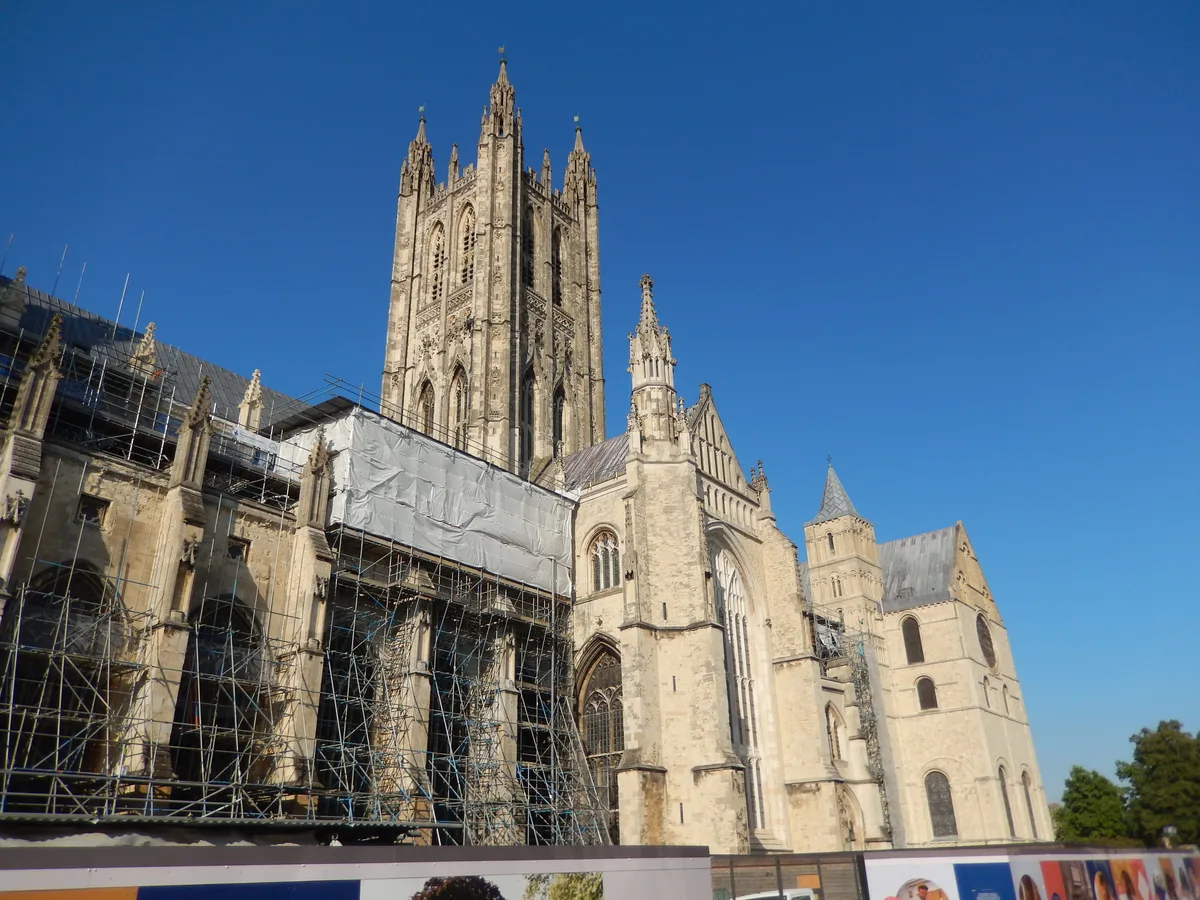
Canterbury Cathedral, St Augustine's Abbey, and St Martin's Church
Canterbury Cathedral, St Augustine's Abbey, and St Martin's Church — World Heritage site in Canterbury, Kent, England, UK.
Flagship📷 10UNESCO World Heritage · South East England
Stonehenge Cursus
Stonehenge Cursus — Neolithic cursus monument.
★ Iconic📷 10UNESCO World Heritage · South East England
Stonehenge, Avebury and Associated Sites
Stonehenge, Avebury and Associated Sites is a UNESCO World Heritage Site in the United Kingdom.
 Flagship📷 4
UNESCO World Heritage · South East England
Blenheim Palace
Blenheim Palace — country house near Woodstock, Oxfordshire, England, UK.
Frequently asked questions
- Where is Stonehenge?
- Stonehenge is in South-East England, United Kingdom (postcode SP4 8NU), in the parish of Durrington.
- What is Stonehenge?
- Stonehenge — Neolithic henge monument in Amesbury, Wiltshire, England, UK.
- How do I get to Stonehenge?
- The nearest town is Larkhill. Drivers can use postcode SP4 8NU.
- Who owns Stonehenge?
- Stonehenge is owned by National Trust.
- Is Stonehenge a protected site?
- Yes — Stonehenge is part of the River Avon System SSSI Site of Special Scientific Interest and the Cranborne Chase & West Wiltshire Downs National Landscape (AONB).
- How do I get to Stonehenge?
- Drivers can navigate to postcode SP4 8NU. It sits within the East Wiltshire parliamentary constituency.