
Palaces · South East England
Beaumont Palace
In or near Oxford.
Beaumont Palace — former palace in Oxford, England.

Wikimedia Commons contributors — see linked file page for photographer and licence licence

Plan your visit
- Typical visit
- 2 h–3 h
- Nearest railway station
- Oxford · 0.5 km
- Family-friendly
- Limited wheelchair access
Getting there & planning your visit
To visit Beaumont Palace, the nearest railway station is Oxford, located 0.5 km away. The postcode for sat-nav is OX1 2NR. Accessibility is limited for wheelchair users.
About
Beaumont Palace is a palace in the United Kingdom — a residence built or used by royalty, the aristocracy, or a bishop. Records date its origin to 1130. Built in the Romanesque architecture style. Wikidata describes it as: "former palace in Oxford, England". Coordinates: 51.7550°, -1.2627°.
Photo gallery
See it from the streetimagery from 2021
Imagery © Mapillary contributors, CC BY-SA 4.0
Official information
The Burton Taylor Studio is a small, intimate venue in Oxford that showcases a variety of theatrical productions, including student works and professional performances. It offers a family-friendly atmosphere with activities for children and supports local artists by providing a space for their creative endeavors.
From the Wikipedia article
Beaumont Palace, built outside the north gate of Oxford, was intended by Henry I about 1130 to serve as a royal palace conveniently close to the royal hunting-lodge at Woodstock (now part of the park of Blenheim Palace). Its former presence is recorded in Beaumont Street, Oxford. Set into a pillar on the north side of the street, near Walton Street, is a stone with the inscription: "Near to this site stood the King's Houses later known as Beaumont Palace. King Richard I was born here in 1157 and King John in 1167." The "King's House" was the range of the palace that contained the king's lodgings. Henry spent Easter 1133 in the nova aula – his "new hall" at Beaumont – in great pomp, celebrating the birth of his grandson, the future Henry II. Edward I was the last king to sojourn in Beaumont officially as a palace, and in 1275 he granted it to an Italian lawyer, Francesco Accorsi, who had undertaken diplomatic missions for him. When Edward II was put to flight at the Battle of Bannockburn in 1314, he is said to have invoked the Virgin Mary and vowed to found a monastery for the Carmelites (the White Friars) if he might escape safely. In fulfilment of his vow he remanded Beaumont Palace to the Carmelites in 1318. In 1318, the Palace was the scene for the beginnings of the John Deydras affair, in which a royal pretender, arguing that he was the rightful king of England, claimed the Palace for his own. John Deydras was ultimately executed for sedition. When the White Friars were disbanded at the Reformation, most of the structure was dismantled and the building stone reused in Christ Church and St John's College. An engraving of 1785 shows the remains of Beaumont Palace, the last of which were destroyed in the laying out of Beaumont Street in 1829.
Excerpt from Wikipedia under CC BY-SA 4.0. See the source article linked in Sources below.
- Coordinates
- 51.7550, -1.2627
- County
- Oxfordshire
- District
- Oxford
- Parish
- Oxford, unparished area
- Postcode
- OX1 2NR
- Parliamentary constituency
- Oxford West and Abingdon
- Phone
- +44 1865 305350
- Established
- 1130
- Nearest railway station
- Oxford — 0.5 km
- Official site
- www.oxfordplayhouse.com
Sources
- wikidata: Q635084 (CC0)
- wikipedia: Beaumont Palace (CC BY-SA 4.0)
- commons: Beaumont palace 1785.jpg (CC BY-SA 4.0)
Other places nearby

Birthplace of Richard I and John
Memorials & monuments · 0.0 km

Burton Taylor Studio
Open-air theatres · 0.1 km
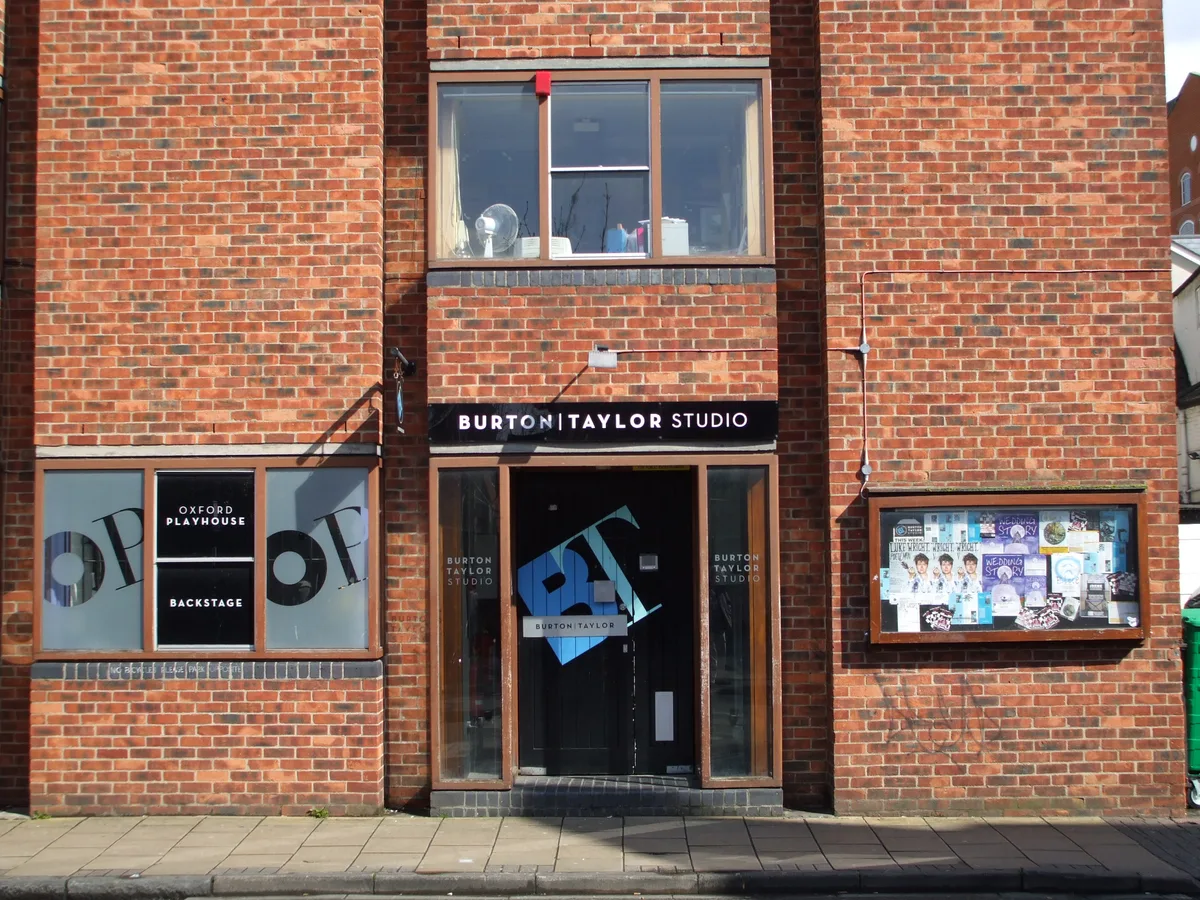
Burton Taylor Studio
Theatres · 0.1 km

Gloucester Green Market
Farmers’ markets · 0.1 km

Oxford Playhouse
Open-air theatres · 0.1 km
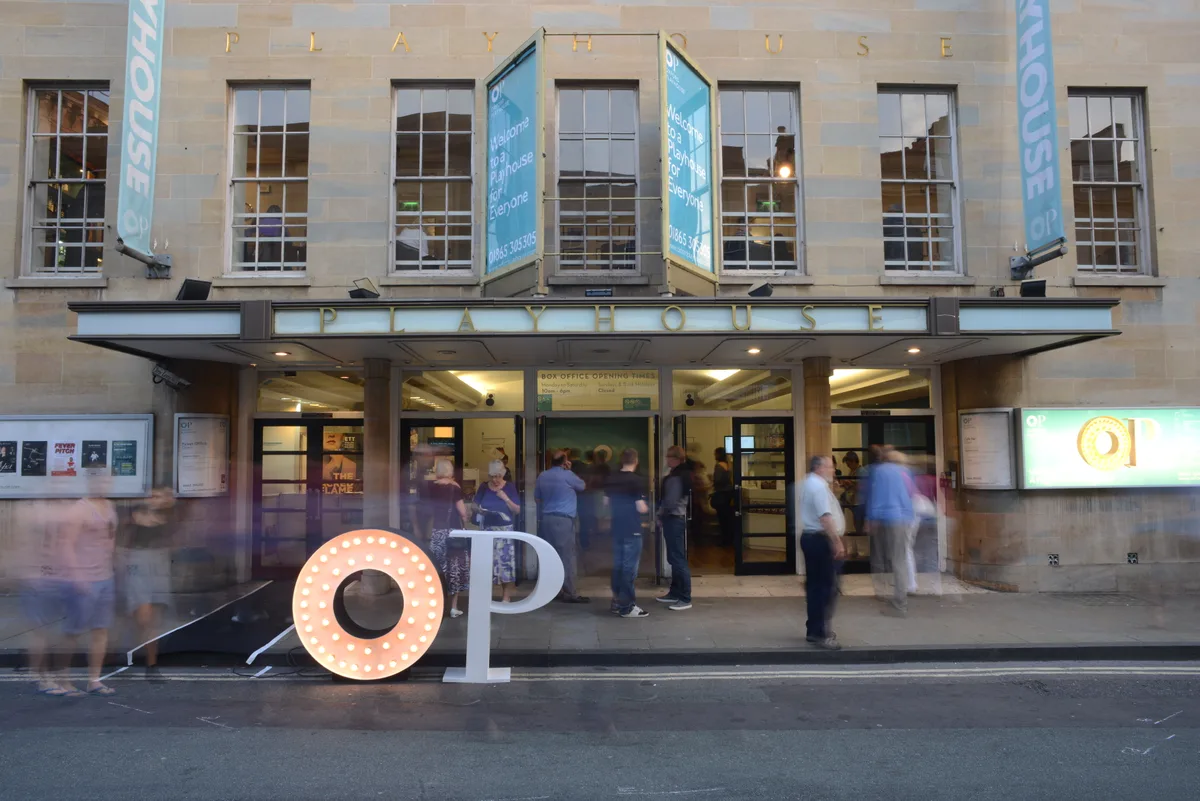
Oxford Playhouse
Theatres · 0.1 km

Levellers Memorial
Memorials & monuments · 0.1 km
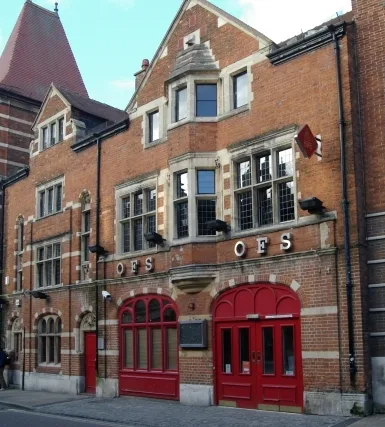
Old Fire Station Theatre
Theatres · 0.2 km
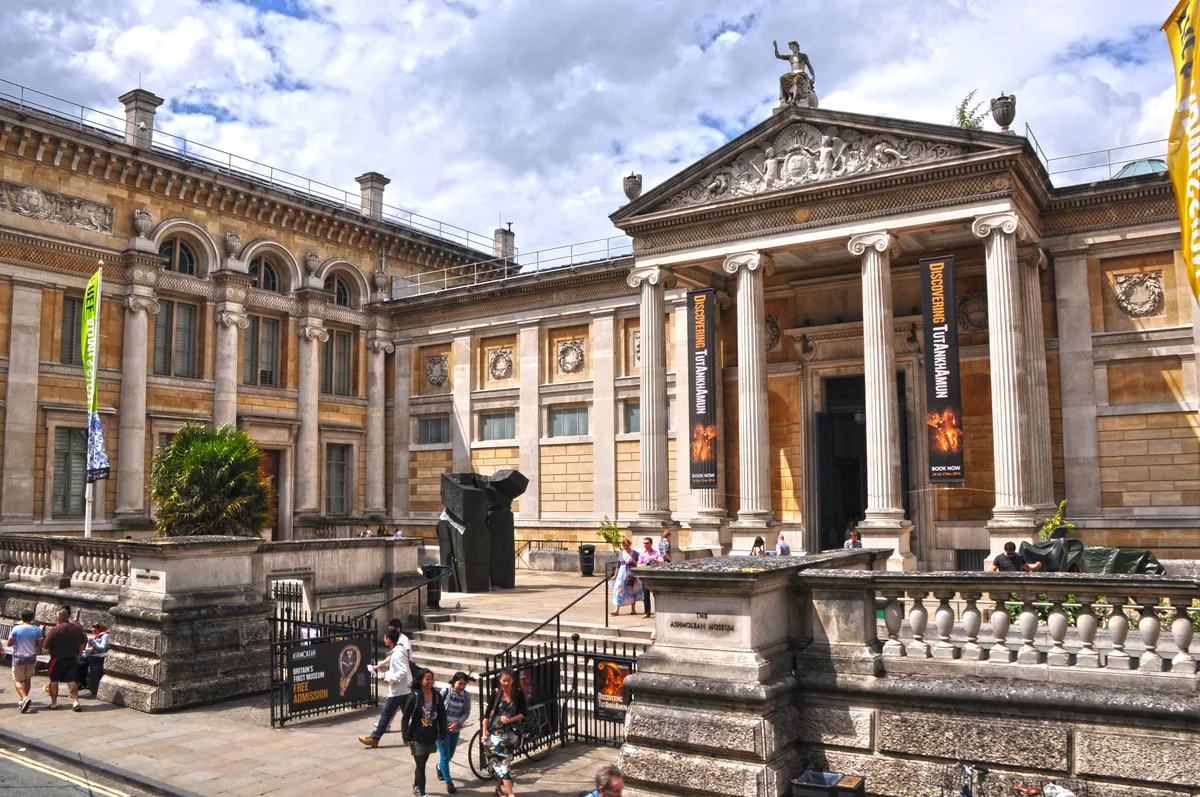
Ashmolean Museum
Galleries · 0.2 km

Odeon Oxford George Street
Theatres · 0.2 km

The Eckersley School of English
Natural landmarks · 0.2 km

William Wilkinson
Memorials & monuments · 0.2 km
Nearby
📷 3Memorials & monuments · South East England
Birthplace of Richard I and John
Birthplace of Richard I and John — a memorial in england-west-midlands, United Kingdom.
📷 5Open-air theatres · South East England
Burton Taylor Studio
Burton Taylor Studio — a open-air theatre in england west midlands.
📷 3Theatres · South East England
Burton Taylor Studio
Burton Taylor Studio is a theatre in the United Kingdom.
📷 5Farmers’ markets · South East England
Gloucester Green Market
Gloucester Green Market — a UK farmers' market in england west midlands.
📷 5Open-air theatres · South East England
Oxford Playhouse
Oxford Playhouse — a open-air theatre in england west midlands.
📷 5Theatres · South East England
Oxford Playhouse
Oxford Playhouse is a theatre in the United Kingdom.
Where to eat & stay near Beaumont Palace
Places to stay
 📷 5
📷 5B&Bs · South East England
St Michael's Guest House
St Michael's Guest House — a bed-and-breakfast in england west midlands.
 📷 5
📷 5Hostels · South East England
Central Backpackers Oxford
Central Backpackers Oxford — a hostel in england west midlands.
 📷 5
📷 5Hostels · South East England
Oxford Backpackers
Oxford Backpackers — a hostel in england west midlands.
 📷 5
📷 5Hotels · South East England
The Jericho Hotel
The Jericho Hotel — a hotel in england west midlands.
 📷 7
📷 7Hotels · South East England
Old Parsonage Hotel
Old Parsonage Hotel — a hotel in england west midlands.
 📷 7
📷 7Hotels · South East England
River Hotel
River Hotel — a hotel in england west midlands.
Places to eat & drink
 📷 7
📷 7Historic pubs · South East England
The Eagle and Child
The Eagle and Child in England South East, United Kingdom.
 📷 7
📷 7 📷 6
📷 6Cafés · South East England
The Missing Bean
The Missing Bean — a café in england west midlands.
 📷 5
📷 5 📷 5
📷 5Cafés · South East England
Love Coffee Co.
Love Coffee Co. — a café in england west midlands.
 📷 5
📷 5Historic pubs · South East England
King's Arms
King's Arms in England South East, United Kingdom.
Other palaces from this era
 Flagship📷 10
Palaces · London
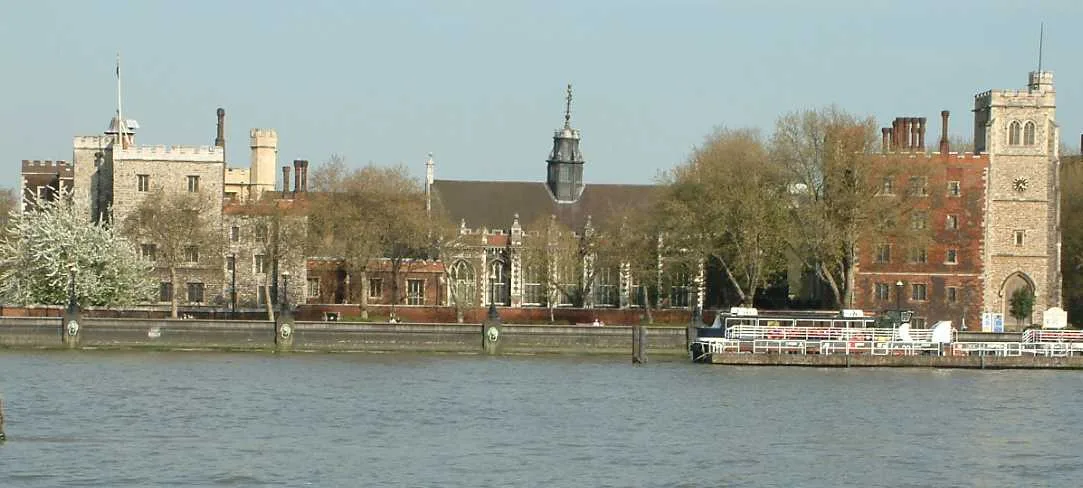
Lambeth Palace
Lambeth Palace — official London residence of the Archbishop of Canterbury.
 ★ Iconic📷 5
 📷 5
📷 5Palaces · London
Pyrgo Park
Pyrgo Park — park on the site of an ancient royal palace.
 📷 5
📷 5Palaces · London
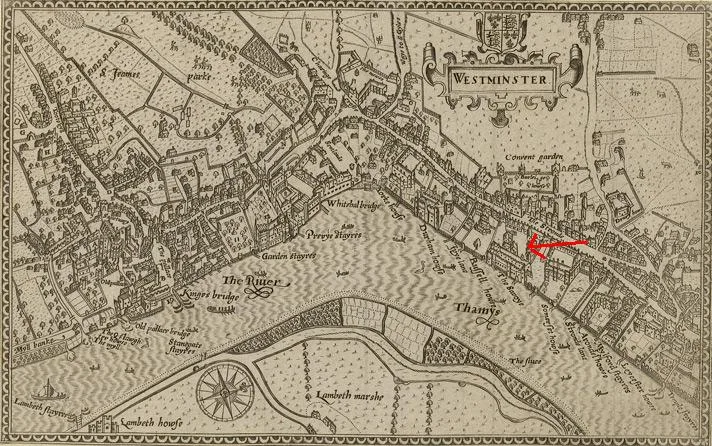
Savoy Palace
Savoy Palace — the residence of John of Gaunt until it was destroyed in the Peasants' Revolt of 1381.
More palaces in this region
 📷 5
📷 5Palaces · South East England
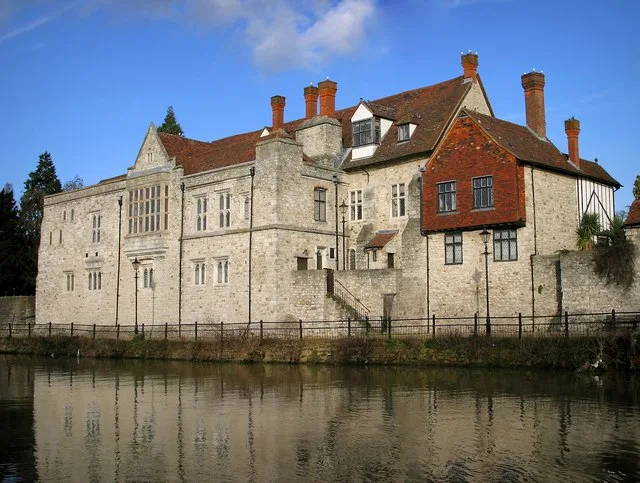
Archbishop's Palace
Archbishop's Palace — historic 14th-century and 16th-century building in Maidstone, Kent, England, UK.
 📷 5
📷 5Palaces · South East England
Bishop's palace at Halling
Bishop's palace at Halling — a Grade II-listed palace in england-london, United Kingdom.
 📷 5
📷 5Palaces · South East England
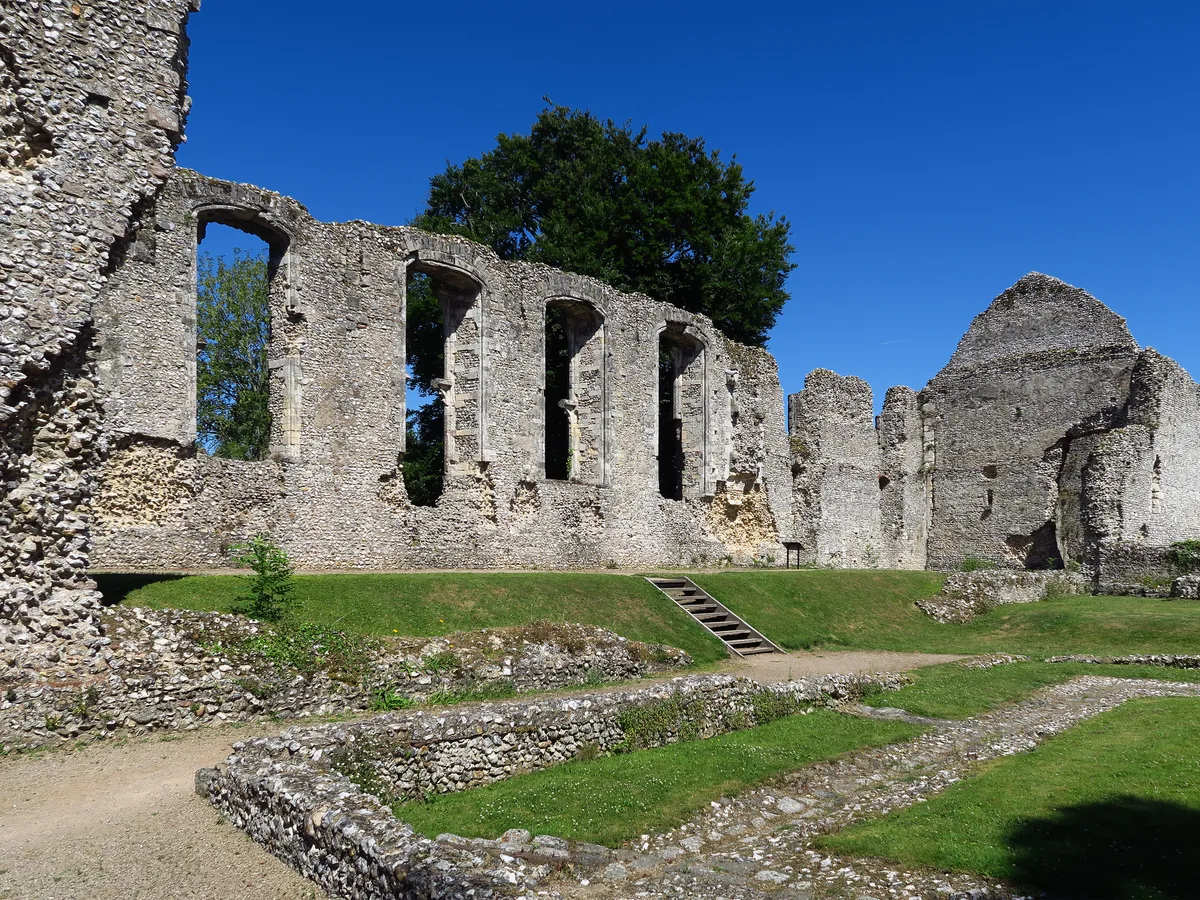
Bishop's Waltham Palace
Bishop's Waltham Palace — palace ruins in England.
 ★ Iconic📷 5
Palaces · South East England
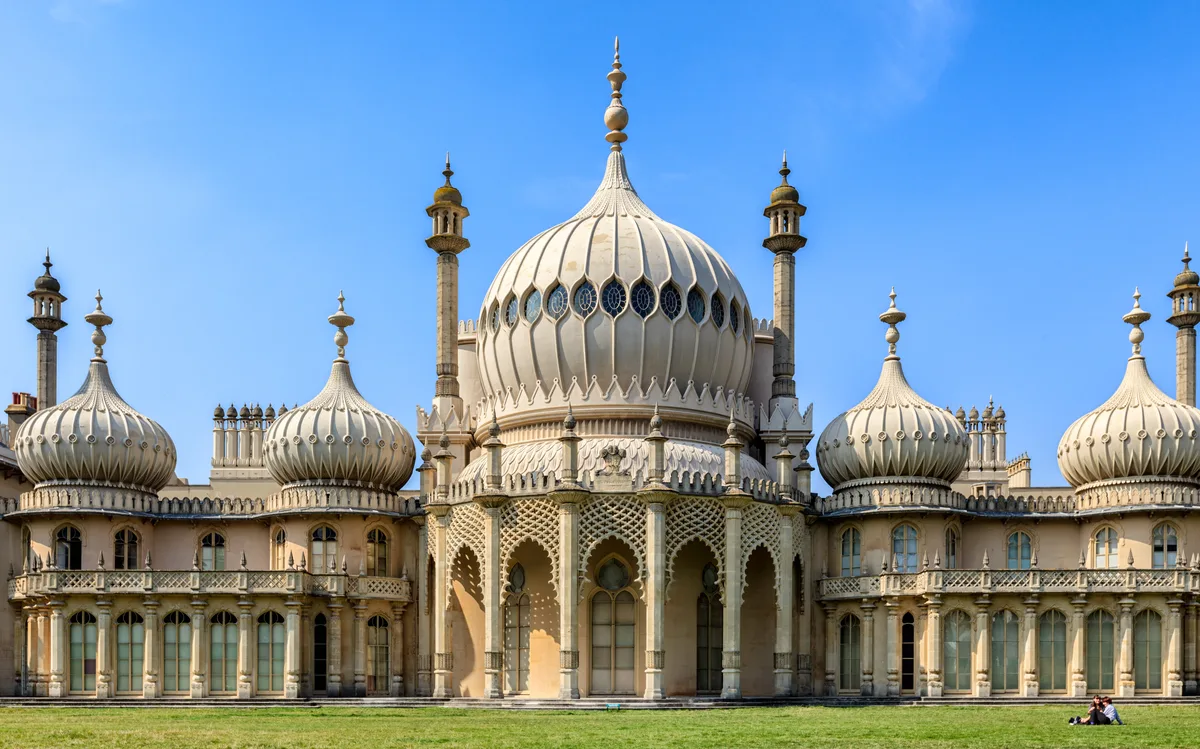
Royal Pavilion
Royal Pavilion — former royal residence located in Brighton, England, United Kingdom.
Frequently asked questions
- Where is Beaumont Palace?
- Beaumont Palace is in Oxfordshire, South-East England, United Kingdom (postcode OX1 2NR), in the parish of Oxford, unparished area.
- What is Beaumont Palace?
- Beaumont Palace — former palace in Oxford, England.
- How do I get to Beaumont Palace?
- The nearest railway station is Oxford, about 0.5 km away. The nearest town is Oxford. Drivers can use postcode OX1 2NR.
- When was Beaumont Palace built?
- Built or established in 1130.
- Does Beaumont Palace charge admission?
- Beaumont Palace typically charges admission. Check the official site for current ticket prices and opening hours.
- How do I get to Beaumont Palace?
- The nearest railway station is Oxford, about 0.5 km away. Drivers can navigate to postcode OX1 2NR.