
Palaces · London
Palace of Placentia
In or near City of London.
Palace of Placentia — English royal palace at Greenwich.

Wikimedia Commons contributors — see linked file page for photographer and licence licence

Plan your visit
- Typical visit
- 2 h–3 h
- Nearest railway station
- Cutty Sark for Maritime Greenwich · 0.3 km
- Paid entry
- Family-friendly
- Wheelchair accessible
Getting there & planning your visit
To visit the Palace of Placentia, the nearest railway station is Cutty Sark for Maritime Greenwich, located 0.3 km away. Entry is paid, and the site is wheelchair accessible. The postcode for sat-nav is SE10 9NN.
About
Palace of Placentia is a palace in the United Kingdom — a residence built or used by royalty, the aristocracy, or a bishop. Records date its origin to 1443. Heritage designation: scheduled monument. Wikidata describes it as: "English royal palace at Greenwich". Coordinates: 51.4822°, -0.0067°.
Photo gallery
Heritage listing
The Palace of Placentia, also known as Greenwich Palace, was an English royal residence that was initially built by Prince Humphrey, Duke of Gloucester, in 1443. Over the centuries it took several different forms, until it was turned into a hospital in the 1690s. The palace was a place designed for pleasure, entertainment and an escape from the city. It was located at Greenwich on the south bank of the River Thames, downstream from London. On a hill behind his palace, the duke built Duke Humphrey's Tower, later known as Greenwich Castle; the "castle" was subsequently demolished to make way for the Royal Observatory, Greenwich, which survives. The original river-side residence was extensively rebuilt around 1500 by King Henry VII.
From the Historic England List Entry under OGL v3.
Summary from the official site
The Old Royal Naval College is a cultural destination located in the Maritime Greenwich UNESCO World Heritage Site. Visitors can explore the Painted Hall, known for its stunning Baroque interior, and take exclusive tours of Wren’s Chapel Dome.
Read more on the official property page.
From the Wikipedia article
The Palace of Placentia, also known as Greenwich Palace, was an English royal residence that was initially built by Prince Humphrey, Duke of Gloucester, in 1443. Over the centuries it took several different forms, until it was turned into a hospital in the 1690s. The palace was a place designed for pleasure, entertainment and an escape from the city. It was located at Greenwich on the south bank of the River Thames, downstream from London. On a hill behind his palace, the duke built Duke Humphrey's Tower, later known as Greenwich Castle; the "castle" was subsequently demolished to make way for the Royal Observatory, Greenwich, which survives. The original river-side residence was extensively rebuilt around 1500 by King Henry VII. A detached residence, the Queen's House, was built on the estate in the early 1600s and also survives. In 1660, the old main palace was demolished by Charles II to make way for a proposed new palace, which was only partly constructed in the east wing. Nearly forty years later, at the behest of Queen Mary II, the Greenwich Hospital (now called the Old Royal Naval College) remodelled this wing, expanded, and rebuilt on the site.
Excerpt from Wikipedia under CC BY-SA 4.0. See the source article linked in Sources below.
Background
History
in 1840 (earlier published by W. Bristow in 1797)]] Humphrey was regent during the minority of Henry VI (his nephew) and started building the palace in 1433, In 1447, Humphrey fell out of favour with Henry VI and was arrested for high treason. He died in prison, likely due to a stroke, though it was popularly believed that he was murdered (as is depicted in William Shakespeare's plays about Henry VI). Margaret of Anjou took over Bella Court, renaming it the Palace of Placentia, sometimes written as the 'Palace of Pleasaunce'. The friary church served as the chapel royal at Greenwich and was used for royal baptisms and marriages, including marriage of Henry VIII and Catherine of Aragon and…
Architecture
The palace at Greenwich was built in the Tudor style. Although the structure is no longer standing, the size and design of Greenwich Palace were said to be similar to that of Hampton Court Palace in west London, which was built around the same time as Henry VII's rebuild of Placentia. The original building was constructed primarily with brick and timber. The initial palace design had state apartments, a chapel, a five-storey viewing tower, and two octagonal towers overlooking the tiltyard. The chapel, which was rebuilt by Henry VIII, featured stained-glass windows and black-and-white glazed tiles. The main face of the building looked out over the river Thames. It extended along 200m of the…
Sourced from Wikipedia under CC BY-SA 4.0.
- Coordinates
- 51.4822, -0.0067
- District
- Greenwich
- Parish
- Greenwich, unparished area
- Postcode
- SE10 9NN
- Parliamentary constituency
- Greenwich and Woolwich
- Established
- 1443
- Nearest railway station
- Cutty Sark for Maritime Greenwich — 0.3 km
- Opening
- Daily 10am–5pm; grounds open daily 8am–11pm
Sources
- wikidata: Q1424839 (CC0)
- wikipedia: Palace of Placentia (CC BY-SA 4.0)
- commons: Greenwich PalaceGentlemen'sMagazine1840.jpg (CC BY-SA 4.0)
Other places nearby

Thomas Bouldon Thompson Memorial
Memorials & monuments · 0.1 km

Painted Hall
Gardens · 0.1 km
John Simpson Memorial
Memorials & monuments · 0.1 km
Royal Navy Memorial
Memorials & monuments · 0.1 km

Monument For A Dead Parrot
Memorials & monuments · 0.1 km

Monument for a Dead Parrot
Public art & sculpture · 0.1 km

Old Royal Naval College Visitor Centre
Museums · 0.2 km

Sir Walter Raleigh
Memorials & monuments · 0.2 km
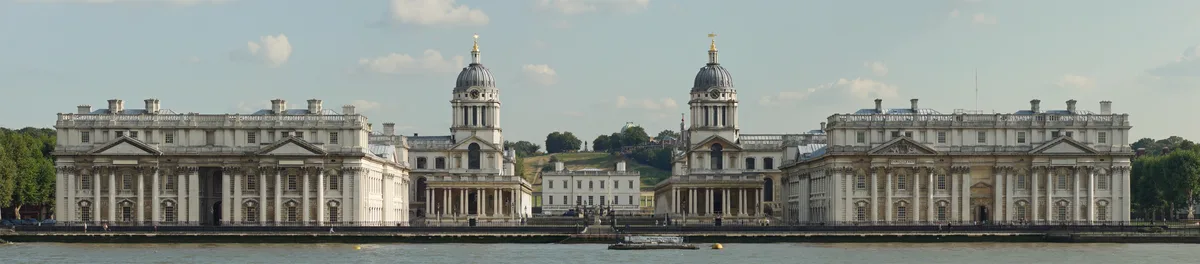
Old Royal Naval College
Museums · 0.2 km
.jpg?width=1200)
King George II
Public art & sculpture · 0.2 km

Bellot Memorial
Memorials & monuments · 0.2 km
Turkish bronze gun
Memorials & monuments · 0.2 km
Nearby
📷 5Memorials & monuments · London
Thomas Bouldon Thompson Memorial
Thomas Bouldon Thompson Memorial — a memorial in england-london, United Kingdom.
📷 5📷 5Memorials & monuments · London
John Simpson Memorial
John Simpson Memorial — a memorial in england-london, United Kingdom.
📷 5Memorials & monuments · London
Royal Navy Memorial
Royal Navy Memorial — a memorial in england-london, United Kingdom.
📷 5Memorials & monuments · London
Monument For A Dead Parrot
Monument For A Dead Parrot — Public artwork (sculpture) by John Reardon.
📷 5Public art & sculpture · London
Monument for a Dead Parrot
Monument for a Dead Parrot in England London, United Kingdom.
Where to eat & stay near Palace of Placentia
Places to stay
 📷 7
📷 7Hotels · London
Greenwich Novotel
Greenwich Novotel — a hotel in england london.
 📷 7
📷 7Hotels · London
Travelodge Greenwich High Road
Travelodge Greenwich High Road — a hotel in england london. 3-star. Brand: Travelodge.
 📷 5
📷 5Hotels · London
DoubleTree by Hilton London Greenwich
DoubleTree by Hilton London Greenwich — a hotel in england london. 4-star. Brand: DoubleTree.
 📷 5
📷 5 📷 5
📷 5 📷 7
📷 7Places to eat & drink
 📷 5
📷 5Historic pubs · London
Trafalgar Tavern
Trafalgar Tavern in England London, United Kingdom.
 📷 5
📷 5Historic pubs · London
The Waterman's Arms
The Waterman's Arms — Historic pub — listed building or notable heritage status.
 📷 7
📷 7Cafés · London
The Pavilion Café
The Pavilion Café — a café in england london. Cuisine: italian pizza;tea;cake;sandwich;coffee shop;ice cream.
 📷 5
📷 5Cafés · London
Ignatius Sancho Café
Ignatius Sancho Café — a café in england london.
 📷 7
📷 7Historic pubs · London
Hare and Billet
Hare and Billet in England London, United Kingdom.
 📷 5
📷 5Other palaces from this era
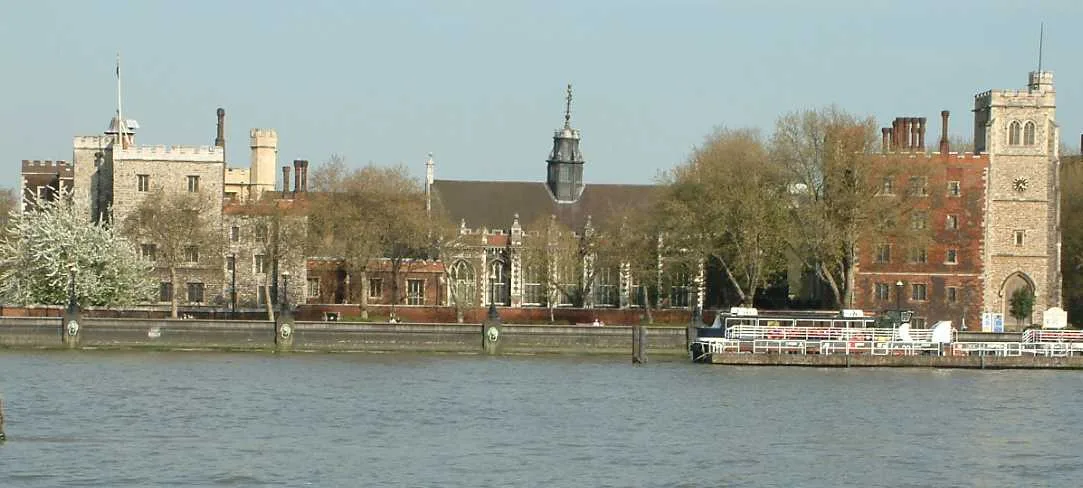 Flagship📷 10
Palaces · London
Lambeth Palace
Lambeth Palace — official London residence of the Archbishop of Canterbury.
 📷 5
📷 5Palaces · London
Pyrgo Park
Pyrgo Park — park on the site of an ancient royal palace.
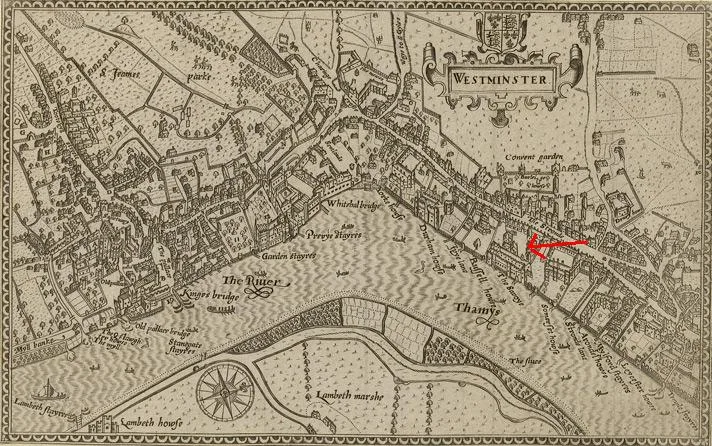 📷 5
📷 5Palaces · London
Savoy Palace
Savoy Palace — the residence of John of Gaunt until it was destroyed in the Peasants' Revolt of 1381.
 📷 5
📷 5Palaces · South East England
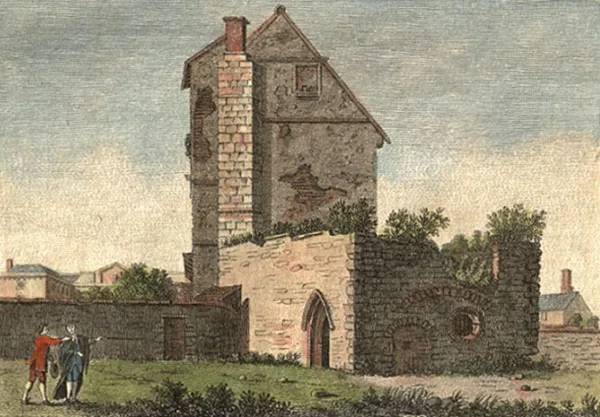
Beaumont Palace
Beaumont Palace — former palace in Oxford, England.
More palaces in this region
 📷 5
📷 5Palaces · London
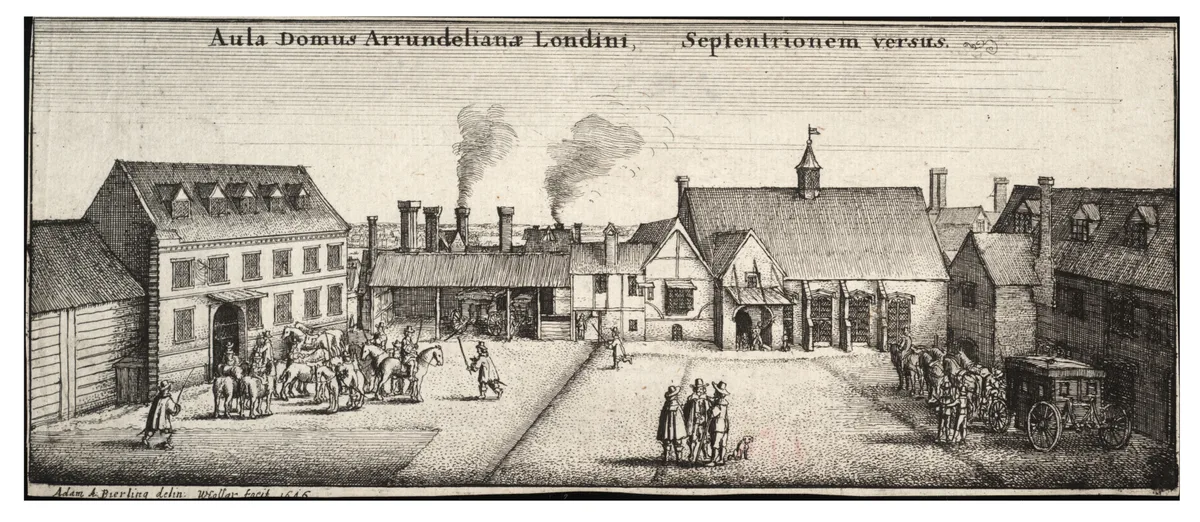
Arundel House
Arundel House — London town-house located between the Strand and the River Thames, near St Clement Danes.
 📷 5
📷 5Palaces · London
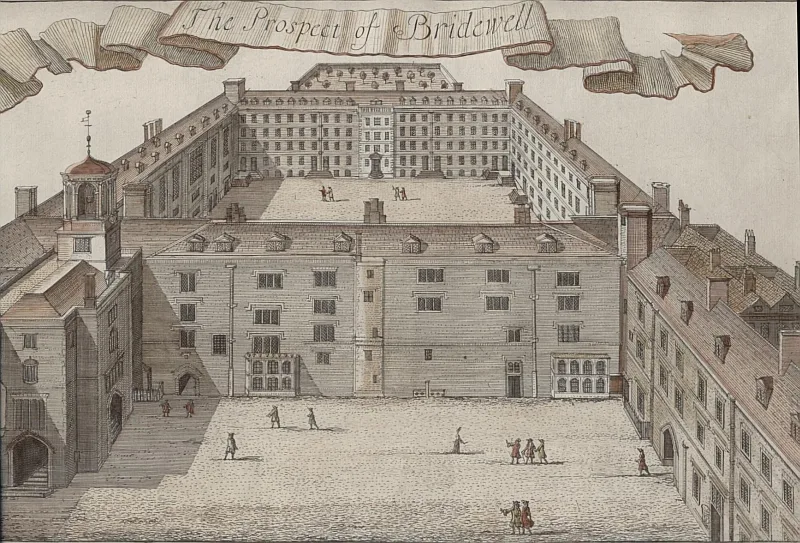
Bridewell Palace
Bridewell Palace — former palace in the City of London, England; former prison.
 ★ Iconic📷 5
Palaces · London
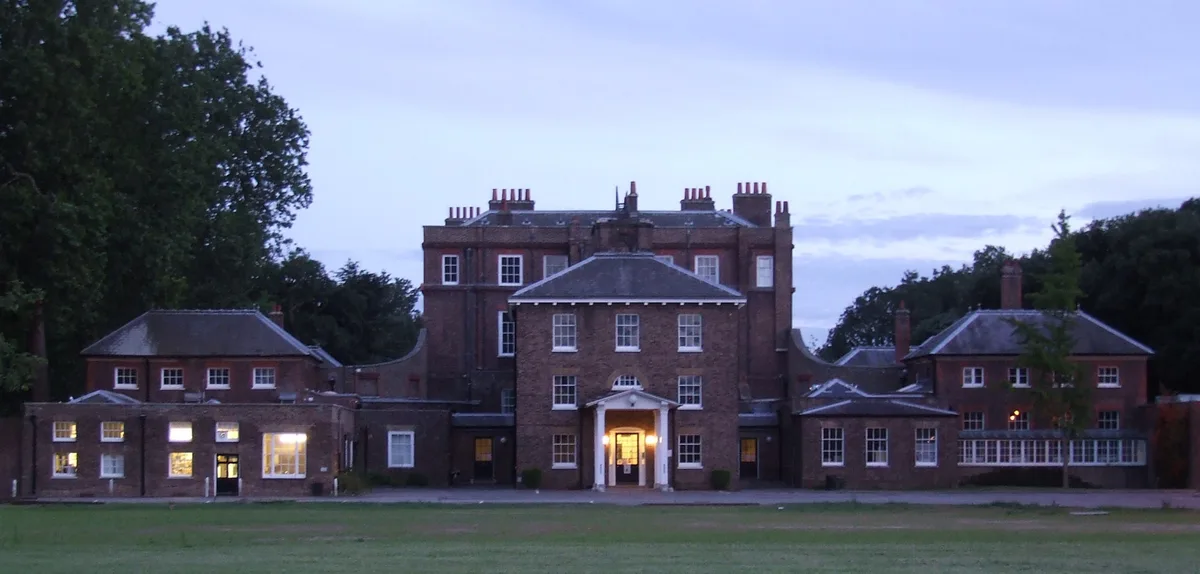
Bushy House
Bushy House — former royal residence in Teddington in South West London.
 📷 5
📷 5Palaces · London
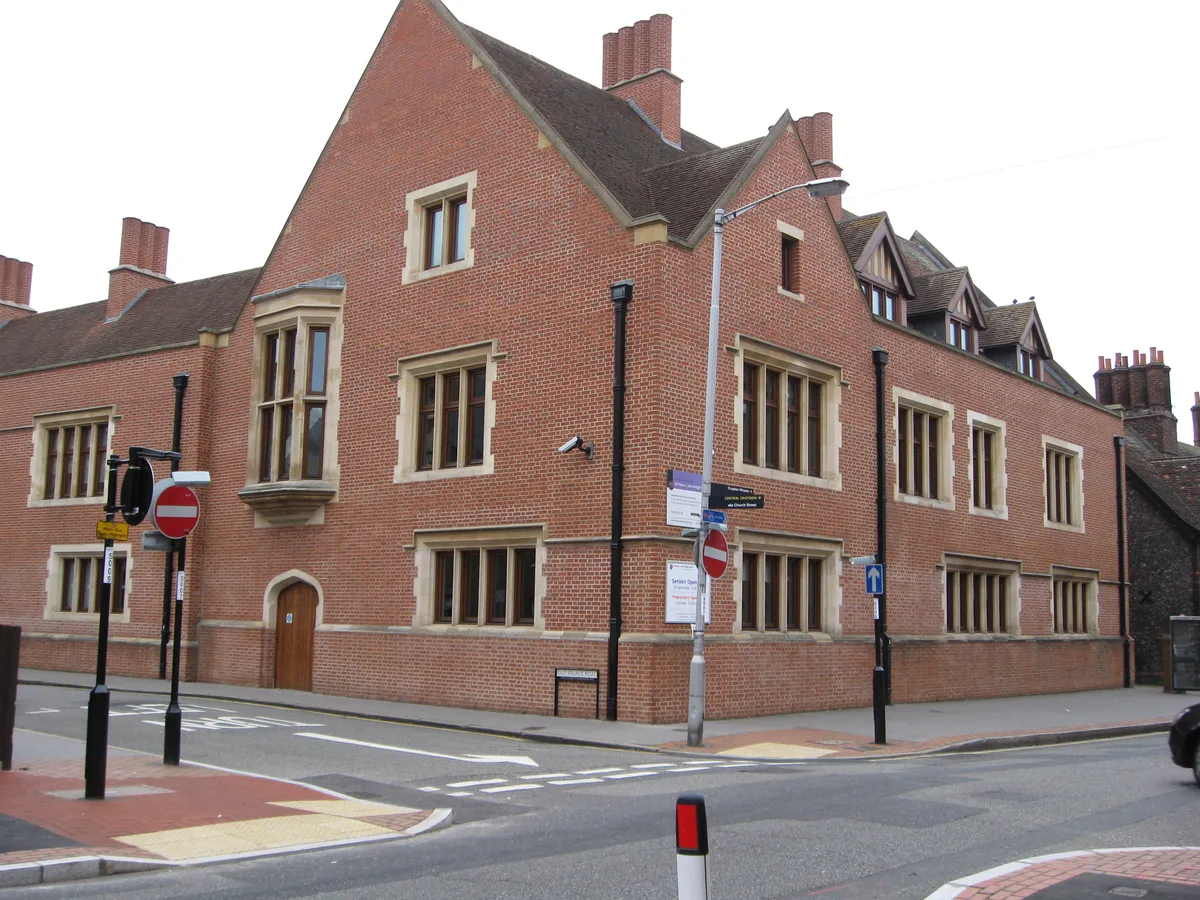
Croydon Palace
Croydon Palace — historical residence of the Archbishop of Canterbury.
Frequently asked questions
- Where is Palace of Placentia?
- Palace of Placentia is in London, United Kingdom (postcode SE10 9NN), in the parish of Greenwich, unparished area.
- What is Palace of Placentia?
- Palace of Placentia — English royal palace at Greenwich.
- How do I get to Palace of Placentia?
- The nearest railway station is Cutty Sark for Maritime Greenwich, about 0.3 km away. The nearest town is City of London. Drivers can use postcode SE10 9NN.
- When was Palace of Placentia built?
- Built or established in 1443.
- Is Palace of Placentia a listed building?
- Palace of Placentia is officially recognised as scheduled monument listed.
- Does Palace of Placentia charge admission?
- Palace of Placentia typically charges admission. Check the official site for current ticket prices and opening hours.
- How do I get to Palace of Placentia?
- The nearest railway station is Cutty Sark for Maritime Greenwich, about 0.3 km away. Drivers can navigate to postcode SE10 9NN.