
UNESCO World Heritage · South West England
Bath
Also known as: Caerfaddon, Bath, Somerset
In or near Bathford.
Bath — city in Somerset, England, United Kingdom.

Wikimedia Commons contributors — see linked file page for photographer and licence licence

Plan your visit
- Typical visit
- 2 h–4 h
- Nearest railway station
- Bath Spa · 0.5 km
- Free entry
- Family-friendly
- Wheelchair accessible
Getting there & planning your visit
To visit Bath, the nearest railway station is Bath Spa, located 0.5 km away. The postcode for navigation is BA1 1LY. Entry is accessible for wheelchair users.
About
Bath is inscribed on the UNESCO World Heritage List. Records date its origin to AD 43. Wikidata describes it as: "city in Somerset, England, United Kingdom". Coordinates: 51.3814°, -2.3597°.
Photo gallery
Summary from the official site
The Mayoralty in Bath showcases the history and significance of the city's mayors. Visitors can learn about noteworthy mayors, royal charters, and community awards, as well as explore the role of the Mayor's Guides in promoting local heritage.
Read more on the official property page.
Protected designations
- Site of Special Scientific Interest: Combe Down and Bathampton Down Mines SSSI
- Area of Outstanding Natural Beauty: Cotswolds
Designations sourced from Natural England open data under OGL v3.
From the Wikipedia article
Bath (RP: , locally [ba(ː)θ]) is a city in Somerset, England, known for and named after its Roman-built baths. At the 2021 census, the population was 94,080. Bath is in the valley of the River Avon, 97 miles (156 km) west of London and 11 miles (18 km) southeast of Bristol. The city became a UNESCO World Heritage Site in 1987, and was later added to the transnational World Heritage Site known as the "Great Spa Towns of Europe" in 2021. Bath is also the largest city and settlement in Somerset. The city became a spa with the Latin name Aquae Sulis ("the waters of Sulis") c. 60 AD when the Romans built baths and a temple in the valley of the River Avon, although hot springs were known even before then. Bath Abbey was founded in the 7th century and became a religious centre; the building was rebuilt in the 12th and 16th centuries. In the 17th century, claims were made for the curative properties of water from the springs, and Bath became popular as a spa town in the Georgian era. Georgian architecture, crafted from Bath Stone, includes the Royal Crescent, Circus, Pump Room, and the Assembly Rooms, where Beau Nash presided over the city's social life from 1705 until his death in 1761. Many of the streets and squares were laid out by John Wood, the Elder, and in the 18th century the city became fashionable and the population grew. Jane Austen lived in Bath in the early 19th century. Further building was undertaken in the 19th century and following the Bath Blitz in World War II. Bath became part of the county of Avon in 1974, and, following Avon's abolition in 1996, has been the principal centre of Bath and North East Somerset. Bath has over 6 million yearly visitors, making it one of the ten English cities visited most by overseas tourists. Attractions include the spas, canal boat tours, Royal Crescent, Bath Skyline, Parade Gardens, Sydney Gardens and Royal Victoria Park which hosts carnivals and seasonal events. Shopping areas include SouthGate shopping centre, the…
Excerpt from Wikipedia under CC BY-SA 4.0. See the source article linked in Sources below.
Background
History
Bath had long been an ancient borough, having that status since 878 when it became a royal borough (burh) of Alfred the Great, and was reformed into a municipal borough in 1835. It has formed part of the county of Somerset since 878, when ceded to Wessex, having previously been in Mercia (the River Avon had acted as the border between the two kingdoms since 628). However, Bath was made a county borough in 1889, independent of the newly created administrative county and Somerset County Council. Bath became part of Avon when the non-metropolitan county was created in 1974, resulting in its abolition as a county borough, and instead became a non-metropolitan district with borough status. With…
Architecture
There are many Roman archaeological sites throughout the central area of the city. The baths themselves are about 6 m below the present city street level. Around the hot springs, Roman foundations, pillar bases, and baths can still be seen; however, all the stonework above the level of the baths is from more recent periods. Bath Abbey was a Norman church built on earlier foundations. The present building dates from the early 16th century and shows a late Perpendicular style with flying buttresses and crocketed pinnacles decorating a crenellated and pierced parapet. The choir and transepts have a fan vault by Robert and William Vertue. A matching vault was added to the nave in the 19th…
Description
]] During the 18th century Thomas Gainsborough and Sir Thomas Lawrence lived and worked in Bath. John Maggs, a painter best known for coaching scenes, was born and lived in Bath with his artistic family. Jane Austen lived there from 1801 with her father, mother and sister Cassandra, and the family resided at four different addresses until 1806. Jane Austen never liked the city, and wrote to Cassandra, "It will be two years tomorrow since we left Bath for Clifton, with what happy feelings of escape." Bath has honoured her name with the Jane Austen Centre and a city walk. Austen's Northanger Abbey and Persuasion are set in the city and describe taking the waters, social life, and music…
Visiting
One of Bath's principal industries is tourism; in 2011 there were annually more than one million staying visitors and 3.8 million day visitors. over 180 bed and breakfasts – many of which are in Georgian buildings – and two campsites on the western edge of the city. The city also has about 100 restaurants and a similar number of pubs and bars. Several companies offer open top bus tours around the city, as well as tours on foot and on the river. Since the opening of Thermae Bath Spa in 2006, the city has attempted to recapture its historical position as the only town or city in the United Kingdom offering visitors the opportunity to bathe in naturally heated spring waters. In the 2010 Google…
Sourced from Wikipedia under CC BY-SA 4.0.
- Coordinates
- 51.3814, -2.3597
- District
- Bath and North East Somerset
- Parish
- Bath and North East Somerset, unparished area
- Postcode
- BA1 1LY
- Parliamentary constituency
- Bath
- Established
- 43
- Nearest railway station
- Bath Spa — 0.5 km
- Official site
- www.mayorofbath.co.uk
Sources
- wikidata: Q22889 (CC0)
- wikipedia: Bath, Somerset (CC BY-SA 4.0)
- commons: Bath Somerset 2023 -City- by-RaBoe 055.jpg (CC BY-SA 4.0)
Featured in these 4 guides
Itinerary
World Heritage Sites of Great Britain
The most authoritative places in the country.
Itinerary
A weekend in Bath
Roman baths, Georgian crescents and Jane Austen — Britain's only UNESCO city.
Itinerary
Britain's historic spa towns
Bath, Buxton, Cheltenham, Tunbridge Wells, Royal Leamington Spa.
Itinerary
Britain's best Christmas markets
Eight wooden-hut markets that run November to December.
Other places nearby

Mjolk
Cafés · 0.0 km

General Wade's House
Historic houses · 0.0 km

King's Bath
Historic houses · 0.0 km

The Pump Room
Natural landmarks · 0.0 km

North Colonnade at Grand Pump Room
Historic houses · 0.0 km
Grand Pump Room
Historic houses · 0.0 km

Temple of Sulis Minerva
Archaeological sites · 0.0 km
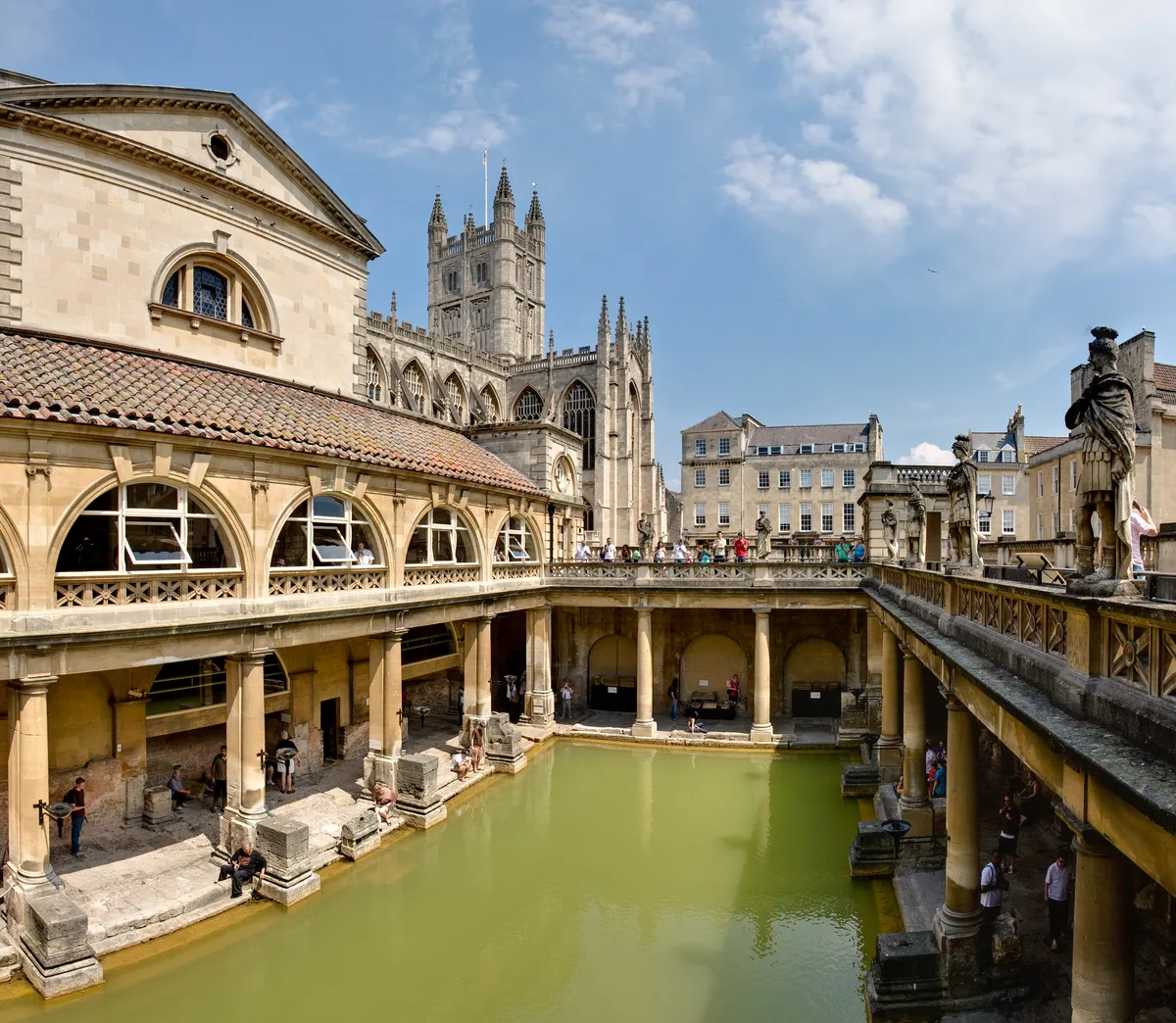
Roman Baths
Museums · 0.0 km

Indian Temptation
Restaurants · 0.0 km

The Roman Baths
Archaeological sites · 0.0 km

Rebecca Fountain
National landscapes (AONB) · 0.1 km
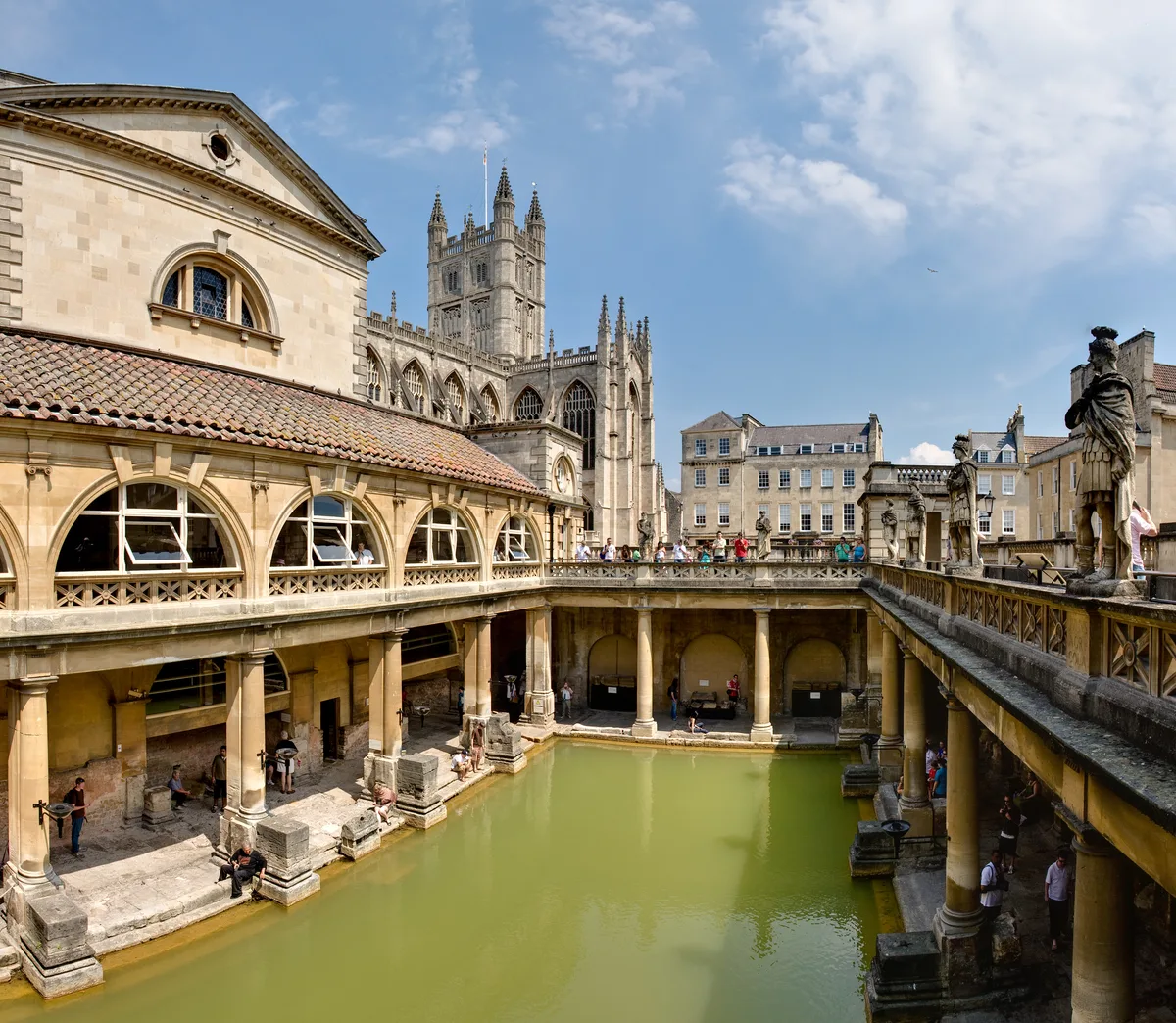
Aquae Sulis
Hill forts · 0.1 km
Nearby
📷 5📷 5Historic houses · South West England
General Wade's House
General Wade's House — Grade I listed house in Bath and North East Somerset, England, UK.
📷 5Historic houses · South West England
King's Bath
King's Bath — a Grade I-listed historic house in england-south-east, United Kingdom.
📷 5Natural landmarks · South West England
The Pump Room
The Pump Room — a other in england-south-east, United Kingdom.
📷 5Historic houses · South West England
North Colonnade at Grand Pump Room
North Colonnade at Grand Pump Room — a Grade I-listed historic house in england-south-east, United Kingdom.
Flagship📷 5Historic houses · South West England
Grand Pump Room
Grand Pump Room — a Grade I-listed historic house in england-south-east, United Kingdom.
Where to eat & stay near Bath
Places to stay
 📷 6
📷 6 📷 5
📷 5B&Bs · South West England
eight
eight — a bed-and-breakfast in england south east.
 📷 7
📷 7 📷 5
📷 5Hotels · South West England
The Gainsborough Bath Spa
The Gainsborough Bath Spa — a hotel in england south east.
 📷 5
📷 5Hostels · South West England
Bath Backpackers
Bath Backpackers — a hostel in england south east.
 📷 5
📷 5Hotels · South West England
Haringtons Hotel
Haringtons Hotel — a hotel in england south east.
Places to eat & drink
📷 5📷 5Restaurants · South West England
Indian Temptation
Indian Temptation — a restaurant in england south east.
 📷 7
📷 7Restaurants · South West England
Kokoro
Kokoro — a restaurant in england south east.
📷 5 📷 7
📷 7Cafés · South West England
The Mad Hatter's Tea Party
The Mad Hatter's Tea Party — a café in england south east.
 📷 5
📷 5Cafés · South West England
Cafe Pastel
Cafe Pastel — a café in england south east.
Other UNESCO sites from this era
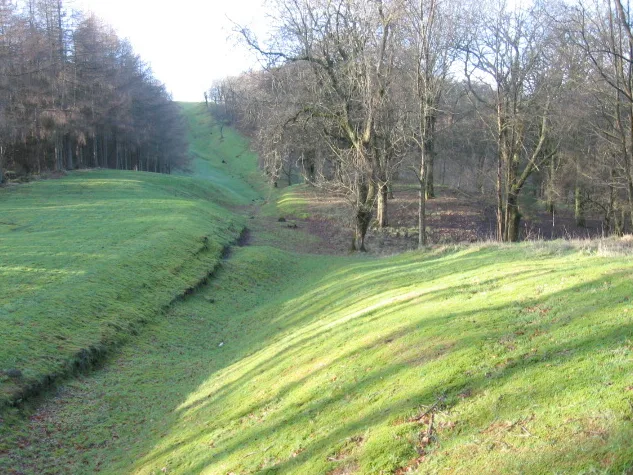 Flagship📷 4
UNESCO World Heritage · Central Scotland
Antonine Wall
Antonine Wall — defensive fortification in Roman Britain.
More UNESCO sites in this region
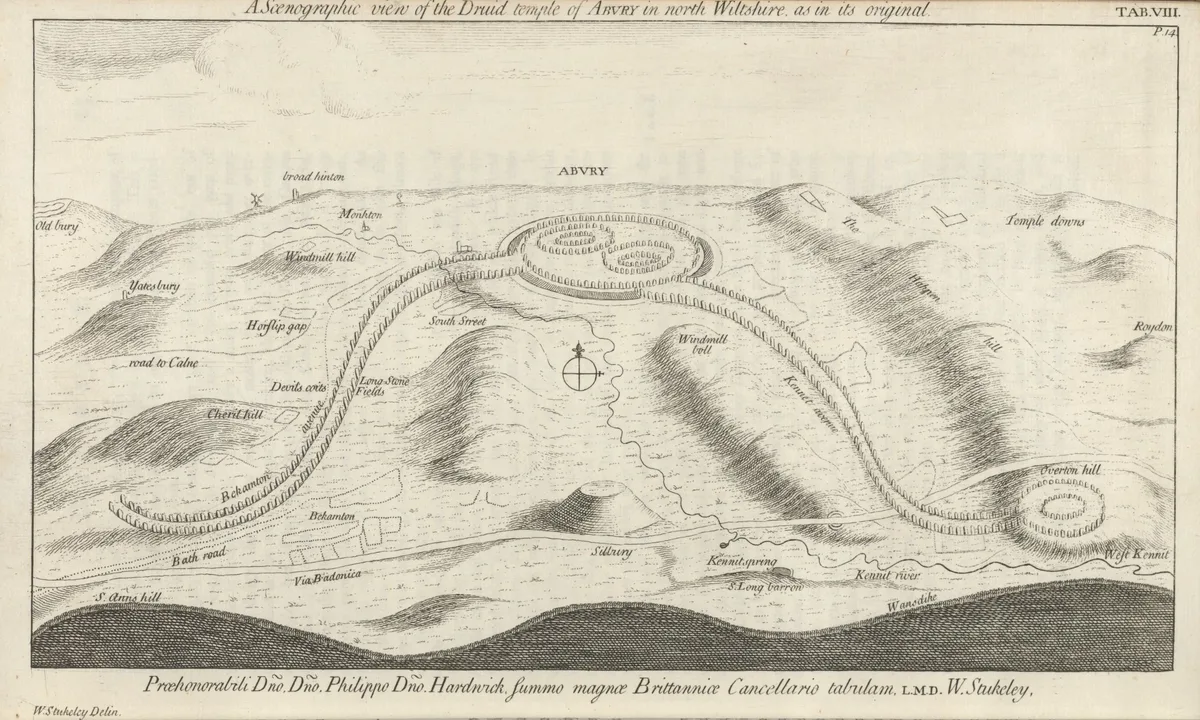 Flagship📷 10
UNESCO World Heritage · South West England
Beckhampton Avenue
Beckhampton Avenue — former avenue of stones in Wiltshire, England.
 ★ Iconic📷 10
UNESCO World Heritage · South West England
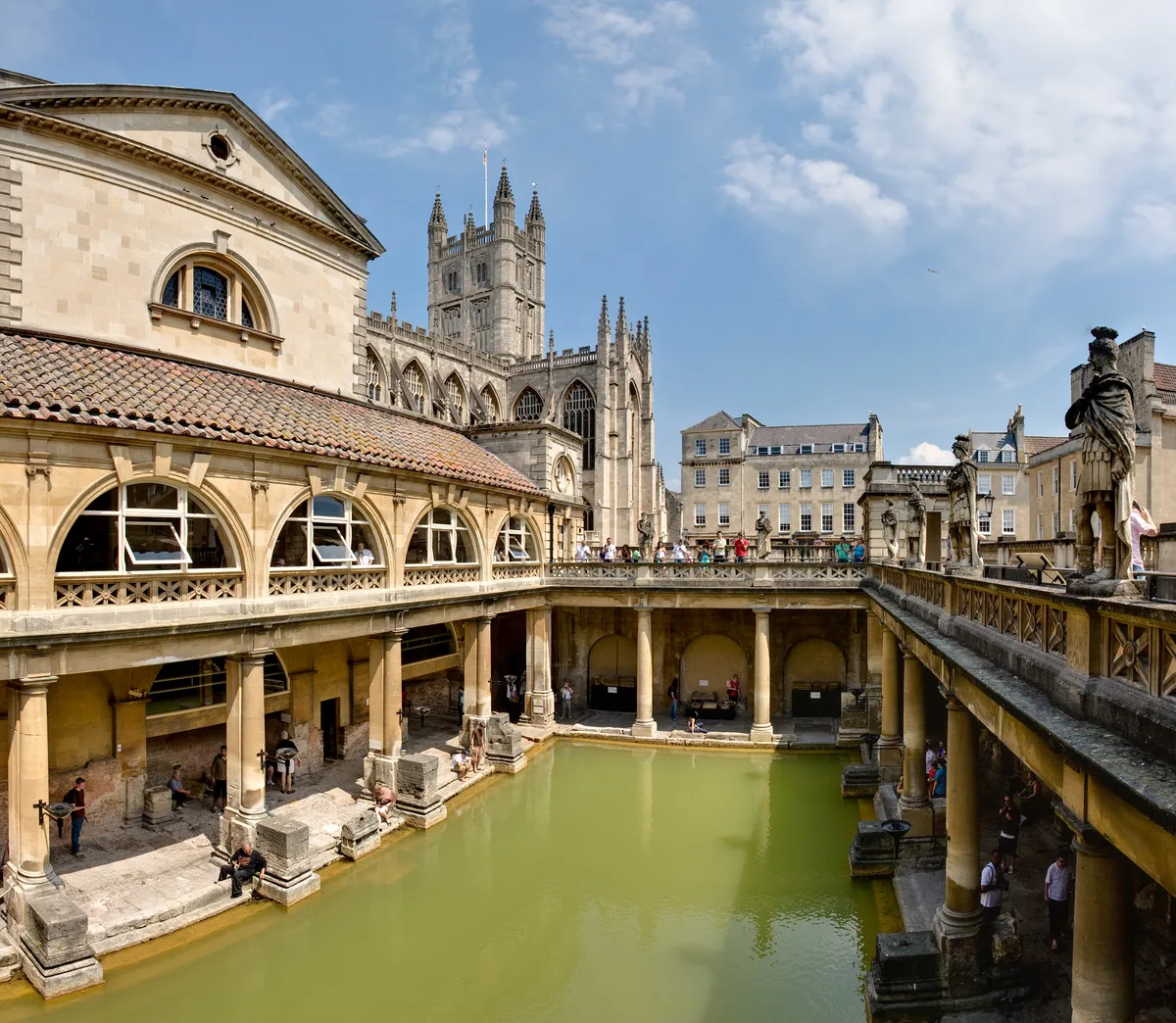
Buildings and architecture of Bath
Buildings and architecture of Bath — aspect of the city in Somerset, England.
 ★ Iconic📷 10
UNESCO World Heritage · South West England
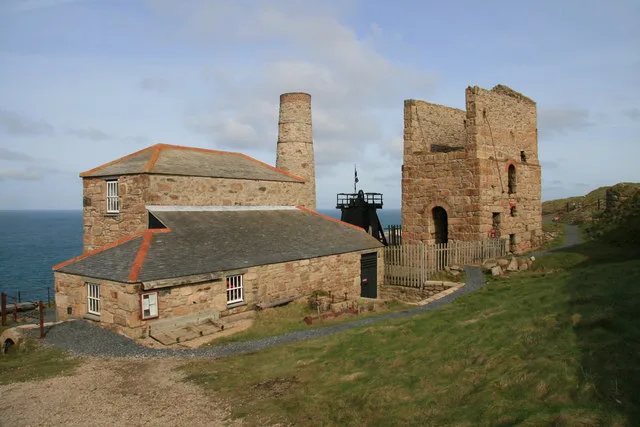
Cornwall and West Devon Mining Landscape
Cornwall and West Devon Mining Landscape is a UNESCO World Heritage Site in the United Kingdom.
 ★ Iconic📷 10
UNESCO World Heritage · South West England
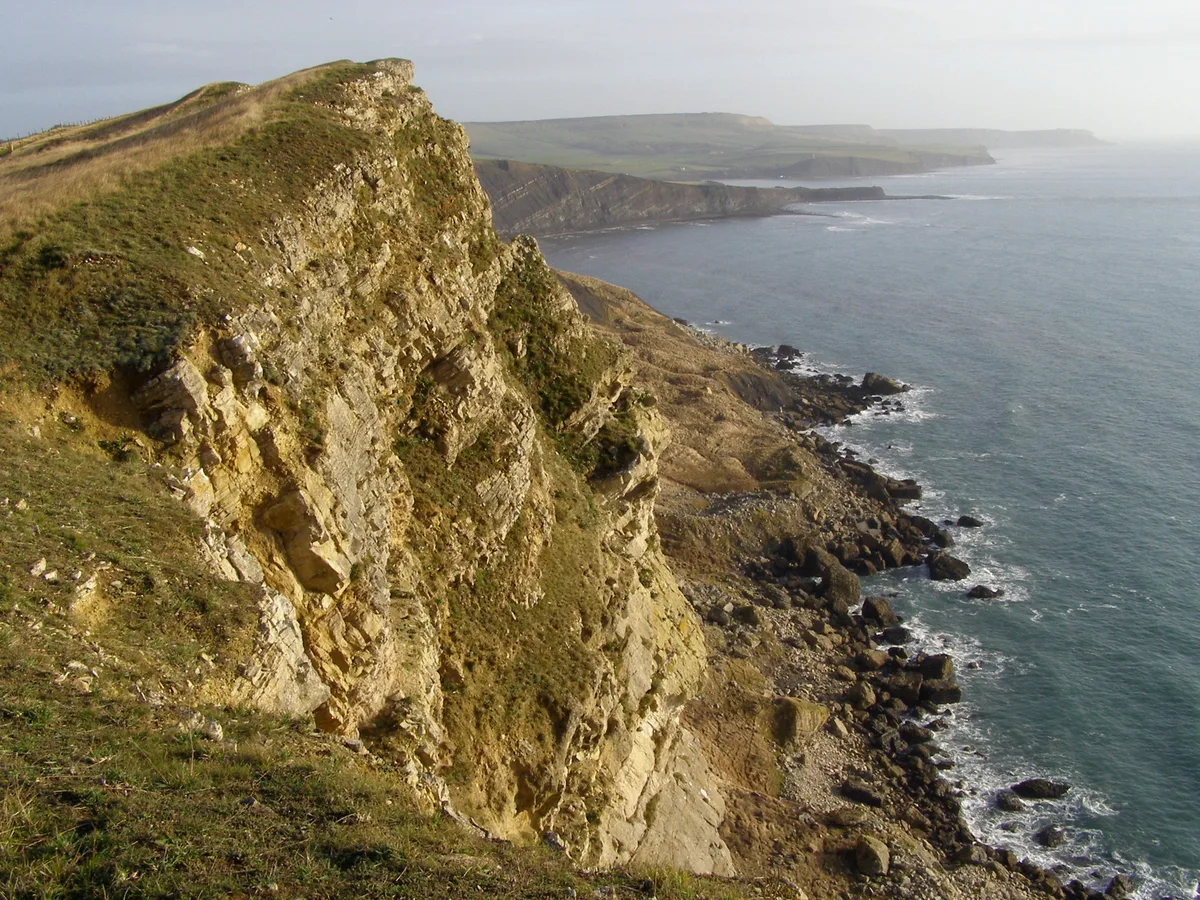
Jurassic Coast
Jurassic Coast — World Heritage Site in England.
Frequently asked questions
- Where is Bath?
- Bath is in South-West England, United Kingdom (postcode BA1 1LY), in the parish of Bath and North East Somerset, unparished area.
- What is Bath?
- Bath — city in Somerset, England, United Kingdom.
- How do I get to Bath?
- The nearest railway station is Bath Spa, about 0.5 km away. The nearest town is Bathford. Drivers can use postcode BA1 1LY.
- When was Bath built?
- Built or established in 43.
- Is Bath a protected site?
- Yes — Bath is part of the Combe Down and Bathampton Down Mines SSSI Site of Special Scientific Interest and the Cotswolds National Landscape (AONB).
- Is Bath free to visit?
- Yes, Bath is free to enter.
- How do I get to Bath?
- The nearest railway station is Bath Spa, about 0.5 km away. Drivers can navigate to postcode BA1 1LY.