
UNESCO World Heritage · South West England
Buildings and architecture of Bath
In or near Limpley Stoke.
Buildings and architecture of Bath — aspect of the city in Somerset, England.

Wikimedia Commons contributors — see linked file page for photographer and licence licence

Plan your visit
- Typical visit
- 2 h–4 h
- Nearest railway station
- Bath Spa · 1.3 km
- Free entry
Getting there & planning your visit
To visit the Buildings and architecture of Bath, the nearest railway station is Bath Spa, located 1.3 km away. The postcode for navigation is BA2 5AR. Entry details are not specified, so please check in advance for any fees or accessibility options.
About
Buildings and architecture of Bath is inscribed on the UNESCO World Heritage List. Wikidata describes it as: "aspect of the city in Somerset, England". Coordinates: 51.3667°, -2.3500°.
Photo gallery
Summary from the official site
Perrymead Cemetery is Bath's Catholic cemetery, opened in 1856, and is still in use today. It features a chapel and a separate chapel for the Eyre family, with historical burial records dating back to its establishment. The cemetery is adjacent to Bath Abbey cemetery and is maintained by volunteers.
Read more on the official property page.
Protected designations
- Site of Special Scientific Interest: Combe Down and Bathampton Down Mines SSSI
- Area of Outstanding Natural Beauty: Cotswolds
Designations sourced from Natural England open data under OGL v3.
From the Wikipedia article
The buildings and architecture of Bath, a city in Somerset in the south west of England, reveal significant examples of the architecture of England, from the Roman Baths (including their significant Celtic presence), to the present day. The city became a World Heritage Site in 1987, largely because of its architectural history and the way in which the city landscape draws together public and private buildings and spaces. The many examples of Palladian architecture are purposefully integrated with the urban spaces to provide "picturesque aestheticism". In 2021, the city was added to a second World Heritage Site, a group of historic spa towns across Europe known as the "Great Spas of Europe". Bath is the only entire city in Britain to achieve World Heritage status, and is a popular tourist destination. Important buildings include the Roman Baths; neoclassical architect Robert Adam's Pulteney Bridge, based on an unused design for the Rialto Bridge in Venice; and Bath Abbey in the city centre, founded in 1499 on the site of an 8th-century church. Of equal importance are the residential buildings designed and built into boulevards and crescents by the Georgian architects John Wood, the Elder and his son John Wood, the Younger – well-known examples being the Royal Crescent, built around 1770, and The Circus, built around 1760, where each of the three curved segments faces one of the entrances, ensuring that there is always a classical facade facing the entering visitor. Most of Bath's buildings are made from the local, golden-coloured, Bath Stone. The dominant architectural style is Georgian, which evolved from the Palladian revival style that became popular in the early 18th century. The city became a fashionable and popular spa and social centre during the 18th century. Based initially around its hot springs, this led to a demand for substantial homes and guest houses. The key architects, John Wood and his son, laid out many of the city's present-day squares and…
Excerpt from Wikipedia under CC BY-SA 4.0. See the source article linked in Sources below.
- Coordinates
- 51.3667, -2.3500
- District
- Bath and North East Somerset
- Parish
- Bath and North East Somerset, unparished area
- Postcode
- BA2 5AR
- Parliamentary constituency
- Bath
- Nearest railway station
- Bath Spa — 1.3 km
- Official site
- www.batharchives.co.uk
Sources
- wikidata: Q4986623 (CC0)
- wikipedia: Buildings and architecture of Bath (CC BY-SA 4.0)
- commons: Roman Baths in Bath Spa, England - July 2006.jpg (CC BY-SA 4.0)
Other places nearby

Parish of Lyncombe and Widcombe Parish Boundary Stone
Memorials & monuments · 0.3 km
.jpg?width=1200)
Perrymead Catholic Cemetery
Cemeteries · 0.4 km

Cascade
Waterfalls · 0.4 km

Prior Park
Historic houses · 0.4 km

Bridge To Pool Approx 50M N Of The Church Of St Paul
Historic bridges · 0.4 km
Bath Abbey Cemetery
Cemeteries · 0.5 km

East Wing And Porte Cochere
Historic houses · 0.6 km

Combe Down War Memorial
Memorials & monuments · 0.6 km

Terrace Balustrade To Forecourt, Widcombe Manor
Historic houses · 0.8 km
Fountain At Widcombe Manor House
Manor houses · 0.8 km
Gate Piers, Gates And Boundary Walls To South Of Widcombe Manor
Piers · 0.8 km

Old Manor Farm Grotto
Memorials & monuments · 0.8 km
Nearby
📷 5Memorials & monuments · South West England
Parish of Lyncombe and Widcombe Parish Boundary Stone
Parish of Lyncombe and Widcombe Parish Boundary Stone — a memorial in england-south-east, United Kingdom.
📷 5Cemeteries · South West England
Perrymead Catholic Cemetery
Perrymead Catholic Cemetery is a cemetery in the United Kingdom.
📷 5📷 5Historic houses · South West England
Prior Park
Prior Park — grade I listed Palladian building in south west England.
📷 5Historic bridges · South West England
Bridge To Pool Approx 50M N Of The Church Of St Paul
Bridge To Pool Approx 50M N Of The Church Of St Paul — Grade II listed building-listed bridge in england-south-east, United Kingdom.
📷 5Cemeteries · South West England
Bath Abbey Cemetery
Bath Abbey Cemetery is a cemetery in the United Kingdom.
Where to eat & stay near Buildings and architecture of Bath
Places to stay
 📷 5
📷 5Hotels · South West England
Wentworth House
Wentworth House — a hotel in england south east.
 📷 5
📷 5B&Bs · South West England
Bloomfield House
Bloomfield House — a bed-and-breakfast in england south east.
 📷 5
📷 5Hotels · South West England
Royal Hotel
Royal Hotel — a hotel in england south east.
 📷 5
📷 5B&Bs · South West England
Brindleys
Brindleys — a bed-and-breakfast in england south east.
 📷 7
📷 7 📷 5
📷 5Places to eat & drink
 📷 5
📷 5Cafés · South West England
The Darling Deli Kitchen
The Darling Deli Kitchen — a café in england south east.
 📷 5
📷 5Historic pubs · South West England
Cross Keys Inn
Cross Keys Inn in England South West, United Kingdom.
 📷 5
📷 5Cafés · South West England
Bath City Cafe
Bath City Cafe — a café in england south east.
 📷 5
📷 5Cafés · South West England
Cafe Pastel
Cafe Pastel — a café in england south east.
 📷 5
📷 5Cafés · South West England
Caffè Nero
Caffè Nero — a café in england south east. Cuisine: coffee shop. Brand: Caffè Nero.
 📷 5
📷 5More UNESCO sites in this region
 Flagship📷 10
UNESCO World Heritage · South West England
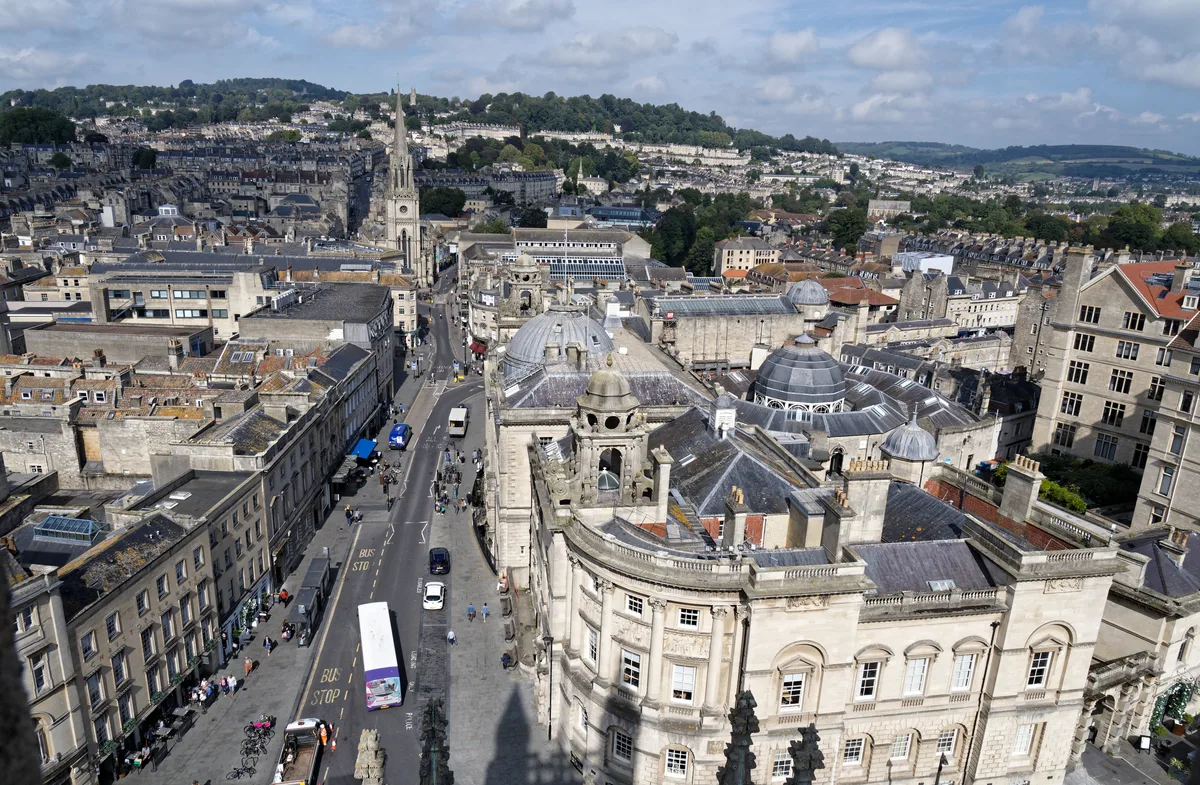
Bath
Bath — city in Somerset, England, United Kingdom.
 Flagship📷 10
UNESCO World Heritage · South West England
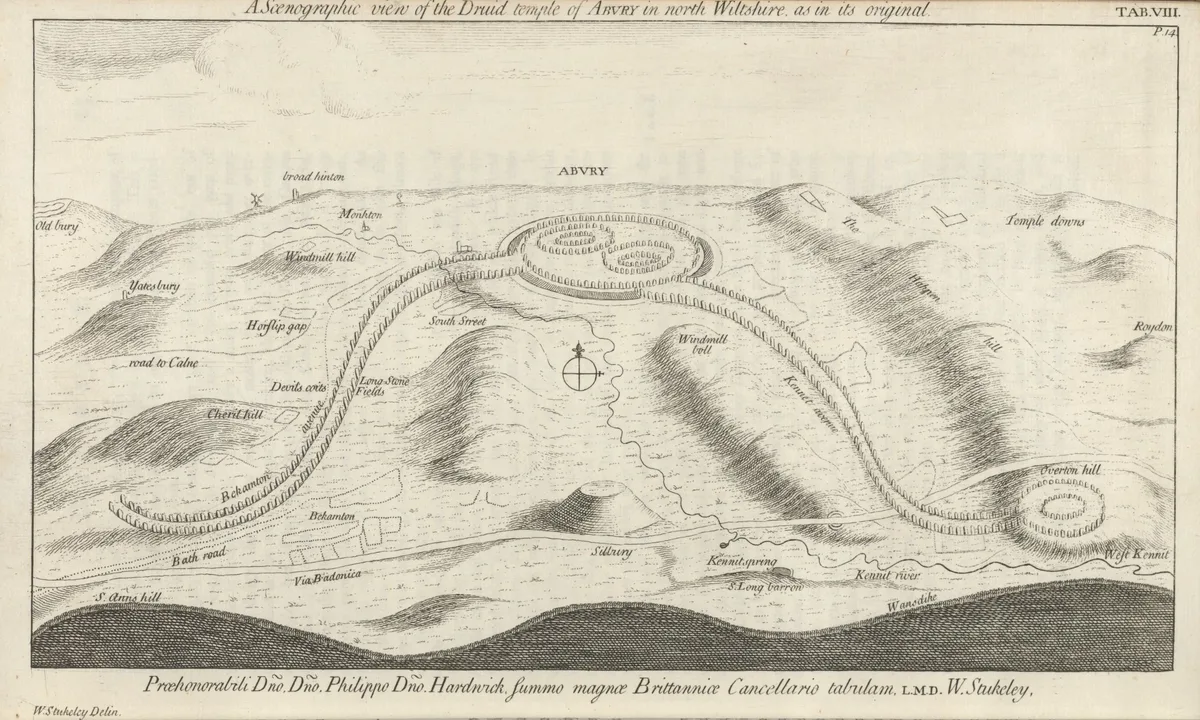
Beckhampton Avenue
Beckhampton Avenue — former avenue of stones in Wiltshire, England.
 ★ Iconic📷 10
UNESCO World Heritage · South West England
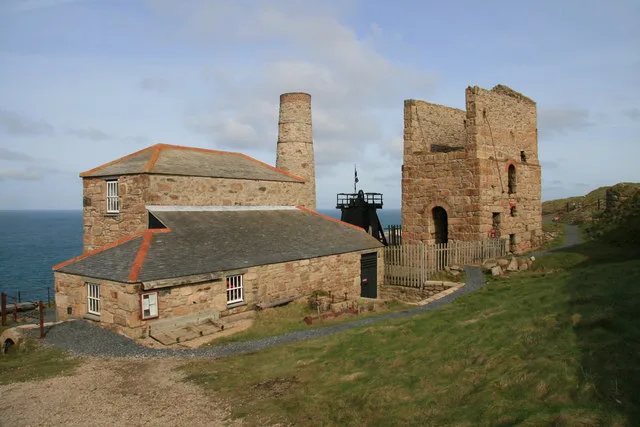
Cornwall and West Devon Mining Landscape
Cornwall and West Devon Mining Landscape is a UNESCO World Heritage Site in the United Kingdom.
 ★ Iconic📷 10
UNESCO World Heritage · South West England
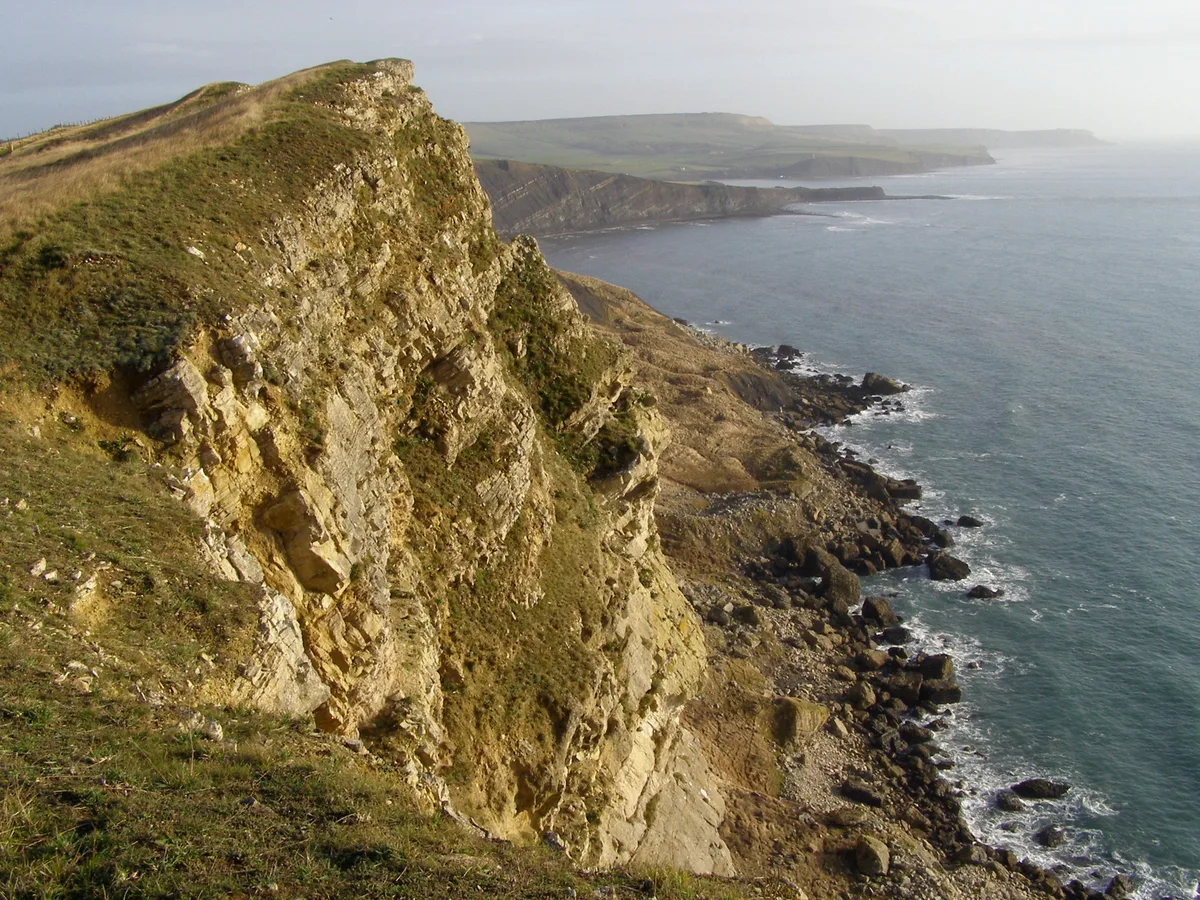
Jurassic Coast
Jurassic Coast — World Heritage Site in England.
Frequently asked questions
- Where is Buildings and architecture of Bath?
- Buildings and architecture of Bath is in South-West England, United Kingdom (postcode BA2 5AR), in the parish of Bath and North East Somerset, unparished area.
- What is Buildings and architecture of Bath?
- Buildings and architecture of Bath — aspect of the city in Somerset, England.
- How do I get to Buildings and architecture of Bath?
- The nearest railway station is Bath Spa, about 1.3 km away. The nearest town is Limpley Stoke. Drivers can use postcode BA2 5AR.
- Is Buildings and architecture of Bath a protected site?
- Yes — Buildings and architecture of Bath is part of the Combe Down and Bathampton Down Mines SSSI Site of Special Scientific Interest and the Cotswolds National Landscape (AONB).
- Is Buildings and architecture of Bath free to visit?
- Yes, Buildings and architecture of Bath is free to enter.
- How do I get to Buildings and architecture of Bath?
- The nearest railway station is Bath Spa, about 1.3 km away. Drivers can navigate to postcode BA2 5AR.