
Natural landmarks · Northern Ireland
Banbridge
In or near Corbet.
Banbridge in Northern Ireland, United Kingdom.

thejackrustles — CC BY-SA 2.0 via Wikimedia Commons licence

Plan your visit
- Typical visit
- 1 h–2 h
- Nearest railway station
- Scarva · 7.0 km
- Free entry
- Dog-friendly
Getting there & planning your visit
To visit Banbridge, the nearest railway station is Scarva, located 7 km away. The postcode for navigation is BT32 4HZ, and entry to the site is free.
About
Banbridge is a place of interest in Northern Ireland, United Kingdom — drawn from open-data sources for visitor reference. See the linked Wikipedia article for the full description.
Photo gallery
From the Wikipedia article
Banbridge ( ban-BRIJ) is a town in County Down, Northern Ireland. It lies on the River Bann and the A1 road and is named after a bridge built over the Bann in 1712. It is in the civil parish of Seapatrick and the historic barony of Iveagh Upper, Upper Half. The town began as a coaching stop on the road from Belfast to Dublin and thrived from Irish linen manufacturing. The town was home to the headquarters of the former Banbridge District Council. Following a reform of local government in Northern Ireland in 2015, Banbridge became part of Armagh City, Banbridge and Craigavon Borough Council. It had a population of 17,400 in the 2021 census. The town's main street is very unusual, rising to a steep hill before levelling out. In 1834 an underpass was built as horses with heavy loads would faint before reaching the top of the hill. It was built by William Dargan and is officially named 'Downshire Bridge', though it is often called "The Cut".
Excerpt from Wikipedia under CC BY-SA 4.0. See the source article linked in Sources below.
Background
History
Banbridge, home to the "Star of the County Down", is a relatively young town, first entering recorded history around 1691 during the aftermath of the struggle between William III and James II. An Outlawry Court was set up in the town to deal with the followers of James. The town grew up around the site where the main road from Belfast to Dublin crossed the River Bann over an Old Bridge which was situated where the present bridge now stands. The town owes its success to flax and the linen industry, becoming the principal linen producing district in Ireland by 1772 with a total of 26 bleachgreens along the Bann. By 1820 the town was the centre of the 'Linen Homelands' and its prominence grew…
Description
In 1920, Banbridge saw violence related to the ongoing Irish War of Independence and partition of Ireland. On the 17th July, the Irish Republican Army (IRA) assassinated British colonel Gerald Smyth in Cork. He had ordered police officers to shoot civilians if they did not immediately obey orders. In a 17 June 1920 speech at the Listowel, County Kerry Royal Irish Constabulary station Smyth is quoted as saying: "The more you shoot, the better I will like you, and I assure you no policeman will get into trouble for shooting any man." Smyth was from a wealthy Banbridge family, and his large funeral was held there on 21 July. After Smyth's funeral, about 3,000 Protestant loyalists took to the…
Sourced from Wikipedia under CC BY-SA 4.0.
- Coordinates
- 54.3430, -6.2600
- Postcode
- BT32 4HZ
- Parliamentary constituency
- Upper Bann
- Nearest railway station
- Scarva — 7 km
Sources
Other places nearby

solitude
Theatres · 0.7 km

From the Bridge to the Hills
Public art & sculpture · 0.8 km

Banbridge Town F.C.
Natural landmarks · 0.9 km

Iveagh Cinema
Theatres · 0.9 km

Downshire Bridge
Memorials & monuments · 0.9 km

Banbridge Town Hall
Historic houses · 0.9 km

Ballydown
Natural landmarks · 0.9 km
IMC Banbridge
Theatres · 1.0 km

Crozier Monument
Memorials & monuments · 1.0 km

Iveagh Movie Studios
Cinemas · 1.1 km

Banbridge Hospital
Natural landmarks · 1.2 km

Banbridge (BLBR) railway station
Natural landmarks · 1.4 km
Nearby
📷 4📷 3Public art & sculpture · Northern Ireland
From the Bridge to the Hills
From the Bridge to the Hills — a public art in northern-ireland, United Kingdom.
📷 3Natural landmarks · Northern Ireland
Banbridge Town F.C.
Banbridge Town F.C. in Northern Ireland, United Kingdom.
📷 5Theatres · Northern Ireland
Iveagh Cinema
Iveagh Cinema — a cinema heritage in northern-ireland, United Kingdom.
📷 3Memorials & monuments · Northern Ireland
Downshire Bridge
Downshire Bridge — a memorial in northern-ireland, United Kingdom.
📷 4Historic houses · Northern Ireland
Banbridge Town Hall
Banbridge Town Hall in Northern Ireland, United Kingdom.
Where to eat & stay near Banbridge
Places to stay
 📷 4
📷 4Caravan parks · Northern Ireland
Clare Glen Caravan Park
Clare Glen Caravan Park — a caravan park in northern ireland.
 📷 5
📷 5 📷 5
📷 5 📷 5
📷 5Campsites · Northern Ireland
Slieve Croob Camping
Slieve Croob Camping — a campsite in northern ireland.
 📷 5
📷 5Caravan parks · Northern Ireland
Kinnego Marina Camping & Caravanning
Kinnego Marina Camping & Caravanning — a caravan park in northern ireland.
 📷 5
📷 5Caravan parks · Northern Ireland
The Rock Caravan Site
The Rock Caravan Site — a caravan park in northern ireland.
Places to eat & drink
 📷 3
📷 3Historic pubs · Northern Ireland
Soma Festival
The Soma Festival (Sanskrit: सोम, or sóma, meaning drink of the Gods, see Soma (drink); Irish: Féile Soma) is an annual music, arts, and cultural festival. The festival includes concerts, musical perf
More natural landmarks in this region
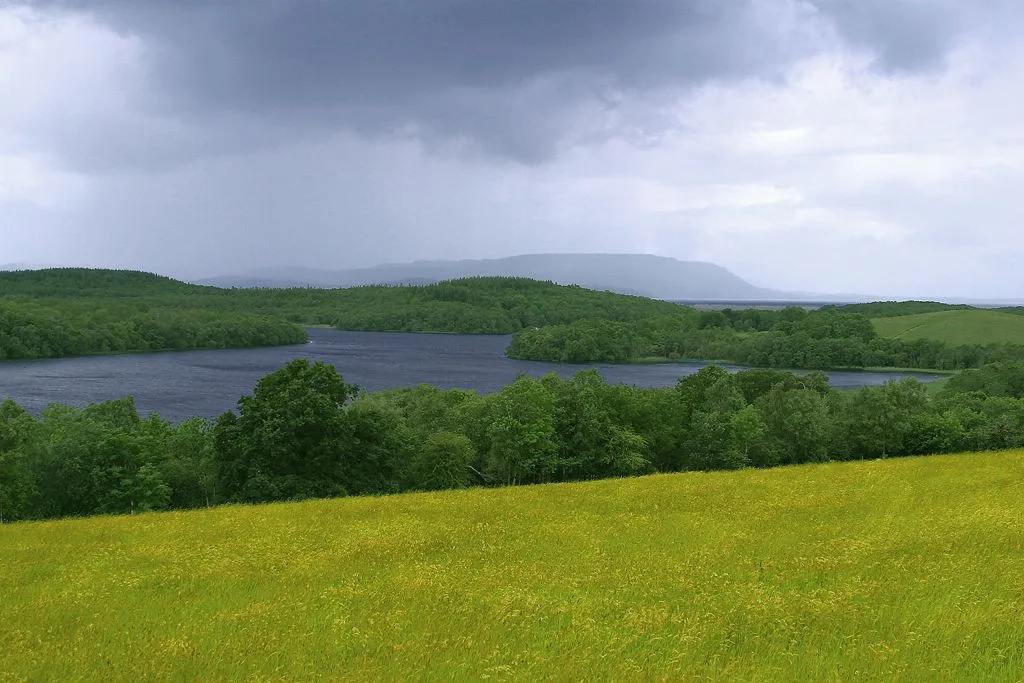 Flagship📷 4
Natural landmarks · Northern Ireland
Lough Erne
Lough Erne — lake in County Fermanagh, Northern Ireland, UK.
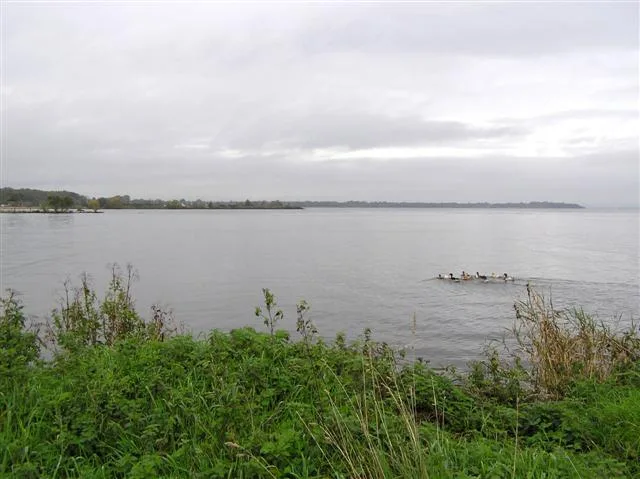 Flagship📷 4
Natural landmarks · Northern Ireland
Lough Neagh
Lough Neagh — large lake in Northern Ireland.
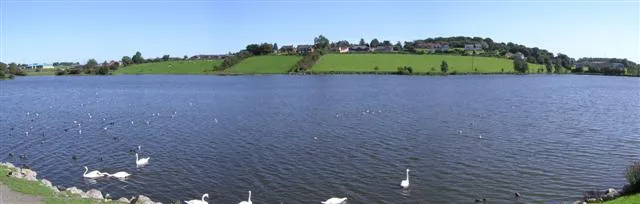 📷 3
📷 3Natural landmarks · Northern Ireland
Ballysaggart Lough
Ballysaggart Lough — lake in the United Kingdom.
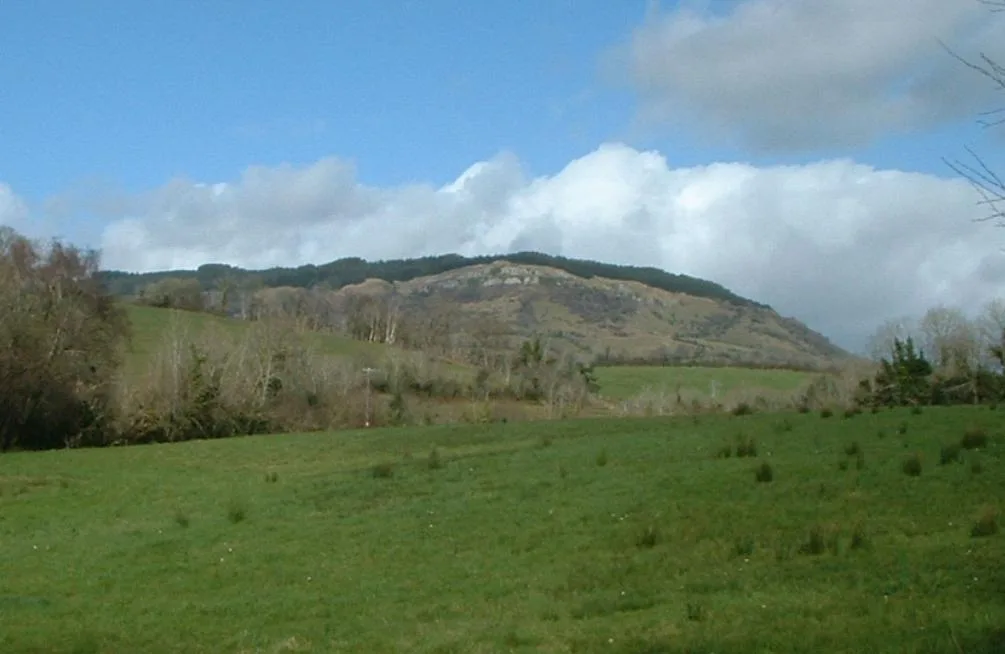 📷 5
📷 5Natural landmarks · Northern Ireland
Belmore Mountain
Belmore Mountain — mountain in the United Kingdom.
Frequently asked questions
- Where is Banbridge?
- Banbridge is in Northern Ireland, United Kingdom (postcode BT32 4HZ).
- What is Banbridge?
- Banbridge in Northern Ireland, United Kingdom.
- How do I get to Banbridge?
- The nearest railway station is Scarva, about 7.0 km away. The nearest town is Corbet. Drivers can use postcode BT32 4HZ.
- Is Banbridge free to visit?
- Yes, Banbridge is free to enter.
- How do I get to Banbridge?
- The nearest railway station is Scarva, about 7.0 km away. Drivers can navigate to postcode BT32 4HZ.