
Cathedrals · Yorkshire & the Humber
York Minster
In or near York.
York Minster — cathedral of York, North Yorkshire, England, UK.

Wikimedia Commons contributors — see linked file page for photographer and licence licence

Plan your visit
- Typical visit
- 1 h–2 h
- Best time of year
- Year-round
- Nearest railway station
- York · 0.9 km
- Paid entry
- Family-friendly
- Wheelchair accessible
Getting there & planning your visit
To visit York Minster, the nearest railway station is York, located 0.9 km away. Entry is paid, and the site is wheelchair accessible. The postcode for sat-nav is YO1 7HH.
About
York Minster is a cathedral in the United Kingdom — the principal church of a diocese. Records date its origin to 1220. Built in the English Gothic architecture style. Constructed primarily of limestone. Heritage designation: Grade I listed building. Affiliated with Anglicanism. Named after Saint Peter. Wikidata describes it as: "cathedral of York, North Yorkshire, England, UK". Coordinates: 53.9619°, -1.0819°.
Photo gallery
360° viewimagery from 2006
Imagery © Mapillary contributors, CC BY-SA 4.0
Heritage listing
York Minster, formally the Cathedral and Metropolitan Church of Saint Peter in York, is an Anglican cathedral in the city of York, North Yorkshire, England. The minster is the seat of the archbishop of York, the second-highest office of the Church of England, and is the mother church for the diocese of York and the province of York. It is administered by its dean and chapter. The minster is a Grade I listed building and a scheduled monument. The first record of a church on the site dates to 627; the title "minster" also dates to the Anglo-Saxon period, originally denoting a missionary teaching church and now an honorific. The minster undercroft contains re-used fabric of c. 1160, but the bulk of the building was constructed between 1220 and 1472.
From the Historic England List Entry under OGL v3.
Summary from the official site
York Minster is a historic cathedral and the center of Christianity in northern England, dating back to the 7th century. Visitors can explore its stunning architecture, including handcrafted stonework and a remarkable collection of medieval stained glass.
Read more on the official property page.
From the Wikipedia article
York Minster, formally the Cathedral and Metropolitan Church of Saint Peter in York, is an Anglican cathedral in the city of York, North Yorkshire, England. The minster is the seat of the archbishop of York, the second-highest office of the Church of England, and is the mother church for the diocese of York and the province of York. It is administered by its dean and chapter. The minster is a Grade I listed building and a scheduled monument. The first record of a church on the site dates to 627; the title "minster" also dates to the Anglo-Saxon period, originally denoting a missionary teaching church and now an honorific. The minster undercroft contains re-used fabric of c. 1160, but the bulk of the building was constructed between 1220 and 1472. It consists of Early English Gothic north and south transepts, a Decorated Gothic nave and chapter house, and a Perpendicular Gothic eastern arm and central tower. The minster retains most of its medieval stained glass, a significant survival among European churches. The east window, which depicts the Last Judgment, is the largest expanse of medieval stained glass in the world. The north transept contains the Five Sisters window, which consists of five lancets, each over 53 feet (16.3 m) high, filled with grisaille glass.
Excerpt from Wikipedia under CC BY-SA 4.0. See the source article linked in Sources below.
Background
History
A bishop of York was summoned to the Council of Arles in 314, indicating the presence of a Christian community in York at this time; however, archaeological evidence of Christianity in Roman York is limited. The first recorded church was a wooden structure built hurriedly in 627 to provide a place to baptise Edwin, King of Northumbria. The location of this church, and its pre-1080 successors, is unknown. It was probably in or beside the old Roman principia, (the military headquarters), which may have been used by the king when in residence in York. Archaeological evidence indicates the principia was located partly beneath the post-1080 Minster site, but excavations undertaken in 1967–73…
Architecture
York Minster is the second-largest Gothic cathedral of Northern Europe and clearly charts the development of English Gothic architecture from Early English through to the Perpendicular Period. The present building was begun in about 1230 and completed in 1472. York Minster is the largest cathedral completed during the Gothic period of architecture, Cologne Cathedral only being completed in 1880, after being left uncompleted for 350 years. It has a cruciform plan with an octagonal chapter house attached to the north transept, a central tower and two towers at the west front. The stone used for the building is magnesian limestone, a creamy-white coloured rock that was quarried in nearby…
Sourced from Wikipedia under CC BY-SA 4.0.
- Coordinates
- 53.9619, -1.0819
- District
- York
- Parish
- York, unparished area
- Postcode
- YO1 7HH
- Parliamentary constituency
- York Central
- Phone
- 08449390016
- Established
- 1220
- Nearest railway station
- York — 0.9 km
- Opening
- Daily 9:30am–4pm
- Official site
- www.yorkminster.org
Sources
- wikidata: Q252575 (CC0)
- wikipedia: York Minster (CC BY-SA 4.0)
- commons: York Minster from M&S.JPG (CC BY-SA 4.0)
- fsq: 4b474735f964a520022e26e3 (Apache-2.0)
Featured in these 5 guides
Itinerary
England's great cathedrals
From Norman austerity at Durham to Wren's dome at St Paul's.
Itinerary
A weekend in York
Roman walls, Viking streets, the largest Gothic cathedral in northern Europe — all in two square miles.
Itinerary
The 12 great English cathedrals
From Norman austerity at Durham to Wren's dome at St Paul's.
Itinerary
UK cathedrals by architectural style
Norman, Gothic, Perpendicular, Baroque — one cathedral each.
Itinerary
A weekend in York
The Minster, the walls, the Shambles — England's medieval north.
Other places nearby

Emperor Constantine
Cathedrals · 0.0 km

9 Minster Gates
Gardens · 0.0 km

Roman Column
Memorials & monuments · 0.0 km

10, Minster Yard
Gardens · 0.0 km

1 Minster Gates and 38 High Petergate
Gardens · 0.1 km

The Queen's Path
Memorials & monuments · 0.1 km
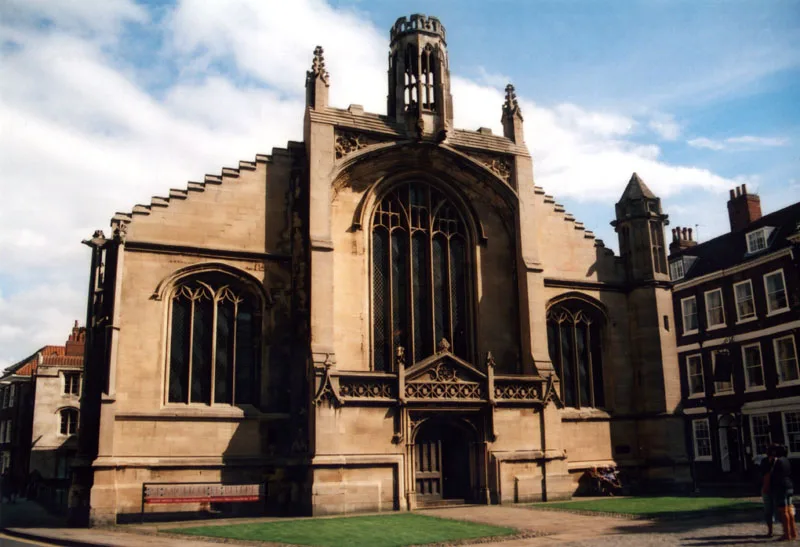
St Michael le Belfrey, York
Cathedrals · 0.1 km

37–39 Low Petergate and 51 Stonegate
Gardens · 0.1 km
.jpg?width=1200)
The Adams House
Historic houses · 0.1 km

41 and 43 Low Petergate
Gardens · 0.1 km

33, 33a and 35 High Petergate and 60 Stonegate
Gardens · 0.1 km

York Minster Undercroft
Museums · 0.1 km
Nearby
Flagship📷 5Cathedrals · Yorkshire & the Humber
Emperor Constantine
Emperor Constantine — Public artwork (statue).
📷 4Gardens · Yorkshire & the Humber
9 Minster Gates
9 Minster Gates — a garden in england-yorkshire, United Kingdom.
📷 3Memorials & monuments · Yorkshire & the Humber
Roman Column
Roman Column — Monument, dating to 1971.
📷 4Gardens · Yorkshire & the Humber
10, Minster Yard
10, Minster Yard — a garden in england-yorkshire, United Kingdom.
📷 5Gardens · Yorkshire & the Humber
1 Minster Gates and 38 High Petergate
1 Minster Gates and 38 High Petergate — a garden in england-yorkshire, United Kingdom.
📷 3Memorials & monuments · Yorkshire & the Humber
The Queen's Path
The Queen's Path — a memorial in england-yorkshire, United Kingdom.
Where to eat & stay near York Minster
Places to stay
 📷 5
📷 5 📷 5
📷 5Hotels · Yorkshire & the Humber
DoubleTree by Hilton York
DoubleTree by Hilton York — a hotel in england yorkshire. 4-star. Brand: DoubleTree.
 📷 5
📷 5Hotels · Yorkshire & the Humber
The Grand Hotel & Spa
The Grand Hotel & Spa — a hotel in england yorkshire.
 📷 5
📷 5Hotels · Yorkshire & the Humber
Watergate Inn
Watergate Inn — a hotel in england yorkshire.
 📷 5
📷 5 📷 5
📷 5Places to eat & drink
 📷 5
📷 5Restaurants · Yorkshire & the Humber
La Vecchia Scuola
La Vecchia Scuola — a restaurant in england yorkshire.
 📷 7
📷 7Historic pubs · Yorkshire & the Humber
The Snickleway Inn And Attached Buildings At Rear
The Snickleway Inn And Attached Buildings At Rear in England Yorkshire, United Kingdom.
 📷 5
📷 5Historic pubs · Yorkshire & the Humber
Eagle & Child
Eagle & Child in England Yorkshire, United Kingdom.
 📷 7
📷 7Historic pubs · Yorkshire & the Humber
The Roman Bath Public House
The Roman Bath Public House in England Yorkshire, United Kingdom.
 📷 5
📷 5Historic pubs · Yorkshire & the Humber
Golden Fleece Inn, York
Golden Fleece Inn, York in England Yorkshire, United Kingdom.
 📷 5
📷 5Historic pubs · Yorkshire & the Humber
The Black Swan Public House
The Black Swan Public House in England Yorkshire, United Kingdom.
Other cathedrals from this era
 📷 5
📷 5Cathedrals · South East England
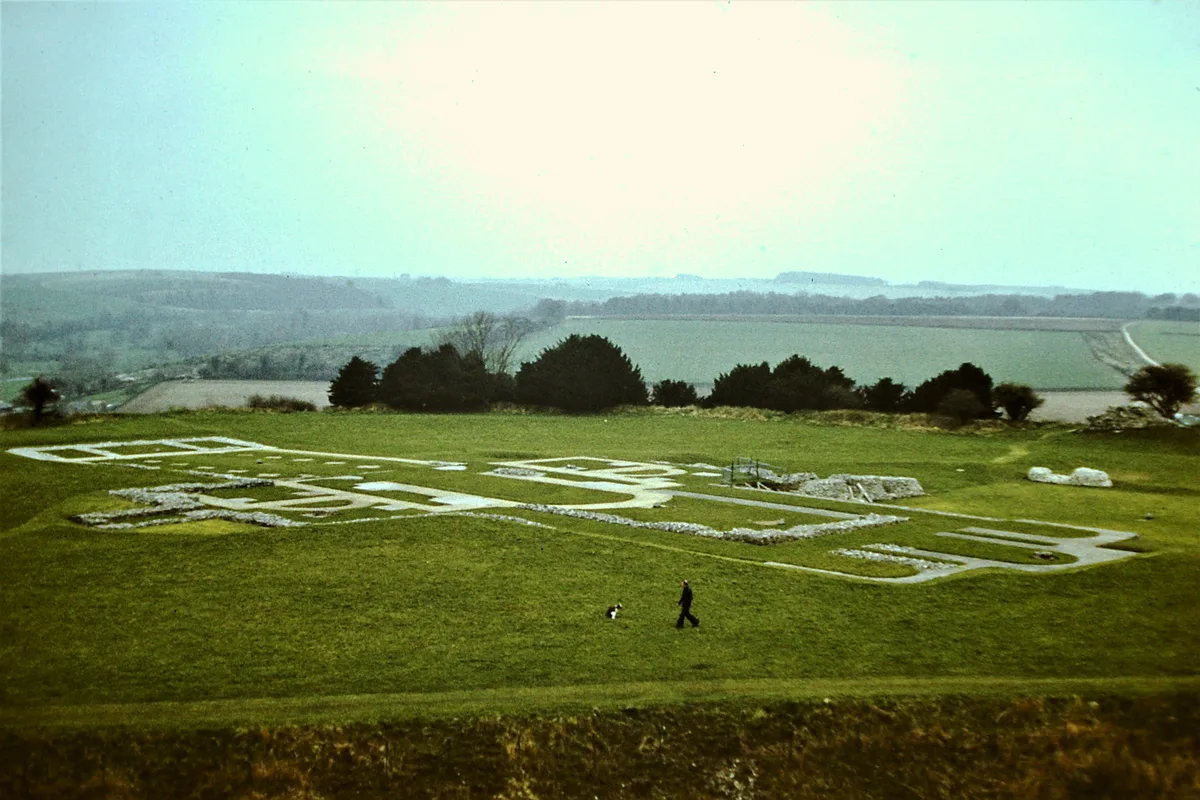
Old Sarum Cathedral
Old Sarum Cathedral — Grade I listed former cathedral in Salisbury, Wiltshire, England, UK.
 📷 3
📷 3Cathedrals · South East England
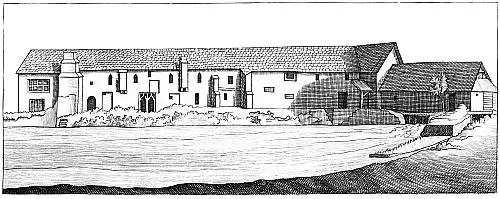
Osney Abbey
Osney Abbey — house of Augustinian canons at Osney in Oxfordshire, England, UK.
 ★ Iconic📷 4
Cathedrals · South West England
Salisbury Cathedral
Britain's tallest spire, single-style Early English Gothic, holds a Magna Carta original.
 ★ Iconic📷 4
Cathedrals · South West England
Wells Cathedral
First all-Gothic English cathedral, with the famous scissor arches and a 1390 clock.
More cathedrals in this region
Flagship📷 5Cathedrals · Yorkshire & the Humber
Emperor Constantine
Emperor Constantine — Public artwork (statue).
📷 3Cathedrals · Yorkshire & the Humber
St Michael le Belfrey, York
St Michael le Belfrey, York is a historic church in the United Kingdom.
 📷 3
📷 3Cathedrals · Yorkshire & the Humber
Gilling Abbey
Gilling Abbey is a cathedral in the United Kingdom.
 Flagship📷 5
Cathedrals · Yorkshire & the Humber
Ampleforth Abbey
Ampleforth Abbey is a cathedral in the United Kingdom.
Frequently asked questions
- Where is York Minster?
- York Minster is in Yorkshire, United Kingdom (postcode YO1 7HH), in the parish of York, unparished area.
- What is York Minster?
- York Minster — cathedral of York, North Yorkshire, England, UK.
- How do I get to York Minster?
- The nearest railway station is York, about 0.9 km away. The nearest town is York. Drivers can use postcode YO1 7HH.
- When was York Minster built?
- Built or established in 1220.
- Is York Minster a listed building?
- York Minster is officially recognised as Grade I listed building listed.
- How do I get to York Minster?
- The nearest railway station is York, about 0.9 km away. Drivers can navigate to postcode YO1 7HH.