
Islands · Scottish Islands
Yell
In or near Cullivoe.
Yell — island of the Shetland Islands, Scotland, UK.

Wikimedia Commons contributors — see linked file page for photographer and licence licence

Plan your visit
- Typical visit
- 4 h–12 h
- Free entry
- Family-friendly
- Dog-friendly
- Limited wheelchair access
Getting there & planning your visit
Yell is an island located in the Scottish Islands, with no nearest railway station or postcode available. Entry to the island is free, but accessibility is limited for wheelchair users.
About
Yell is a island in the United Kingdom. It covers approximately 212 km². Recent population estimates put it at around 966 people. Owned by National Trust for Scotland. Managed by National Trust for Scotland. Part of Shetland Islands. Wikidata describes it as: "island of the Shetland Islands, Scotland, UK". Coordinates: 60.6228°, -1.1000°.
Photo gallery
Summary from the official site
Yell is part of the Shetland Islands, known for its stunning natural beauty and diverse wildlife, including seabird colonies and seals. Visitors can explore the rugged coastline, enjoy scenic views, and look for otters in their natural habitat.
Read more on the official property page.
From the Wikipedia article
Yell is one of the North Isles of Shetland, Scotland. In the 2011 census it had a usually resident population of 966. It is the second largest island in Shetland after the Mainland with an area of 82 square miles (212 km2), and is the third most populous in the archipelago (fifteenth out of the islands in Scotland), after the Mainland and Whalsay. The island's bedrock is largely composed of Moine schist with a north–south grain, which was uplifted during the Caledonian mountain building period. Peat covers two-thirds of the island to an average depth of 1.5 metres (4.9 feet). Yell has been inhabited since the Neolithic times, and a dozen broch sites have been identified from the pre-Norse period. Norse rule lasted from the 9th to 14th centuries until Scottish control was asserted. The modern economy of the island is based on crofting, fishing, transport and tourism. The island claims to be the "Otter Capital of Britain" and has a diverse bird life including breeding populations of great and Arctic skuas. At times, whales and dolphins also appear off the coast. Notable buildings on the island include the 17th-century Old Haa of Brough in Burravoe, a merchant's house now converted to a museum and visitor centre. There are various folk tales and modern literary references to island life.
Excerpt from Wikipedia under CC BY-SA 4.0. See the source article linked in Sources below.
Background
History
on the Holm of Copister can clearly be seen in this view from Copister]] Yell has been inhabited since the Neolithic times. The evidence suggests a substantial population in the Pre-Norse period. One of the brochs is Burra Ness Broch. Only part of the wall remains, on the seaward side. This reaches around 3 m high in places. There are traces of earthen ramparts on the landward side, and remains of a structure which may have been a guard's cell. There are also remains of an Iron Age blockhouse fort at Burgi Geos. Burravoe's name derives partly from a nearby broch - the element "Burra" frequently being a corruption of the Norse for one. Yell's placenames reveal the presence of the Celtic…
Sourced from Wikipedia under CC BY-SA 4.0.
- Coordinates
- 60.6228, -1.1000
- Population
- 966
- Opening
- All year, daily
- Official site
- www.nts.org.uk
Sources
- wikidata: Q376068 (CC0)
- wikipedia: Yell, Shetland (CC BY-SA 4.0)
- commons: Bouster.jpg (CC BY-SA 4.0)
Featured in this guide
Other places nearby

Hill of Windhouse
Mountains & hills · 0.6 km
Hill of Camb
Mountains & hills · 1.0 km
Hill of Camb
Mountains & hills · 1.0 km

Windhouse Broch
Archaeological sites · 1.8 km

Windhouse Broch
Archaeological sites · 1.8 km

Wind Lodge Bod
Hostels · 1.9 km

Hill of Colvister
Mountains & hills · 2.0 km

Hill of Raga
Mountains & hills · 2.4 km

Saudi Field
Mountains & hills · 2.6 km

Hill of Basta
Mountains & hills · 2.7 km

Whale Firth
Natural landmarks · 2.8 km

Hill of Setter
Mountains & hills · 2.9 km
Nearby
📷 5Mountains & hills · Scottish Islands
Hill of Windhouse
Hill of Windhouse — mountain in scotland islands. Elevation: 90 m.
📷 5Mountains & hills · Scottish Islands
Hill of Camb
Hill of Camb — a hill or mountain in scotland islands.
📷 5Mountains & hills · Scottish Islands
Hill of Camb
Hill of Camb — mountain in scotland islands. Elevation: 126 m.
📷 3Archaeological sites · Scottish Islands
Windhouse Broch
Windhouse Broch — a archaeological in scotland-islands, United Kingdom.
📷 5Archaeological sites · Scottish Islands
Windhouse Broch
Windhouse Broch — archaeological in scotland islands.
📷 5Where to eat & stay near Yell
Places to stay
📷 5 📷 5
📷 5Caravan parks · Scottish Islands
Gardiesfauld Caravan Park
Gardiesfauld Caravan Park — a caravan park in scotland islands.
 📷 5
📷 5Campsites · Scottish Islands
Gardiesfauld Campsite
Gardiesfauld Campsite — a campsite in scotland islands.
 📷 5
📷 5 📷 5
📷 5Campsites · Scottish Islands
Burravoe Pier Trust Campsite
Burravoe Pier Trust Campsite — a campsite in scotland islands.
 📷 5
📷 5Hostels · Scottish Islands
Aithbank Camping Böd
Aithbank Camping Böd — a hostel in scotland islands.
More places run by National Trust for Scotland
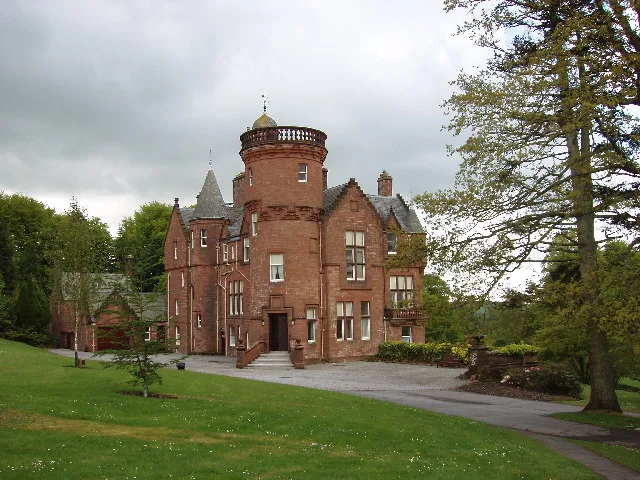 📷 3
📷 3Gardens · North West England
Threave Gardens
Threave Gardens is a garden in the United Kingdom.
 📷 3
📷 3Museums · Scottish Highlands
Angus Folk Museum
Angus Folk Museum — centre for agricultural history and rural life located near Forfar, Angus, Scotland, UK.
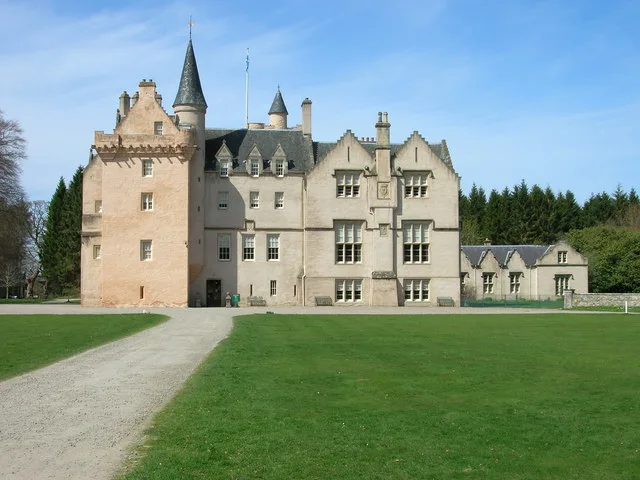 📷 3
📷 3Castles · Scottish Highlands
Brodie Castle
Brodie Castle — castle in Moray, Scotland, UK.
 📷 5
📷 5More places in this region
 📷 5
📷 5Islands · Scottish Islands
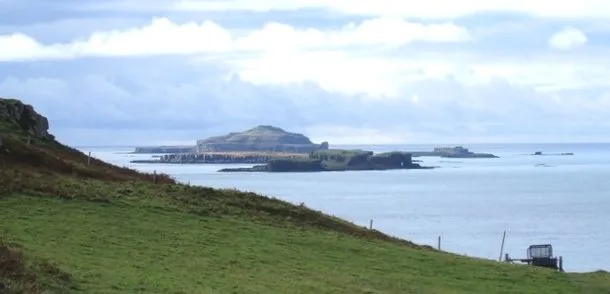
Bac Beag
Bac Beag — Scottish island, part of the Treshnish Isles in the Inner Hebrides.
 📷 5
📷 5Islands · Scottish Islands
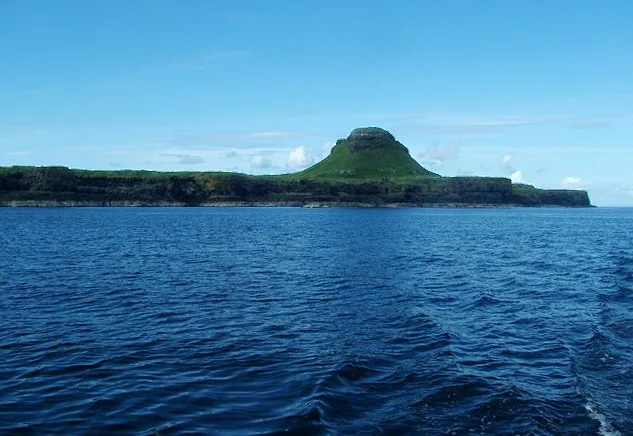
Bac Mòr
Bac Mòr — island in Argyll and Bute, Scotland, UK, one of the Treshnish Isles.
 Flagship📷 3
Islands · Scottish Islands
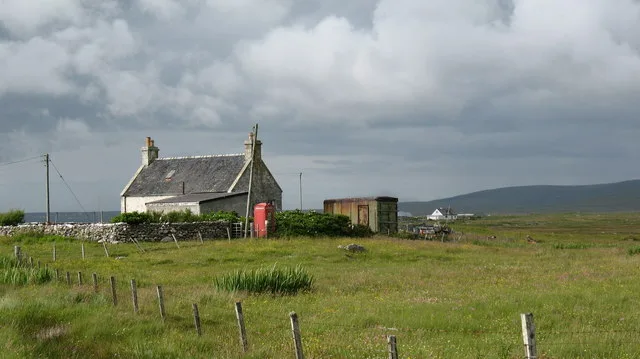
Baleshare
Baleshare — flat tidal island in the Outer Hebrides, Scotland, UK.
 Flagship📷 5
Islands · Scottish Islands
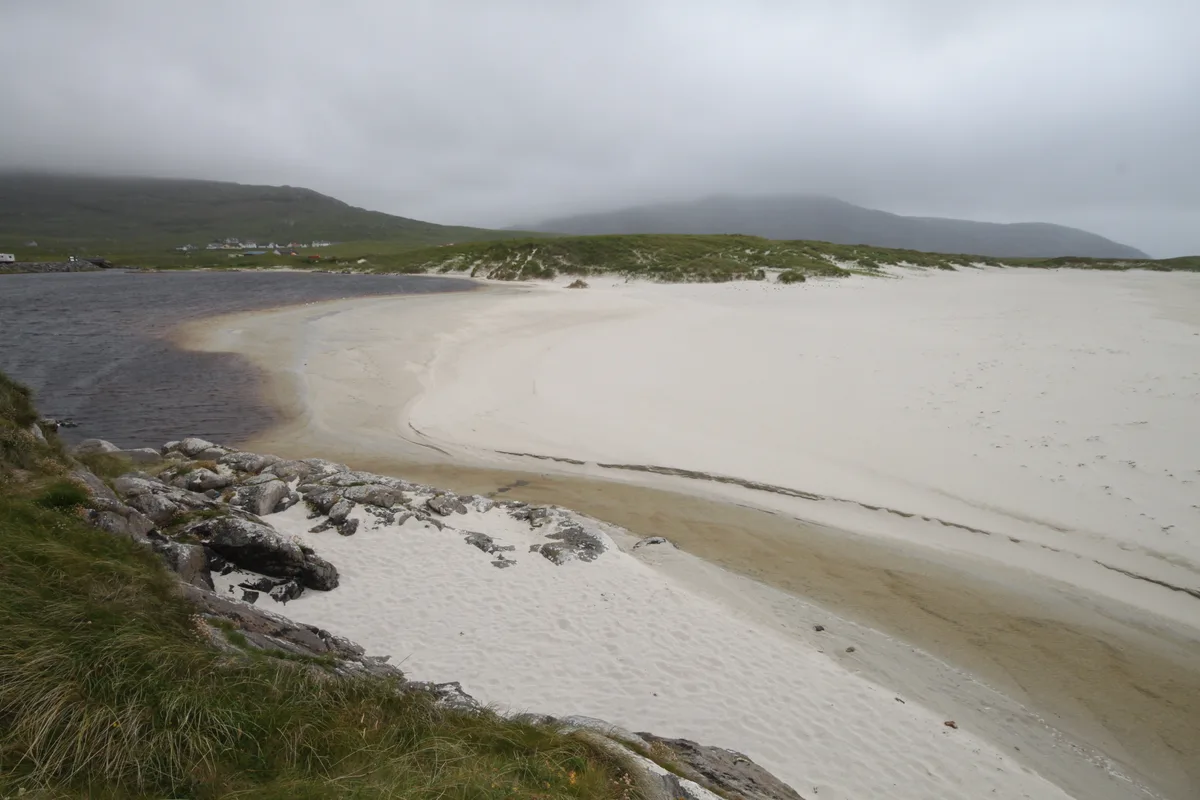
Barra
Barra — island in Outer Hebrides, Scotland, UK.
Frequently asked questions
- Where is Yell?
- Yell is in the Scottish Islands, United Kingdom.
- What is Yell?
- Yell — island of the Shetland Islands, Scotland, UK.
- How do I get to Yell?
- The nearest town is Cullivoe. Its coordinates are 60.6228°, -1.1000°.
- Who runs Yell?
- Yell is operated by National Trust for Scotland.
- Is Yell free to visit?
- Yes, Yell is free to enter.