
Stately homes · East of England
Wrentham Hall
In or near South Cove.
Wrentham Hall — now-demolished manor house in Suffolk, England.

Wikimedia Commons contributors — see linked file page for photographer and licence licence

Plan your visit
- Typical visit
- 2 h–4 h
- Nearest railway station
- Mutford Thorpe · 6.6 km
- Family-friendly
- Limited wheelchair access
Getting there & planning your visit
To visit Wrentham Hall, the nearest railway station is Mutford Thorpe, which is 6.6 km away. The postcode for sat-nav is NR34 7LZ. Accessibility is limited for wheelchair users.
About
Wrentham Hall is a stately home in the United Kingdom. Wikidata describes it as: "now-demolished manor house in Suffolk, England". Coordinates: 52.3940°, 1.6560°.
Photo gallery
Protected designations
- Site of Special Scientific Interest: Pakefield to Easton Bavents SSSI
- National Nature Reserve: BENACRE
- Area of Outstanding Natural Beauty: Suffolk Coast & Heaths
Designations sourced from Natural England open data under OGL v3.
From the Wikipedia article
Wrentham Hall was a large now-demolished Manor House to the north-west of the village of Wrentham, Suffolk, England and which stood on what is now Blackmoor Farm. The Tudor brick mansion of Wrentham Hall (now lost) is said to have been built around 1550 by Humphrey Brewster, Esq. (c. 1527-1593), the elder son of Robert Brewster (of a well-established Suffolk family) and his wife, daughter of Sir Christopher Edmonds of Cressing Temple, Essex. If so, he did not then hold the manor in chief. The lordship of Wrentham Southall, or Perpounds, belonged to Thomas Fiennes, 9th Baron Dacre (executed in 1541) and passed from his widow Lady Mary (Neville) to her son Gregory Fiennes, 10th Baron Dacre, who had licence to alienate the manor to trustees in 1571. So it became vested in his cousin Henry Norris, 1st Baron Norreys, who in 1576 had licence to alienate it to Humphrey Brewster. Brewster appears as lord of the manor of Wrentham Southall in a Chancery action brought by Thomas Butts in the time of Queen Elizabeth. The lordship of Wrentham Northall, or Poinings, belonged to Sir Thomas Radcliffe, 3rd Earl of Sussex, until 1567, when he sold it to Arthur Choute, who sold it to Humphrey Brewster in 1577. The Hall was built to a conventional Elizabethan E-plan. It passed down in the Brewster family from Humphrey to his son Francis (1566-1644) and from Francis to his son Robert Brewster (1599-1633), a Parliamentary commissioner during the Civil War and MP for both Dunwich and Suffolk. From Robert it passed to his son Francis (1623-1671), also MP for both constituencies, and then, Francis having no sons, to Francis' brother Robert (died 1681). After several more generations, it descended to Humphrey Brewster, who died unmarried in 1797. This is from The Gentlemen's Magazine 1797. Death In Dean Street Soho Humphrey Brewster esq of Wrentham Hall Suffolk, by a pistol Previous to this act he called for a glass of wine and water and had a second pistol grasped in his hand in case the…
Excerpt from Wikipedia under CC BY-SA 4.0. See the source article linked in Sources below.
- Coordinates
- 52.3940, 1.6560
- County
- Suffolk
- District
- East Suffolk
- Parish
- Wrentham
- Postcode
- NR34 7LZ
- Parliamentary constituency
- Suffolk Coastal
- Nearest railway station
- Mutford Thorpe — 6.6 km
Sources
- wikidata: Q24993443 (CC0)
- wikipedia: Wrentham Hall (CC BY-SA 4.0)
- commons: Wrentham Hall.jpg (CC BY-SA 4.0)
Other places nearby
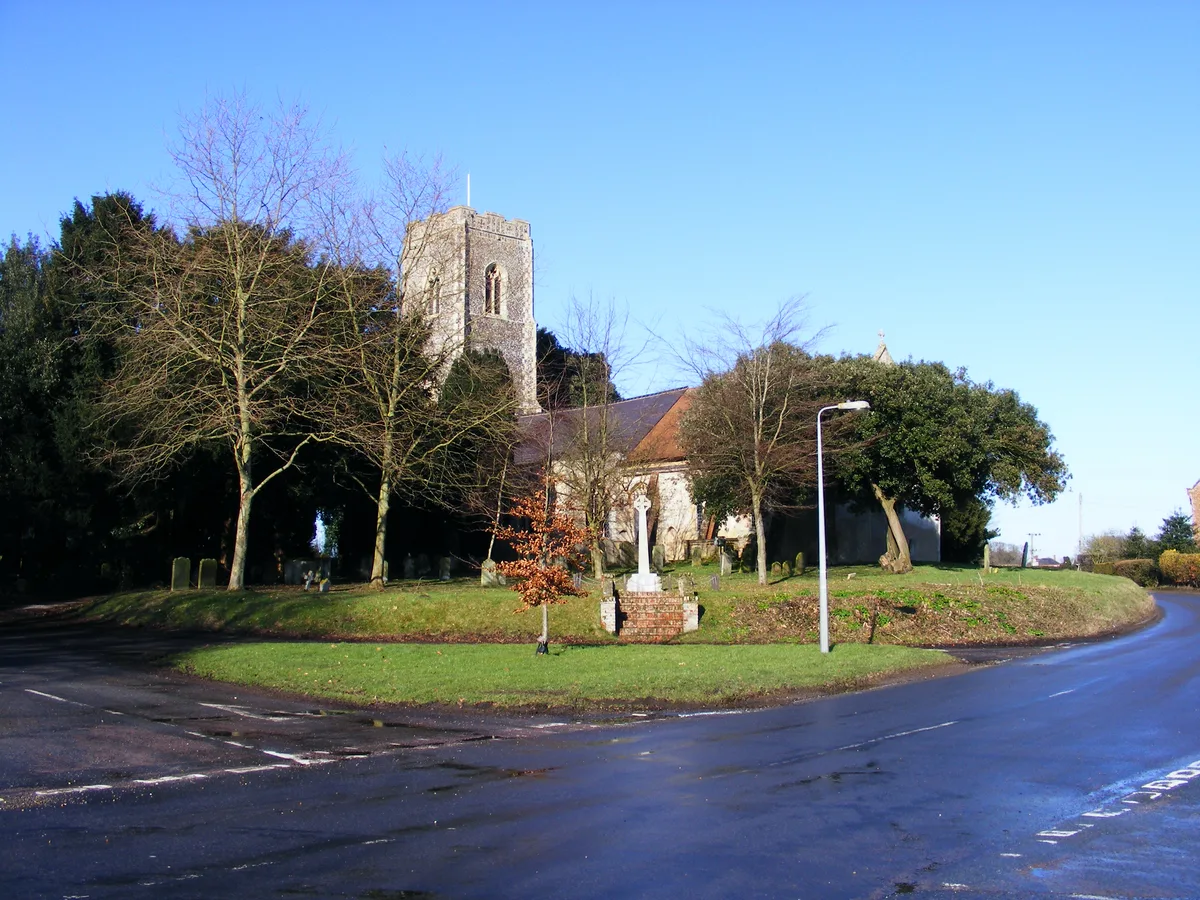
Church of St Nicholas
Historic churches · 0.6 km

Wrentham War Memorial
Memorials & monuments · 0.6 km

Marsh Farm
Campsites · 1.4 km

Old Reading Rooms
B&Bs · 1.4 km

Wrentham Village Sign
Public art & sculpture · 1.4 km

Benacre Hall
Gardens · 1.6 km
.jpg?width=1200)
Frostenden Hall
Historic houses · 2.0 km

Five Bells
Campsites · 2.0 km

Church of All Saints
Historic churches · 2.1 km

Frostenden War Memorial
Memorials & monuments · 2.1 km

Henstead with Hulver Street War Memorial
Memorials & monuments · 2.4 km

Henstead
Villages · 2.4 km
Nearby
📷 3Historic churches · East of England
Church of St Nicholas
Church of St Nicholas — church in Wrentham, Suffolk, England, UK.
📷 3Memorials & monuments · East of England
Wrentham War Memorial
Wrentham War Memorial — Grade II listed building-listed memorial in england-east, United Kingdom.
📷 3📷 6B&Bs · East of England
Old Reading Rooms
Old Reading Rooms — a bed-and-breakfast in england east.
📷 3Public art & sculpture · East of England
Wrentham Village Sign
Wrentham Village Sign — a public art in england-east, United Kingdom.
📷 5Where to eat & stay near Wrentham Hall
Places to stay
📷 3📷 6B&Bs · East of England
Old Reading Rooms
Old Reading Rooms — a bed-and-breakfast in england east.
📷 5 📷 5
📷 5Caravan parks · East of England
Kessingland Club Site
Kessingland Club Site — a caravan park in england east.
 📷 5
📷 5 📷 5
📷 5Caravan parks · East of England
Kessingland Beach Holiday Park
Kessingland Beach Holiday Park — a caravan park in england east. Brand: Parkdean Resorts.
Places to eat & drink
 📷 5
📷 5Historic pubs · East of England
Cherry Tree Public House
Cherry Tree Public House in England East, United Kingdom.
 📷 5
📷 5 📷 5
📷 5Historic pubs · East of England
Crown And Anchor Public House
Crown And Anchor Public House in England East, United Kingdom.
 📷 5
📷 5 📷 7
📷 7 📷 5
📷 5Historic pubs · East of England
Huntingfield Arms
Huntingfield Arms in England East, United Kingdom.
More places in this region
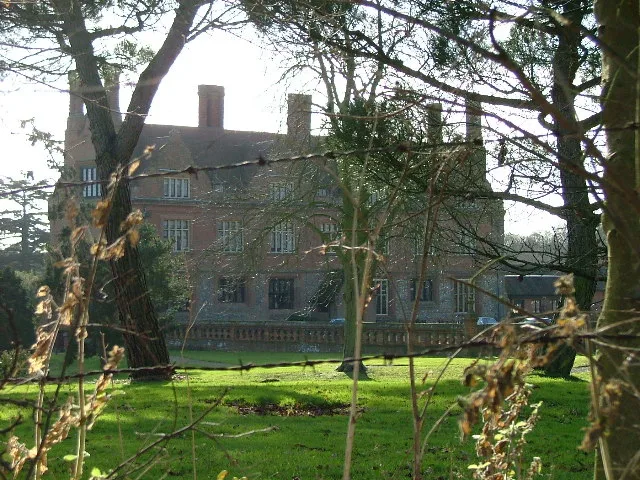 📷 5
📷 5Stately homes · East of England
Aston Bury
Aston Bury — manor house in Aston, Hertfordshire, England, UK.
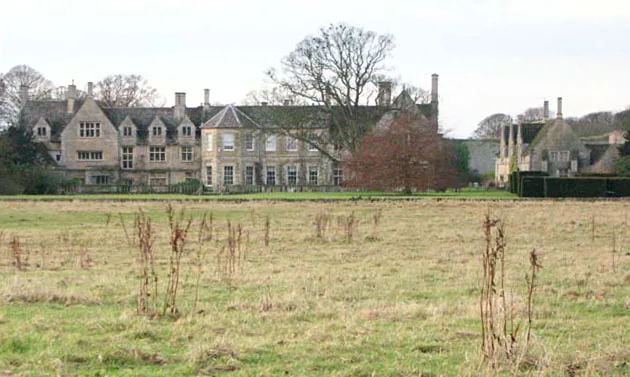 📷 5
📷 5Stately homes · East of England
Barnwell Manor
Barnwell Manor — manor house in Barnwell, Northamptonshire, England, UK.
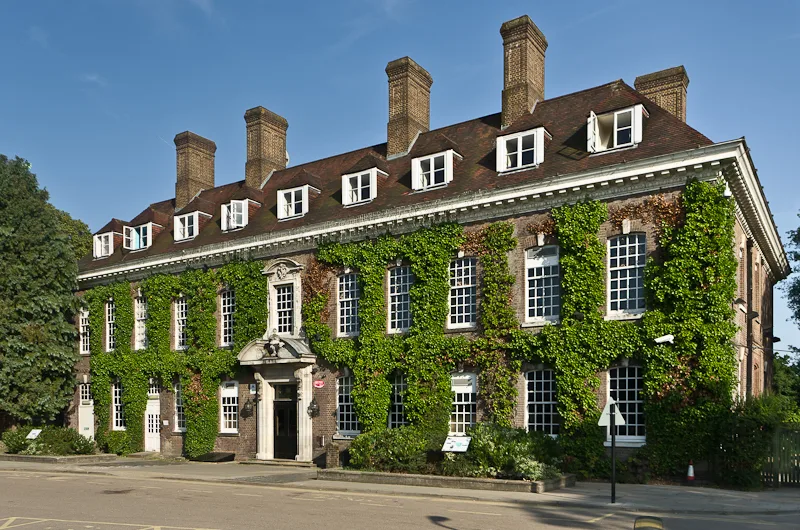 📷 5
📷 5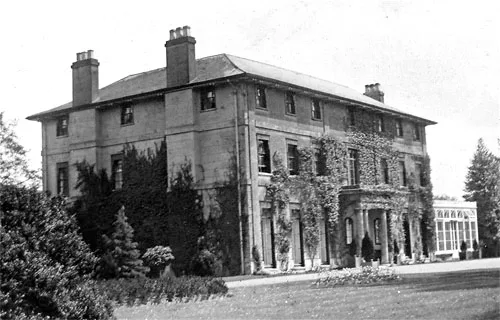 📷 5
📷 5Frequently asked questions
- Where is Wrentham Hall?
- Wrentham Hall is in Suffolk, East of England, United Kingdom (postcode NR34 7LZ), in the parish of Wrentham.
- What is Wrentham Hall?
- Wrentham Hall — now-demolished manor house in Suffolk, England.
- How do I get to Wrentham Hall?
- The nearest railway station is Mutford Thorpe, about 6.6 km away. The nearest town is South Cove. Drivers can use postcode NR34 7LZ.
- Is Wrentham Hall a protected site?
- Yes — Wrentham Hall is part of the Pakefield to Easton Bavents SSSI Site of Special Scientific Interest and the BENACRE National Nature Reserve.
- How do I get to Wrentham Hall?
- The nearest railway station is Mutford Thorpe, about 6.6 km away. Drivers can navigate to postcode NR34 7LZ.