
Museums · North West England
Weavers' Triangle
In or near Cliviger.
Weavers' Triangle — historic textie-producing area with a cotton museum in Lancashire, England.

Wikimedia Commons contributors — see linked file page for photographer and licence licence

Plan your visit
- Typical visit
- 1.5 h–3 h
- Best time of year
- Year-round
- Nearest railway station
- Burnley Manchester Road · 0.3 km
- Free entry
- Family-friendly
- Wheelchair accessible
Getting there & planning your visit
Weavers' Triangle is located in Burnley, Lancashire, with the postcode BB11 1JZ. The nearest railway station is Burnley Manchester Road, which is 0.3 km away. Entry is free, and the site is wheelchair accessible.
About
Weavers' Triangle is a museum in the United Kingdom. Records date its origin to 1980. Address: BB11 1JZ. Wikidata describes it as: "historic textie-producing area with a cotton museum in Lancashire, England". Coordinates: 53.7864°, -2.2461°.
Photo gallery
See it from the streetimagery from 2024
Imagery © Mapillary contributors, CC BY-SA 4.0
Official information
The Weavers' Triangle is a historic canalside area in Burnley, Lancashire, showcasing the region's rich textile heritage. Visitors can explore the Visitor Centre, Oak Mount Mill, and various exhibitions that highlight the history of the cotton industry.
From the Wikipedia article
The Weavers' Triangle is an area of Burnley in Lancashire, England consisting mostly of 19th-century industrial buildings at the western side of town centre clustered around the Leeds and Liverpool Canal. The area has significant historic interest as the cotton mills and associated buildings encapsulate the social and economic development of the town and its weaving industry. From the 1980s, the area has been the focus of major redevelopment efforts.
Excerpt from Wikipedia under CC BY-SA 4.0. See the source article linked in Sources below.
Background
History
In the 1700s, Burnley, like Marsden and Colne, was a centre of the wool industry. It switched to cotton in the first half of the 1800s. Hargreaves' hand-operated spinning jenny was introduced in Blackburn in 1767; the model patented had 16 sixteen spindles and was treated with suspicion. The spinning jenny produced thread suitable for weft. Arkwright's power-driven water frame, which produced the greater twist suitable for warp, was even more unpopular. In 1777, Arkwright built a mill at Birkacre in Chorley. By 1779, the momentum against power-driven spinning machinery was such that rioters destroyed it. Spinners and investors were driven from Blackburn and Burnley towards Manchester, and…
Architecture
The Weavers triangle is notable for the juxtaposition of so many 19th-century buildings rather than specific building. However, Ashmore, in his work on industrial archaeology, does point out certain specific buildings of interest.
Visiting
In 1977, the Burnley Industrial Museum Action Committee was formed to work for the preservation of the town's heritage. The Weavers' Triangle Toll House museum was established on 26 July 1980, and opened by Brian Redhead. and is staffed by volunteers the Weavers' Triangle Trust. It was initially housed in 2 rooms of the former canal offices on Manchester Road, but expanded into the adjacent wharfmaster's house in 1987 and was renamed to the Weavers' Triangle Visitor Centre. It has also received accreditation from Museums, Libraries and Archives Council. In 1993 they took over the engine house and chimney at Oak Mount Mill. In 1996, a project began to restore the steam engine at Oak Mount…
Sourced from Wikipedia under CC BY-SA 4.0.
- Coordinates
- 53.7864, -2.2461
- County
- Lancashire
- District
- Burnley
- Parish
- Burnley, unparished area
- Postcode
- BB11 1JZ
- Parliamentary constituency
- Burnley
- Established
- 1980
- Nearest railway station
- Burnley Manchester Road — 0.3 km
- Official site
- www.weaverstriangle.co.uk
Sources
- wikidata: Q7978380 (CC0)
- wikipedia: Weavers' Triangle (CC BY-SA 4.0)
- commons: Toll House - Weavers' Triangle - Leeds-Liverpool Canal - geograph.org.uk - 528589.jpg (CC BY-SA 4.0)
Other places nearby

Burnley Way
Military museums · 0.0 km

Borough of Burnley
Museums · 0.1 km

Burnley Mechanics
Open-air theatres · 0.2 km

Burnley Mechanics
Theatres · 0.2 km

Temperance Hall
Theatres · 0.2 km

Reel Cinema
Cinemas · 0.2 km

MFA Bowling Alley
Bowling alleys · 0.3 km
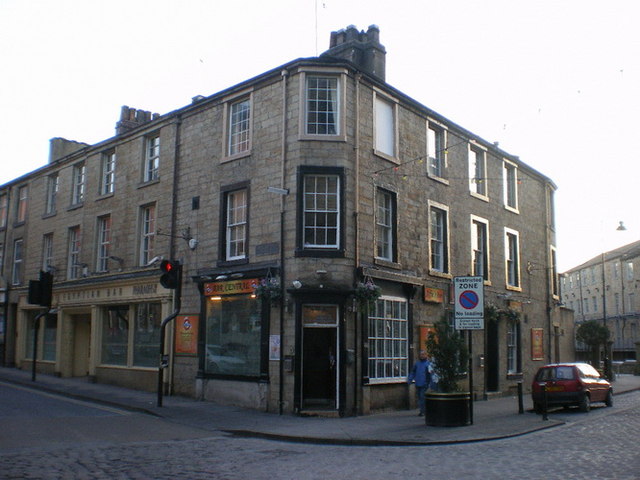
Empire Theatre
Open-air theatres · 0.3 km

Savoy Cinema Superb
Theatres · 0.3 km

The Boot Inn
Historic pubs · 0.4 km

Alhambra Picture Theatre
Theatres · 0.4 km

Palace-Hippodrome Theatre
Theatres · 0.5 km
Nearby
📷 5Military museums · North West England
Burnley Way
Burnley Way — a military museum in england north west.
📷 5Museums · North West England
Borough of Burnley
The Borough of Burnley () is a local government district with the borough status in Lancashire, England. It has an area of 42.9 square miles (111 km2) and a population of 99,233 (2024), and is named a
📷 5Open-air theatres · North West England
Burnley Mechanics
Burnley Mechanics — a open-air theatre in england north west.
📷 4Theatres · North West England
Burnley Mechanics
Burnley Mechanics is a theatre in the United Kingdom.
📷 3📷 5Where to eat & stay near Weavers' Triangle
Places to stay
 📷 5
📷 5Hotels · North West England
Travelodge
Travelodge — a hotel in england north west.
 📷 5
📷 5Caravan parks · North West England
Stubbins Vale Caravan Park
Stubbins Vale Caravan Park — a caravan park in england north west.
 📷 5
📷 5Caravan parks · North West England
Bridge Heywood Caravan Park
Bridge Heywood Caravan Park — a caravan park in england north west.
 📷 5
📷 5Caravan parks · North West England
Harwood Bar Caravan Park
Harwood Bar Caravan Park — a caravan park in england north west.
 📷 5
📷 5Hotels · North West England
Dunkenhalgh Hotel
Dunkenhalgh Hotel — a hotel in england north west.
 📷 5
📷 5Campsites · North West England
Bowley International Scout Centre
Bowley International Scout Centre — a campsite in england north west.
Places to eat & drink
📷 5 📷 5
📷 5 📷 7
📷 7Historic pubs · North West England
The Town Mouse Public House
The Town Mouse Public House in England North West, United Kingdom.
 📷 5
📷 5Historic pubs · North West England
The Churchill Public House
The Churchill Public House in England North West, United Kingdom.
 📷 5
📷 5Historic pubs · North West England
Duke Of York Hotel
Duke Of York Hotel in England North West, United Kingdom.
 📷 5
📷 5Other museums from this era
 Flagship📷 10
Museums · London
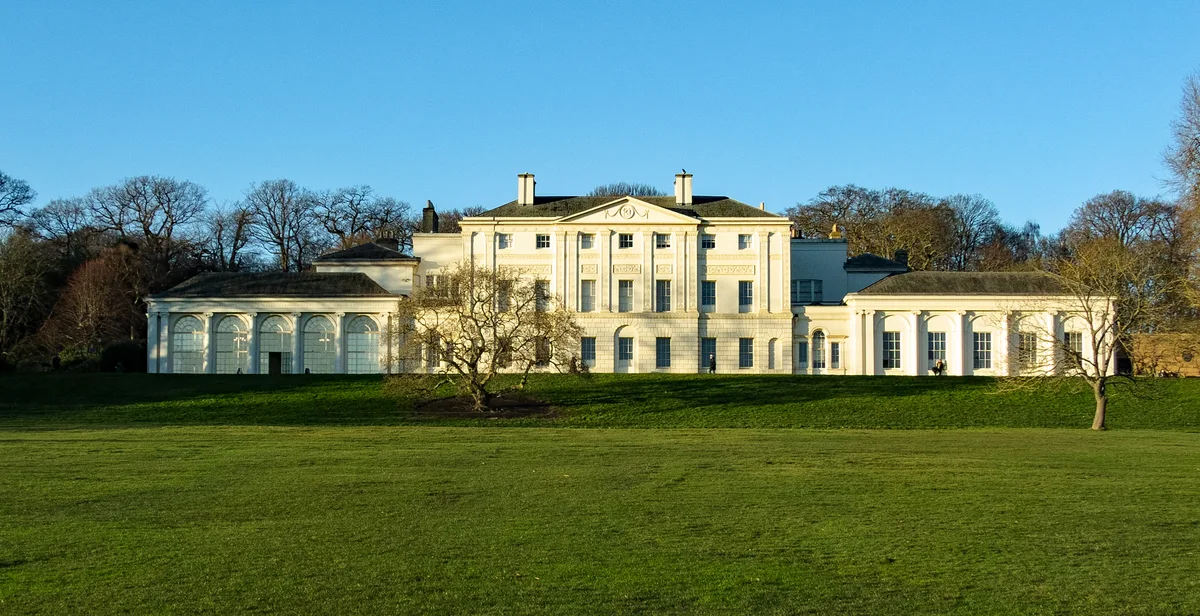
Kenwood House
Kenwood House — art museum and historic house in Hampstead, London.
 📷 5
📷 5Museums · London
Amora London
Amora London — European touring exhibition dedicated to love, relationships and sexual wellbeing.
 📷 5
📷 5Museums · London
Antique Breadboard Museum
Antique Breadboard Museum — small museum in Putney, London, England, UK.
 📷 5
📷 5Museums · London
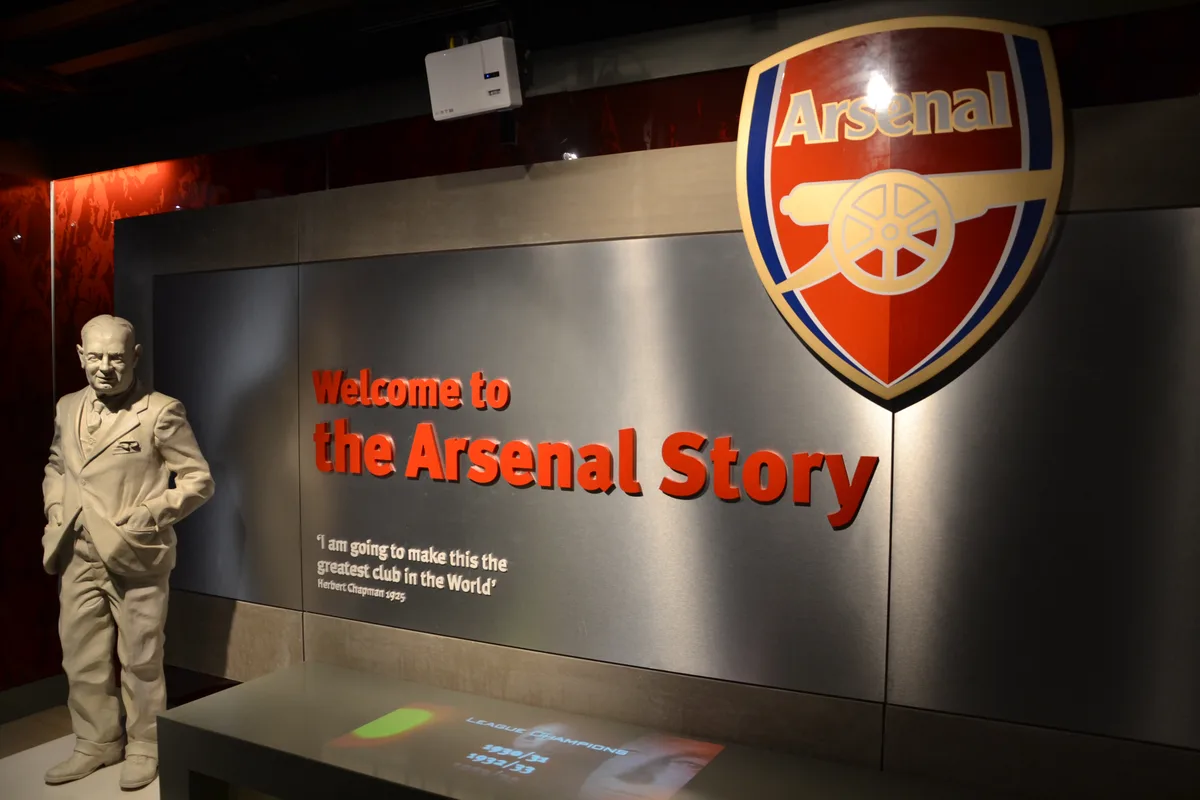
Arsenal Football Club Museum
Arsenal Football Club Museum — sports museum in London.
More museums in this region
 📷 3
📷 3Museums · North West England
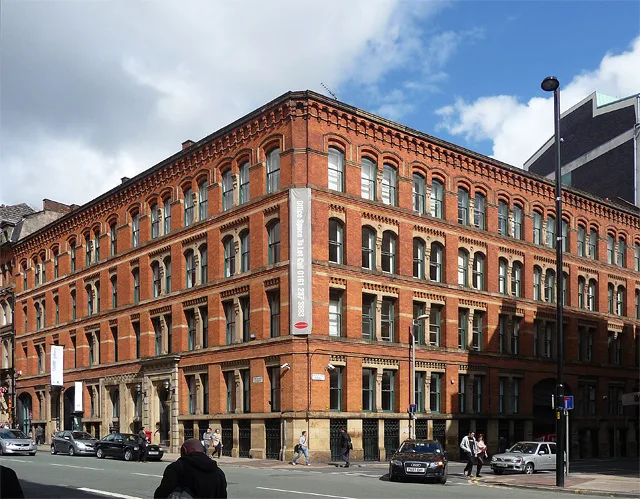
Cube Gallery
Cube Gallery — former architecture museum in Manchester, England.
 📷 3
📷 3Museums · North West England
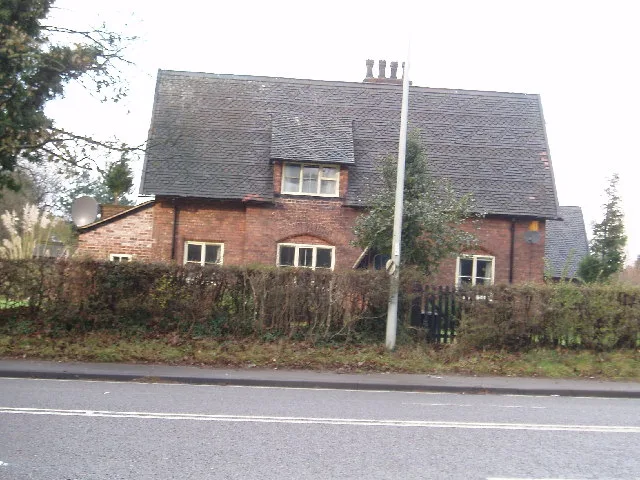
Cuckooland Museum
Cuckooland Museum — horological museum in England, UK.
 📷 4
📷 4Museums · North West England
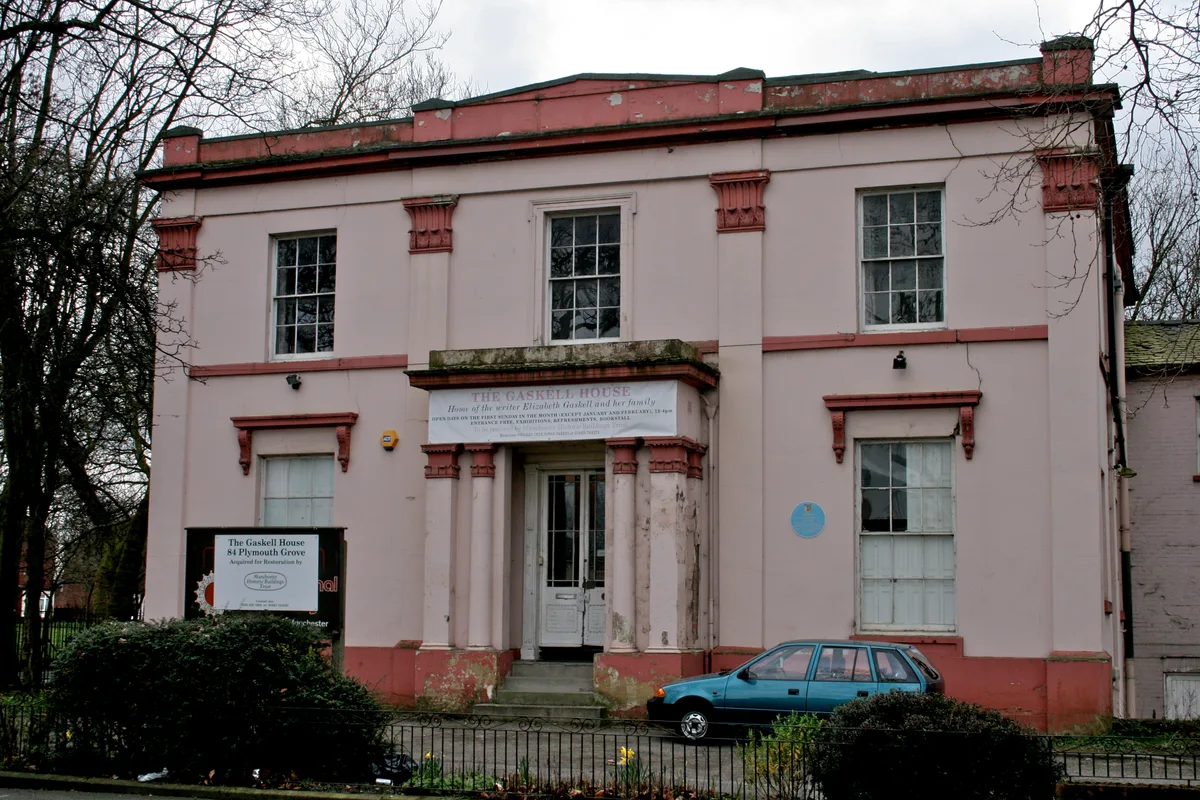
Elizabeth Gaskell's House
Elizabeth Gaskell's House — museum in Manchester.
 📷 3
📷 3Museums · North West England
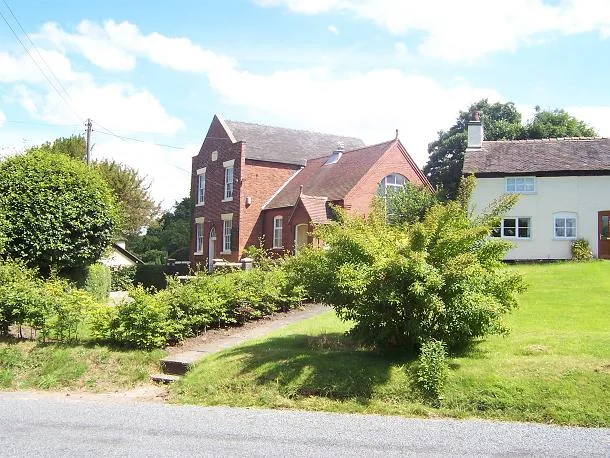
Englesea Brook Chapel and Museum of Primitive Methodism
Englesea Brook Chapel and Museum of Primitive Methodism — Primitive Methodist chapel and museum, United Kingdom.
Frequently asked questions
- Where is Weavers' Triangle?
- Weavers' Triangle is in Lancashire, North-West England, United Kingdom (postcode BB11 1JZ), in the parish of Burnley, unparished area.
- What is Weavers' Triangle?
- Weavers' Triangle — historic textie-producing area with a cotton museum in Lancashire, England.
- How do I get to Weavers' Triangle?
- The nearest railway station is Burnley Manchester Road, about 0.3 km away. The nearest town is Cliviger. Drivers can use postcode BB11 1JZ.
- When was Weavers' Triangle built?
- Built or established in 1980.
- Is Weavers' Triangle free to visit?
- Yes, Weavers' Triangle is free to enter.
- How do I get to Weavers' Triangle?
- The nearest railway station is Burnley Manchester Road, about 0.3 km away. Drivers can navigate to postcode BB11 1JZ.