
Country parks · London
Vauxhall Gardens
In or near City of Westminster.
Vauxhall Gardens — urban park and former garden on the south bank of the river Thames in London, England, UK.

Wikimedia Commons contributors — see linked file page for photographer and licence licence

Plan your visit
- Typical visit
- 1.5 h–3 h
- Nearest railway station
- Vauxhall · 0.1 km
- Paid entry
- Family-friendly
- Dog-friendly
- Wheelchair accessible
Getting there & planning your visit
To visit Vauxhall Gardens, the nearest railway station is Vauxhall, which is just 0.1 km away. Entry to the park is free. The postcode for sat-nav is SE11 5AW.
About
Vauxhall Gardens is a country park in the United Kingdom. Owned by Jonathan Tyers. Wikidata describes it as: "urban park and former garden on the south bank of the river Thames in London, England, UK". Coordinates: 51.4867°, -0.1218°.
Photo gallery
360° viewimagery from 2025
Imagery © Mapillary contributors, CC BY-SA 4.0
Official information
Bridge Command is an immersive theatre experience that allows participants to engage in a fully interactive starship bridge simulator. Visitors can take on various roles within a crew, complete missions, and interact with live actors, making each session unique based on their choices.
From the Wikipedia article
Vauxhall Gardens is a public park in Kennington in the London Borough of Lambeth, England, on the south bank of the River Thames. Originally known as New Spring Gardens, it is believed to have opened before the Restoration of 1660, being mentioned by Samuel Pepys in 1662. From 1785 to 1859, the site was known as Vauxhall, a pleasure garden and one of the leading venues for public entertainment in London from the mid-17th century to the mid-19th century. The Gardens consisted of several acres of trees and shrubs with attractive walks. Initially entrance was free, with food and drink being sold to support the venture. The pleasure grounds was accessed by boats on the Thames until the erection of Vauxhall Bridge in the 1810s. The area was absorbed into the metropolis as the city expanded in the early to mid-19th century. The site became Vauxhall Gardens in 1785 and admission was charged for its attractions. The Gardens drew enormous crowds, with its paths being noted for romantic assignations. Tightrope walkers, hot-air balloon ascents, concerts and fireworks provided entertainment. The rococo "Turkish tent" became one of the Gardens' structures, the interior of the Rotunda became one of Vauxhall's most viewed attractions, and the chinoiserie style was a feature of several buildings. A statue depicting George Frideric Handel in the Gardens later found its way to Westminster Abbey. In 1817, the Battle of Waterloo was re-enacted, with 1,000 soldiers participating. It closed in 1840 after its owners became bankrupt, but re-opened in 1841. It changed hands in 1842, and was permanently closed in 1859. The land was redeveloped in the following decades, but slum clearance in the late 20th century saw part of the original site open up as a public park. This was initially called Spring Gardens and was renamed in 2012 as Vauxhall Pleasure Gardens. It is managed as a public park by the London Borough of Lambeth. Vauxhall Gardens is depicted in a tile motif at Vauxhall tube…
Excerpt from Wikipedia under CC BY-SA 4.0. See the source article linked in Sources below.
Background
History
The Gardens are believed to have opened just before the Restoration of 1660, on property formerly owned by Jane Fauxe, or Vaux, widow, in 1615. Whereas John Nichols in his History of Lambeth Parish conjectures that she was the widow of Guy Fawkes, executed in 1606, John Timbs in his 1867 Curiosities of London states for a fact that there was no such connection, and that the Vaux name derives from one Falkes de Breauté, a mercenary working for King John who acquired the land by marriage. Jane is stated to be the widow of John, a vintner. Perhaps the earliest record is Samuel Pepys' description of a visit he made to the New Spring Gardens on 29 May 1662. The then name distinguished the…
Description
The Spring Gardens were the most prominent vehicle in England for the public display of the new Rococo style. The earliest pictorial representation of Tyers' Spring Gardens, Vauxhall, is the "Vauxhall fan" (1736), an etching printed in blue designed to be pasted to a fan; it shows the earliest groups of pavilions, in a sober classical taste, but the interiors of the supper boxes were painted by members of Hogarth's St. Martin's Lane Academy, prominent among them Francis Hayman. Hayman provided most of the subjects, which were rapidly executed by students and assistants; Hubert Gravelot provided designs for two others, and Hogarth's designs were pressed into service in hastily dashed-off…
Visiting
Vauxhall Pleasure Gardens today is an inner-city park. After its closure in the 19th century the land was developed but by the 1970s slum clearance reopened part of the site. The park opened in 1976 and was originally called Spring Gardens, but was re-named Vauxhall Pleasure Gardens in 2012. There is Vauxhall City Farm as well as deciduous trees and allotments. Street names in the location refer back to the historical Vauxhall Gardens – such as Jonathan Street and Tyers Street.
Sourced from Wikipedia under CC BY-SA 4.0.
- Coordinates
- 51.4867, -0.1218
- District
- Lambeth
- Parish
- Lambeth, unparished area
- Postcode
- SE11 5AW
- Parliamentary constituency
- Vauxhall and Camberwell Green
- Nearest railway station
- Vauxhall — 0.1 km
- Opening
- All year
- Official site
- bridgecommand.space
Sources
- wikidata: Q977947 (CC0)
- wikipedia: Vauxhall Gardens (CC BY-SA 4.0)
- commons: Vauxhall Gardens by Samuel Wale c1751.jpg (CC BY-SA 4.0)
Other places nearby

Royal Vauxhall Tavern
Historic houses · 0.0 km

Royal Vauxhall Tavern
Historic pubs · 0.0 km

Bridge Command
Theatres · 0.1 km

horses
Natural landmarks · 0.1 km

goats
Natural landmarks · 0.2 km

MI6
Other places · 0.2 km

Following the Leader
Heritage railway stations · 0.2 km

Charles Asprey’s Cabinet Gallery
Galleries · 0.2 km
alpacas
Natural landmarks · 0.2 km
.jpg?width=1200)
Herbert House
Historic houses · 0.2 km

St Peter's School
Historic churches · 0.2 km

Lambeth School of Art
Natural landmarks · 0.2 km
Nearby
📷 5Historic houses · London
Royal Vauxhall Tavern
Royal Vauxhall Tavern — a Grade II-listed historic house in england-london, United Kingdom.
📷 5Historic pubs · London
Royal Vauxhall Tavern
Royal Vauxhall Tavern in England London, United Kingdom.
📷 5Theatres · London
Bridge Command
Bridge Command is a theatre in the United Kingdom.
📷 5📷 5📷 5Where to eat & stay near Vauxhall Gardens
Places to stay
 📷 5
📷 5Hotels · London
Park Hyatt London River Thames
Park Hyatt London River Thames — a hotel in england london. 5-star. Brand: Park Hyatt.
 📷 5
📷 5Hotels · London
Hyatt Regency London Albert Embankment
Hyatt Regency London Albert Embankment — a hotel in england london. 5-star. Brand: Hyatt Regency.
 📷 5
📷 5Hotels · London
Hotel Riu Plaza London The Westminster
Hotel Riu Plaza London The Westminster — a hotel in england london. 4-star. Brand: RIU.
 📷 5
📷 5Hotels · London
Novotel London Waterloo
Novotel London Waterloo — a hotel in england london.
 📷 5
📷 5Hostels · London
Onefam Waterloo Hostel London
Onefam Waterloo Hostel London — a hostel in england london.
 📷 5
📷 5Hostels · London
Ostello dei Padri Scalabriniani
Ostello dei Padri Scalabriniani — a hostel in england london.
Places to eat & drink
📷 5Historic pubs · London
Royal Vauxhall Tavern
Royal Vauxhall Tavern in England London, United Kingdom.
.jpg?width=1200) 📷 7
📷 7Historic pubs · London
Morpeth Arms
Morpeth Arms — Historic pub — listed building or notable heritage status.
 📷 5
📷 5Historic pubs · London
Stourhead House And Pride Of Pimlico Public House Stourhead House, With Garden Walls And Pride Of Pimlico Public House
Stourhead House And Pride Of Pimlico Public House Stourhead House, With Garden Walls And Pride Of Pimlico Public House in England London, United Kingdom.
 📷 5
📷 5Historic pubs · London
Lord High Admiral, Pimlico
Lord High Admiral, Pimlico in England London, United Kingdom.
 📷 5
📷 5Cafés · London
Regency Cafe
Regency Cafe — a café in england london. Cuisine: fish and chips;tea;breakfast;local.
 📷 5
📷 5More places in this region
 Flagship📷 10
Country parks · London
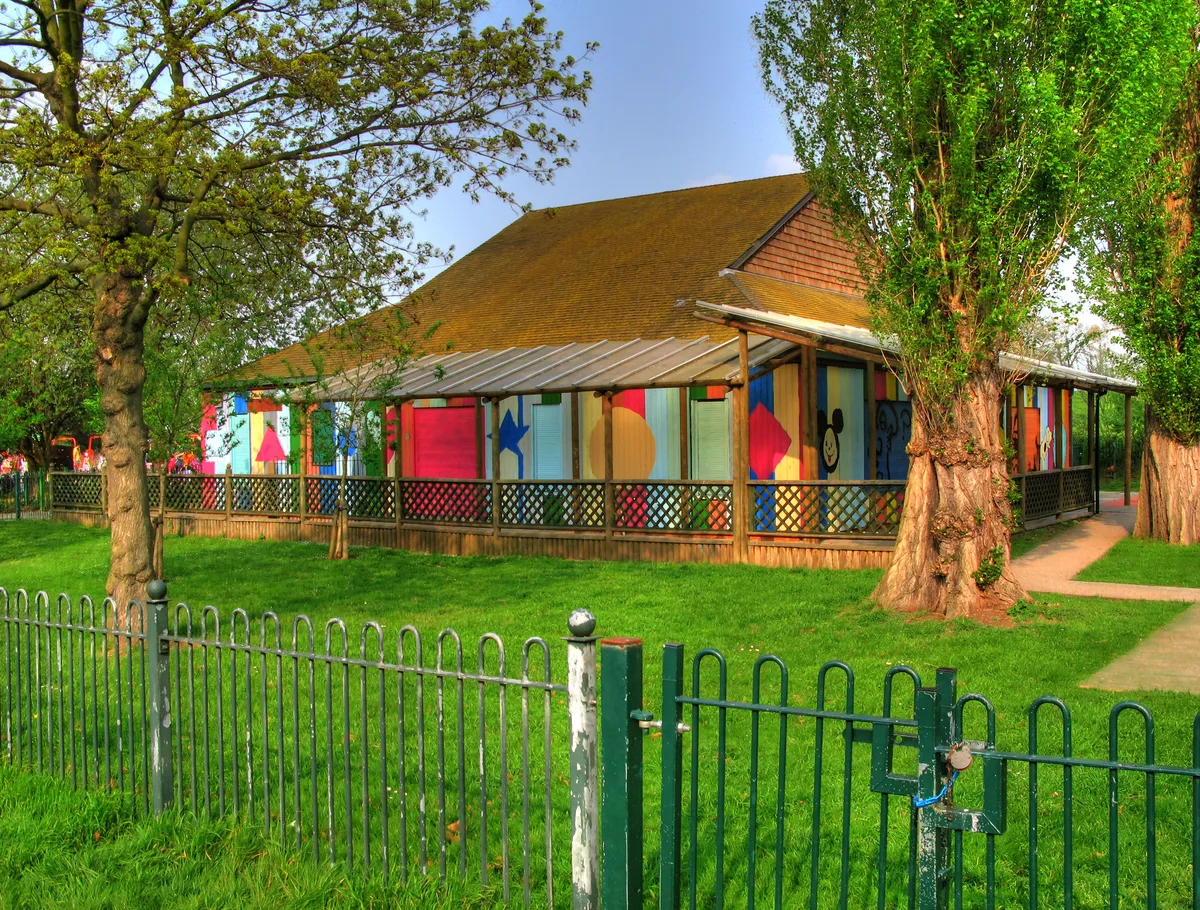
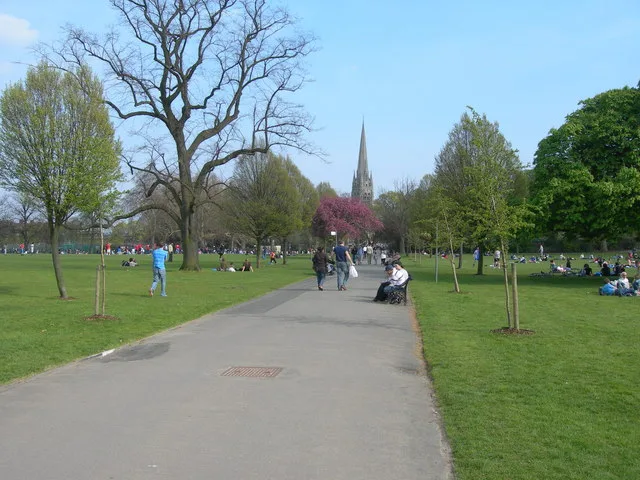
Brockwell Park
Brockwell Park — park in south London, England, UK.
 Flagship📷 10
 Flagship📷 10
Country parks · London
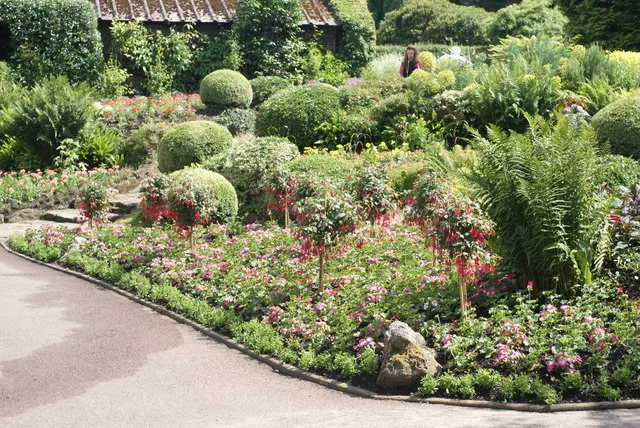
Coombe Wood
Coombe Wood — woodland and garden area in the London Borough of Croydon.
 Flagship📷 10
Country parks · London
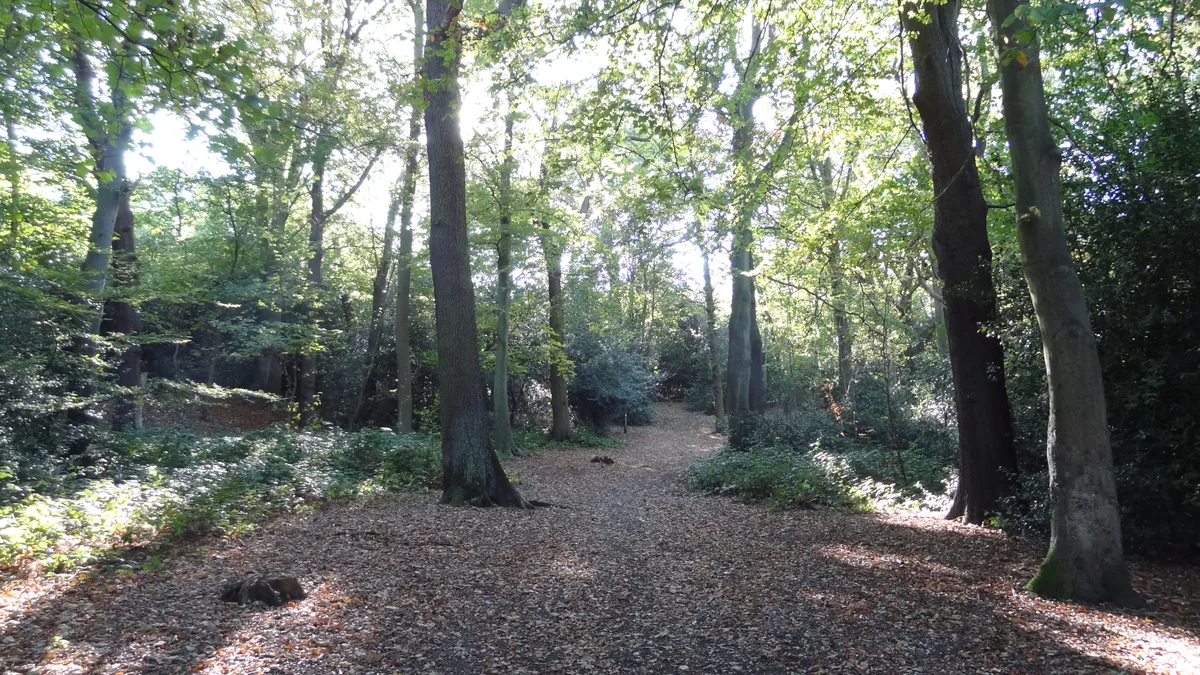
Croham Hurst
Croham Hurst — woodland in Croydon, Greater London, England, United Kingdom.
Frequently asked questions
- Where is Vauxhall Gardens?
- Vauxhall Gardens is in London, United Kingdom (postcode SE11 5AW), in the parish of Lambeth, unparished area.
- What is Vauxhall Gardens?
- Vauxhall Gardens — urban park and former garden on the south bank of the river Thames in London, England, UK.
- How do I get to Vauxhall Gardens?
- The nearest railway station is Vauxhall, about 0.1 km away. The nearest town is City of Westminster. Drivers can use postcode SE11 5AW.
- Who owns Vauxhall Gardens?
- Vauxhall Gardens is owned by Jonathan Tyers.
- How do I get to Vauxhall Gardens?
- The nearest railway station is Vauxhall, about 0.1 km away. Drivers can navigate to postcode SE11 5AW.