
Historic churches · East Midlands
Upper Chapel
In or near Catcliffe.
Upper Chapel — grade II listed church in Sheffield, South Yorkshire, England, UK.

Wikimedia Commons contributors — see linked file page for photographer and licence licence

Plan your visit
- Typical visit
- 30 min–1 h
- Nearest railway station
- Sheffield · 0.5 km
- Free entry
- Limited wheelchair access
Getting there & planning your visit
Upper Chapel is located in Sheffield, postcode S1 2LG, and is approximately 0.5 km from the nearest railway station, Sheffield. Entry is free.
About
Upper Chapel is a historic church in the United Kingdom. Records date its origin to 1700. Heritage designation: Grade II listed building. Wikidata describes it as: "grade II listed church in Sheffield, South Yorkshire, England, UK". Coordinates: 53.3808°, -1.4683°.
Photo gallery
Heritage listing
Upper Chapel is a Unitarian chapel on Norfolk Street in Sheffield City Centre. It is a member of the General Assembly of Unitarian and Free Christian Churches, the umbrella organisation for British Unitarians. The Chapel is Grade II listed. James Fisher was the vicar at Sheffield Parish Church during the Commonwealth of England. He was expelled in the Great Ejection for refusing to sign the Act of Uniformity 1662, and around a tenth of his parishioners followed him in becoming Dissenters. Several splits ensued, but by the 1690s, the dominant group of non-conformists was led by Timothy Jollie. His congregation constructed Upper Chapel as the first non-conformist chapel in Sheffield in 1700. It was built of brick and faced on to Fargate.
From the Historic England List Entry under OGL v3.
From the Wikipedia article
Upper Chapel is a Unitarian chapel on Norfolk Street in Sheffield City Centre. It is a member of the General Assembly of Unitarian and Free Christian Churches, the umbrella organisation for British Unitarians. The Chapel is Grade II listed. James Fisher was the vicar at Sheffield Parish Church during the Commonwealth of England. He was expelled in the Great Ejection for refusing to sign the Act of Uniformity 1662, and around a tenth of his parishioners followed him in becoming Dissenters. Several splits ensued, but by the 1690s, the dominant group of non-conformists was led by Timothy Jollie. His congregation constructed Upper Chapel as the first non-conformist chapel in Sheffield in 1700. It was built of brick and faced on to Fargate. The chapel originally boasted a congregation of about 1,000 people, a sixth of the city's population. The side walls survive from this period. In the 1840s, the Chapel was turned round to face across fields. The roof was raised and the interior reconstructed. The alterations by John Frith were completed in 1848, while the interior has several later additions, including several stained glass windows. Nine on the ground floor are by Henry Holiday. Nineteenth-century ministers included George Vance Smith, Brooke Herford, Thomas Hinks and John Edmondson Manning, who wrote a history of the chapel in 1900. The Chapel is linked to Channing Hall, which faces on to Surrey Street. Designed by Flockton and Gibbs and completed in 1882, the hall is of Italianate design and is named for William Henry Channing, who served at the Chapel in 1875. The trustees own many freehold properties in Sheffield.
Excerpt from Wikipedia under CC BY-SA 4.0. See the source article linked in Sources below.
- Coordinates
- 53.3808, -1.4683
- District
- Sheffield
- Parish
- Sheffield, unparished area
- Postcode
- S1 2LG
- Parliamentary constituency
- Sheffield Central
- Established
- 1700
- Nearest railway station
- Sheffield — 0.5 km
Sources
- wikidata: Q7898557 (CC0)
- wikipedia: Upper Chapel (CC BY-SA 4.0)
- commons: Upper Chapel Sheffield.JPG (CC BY-SA 4.0)
- osm: w60564764 (ODbL)
Featured in this guide
Other places nearby

Running Woman
Public art & sculpture · 0.0 km
Angry Woman
Public art & sculpture · 0.0 km

Marmadukes
Cafés · 0.0 km

Montgomery Theatre
Theatres · 0.1 km

Walking Man
Public art & sculpture · 0.1 km

Tanya Moiseiwitsch Playhouse
Theatres · 0.1 km

Sheffield Home Of Football
Memorials & monuments · 0.1 km

Sheffield Theatres
Open-air theatres · 0.1 km

Thomas Boulsover
Memorials & monuments · 0.1 km

Sheffield Town Hall
Historic houses · 0.1 km

Library Theatre
Theatres · 0.1 km

Library
Open-air theatres · 0.1 km
Nearby
📷 3Public art & sculpture · East Midlands
Running Woman
Running Woman — a public art in england-east-midlands, United Kingdom.
📷 3Public art & sculpture · East Midlands
Angry Woman
Angry Woman — a public art in england-east-midlands, United Kingdom.
📷 5Cafés · East Midlands
Marmadukes
Marmadukes — a café in england east midlands.
📷 3📷 3Public art & sculpture · East Midlands
Walking Man
Walking Man — a public art in england-east-midlands, United Kingdom.
📷 3Theatres · East Midlands
Tanya Moiseiwitsch Playhouse
Tanya Moiseiwitsch Playhouse is a theatre in the United Kingdom.
Where to eat & stay near Upper Chapel
Places to stay
 📷 7
📷 7Hotels · East Midlands
Hampton by Hilton
Hampton by Hilton — a hotel in england east midlands.
 📷 5
📷 5Hotels · East Midlands
Best Western Sheffield City
Best Western Sheffield City — a hotel in england east midlands.
 📷 5
📷 5Hotels · East Midlands
DoubleTree by Hilton Sheffield City
DoubleTree by Hilton Sheffield City — a hotel in england east midlands. Brand: DoubleTree.
 📷 5
📷 5Hostels · East Midlands
Russell Scott Backpackers Hostel
Russell Scott Backpackers Hostel — a hostel in england east midlands.
 📷 5
📷 5Hotels · East Midlands
Hotel Mercure Sheffield Kenwood Hall & Spa
Hotel Mercure Sheffield Kenwood Hall & Spa — a hotel in england east midlands. 5-star. Brand: Accor.
 📷 5
📷 5Hostels · East Midlands
Westfield Barn (Whirlow Hall Farm Trust)
Westfield Barn (Whirlow Hall Farm Trust) — a hostel in england east midlands.
Places to eat & drink
📷 5Cafés · East Midlands
Marmadukes
Marmadukes — a café in england east midlands.
📷 5Historic pubs · Yorkshire & the Humber
The Fringe Gymnasium The Surrey Public House
The Fringe Gymnasium The Surrey Public House in England Yorkshire, United Kingdom.
 📷 5
📷 5Historic pubs · Yorkshire & the Humber
The Stone House Public House
The Stone House Public House in England Yorkshire, United Kingdom.
 📷 7
📷 7 📷 7
📷 7Cafés · East Midlands
Builder's Brew
Builder's Brew — a café in england east midlands.
 📷 5
📷 5Historic pubs · Yorkshire & the Humber
1 and 3, Market Place
1 and 3, Market Place in England Yorkshire, United Kingdom.
Other places from this era
 📷 5
📷 5Historic churches · London
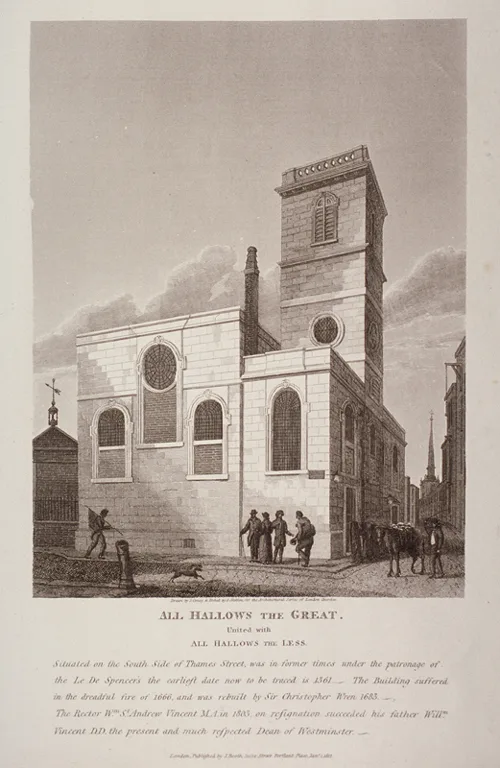
All-Hallows-the-Great
All-Hallows-the-Great — church in City of London, UK.
 📷 5
📷 5Historic churches · London
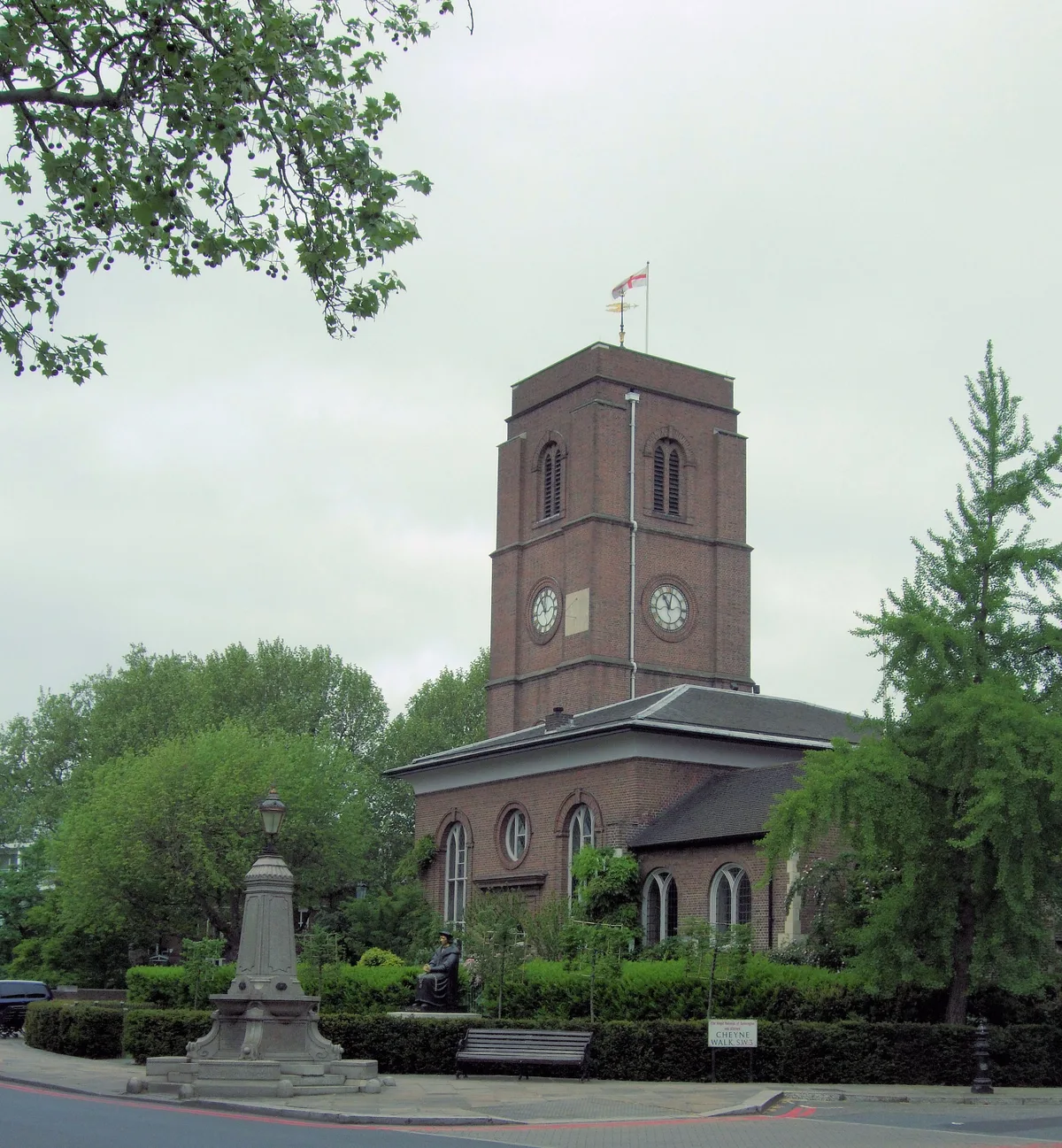
Chelsea Old Church
Chelsea Old Church — church in Royal Borough of Kensington and Chelsea, UK.
 📷 5
📷 5Historic churches · London
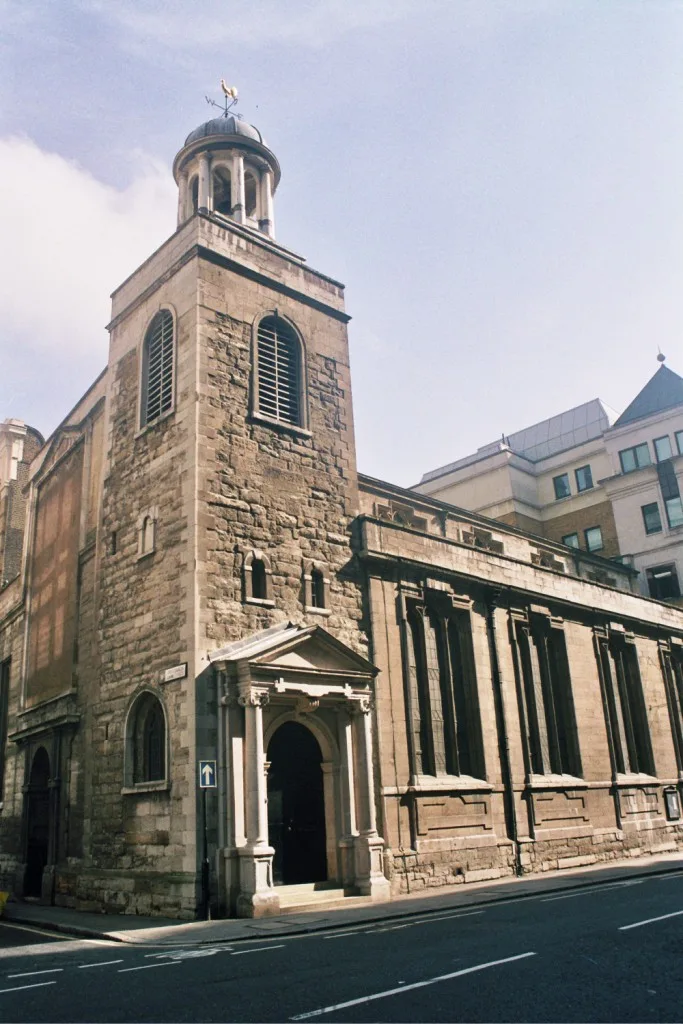
Church of St Katharine Cree, London
Church of St Katharine Cree, London — church in City of London, UK.
 📷 5
📷 5Historic churches · London
Church of St Lawrence, Little Stanmore
Church of St Lawrence, Little Stanmore — church of England church in Stanmore, London.
More places in this region
 📷 5
📷 5Historic churches · East Midlands
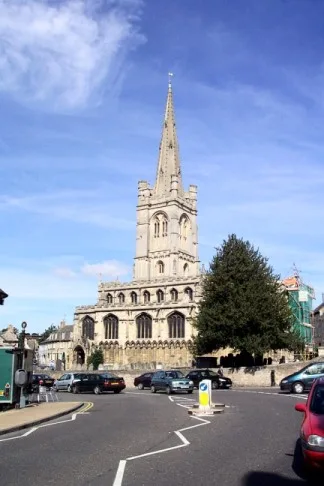
All Saints' Church, Stamford
All Saints' Church, Stamford — church in Stamford, Lincolnshire, England, UK.
 📷 5
📷 5Historic churches · East Midlands
Church of All Saints
Church of All Saints — church in Little Casterton, Rutland, United Kingdom.
 📷 5
📷 5Historic churches · East Midlands
Church of All Saints
Church of All Saints — church in Fenland, UK.
 📷 5
📷 5Historic churches · East Midlands
Church of St Leonard
Church of St Leonard — church in Fenland, UK.
Frequently asked questions
- Where is Upper Chapel?
- Upper Chapel is in the East Midlands, United Kingdom (postcode S1 2LG), in the parish of Sheffield, unparished area.
- What is Upper Chapel?
- Upper Chapel — grade II listed church in Sheffield, South Yorkshire, England, UK.
- How do I get to Upper Chapel?
- The nearest railway station is Sheffield, about 0.5 km away. The nearest town is Catcliffe. Drivers can use postcode S1 2LG.
- When was Upper Chapel built?
- Built or established in 1700.
- Is Upper Chapel a listed building?
- Upper Chapel is officially recognised as Grade II listed building listed.
- Is Upper Chapel free to visit?
- Yes, Upper Chapel is free to enter.
- How do I get to Upper Chapel?
- The nearest railway station is Sheffield, about 0.5 km away. Drivers can navigate to postcode S1 2LG.