
Islands · Scottish Islands
Ulva
Ulva — island in the Inner Hebrides of Scotland.

Wikimedia Commons contributors — see linked file page for photographer and licence licence

Plan your visit
- Typical visit
- 4 h–12 h
- Free entry
- Dog-friendly
Getting there & planning your visit
Ulva is an island located in the Scottish Highlands, with no nearest railway station or postcode available. Admission to the island is free.
About
Ulva is a island in the United Kingdom. It covers approximately 1,990 km². Recent population estimates put it at around 11 people. Part of Inner Hebrides. Wikidata describes it as: "island in the Inner Hebrides of Scotland". Coordinates: 56.4803°, -6.2050°.
Photo gallery
From the Wikipedia article
Ulva (; Scottish Gaelic: Ulbha) is a small island in the Inner Hebrides of Scotland, off the west coast of Mull. It is separated from Mull by a narrow strait, and connected to the neighbouring island of Gometra by a bridge. Much of the island is formed from Cenozoic basalt rocks, which are formed into columns in places. Ulva has been populated since the Mesolithic period, and there are various Neolithic remains on the island. The Norse occupation of the island in the Early Middle Ages has left few tangible artefacts but did bequeath the island its name, which is probably from Ulvoy, meaning "wolf island". Celtic culture was a major influence during both Pictish and Dalriadan times as well as the post-Norse period when the islands became part of modern Scotland. This long period, when Gaelic became the dominant language, was ended by the 19th-century Clearances. At its height, Ulva had a population of over 800, but by May 2019, this had declined to 5. Some increase in the number of residents was expected in future, with the re-population plan that was to commence in 2020 although by 2022 the resident population was just six. Numerous well-known individuals have connections with the island including David Livingstone, Samuel Johnson and Walter Scott, who drew inspiration from Ulva for his 1815 poem, The Lord of the Isles. Wildlife is abundant: cetaceans are regularly seen in the surrounding waters and over 500 species of plant have been recorded. Today there is a regular ferry service and tourism is the mainstay of the economy. In March 2018 the Scottish Land Fund pledged £4.4 million towards a community buyout of the island, and the North West Mull Community Woodland Company took ownership of the island on 21 June 2018.
Excerpt from Wikipedia under CC BY-SA 4.0. See the source article linked in Sources below.
Background
Architecture
]] Many structures on Ulva are in ruins, such as the former water mill between Ormaig and Cragaig, and if not in ruins, they have been incorporated into other buildings, e.g. Bracadale Steadings, which includes bits of the old Ulva House which Boswell and Johnson stayed in. The Boathouse Cafe remains in business. A January 2020 news item indicated that it was "rapidly gaining a reputation for its fresh seafood".
Description
Francis William Clark, a lawyer from Stirling, bought the island in 1835. According to the Isle of Mull website, Ulva was booming in 1837, with a population of 604 people. In 1841, the population of Ulva and Gometra was 859, but by 1848 this had plummeted to 150 thanks to a combination of the Highland potato famine MacKenzie records at Aird Glas, near Ardalum, the now abandoned row of houses was nicknamed "Starvation Terrace": {{Blockquote|...Where the old and feeble folk cleared from their crofts were placed by Clark, to exist as best they could on shellfish & seaweed till they died. Fletcher also claimed that Clark bullied the sick and the elderly: "In another case, there was a very sick…
Sourced from Wikipedia under CC BY-SA 4.0.
- Coordinates
- 56.4803, -6.2050
- Population
- 11
Sources
- wikidata: Q496415 (CC0)
- wikipedia: Ulva (CC BY-SA 4.0)
- commons: Basaltcliffsulva.jpg (CC BY-SA 4.0)
Other places nearby

Beinn Chreagach
Mountains & hills · 0.9 km
Beinn an Lachain
Mountains & hills · 1.3 km

Tòrr Mòr
Mountains & hills · 1.6 km
Tòrr Beag
Mountains & hills · 1.9 km

Cille Mhic Eòghainn
Historic houses · 1.9 km

Beinn Eolasary
Mountains & hills · 2.2 km

Ulva Hostel
Hostels · 2.2 km
Beinn Eolasary
Mountains & hills · 2.3 km

Ulva, Ormaig
Vineyards · 2.3 km

Ulva Church
Historic churches · 2.4 km

A' Chrannag
Mountains & hills · 2.5 km
A' Chrannag
Mountains & hills · 2.5 km
Nearby
📷 5Mountains & hills · Scottish Islands
Beinn Chreagach
Beinn Chreagach — mountain in scotland highlands. Elevation: 313 m.
📷 5Mountains & hills · Scottish Islands
Beinn an Lachain
Beinn an Lachain — mountain in scotland highlands. Elevation: 284 m.
📷 5Mountains & hills · Scottish Islands
Tòrr Mòr
Tòrr Mòr — mountain in scotland highlands. Elevation: 39 m.
📷 5Mountains & hills · Scottish Islands
Tòrr Beag
Tòrr Beag — mountain in scotland highlands. Elevation: 35 m.
📷 3Historic houses · Scottish Islands
Cille Mhic Eòghainn
Cille Mhic Eòghainn — a historic house in scotland-highlands, United Kingdom.
📷 5Mountains & hills · Scottish Islands
Beinn Eolasary
Beinn Eolasary — mountain in scotland highlands. Elevation: 306 m.
Where to eat & stay near Ulva
Places to stay
📷 5Hostels · Central Scotland
Ulva Hostel
Ulva Hostel — a hostel in scotland highlands.
 📷 5
📷 5Hostels · Central Scotland
Dervaig Village Hall Hostel
Dervaig Village Hall Hostel — a hostel in scotland highlands.
 📷 5
📷 5Campsites · Central Scotland
Killiechronan Campsite
Killiechronan Campsite — a campsite in scotland highlands.
 📷 5
📷 5Campsites · Scottish Highlands
Tobermory Campsite
Tobermory Campsite — a campsite in scotland highlands.
 📷 5
📷 5Campsites · Central Scotland
Salen Bay Campsite
Salen Bay Campsite — a campsite in scotland highlands.
 📷 5
📷 5Campsites · Central Scotland
Port nan Gael
Port nan Gael — a campsite in scotland highlands.
Places to eat & drink
 📷 5
📷 5Restaurants · Central Scotland
The Boathouse
The Boathouse — a restaurant in scotland highlands.
More places in this region
 📷 5
📷 5Islands · Scottish Islands
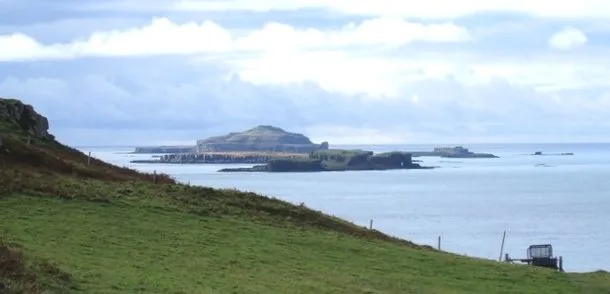
Bac Beag
Bac Beag — Scottish island, part of the Treshnish Isles in the Inner Hebrides.
 📷 5
📷 5Islands · Scottish Islands
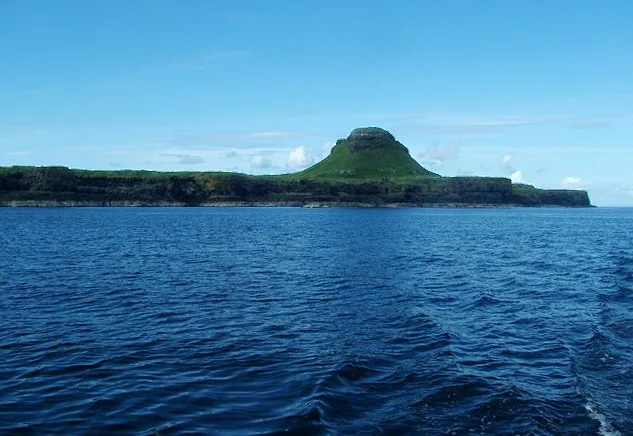
Bac Mòr
Bac Mòr — island in Argyll and Bute, Scotland, UK, one of the Treshnish Isles.
 Flagship📷 3
Islands · Scottish Islands
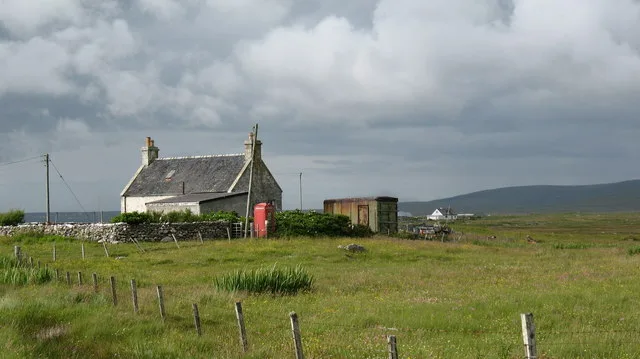
Baleshare
Baleshare — flat tidal island in the Outer Hebrides, Scotland, UK.
 Flagship📷 5
Islands · Scottish Islands
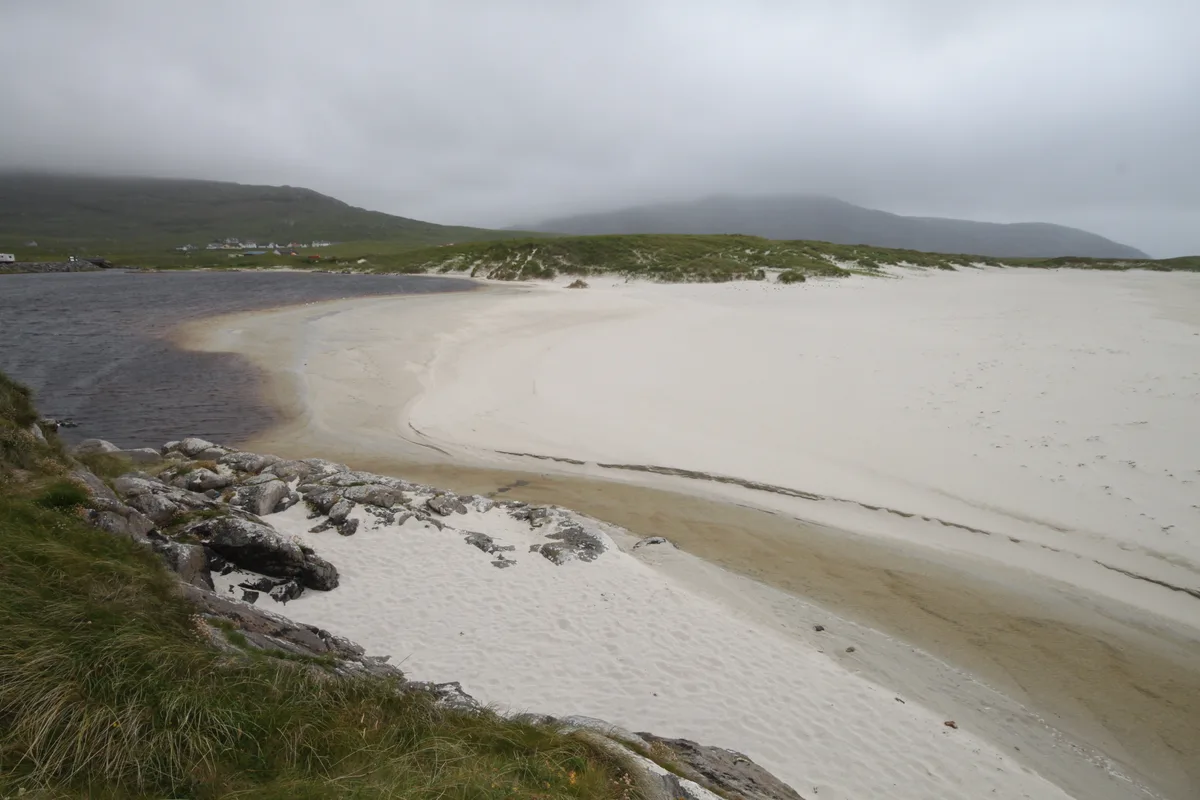
Barra
Barra — island in Outer Hebrides, Scotland, UK.
Frequently asked questions
- Where is Ulva?
- Ulva is in the Scottish Islands, United Kingdom.
- What is Ulva?
- Ulva — island in the Inner Hebrides of Scotland.
- How do I get to Ulva?
- Its coordinates are 56.4803°, -6.2050°.
- Is Ulva free to visit?
- Yes, Ulva is free to enter.