
Abbeys & priories · South East England
Titchfield Abbey
In or near Titchfield.
Titchfield Abbey — medieval abbey and later country house in Titchfield, Hampshire, England, UK.

Wikimedia Commons contributors — see linked file page for photographer and licence licence

Plan your visit
- Typical visit
- 45 min–1.5 h
- Nearest railway station
- Fareham · 2.8 km
- Free entry
- Family-friendly
- Limited wheelchair access
Getting there & planning your visit
To visit Titchfield Abbey, the nearest railway station is Fareham, located 2.8 km away. Entry is paid, and wheelchair accessibility is limited. The postcode for sat-nav is PO15 5RB.
About
Titchfield Abbey is an abbey, priory, or monastic site in the United Kingdom. Records date its origin to 1222. Heritage designation: scheduled monument. Affiliated with Catholicism. Owned by Henry Wriothesley, 3rd Earl of Southampton. Managed by English Heritage. Wikidata describes it as: "medieval abbey and later country house in Titchfield, Hampshire, England, UK". Coordinates: 50.8560°, -1.2320°.
Photo gallery
Heritage listing
Titchfield Abbey is a medieval abbey and later country house, located in the village of Titchfield near Fareham in Hampshire, England. The abbey was founded in 1222 for Premonstratensian canons, an austere order of priests. The abbey was a minor house of its order, and became neither wealthy nor influential during its three centuries of monastic life; the inhabitants were devoted to scholarship, as shown by their very impressive library. The abbey was closed in 1537 by Henry VIII of England during the Dissolution of the Monasteries and the building was converted into a mansion by Thomas Wriothesley, a powerful courtier. Later in the sixteenth century the mansion was home to Henry Wriothesley, who was a patron of William Shakespeare.
From the Historic England List Entry under OGL v3.
From English Heritage
The ruins of a 13th century Premonstratensian abbey, later converted into a Tudor mansion. The church was rebuilt as a grand turreted gatehouse.
Read more on the official property page.
Protected designations
- Site of Special Scientific Interest: Lee-on-The Solent to Itchen Estuary SSSI
Designations sourced from Natural England open data under OGL v3.
From the Wikipedia article
Titchfield Abbey is a medieval abbey and later country house, located in the village of Titchfield near Fareham in Hampshire, England. The abbey was founded in 1222 for Premonstratensian canons, an austere order of priests. The abbey was a minor house of its order, and became neither wealthy nor influential during its three centuries of monastic life; the inhabitants were devoted to scholarship, as shown by their very impressive library. The abbey was closed in 1537 by Henry VIII of England during the Dissolution of the Monasteries and the building was converted into a mansion by Thomas Wriothesley, a powerful courtier. Later in the sixteenth century the mansion was home to Henry Wriothesley, who was a patron of William Shakespeare. In 1781 the mansion was abandoned and partially demolished. The remains were purchased by the government in the early twentieth century and are now a Scheduled Ancient Monument under the care of English Heritage.
Excerpt from Wikipedia under CC BY-SA 4.0. See the source article linked in Sources below.
Background
History
. The Latin inscription reminds the canons to remember the poor before they sat down to eat.]] The builder of the abbey was Bishop Peter des Roches of Winchester, a powerful politician, churchman and government official who founded several religious houses, including Netley Abbey (1236), also in Hampshire, Halesowen Abbey (1214) in Worcestershire and La Clarté-Dieu (1236) in his native France. In 1222 the first inhabitants of the new monastery, under the leadership of Abbot Richard, arrived from Halesowen Abbey. Bishop Peter held one of the richest bishoprics in the mediaeval church and so was in a position to be generous in the endowment of his new abbey. He not only gave the manor of…
Visiting
Though a great deal has been destroyed, there are still major remains of the abbey and Place House to be seen. In fact, the pulling down of Place House has revealed more of the abbey than would otherwise be visible. The nave of the church still stands to full height and with it Wriothesley's gatehouse. To the east of the gatehouse ruins, the barest outline of the former church can be seen, including the choir and transepts. Fragments of the cloister buildings survive, including the entrance arches to the chapter house and library in the east range. In the abbey's grounds, the fishponds have been maintained and are used regularly for fishing. In addition, to the west of the abbey, and…
Sourced from Wikipedia under CC BY-SA 4.0.
- Coordinates
- 50.8560, -1.2320
- County
- Hampshire
- District
- Fareham
- Parish
- Fareham, unparished area
- Postcode
- PO15 5RB
- Parliamentary constituency
- Hamble Valley
- Phone
- 01424775705
- Established
- 1222
- Nearest railway station
- Fareham — 2.8 km
- Opening
- Daily 10am–5pm; closed 24–26 Dec
- Official site
- www.english-heritage.org.uk
Sources
- wikidata: Q7809915 (CC0)
- wikipedia: Titchfield Abbey (CC BY-SA 4.0)
- commons: Titchfield Abbey 1.jpg (CC BY-SA 4.0)
- fsq: 4dbf17f2bd413dd79b8493d4 (Apache-2.0)
Other places nearby
Drove Lea Farm
Caravan parks · 0.3 km

Titchfield War Memorial
Memorials & monuments · 0.7 km

Titchfield Canal
Canals · 0.7 km

The Bugle Hotel
Hotels · 0.8 km

Titchfield
Towns & cities · 0.8 km

Titchfield Festival Theatre
Theatres · 0.9 km

Titchfield Festival Theatre
Open-air theatres · 1.1 km

Posbrook Lane Cemetery
Cemeteries · 1.2 km

Heathfield Manor
Manor houses · 1.5 km

Robann Park
Caravan parks · 1.7 km

Carefree Nurseries
Caravan parks · 1.9 km

St John's Cemetery
Cemeteries · 2.4 km
Nearby
Caravan parks · South East England
Drove Lea Farm
Drove Lea Farm — a caravan park in england south east.
📷 5Memorials & monuments · South East England
Titchfield War Memorial
Titchfield War Memorial — Grade II listed building-listed memorial in england-south-east, United Kingdom.
📷 5Canals · South East England
Titchfield Canal
Titchfield Canal is a canal in the United Kingdom.
📷 5Hotels · South East England
The Bugle Hotel
The Bugle Hotel — a hotel in england south east.
📷 5Towns & cities · South East England
Titchfield
Titchfield — village in Hampshire, UK.
📷 5Theatres · South East England
Titchfield Festival Theatre
Titchfield Festival Theatre is a theatre in the United Kingdom.
Where to eat & stay near Titchfield Abbey
Places to stay
Caravan parks · South East England
Drove Lea Farm
Drove Lea Farm — a caravan park in england south east.
📷 5Hotels · South East England
The Bugle Hotel
The Bugle Hotel — a hotel in england south east.
📷 5📷 4Caravan parks · South East England
Carefree Nurseries
Carefree Nurseries — a caravan park in england south east.
 📷 5
📷 5 📷 5
📷 5Caravan parks · South East England
Solent Breezes
Solent Breezes — a caravan park in england south east.
Places to eat & drink
 📷 5
📷 5Historic pubs · South East England
Jolly Farmer Public House
Jolly Farmer Public House in England South East, United Kingdom.
 📷 5
📷 5Historic pubs · South East England
The Golden Lion Public House
The Golden Lion Public House in England South East, United Kingdom.
 📷 7
📷 7Historic pubs · South East England
The Square Cow
The Square Cow in England South East, United Kingdom.
 📷 5
📷 5Historic pubs · South East England
The Victory Inn
The Victory Inn in England South East, United Kingdom.
 📷 5
📷 5Historic pubs · South East England
Jolly Sailor Public House
Jolly Sailor Public House in England South East, United Kingdom.
 📷 7
📷 7Historic pubs · South East England
The Old House Hotel
The Old House Hotel in England South East, United Kingdom.
More places run by English Heritage
 Flagship📷 10
Museums · London
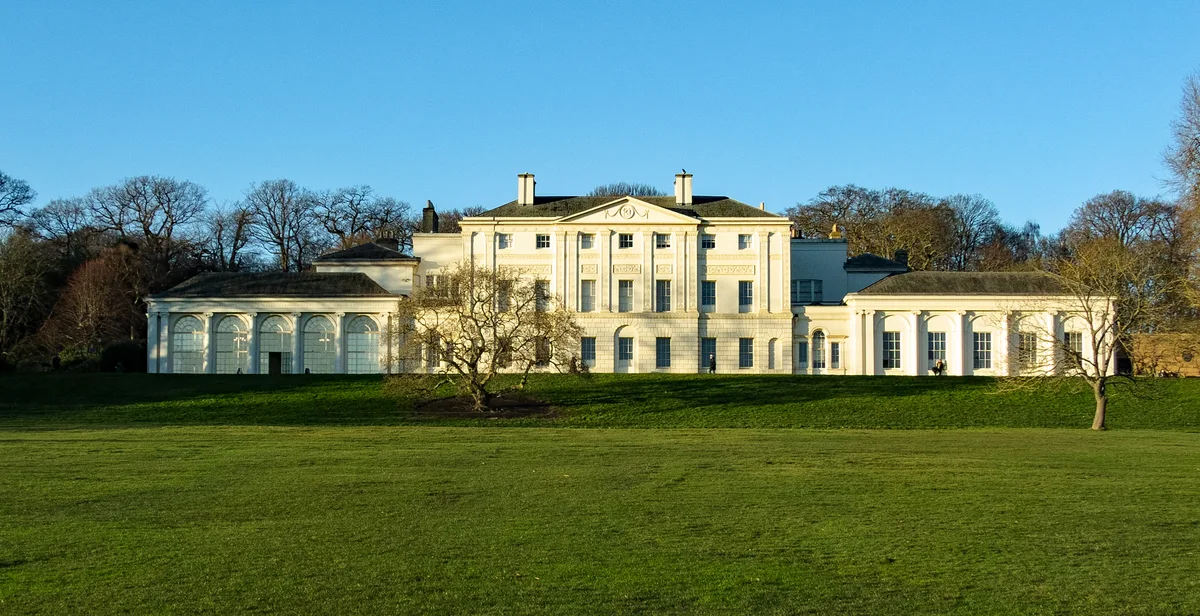
Kenwood House
Kenwood House — art museum and historic house in Hampstead, London.
 📷 5
📷 5Galleries · London
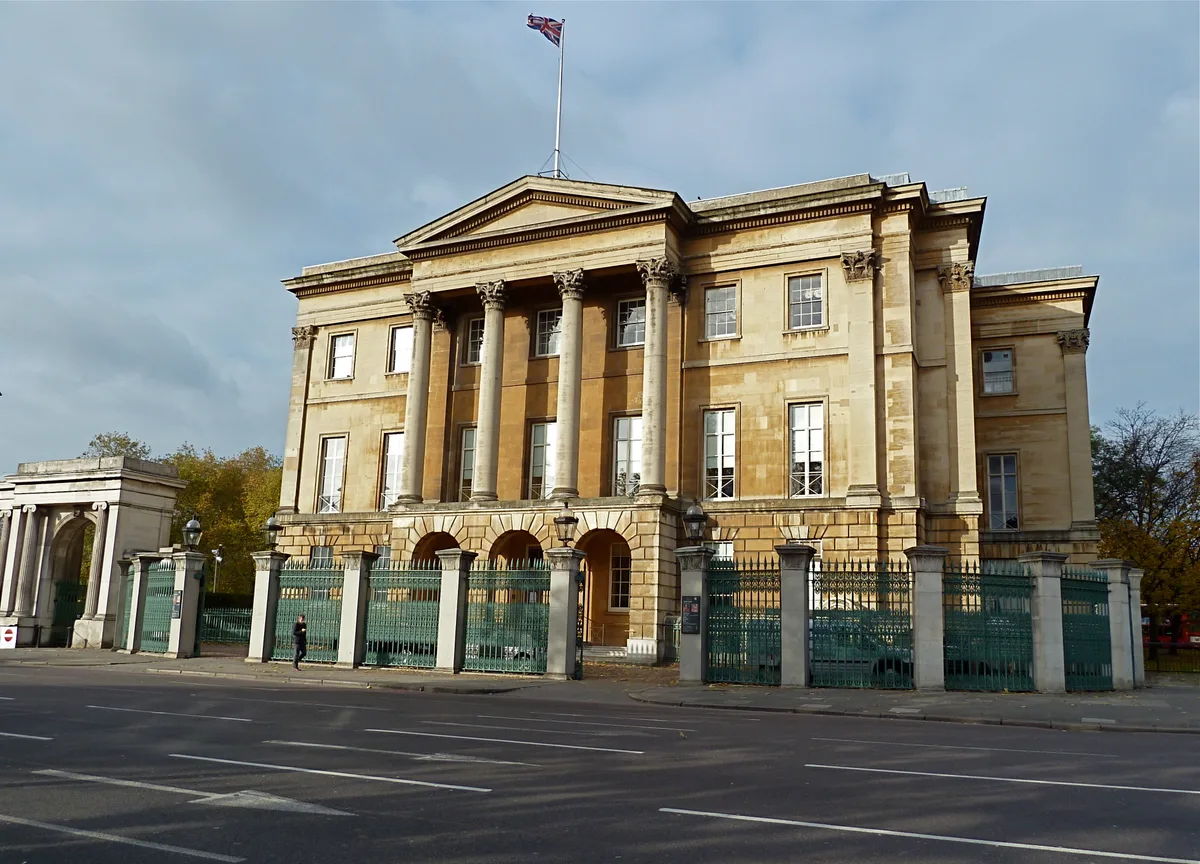
Apsley House
Apsley House — London townhouse of the Dukes of Wellington.
 📷 5
📷 5Castles · London
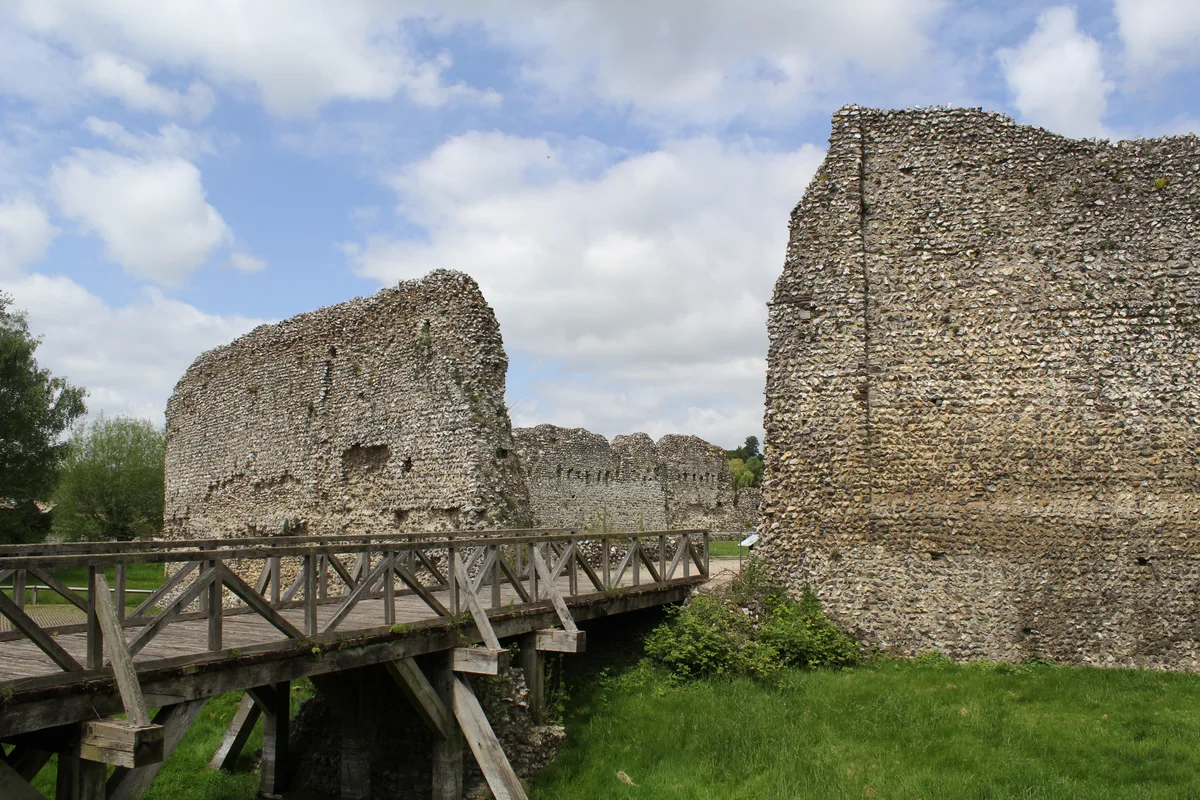
Eynsford Castle
Eynsford Castle — castle, now ruinous, in Eynsford, Kent, England, UK.
 📷 5
📷 5Museums · London
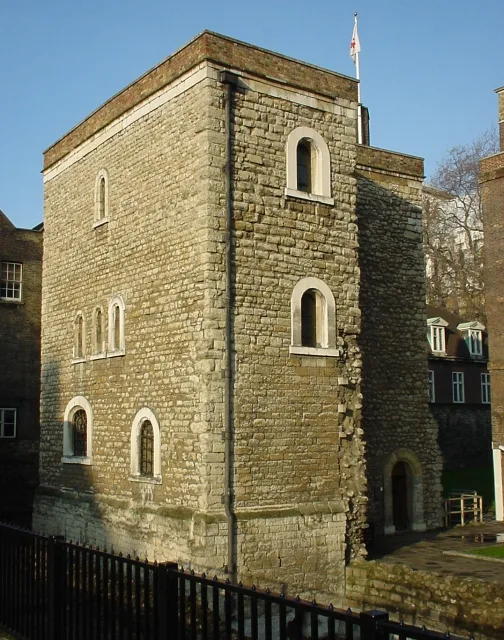
Jewel Tower
Jewel Tower — medieval tower in Westminster, London, England, UK.
Other abbeys from this era
 📷 5
📷 5 📷 5
📷 5 📷 5
📷 5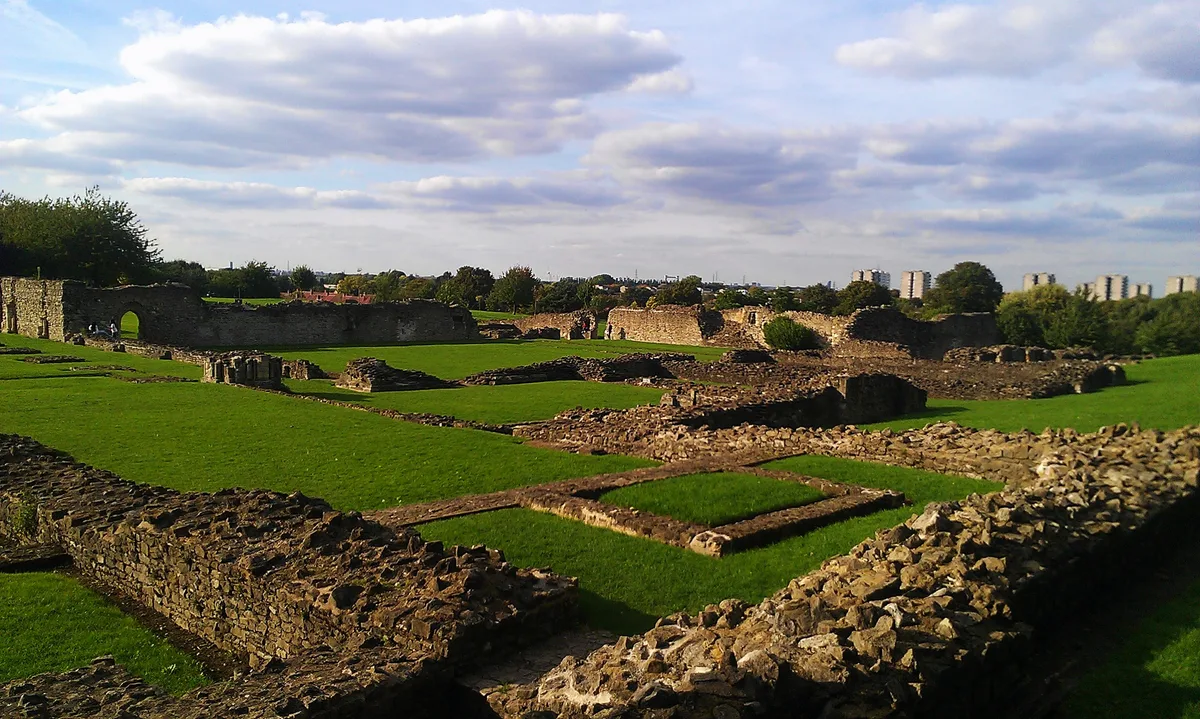 📷 5
📷 5Abbeys & priories · London
Lesnes Abbey
Lesnes Abbey — former abbey, now ruined, in Abbey Wood, London Borough of Bexley, England, UK.
More abbeys in this region
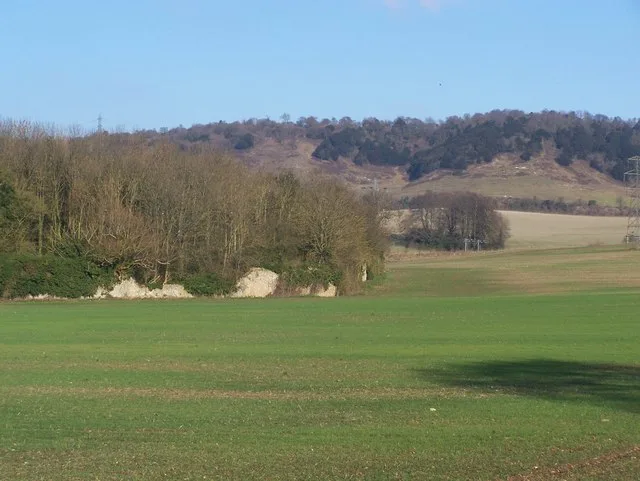 📷 5
📷 5Abbeys & priories · South East England
Boxley Abbey
Boxley Abbey is a abbey in the United Kingdom.
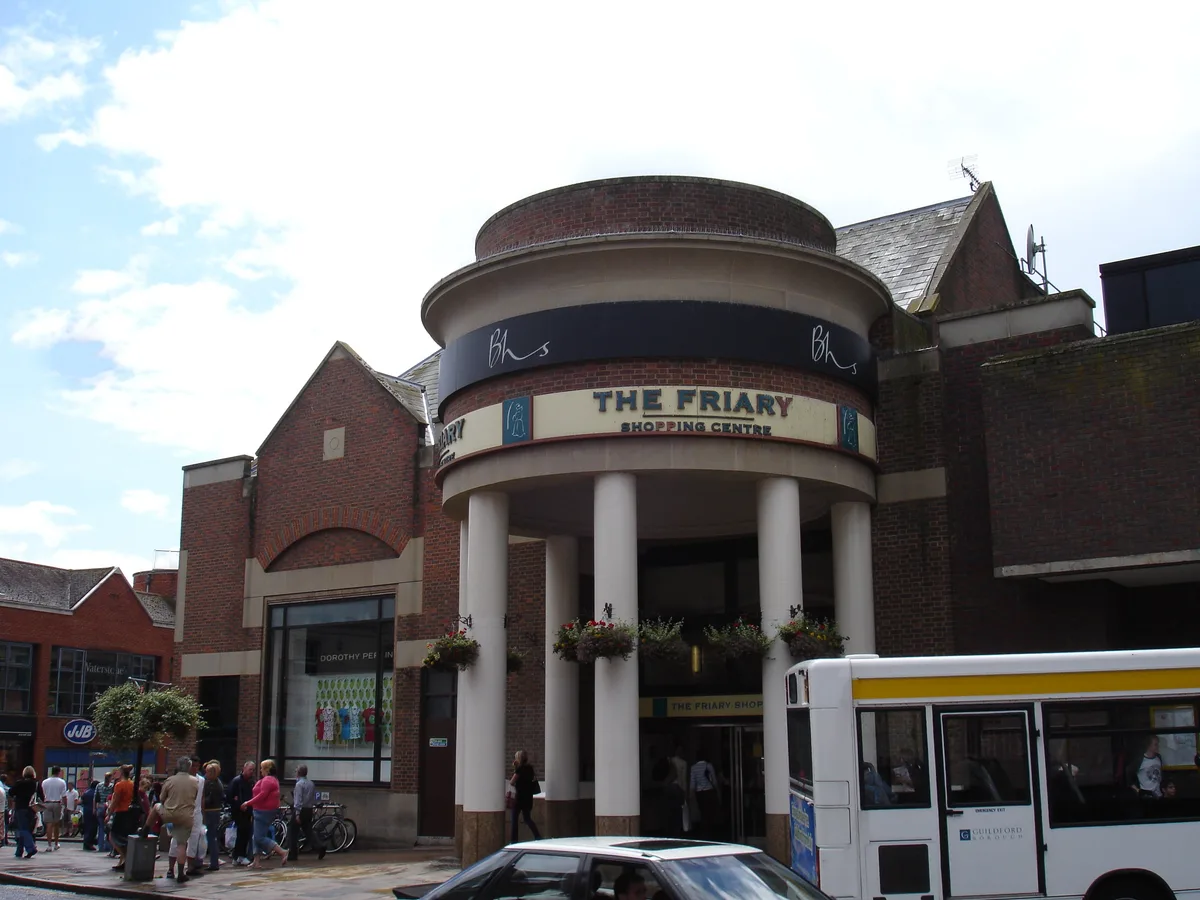 📷 5
📷 5Abbeys & priories · South East England
Guildford Black Friary
Guildford Black Friary — former Dominican friary in Surrey, England.
 📷 5
📷 5Abbeys & priories · South East England
Malling Abbey
Malling Abbey — monastery in West Malling, Kent, United Kingdom.
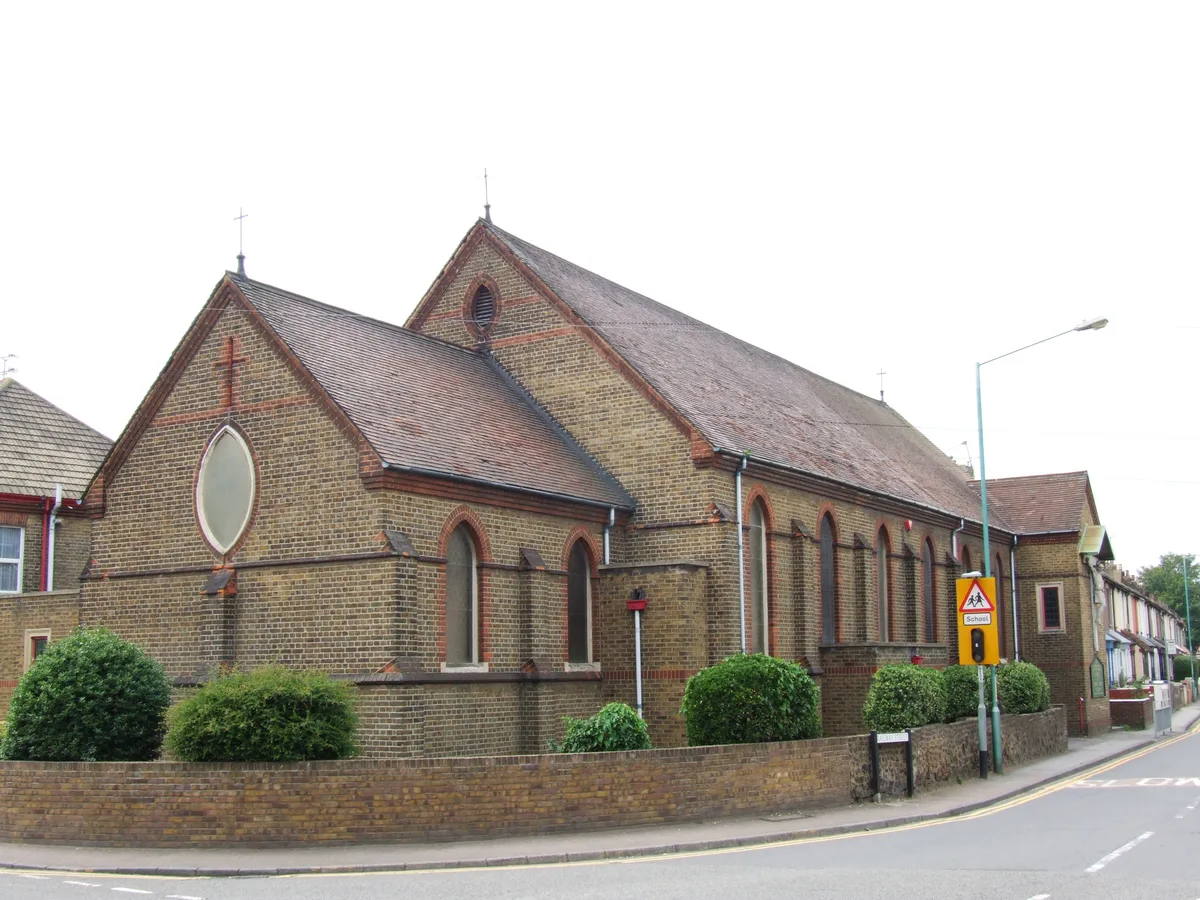 Flagship📷 5
Abbeys & priories · South East England
Our Lady of Gillingham Church
Our Lady of Gillingham Church — church in Kent, United Kingdom.
Frequently asked questions
- Where is Titchfield Abbey?
- Titchfield Abbey is in Hampshire, South-East England, United Kingdom (postcode PO15 5RB), in the parish of Fareham, unparished area.
- What is Titchfield Abbey?
- Titchfield Abbey — medieval abbey and later country house in Titchfield, Hampshire, England, UK.
- How do I get to Titchfield Abbey?
- The nearest railway station is Fareham, about 2.8 km away. The nearest town is Titchfield. Drivers can use postcode PO15 5RB.
- When was Titchfield Abbey built?
- Built or established in 1222.
- Who owns Titchfield Abbey?
- Titchfield Abbey is owned by Henry Wriothesley, 3rd Earl of Southampton and operated by English Heritage.
- Is Titchfield Abbey a listed building?
- Titchfield Abbey is officially recognised as scheduled monument listed.
- Is Titchfield Abbey a protected site?
- Yes — Titchfield Abbey is part of the Lee-on-The Solent to Itchen Estuary SSSI Site of Special Scientific Interest.
- Is Titchfield Abbey free to visit?
- Yes, Titchfield Abbey is free to enter.