
Historic churches · South West England
St Thomas the Martyr, Bristol
In or near Bristol.
St Thomas the Martyr, Bristol — church in Bristol, England, UK.

Wikimedia Commons contributors — see linked file page for photographer and licence licence

Plan your visit
- Typical visit
- 30 min–1 h
- Nearest railway station
- Princes Wharf · 0.7 km
- Free entry
- Family-friendly
- Limited wheelchair access
Getting there & planning your visit
St Thomas the Martyr in Bristol is located at postcode BS1 6QP and is approximately 0.7 km from the nearest railway station, Princes Wharf. Entry to the church is free, but wheelchair accessibility is limited.
About
St Thomas the Martyr, Bristol is a historic church in the United Kingdom. Heritage designation: Grade II* listed building. Wikidata describes it as: "church in Bristol, England, UK". Coordinates: 51.4527°, -2.5914°.
Photo gallery
360° viewimagery from 2023
Imagery © Mapillary contributors, CC BY-SA 4.0
Heritage listing
St Thomas the Martyr is a former Church of England parish church on St Thomas Street in the Redcliffe district of the English port city of Bristol. It is recorded in the National Heritage List for England as a Grade II* listed building. The building comprises a 14th-century tower attached to a late 18th-century nave and aisles designed by James Allen. Historically a chapel of ease to Bedminster, it became a significant place of worship for the wealthy merchant class of Redcliffe. Although the church survived the Bristol Blitz of World War II, the congregation declined in the post-war period. It was declared redundant and is now in the care of the Churches Conservation Trust, having been vested in the Trust on 17 February 1988.
From the Historic England List Entry under OGL v3.
Official information
The Glassboat is a unique waterfront bar located in central Bristol, offering a variety of drinks including gin and vodka cocktails. Visitors can enjoy interactive experiences such as cocktail masterclasses and private hire options for events.
Protected designations
- Site of Special Scientific Interest: Severn Estuary SSSI
Designations sourced from Natural England open data under OGL v3.
From the Wikipedia article
St Thomas the Martyr is a former Church of England parish church on St Thomas Street in the Redcliffe district of the English port city of Bristol. It is recorded in the National Heritage List for England as a Grade II* listed building. The building comprises a 14th-century tower attached to a late 18th-century nave and aisles designed by James Allen. Historically a chapel of ease to Bedminster, it became a significant place of worship for the wealthy merchant class of Redcliffe. Although the church survived the Bristol Blitz of World War II, the congregation declined in the post-war period. It was declared redundant and is now in the care of the Churches Conservation Trust, having been vested in the Trust on 17 February 1988. The building is currently leased by the Churches Conservation Trust to the Romanian Orthodox Parish of Saints Constantine and Helena (Romanian: Parohia Sfinții Împărați Constantin și Elena). The parish was founded in 2011 and is led by Father Ioan Claudiu Moldovan, who also serves as the area's Dean for the Southwest and Wales.
Excerpt from Wikipedia under CC BY-SA 4.0. See the source article linked in Sources below.
Background
History
The church was likely founded in the 1170s, a period of expansion for Bristol south of the River Avon driven by the prosperity of the wool trade. It was dedicated to Thomas Becket, who was martyred in 1170; the dedication may have been influenced by Becket's role as Chancellor when Bristol received its earliest charter. Throughout the Middle Ages, St Thomas's, along with its neighbour St Mary Redcliffe, functioned as a chapel of ease to the mother church of Bedminster, rather than as an independent parish church. By the 15th century, the church had been enriched by the area's wealthy merchants, becoming the second largest church in the city after St Mary Redcliffe. The medieval structure…
Architecture
The interior is a spacious classical hall, divided into a nave and aisles by square piers with Tuscan capitals supporting semi-circular arches. The nave ceiling is a barrel vault intersected by cross vaults for the clerestory windows, decorated with plaster ribs and cherub heads, a motif repeated throughout the church. The north aisle contains a monument to John Herman Kater (d. 1803), a sugar refiner; appropriately, the tablet is surmounted by a sculpted sugarloaf. Other fittings include a sword rest (1637) for the Lord Mayor of Bristol, a pair of 17th-century chests, and a marble font installed in 1879. A cutlass, reportedly picked up after the 1831 Bristol riots, is preserved in the…
Sourced from Wikipedia under CC BY-SA 4.0.
- Coordinates
- 51.4527, -2.5914
- District
- Bristol, City of
- Parish
- Bristol, City of, unparished area
- Postcode
- BS1 6QP
- Parliamentary constituency
- Bristol Central
- Phone
- 07912 240985
- Nearest railway station
- Princes Wharf — 0.7 km
- Opening
- Tue-Thu: 1pm - 9pm; Fri-Sat: 12pm - 10pm; Sun-Mon: Closed
Sources
- wikidata: Q7595585 (CC0)
- wikipedia: St Thomas the Martyr, Bristol (CC BY-SA 4.0)
- commons: St Thomas the Martyr Bristol2.jpg (CC BY-SA 4.0)
Other places nearby

Redcliffe Back
Natural landmarks · 0.0 km

Exploration
Public art & sculpture · 0.1 km

Bristol Merchant Seafarers
Memorials & monuments · 0.1 km
Welsh Back
Natural landmarks · 0.1 km
Merchant Navy Association Bristol
Memorials & monuments · 0.1 km
Bristol Ships Lost
Memorials & monuments · 0.1 km

6 O'clock Gin at The Glassboat
Maritime museums · 0.1 km

Three Brothers Burgers
Maritime museums · 0.1 km

Bristol Bridge
Historic bridges · 0.1 km
Bristol city centre
Museums · 0.1 km

The Apple
Historic pubs · 0.1 km

Welsh Back
Marinas · 0.1 km
Nearby
📷 3Natural landmarks · South West England
Redcliffe Back
Redcliffe Back — a other in england-south-west, United Kingdom.
📷 3Public art & sculpture · South West England
Exploration
Exploration — a public art in england-south-west, United Kingdom.
📷 3Memorials & monuments · South West England
Bristol Merchant Seafarers
Bristol Merchant Seafarers — a memorial in england-south-west, United Kingdom.
📷 3Natural landmarks · South West England
Welsh Back
Welsh Back — a other in england-south-west, United Kingdom.
📷 3Memorials & monuments · South West England
Merchant Navy Association Bristol
Merchant Navy Association Bristol — a memorial in england-south-west, United Kingdom.
📷 3Memorials & monuments · South West England
Bristol Ships Lost
Bristol Ships Lost — a memorial in england-south-west, United Kingdom.
Where to eat & stay near St Thomas the Martyr, Bristol
Places to stay
 📷 5
📷 5B&Bs · South West England
Brooks Guest House
Brooks Guest House — a bed-and-breakfast in england south west.
 📷 7
📷 7 📷 5
📷 5Hotels · South West England
Mercure Grand Hotel
Mercure Grand Hotel — a hotel in england south west.
 📷 5
📷 5Hostels · South West England
Bristol Backpackers Youth Hostel
Bristol Backpackers Youth Hostel — a hostel in england south west.
 📷 5
📷 5Hotels · South West England
Radisson Hotel Blu
Radisson Hotel Blu — a hotel in england south west.
 📷 5
📷 5Places to eat & drink
📷 5Historic pubs · South West England
The Apple
The Apple — Historic pub — listed building or notable heritage status.
 📷 5
📷 5Historic pubs · South West England
Seven Stars Public House, Bristol
Seven Stars Public House, Bristol in Wales South, United Kingdom.
 📷 6
📷 6Restaurants · South West England
Sandwich Sandwich
Sandwich Sandwich — a restaurant in england south west.
 📷 6
📷 6Historic pubs · South West England
Saint Nicholas Market
Saint Nicholas Market is a place of interest in the United Kingdom.
 📷 3
📷 3Historic pubs · South West England
The Beer Emporium
The Beer Emporium — Historic pub — listed building or notable heritage status.
 📷 7
📷 7Historic pubs · South West England
The Cornubia Public House
The Cornubia Public House in Wales South, United Kingdom.
More places in this region
 📷 5
📷 5Historic churches · South West England
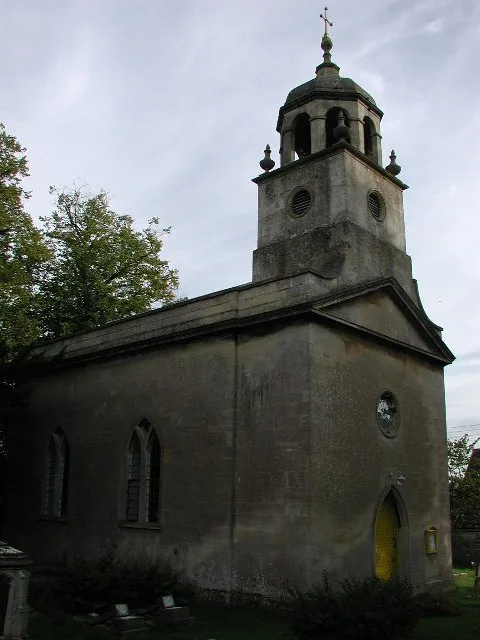
Abbey Church of St Gregory the Great, Downside Abbey
Abbey Church of St Gregory the Great, Downside Abbey — church in Stratton-on-the-Fosse, Somerset, England, UK.
 📷 5
📷 5Historic churches · South West England
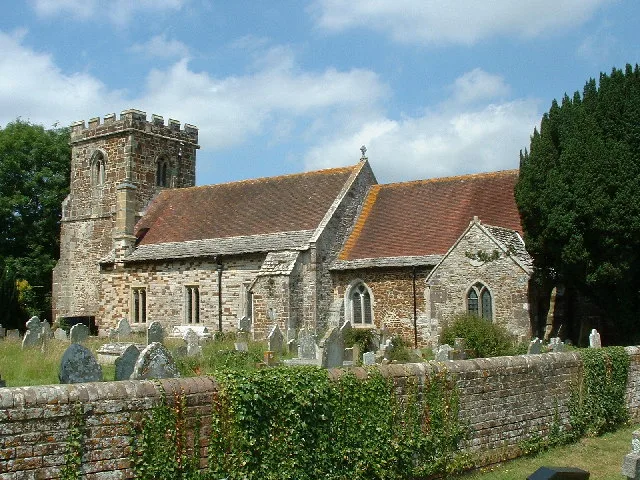
All Saints Church
All Saints Church — Grade I listed church in Woolley, Somerset, England, UK.
 📷 5
📷 5Historic churches · South West England
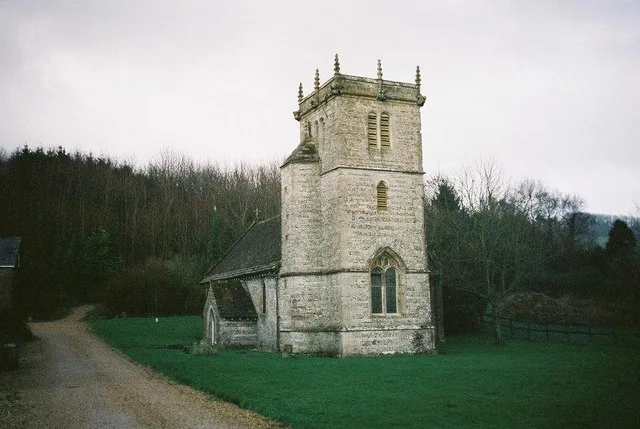
All Saints Church, Hampreston
All Saints Church, Hampreston — church in Hampreston, Dorset, England, UK.
 📷 5
📷 5Historic churches · South West England
All Saints Church, Nether Cerne
All Saints Church, Nether Cerne — church in Nether Cerne, Dorset, England, UK.
Frequently asked questions
- Where is St Thomas the Martyr, Bristol?
- St Thomas the Martyr, Bristol is in South-West England, United Kingdom (postcode BS1 6QP), in the parish of Bristol, City of, unparished area.
- What is St Thomas the Martyr, Bristol?
- St Thomas the Martyr, Bristol — church in Bristol, England, UK.
- How do I get to St Thomas the Martyr, Bristol?
- The nearest railway station is Princes Wharf, about 0.7 km away. The nearest town is Bristol. Drivers can use postcode BS1 6QP.
- Is St Thomas the Martyr, Bristol a listed building?
- St Thomas the Martyr, Bristol is officially recognised as Grade II* listed building listed.
- Is St Thomas the Martyr, Bristol a protected site?
- Yes — St Thomas the Martyr, Bristol is part of the Severn Estuary SSSI Site of Special Scientific Interest.
- Is St Thomas the Martyr, Bristol free to visit?
- Yes, St Thomas the Martyr, Bristol is free to enter.
- How do I get to St Thomas the Martyr, Bristol?
- The nearest railway station is Princes Wharf, about 0.7 km away. Drivers can navigate to postcode BS1 6QP.