
Historic churches · West Midlands
St Mary Magdalene's Church, Battlefield
In or near Fitz.
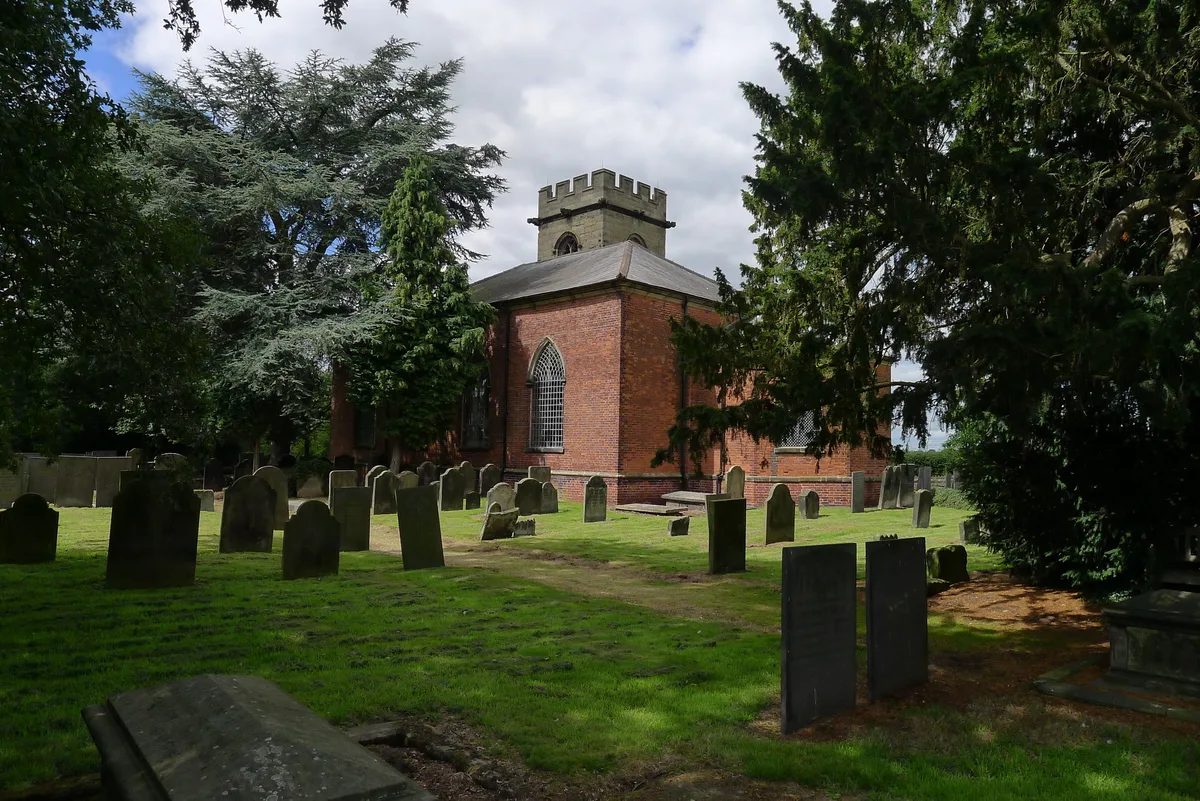
St Mary Magdalene's Church, Battlefield — church in Shrewsbury, Shropshire, England, UK.

Wikimedia Commons contributors — see linked file page for photographer and licence licence

Plan your visit
- Typical visit
- 30 min–1 h
- Nearest railway station
- Shrewsbury · 4.7 km
- Free entry
Getting there & planning your visit
To visit St Mary Magdalene's Church in Battlefield, use the postcode SY4 3DB for sat-nav directions. The nearest railway station is Shrewsbury, located 4.7 km away. Entry to the church is free.
About
St Mary Magdalene's Church, Battlefield is a historic church in the United Kingdom. Records date its origin to 1401. Designed by Samuel Pountney Smith. Built in the English Gothic architecture style. Heritage designation: Grade II* listed building. Wikidata describes it as: "church in Shrewsbury, Shropshire, England, UK". Coordinates: 52.7507°, -2.7236°.
Photo gallery
Heritage listing
St Mary Magdalene's Church is in the village of Battlefield, Shropshire, England, dedicated to Jesus' companion Mary Magdalene. It was built on the site of the 1403 Battle of Shrewsbury between Henry IV and Henry "Hotspur" Percy, and was originally intended as a chantry, a place of intercession and commemoration for those killed in the fighting. It is probably built over a mass burial pit. It was originally a collegiate church staffed by a small community of chaplains whose main duty was to perform a daily liturgy for the dead. Roger Ive, the local parish priest, is generally regarded as the founder, although the church received considerable support and endowment from Henry IV.
From the Historic England List Entry under OGL v3.
From the Wikipedia article
St Mary Magdalene's Church is in the village of Battlefield, Shropshire, England, dedicated to Jesus' companion Mary Magdalene. It was built on the site of the 1403 Battle of Shrewsbury between Henry IV and Henry "Hotspur" Percy, and was originally intended as a chantry, a place of intercession and commemoration for those killed in the fighting. It is probably built over a mass burial pit. It was originally a collegiate church staffed by a small community of chaplains whose main duty was to perform a daily liturgy for the dead. Roger Ive, the local parish priest, is generally regarded as the founder, although the church received considerable support and endowment from Henry IV. After the dissolution of the college and chantry in 1548, the building was used as the local parish church and it underwent serious decay, punctuated by attempts at rebuilding from the mid-18th century. A restoration in Victorian times was controversial in intention, scope and detail, although many original features remain. Today it is a redundant Anglican church. It is recorded in the National Heritage List for England as a designated Grade II* listed building, and is under the care of the Churches Conservation Trust.
Excerpt from Wikipedia under CC BY-SA 4.0. See the source article linked in Sources below.
Background
Architecture
There is no structural division between the nave and the chancel. The dividing screen, which dominates the view on entering the building, was installed by Pountney Smith in the Victorian restoration. The doorway on the north of the chancel leads to the vestry, which is the former Corbet mortuary. However, there is no evidence for either suggestion and Thomas Auden challenged the need for a theory of removal as early as 1903, pointing out the existence of other oak carvings in Shropshire churches of the period. He considered the image particularly appropriate as "in a Church whose special object was the commemoration of the dead, it would be natural to place over one of the altars the figure…
Description
In a grant of 27 May 1410 Henry IV portrayed himself as founder of the memorial chapel and chantry at Battlefield, granting land other endowments to Roger Ive, the Rector of Albright Hussey for this purpose.</blockquote> However, a Georgian historian of Shropshire, John Brickdale Blakeway, had long before disentangled the course of the foundation, making clear that the initiative was local, coming from Roger Ive, the parish rector, and Richard Hussey, the lord of the manor. Blakeway's notes were not published until 1889, more than 60 years after his death, so W. G. D. Fletcher, an important Victorian antiquarian, was sometimes credited with discovering Roger Ive's claim to be the true…
Sourced from Wikipedia under CC BY-SA 4.0.
- Coordinates
- 52.7507, -2.7236
- District
- Shropshire
- Parish
- Bomere Heath and District
- Postcode
- SY4 3DB
- Parliamentary constituency
- Shrewsbury
- Established
- 1401
- Nearest railway station
- Shrewsbury — 4.7 km
- Official site
- www.visitchurches.org.uk
Sources
- wikidata: Q7594573 (CC0)
- wikipedia: St Mary Magdalene's Church, Battlefield (CC BY-SA 4.0)
- commons: St. Mary Magdalene's Church, Battlefield. - geograph.org.uk - 383039.jpg (CC BY-SA 4.0)
Other places nearby

Battle of Shrewsbury
Forts · 0.2 km

Battle of Shrewsbury Exhibition
Museums · 0.3 km
Battlefield Farm
Battlefields & battle sites · 0.4 km

Battlefield, Shropshire
Museums · 0.6 km

Battlefield Heritage Park
Museums · 0.7 km

JumpIn
Trampoline parks · 1.5 km

Harlescott
Villages · 1.5 km

Beaconsfield Caravan Park
Caravan parks · 1.8 km
%2C_Ellesmere_Road%2C_Shropshire_-_3_(geograph_3324300).jpg?width=1200)
Albrighton Hall
Historic houses · 1.9 km

Monument To King George Iv Approximately 30 Metres To South Of Astley House
Memorials & monuments · 2.0 km

Sundorne School
Natural landmarks · 2.1 km

Sundorne
Castles · 2.3 km
Nearby
📷 3📷 3Museums · West Midlands
Battle of Shrewsbury Exhibition
Battle of Shrewsbury Exhibition — a museum in wales-north, United Kingdom.
📷 3Battlefields & battle sites · West Midlands
Battlefield Farm
Battlefield Farm — a battlefield in wales-north, United Kingdom.
📷 5Museums · West Midlands
Battlefield, Shropshire
Battlefield is a village and suburb of the town of Shrewsbury in Shropshire, England. It is 3 miles (5 km) north of the town centre. The village is today split between three civil parishes - Shrewsbur
📷 5Museums · West Midlands
Battlefield Heritage Park
Battlefield Heritage Park is a country park situated north of Shrewsbury in Shropshire, in the area known as Battlefield. It marks the supposed site of the 1403 Battle of Shrewsbury fought between Kin
📷 3Where to eat & stay near St Mary Magdalene's Church, Battlefield
Places to stay
📷 5Caravan parks · West Midlands
Beaconsfield Caravan Park
Beaconsfield Caravan Park — a caravan park in wales north.
 📷 5
📷 5 📷 5
📷 5 📷 5
📷 5Campsites · West Midlands
Safari Lodge Glamping Village
Safari Lodge Glamping Village — a campsite in wales north.
 📷 5
📷 5Campsites · West Midlands
Ebury Hill Camping And Caravanning Club Site
Ebury Hill Camping And Caravanning Club Site — a campsite in wales north.
 📷 7
📷 7Places to eat & drink
 📷 7
📷 7Historic pubs · West Midlands
Canal Tavern Public House And Attached Outbuilding Range
Canal Tavern Public House And Attached Outbuilding Range in Wales North, United Kingdom.
 📷 7
📷 7Historic pubs · West Midlands
The Castle Vaults Public House
The Castle Vaults Public House in Wales North, United Kingdom.
 📷 7
📷 7Historic pubs · West Midlands
Yorkshire House Public House
Yorkshire House Public House in Wales North, United Kingdom.
 📷 5
📷 5Historic pubs · West Midlands
The Dun And Cow Public House
The Dun And Cow Public House in Wales North, United Kingdom.
 📷 7
📷 7Historic pubs · West Midlands
The Hole In The Wall Public House
The Hole In The Wall Public House in Wales North, United Kingdom.
 📷 7
📷 7Restaurants · West Midlands
The Golden Cross
The Golden Cross — a restaurant in wales north.
Other works by Samuel Pountney Smith
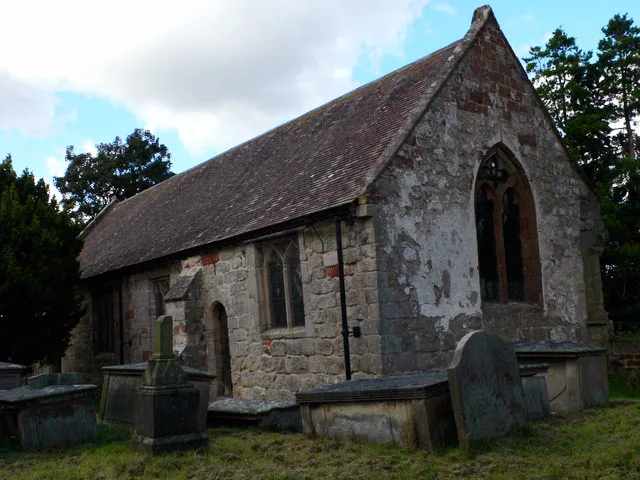 📷 3
📷 3Historic churches · West Midlands
St Martin's Church, Preston Gubbals
St Martin's Church, Preston Gubbals — church in Preston Gubbals, Shropshire, England, UK.
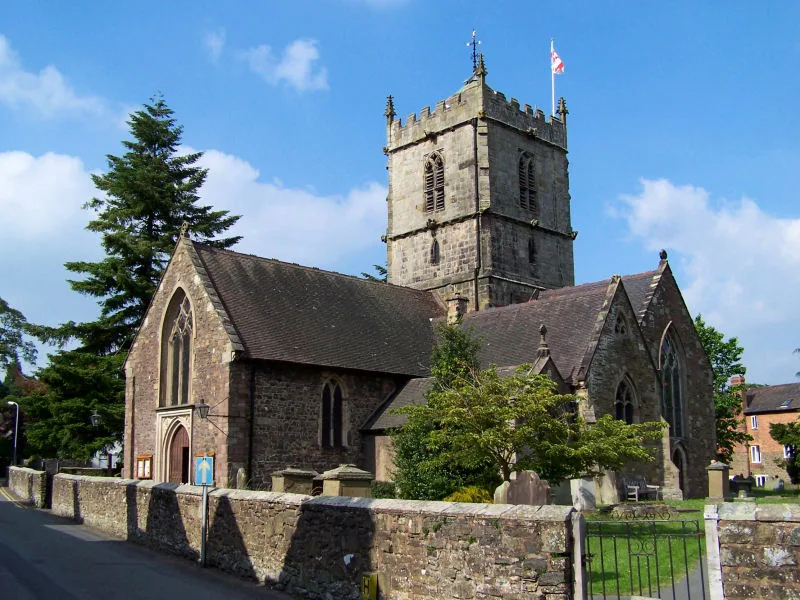 📷 5
📷 5Historic churches · West Midlands
St Laurence's Church, Church Stretton
St Laurence's Church, Church Stretton — church in Church Stretton, Shropshire, England, UK.
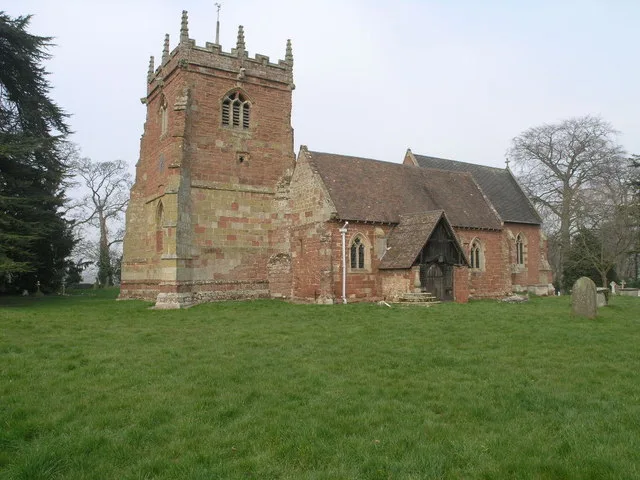 📷 3
📷 3Historic churches · West Midlands
St Peter's Church, Cound
St Peter's Church, Cound — church in Cound, Shropshire, England, UK.
Other places from this era
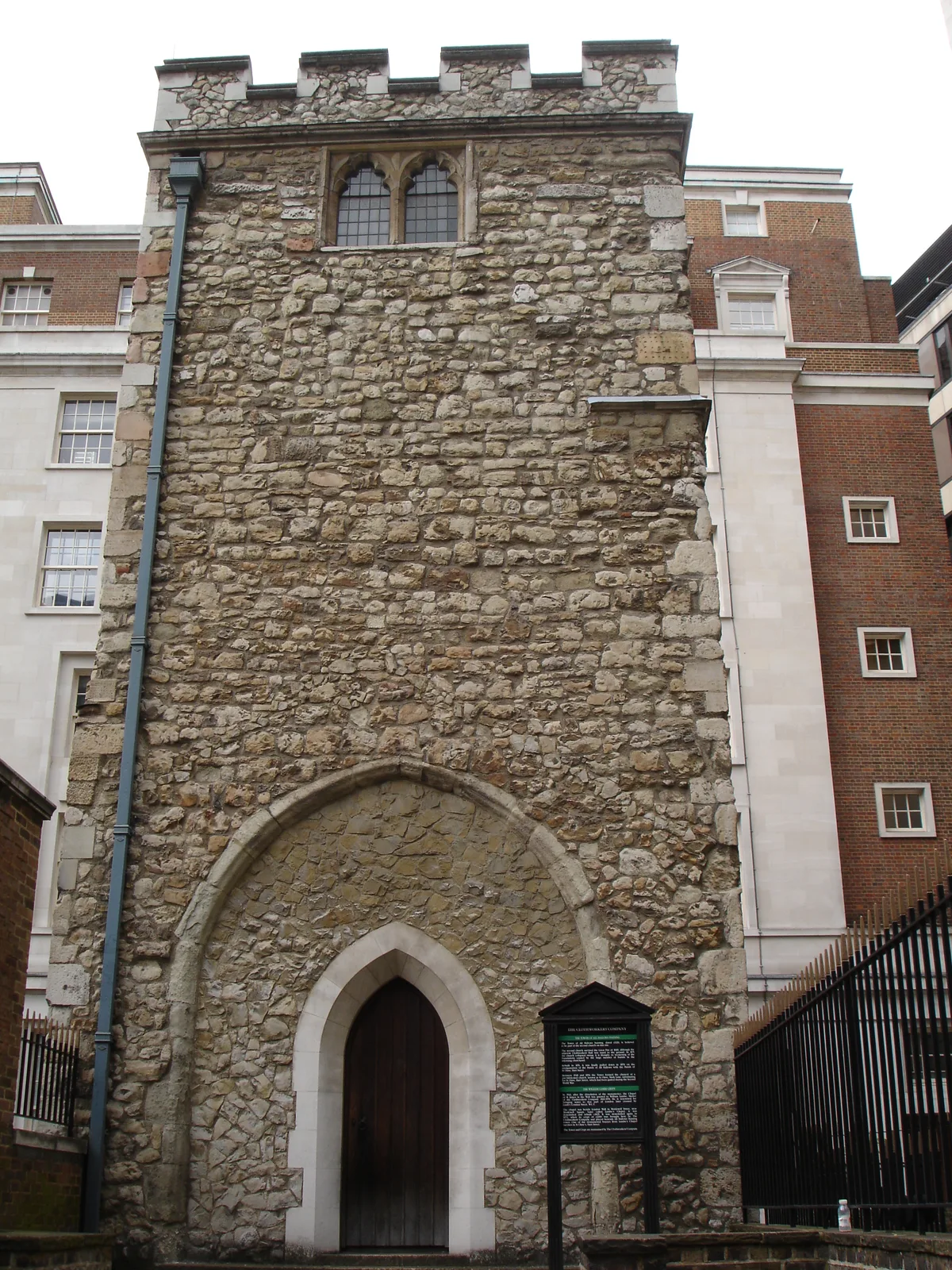 📷 5
📷 5Historic churches · London
All Hallows Staining
All Hallows Staining — church in City of London, UK.
 📷 5
📷 5Historic churches · London
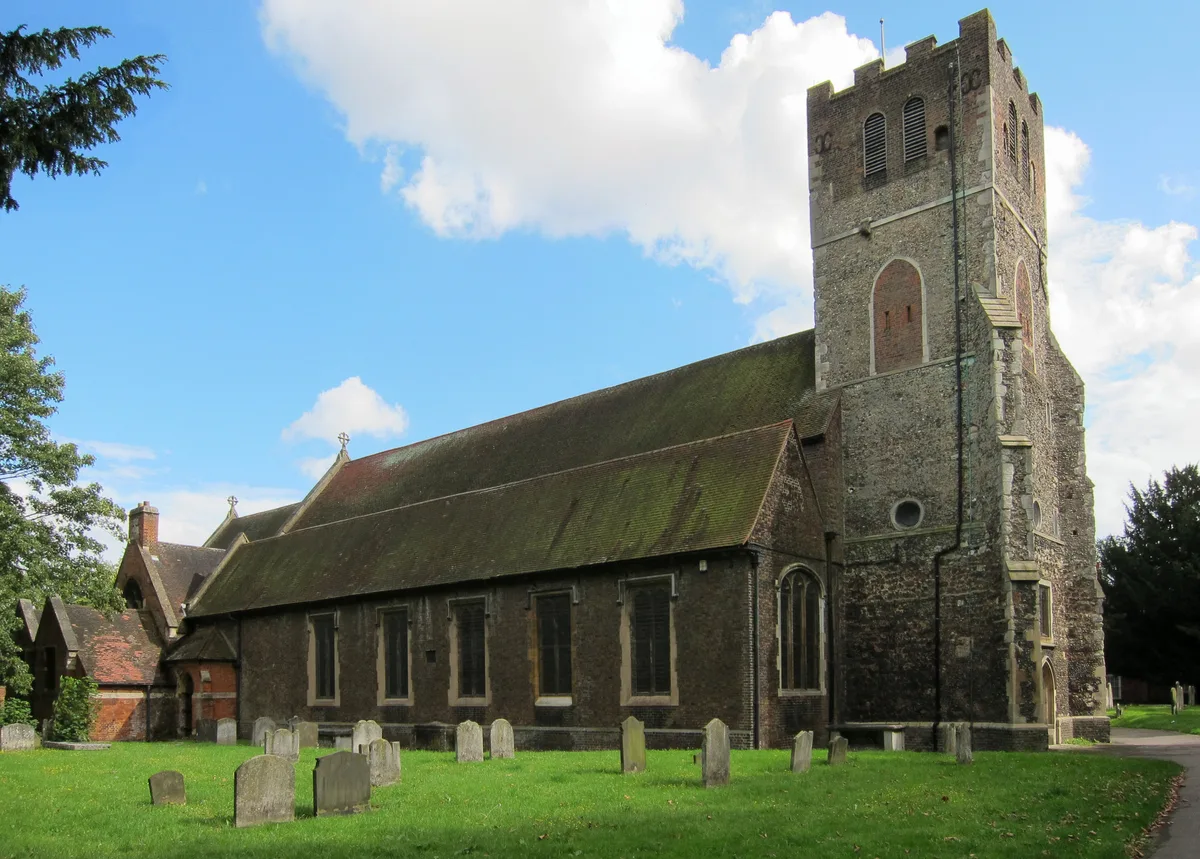
All Hallows' Church, Tottenham
All Hallows' Church, Tottenham — church in Tottenham, London.
 📷 5
📷 5Historic churches · London
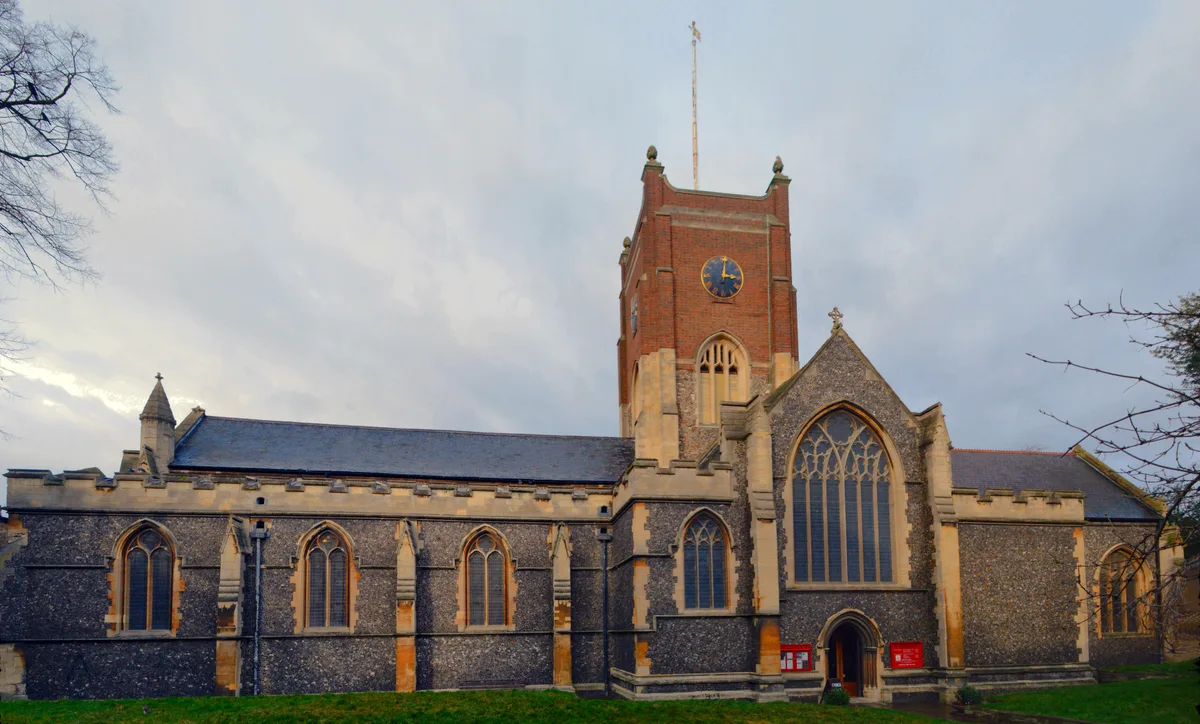
All Saints Church, Kingston upon Thames
All Saints Church, Kingston upon Thames — church in Kingston upon Thames, London.
 📷 5
📷 5Historic churches · London
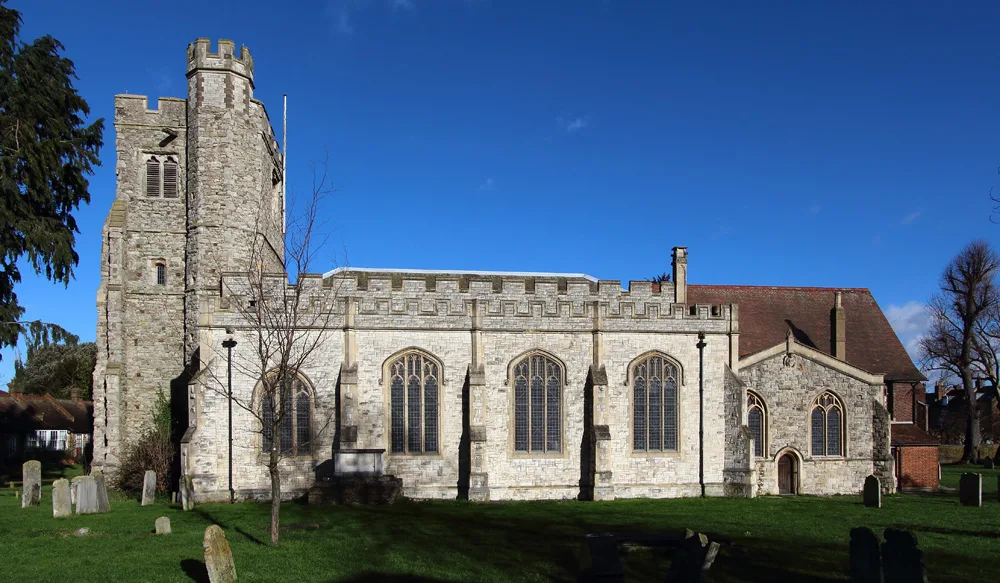
All Saints' Church, Edmonton
All Saints' Church, Edmonton — church in Edmonton, London.
More places in this region
 📷 3
📷 3Historic churches · West Midlands
Church of All Saints
Church of All Saints — Grade I listed church in King's Bromley, Staffordshire, England, UK.
 📷 3
📷 3Historic churches · West Midlands
Church of St Leonard, Blithfield
Church of St Leonard, Blithfield — Grade I listed church, Blithfield, United Kingdom.
 📷 3
📷 3Historic churches · West Midlands
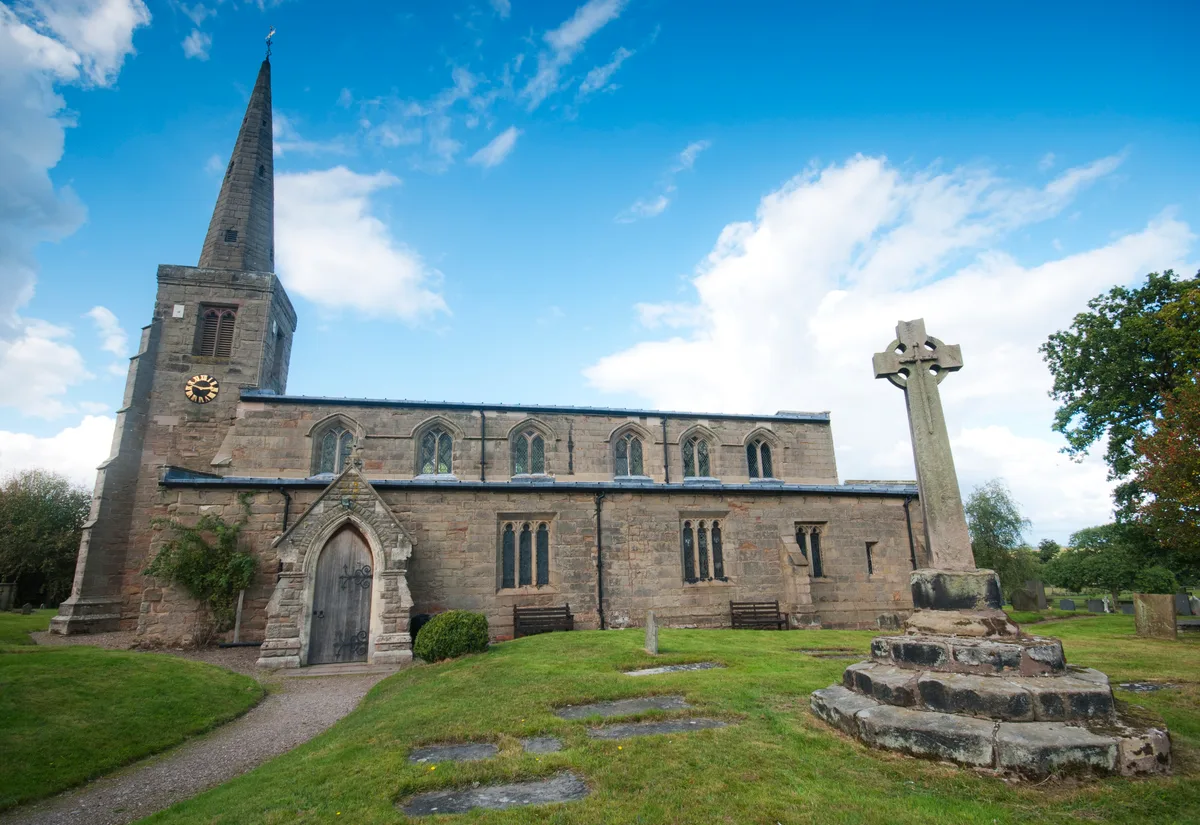
Church of St Michael and All Angels, Hamstall Ridware
Church of St Michael and All Angels, Hamstall Ridware — church in Hamstall Ridware, Staffordshire, England, UK.
 📷 5
📷 5Historic churches · West Midlands
Church of St Nicholas, Mavesyn Ridware
Church of St Nicholas, Mavesyn Ridware — church in Mavesyn Ridware, Staffordshire, England, UK.
Frequently asked questions
- Where is St Mary Magdalene's Church, Battlefield?
- St Mary Magdalene's Church, Battlefield is in the West Midlands, United Kingdom (postcode SY4 3DB), in the parish of Bomere Heath and District.
- What is St Mary Magdalene's Church, Battlefield?
- St Mary Magdalene's Church, Battlefield — church in Shrewsbury, Shropshire, England, UK.
- How do I get to St Mary Magdalene's Church, Battlefield?
- The nearest railway station is Shrewsbury, about 4.7 km away. The nearest town is Fitz. Drivers can use postcode SY4 3DB.
- When was St Mary Magdalene's Church, Battlefield built?
- Built or established in 1401. Designed by Samuel Pountney Smith.
- Is St Mary Magdalene's Church, Battlefield a listed building?
- St Mary Magdalene's Church, Battlefield is officially recognised as Grade II* listed building listed.
- Is St Mary Magdalene's Church, Battlefield free to visit?
- Yes, St Mary Magdalene's Church, Battlefield is free to enter.
- How do I get to St Mary Magdalene's Church, Battlefield?
- The nearest railway station is Shrewsbury, about 4.7 km away. Drivers can navigate to postcode SY4 3DB.