
Historic churches · Scottish Islands
St Magnus Church (Egilsay)
St Magnus Church (Egilsay) — church in Egilsay, UK.

Wikimedia Commons contributors — see linked file page for photographer and licence licence

Plan your visit
- Typical visit
- 30 min–1 h
- Free entry
Getting there & planning your visit
St Magnus Church is located in the Orkney Islands, with the postcode KW17 2QD. Entry is free. The nearest railway station is not specified, and it may be remote with no station nearby.
About
St Magnus Church (Egilsay) is a historic church in the United Kingdom. Records date its origin to 1101. Heritage designation: scheduled monument. Wikidata describes it as: "church in Egilsay, UK". Coordinates: 59.1569°, -2.9352°.
Photo gallery
Heritage listing
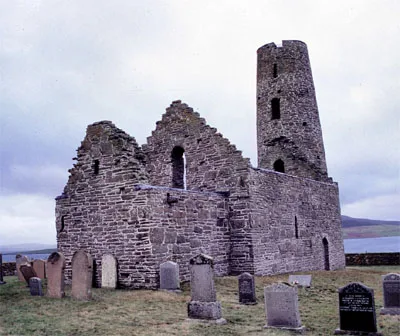
St Magnus Church is a ruined medieval round-tower church located on the island of Egilsay, in Orkney, Scotland. The site is recognized as the place of execution of Saint Magnus Erlendsson, Earl of Orkney, in the 12th century. The roofless structure dates back to the 12th century, and has been described by Historic Environment Scotland (HES) as second only to St Magnus Cathedral, Kirkwall, as a surviving Norse church in Scotland.
From Historic Environment Scotland under OGL v3.
From Historic Environment Scotland
Get an overview of St Magnus Church, a fine Norse church named for an earl who was murdered in a confrontation over the rule of Orkney. Contact HES today for more information.
Read more on the official property page.
From the Wikipedia article
St Magnus Church is a ruined medieval round-tower church located on the island of Egilsay, in Orkney, Scotland. The site is recognized as the place of execution of Saint Magnus Erlendsson, Earl of Orkney, in the 12th century. The roofless structure dates back to the 12th century, and has been described by Historic Environment Scotland (HES) as second only to St Magnus Cathedral, Kirkwall, as a surviving Norse church in Scotland.
Excerpt from Wikipedia under CC BY-SA 4.0. See the source article linked in Sources below.
Background
History
The Orkneyinga saga records that around 1116, Magnus Erlendsson, Earl of Orkney, travelled to the island to resolve a dispute with his rival, Earl Haakon. Magnus spent the night on the island, possibly in a church, and the next day was captured by Haakon and executed. In 1136, Bishop William of Orkney, sanctified the murdered Earl, who became Saint Magnus, and it is thought that the present church was constructed shortly afterwards on the supposed site of the murder. The existing structure is the last surviving of the round-towered churches of the Northern Isles.
Description
St Magnus's Church is located near the northwest coast of Egilsay in Orkney, Scotland. Egilsay belongs to the three island group of Rousay, Egilsay and Wyre. These islands are also known as the Inner Northern Isles. The church was built in the Romanesque style, with a rectangular nave, a chancel at the east end and a round tower at the west end. A door leads from the tower to the central nave of the church. The altar was located in the chancel, which opens directly to the nave. The chancel originally had an upper story. Both the nave and the chancel originally had steeply pitched, stone roofs that were taken down by 1847. Windows and doors have rounded arches. The round tower is currently a…
Sourced from Wikipedia under CC BY-SA 4.0.
- Coordinates
- 59.1569, -2.9352
- District
- Orkney Islands
- Postcode
- KW17 2QD
- Parliamentary constituency
- Orkney and Shetland
- Established
- 1101
Sources
- wikidata: Q2556828 (CC0)
- wikipedia: St Magnus Church, Egilsay (CC BY-SA 4.0)
- commons: St. Magnus Church Egilsay.jpg (CC BY-SA 4.0)
Other places nearby

St Magnus' Cenotaph
Memorials & monuments · 0.6 km

Bay of Roeness
Natural landmarks · 1.2 km

Bay of Skaill
Natural landmarks · 1.3 km
Egilsay
Islands · 1.3 km

Holm of Scockness
Islands · 1.4 km

The Hubbit (old habour)
Archaeological sites · 1.5 km

Laird's House (C17)
Archaeological sites · 1.6 km

Orientation Table
Viewpoints · 1.7 km
Bay of Vady
Natural landmarks · 2.0 km

Settlement site
Archaeological sites · 2.2 km

Modern marker cairn - possible site of prehistoric house
Burial mounds & barrows · 2.4 km
Edge slabs from a prehistoric house
Archaeological sites · 2.5 km
Nearby
📷 3Memorials & monuments · Scottish Islands
St Magnus' Cenotaph
St Magnus' Cenotaph — a memorial in scotland-islands, United Kingdom.
📷 5Natural landmarks · Scottish Islands
Bay of Roeness
Bay of Roeness — a natural feature in scotland islands.
📷 5Natural landmarks · Scottish Islands
Bay of Skaill
Bay of Skaill — a natural feature in scotland islands.
Flagship📷 5📷 3Islands · Scottish Islands
Holm of Scockness
Holm of Scockness — small island in the Orkney Islands, Scotland, between Rousay and Egilsay.
📷 3Archaeological sites · Scottish Islands
The Hubbit (old habour)
The Hubbit (old habour) — a archaeological in scotland-islands, United Kingdom.
Where to eat & stay near St Magnus Church (Egilsay)
Places to stay
 📷 5
📷 5Campsites · Scottish Islands
Trumland Hostel & Campsite
Trumland Hostel & Campsite — a campsite in scotland islands.
📷 5Hostels · Scottish Islands
Trumland Hostel & Campsite
Trumland Hostel & Campsite — a hostel in scotland islands.
 📷 5
📷 5 📷 5
📷 5Hostels · Scottish Islands
Eday Community Youth Hostel
Eday Community Youth Hostel — a hostel in scotland islands.
 📷 5
📷 5Caravan parks · Scottish Islands
Caravan and Motorhome Club site
Caravan and Motorhome Club site — a caravan park in scotland islands.
 📷 5
📷 5Places to eat & drink
 📷 4
📷 4Other places from this era
 📷 5
📷 5Historic churches · London
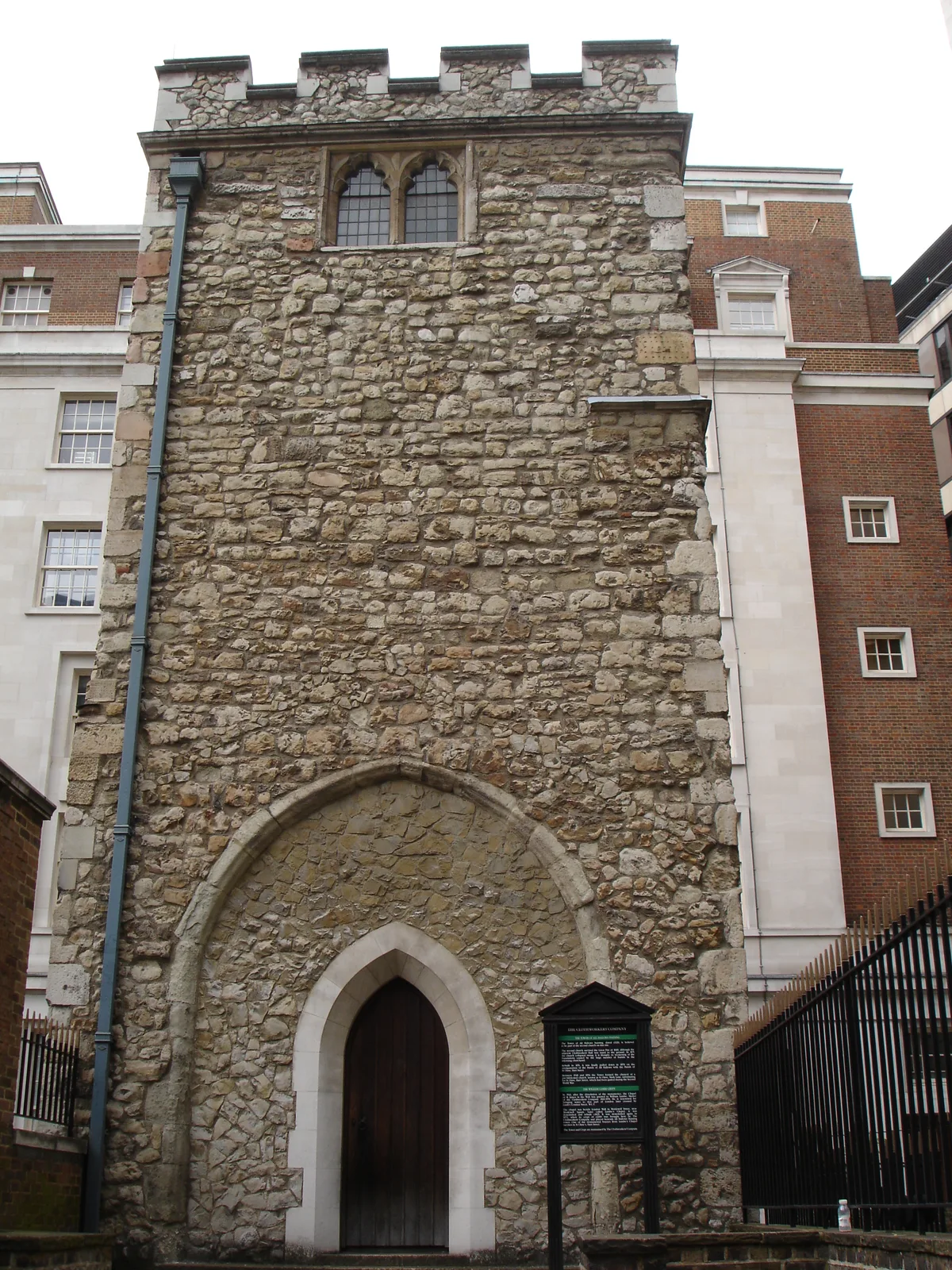
All Hallows Staining
All Hallows Staining — church in City of London, UK.
 📷 5
📷 5Historic churches · London
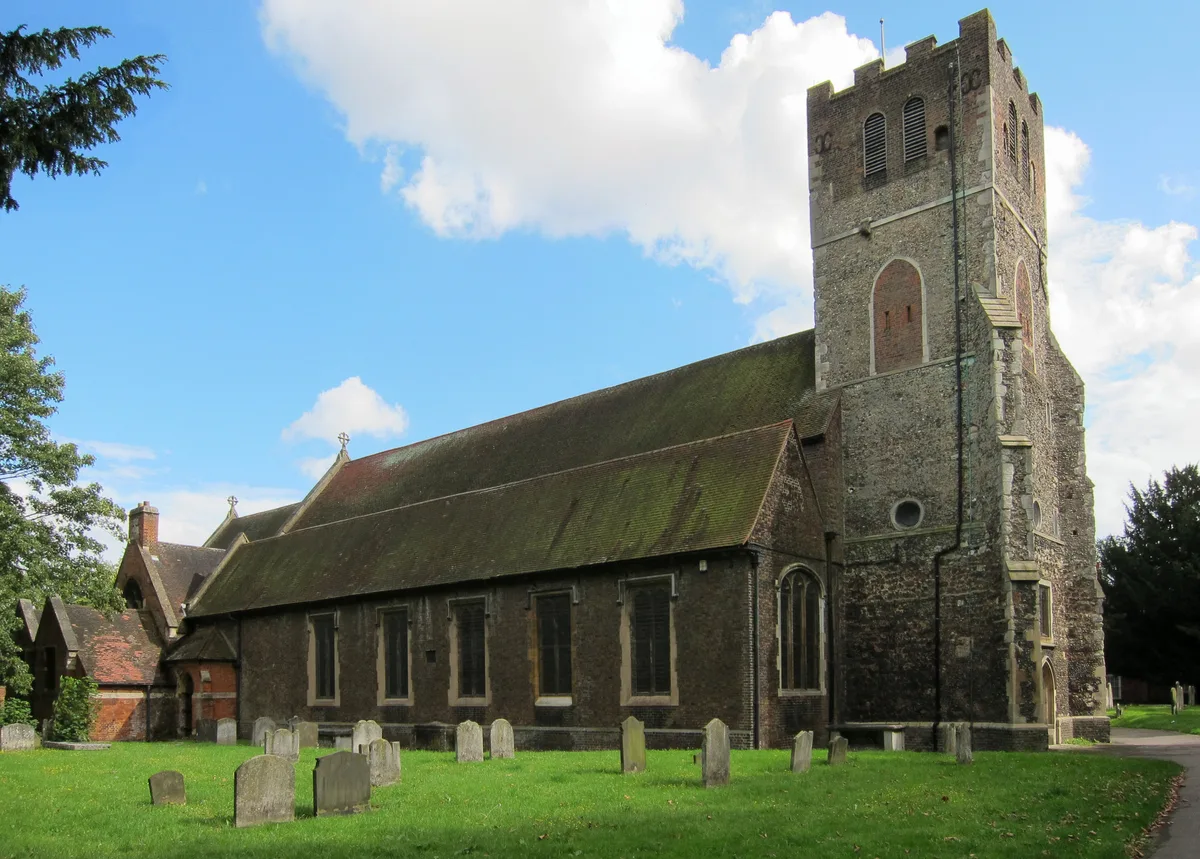
All Hallows' Church, Tottenham
All Hallows' Church, Tottenham — church in Tottenham, London.
 📷 5
📷 5Historic churches · London
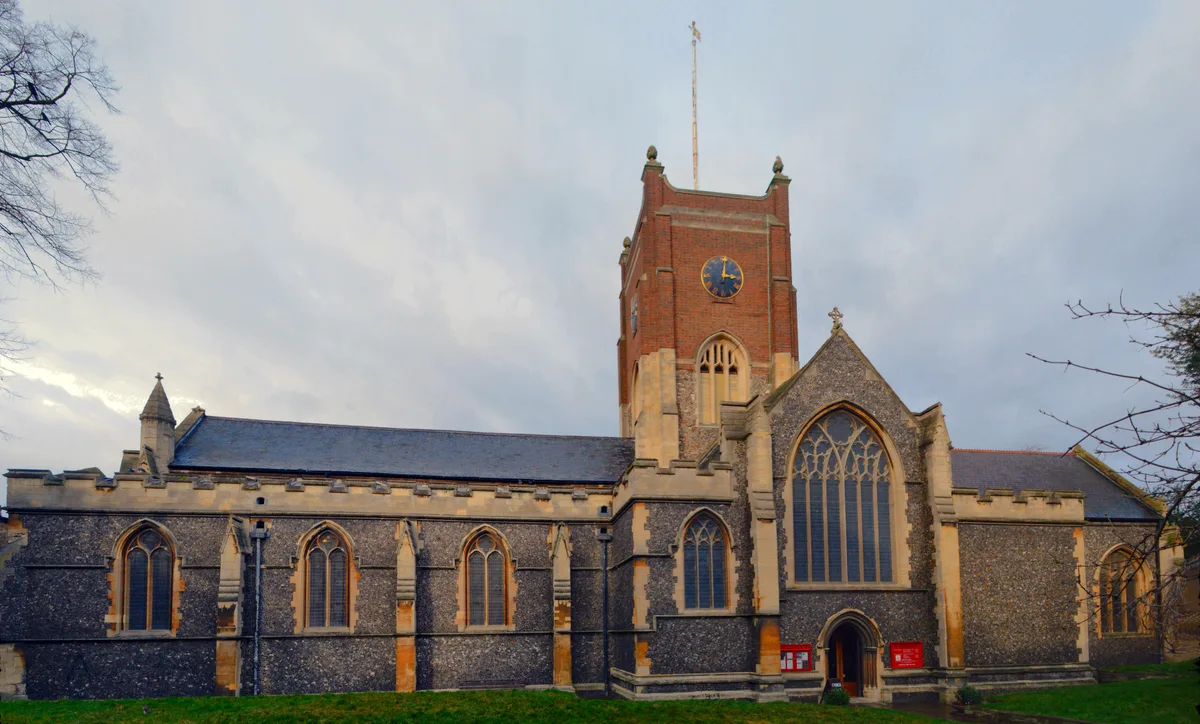
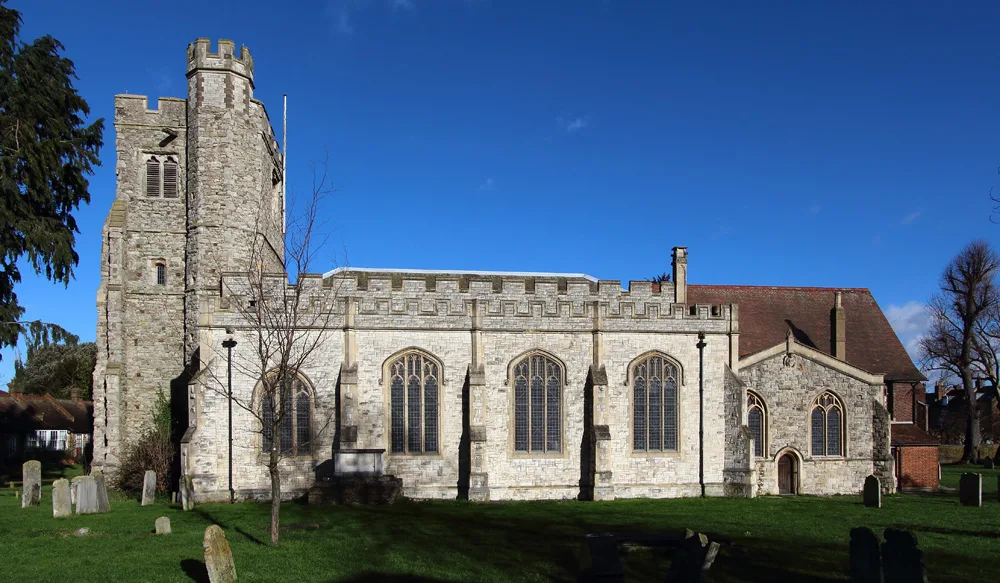
All Saints Church, Kingston upon Thames
All Saints Church, Kingston upon Thames — church in Kingston upon Thames, London.
 📷 5
📷 5Historic churches · London
All Saints' Church, Edmonton
All Saints' Church, Edmonton — church in Edmonton, London.
More places in this region
 📷 3
📷 3Historic churches · Scottish Islands
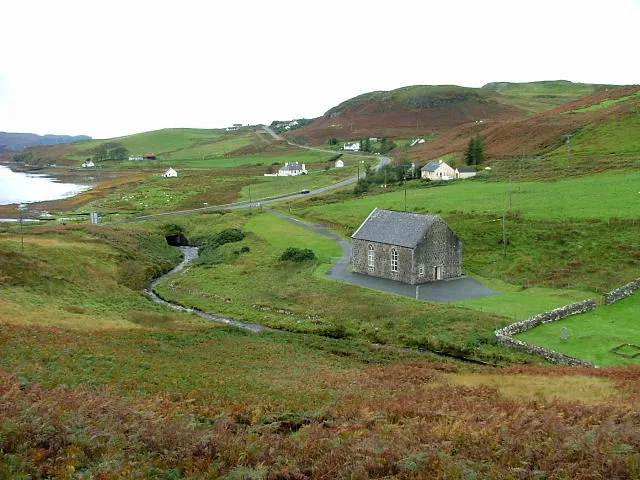
Bracadale Free Presbyterian Church
Bracadale Free Presbyterian Church — church in Highland, Scotland, UK.
 📷 3
📷 3Historic churches · Scottish Islands
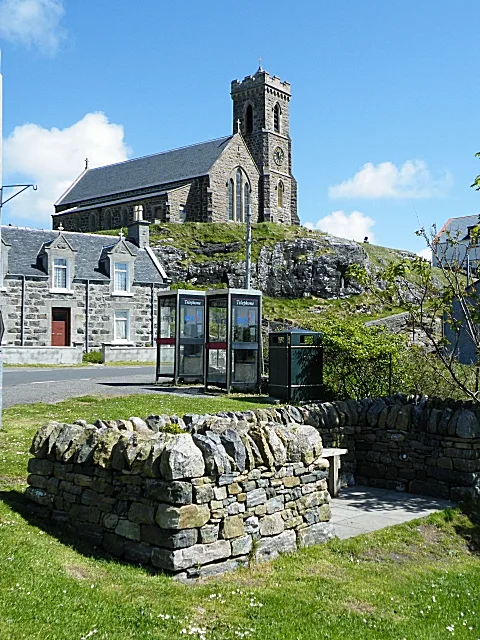
Church of our Lady, Star of the Sea, Barra
Church of our Lady, Star of the Sea, Barra — church in Castlebay, UK.
 📷 3
📷 3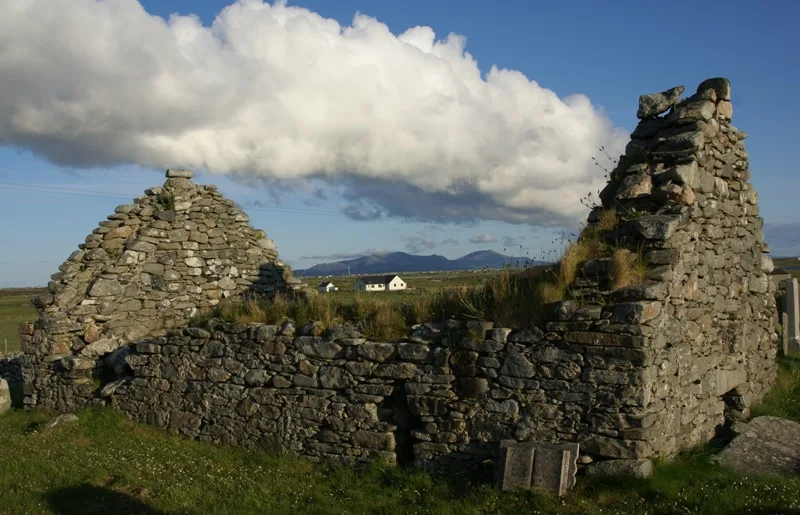 📷 3
📷 3Historic churches · Scottish Islands
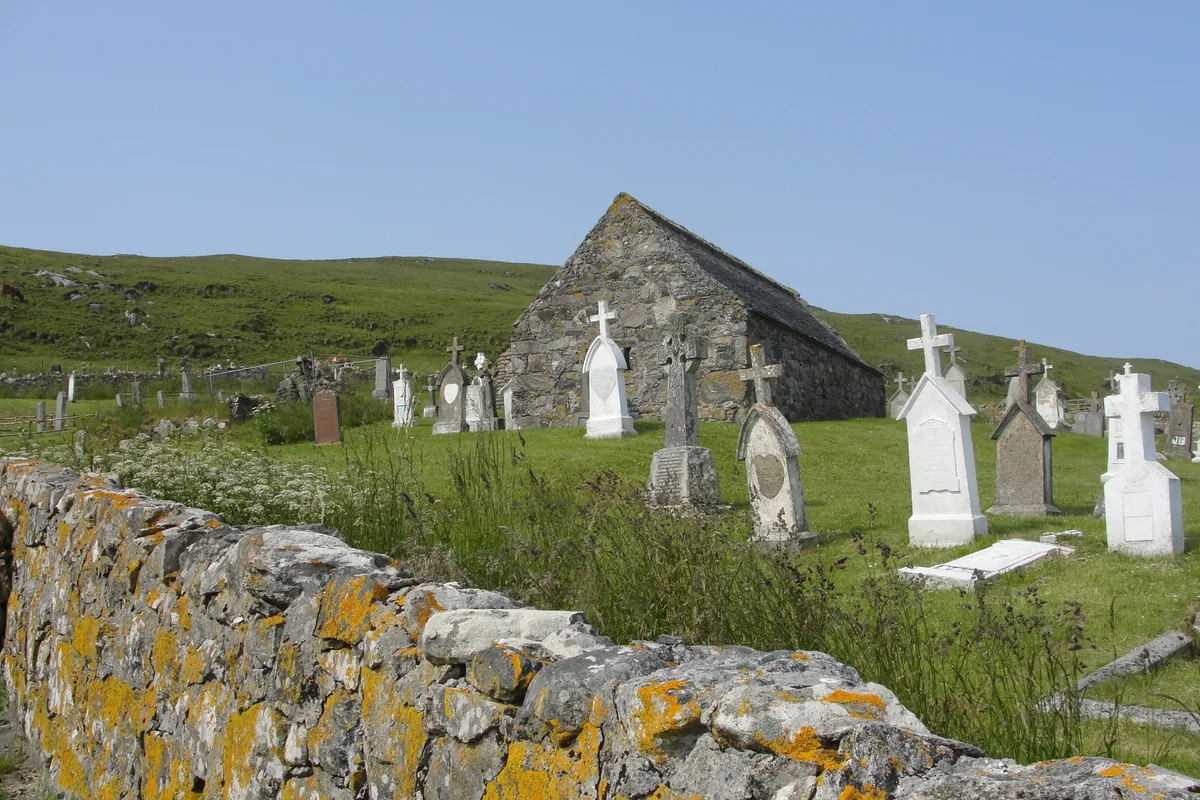
Nunton Church
Nunton Church — church in Nunton, Outer Hebrides, Scotland, UK.
Frequently asked questions
- Where is St Magnus Church (Egilsay)?
- St Magnus Church (Egilsay) is in the Scottish Islands, United Kingdom (postcode KW17 2QD).
- What is St Magnus Church (Egilsay)?
- St Magnus Church (Egilsay) — church in Egilsay, UK.
- How do I get to St Magnus Church (Egilsay)?
- Drivers can use postcode KW17 2QD.
- When was St Magnus Church (Egilsay) built?
- Built or established in 1101.
- Is St Magnus Church (Egilsay) a listed building?
- St Magnus Church (Egilsay) is officially recognised as scheduled monument listed.
- Is St Magnus Church (Egilsay) free to visit?
- Yes, St Magnus Church (Egilsay) is free to enter.
- How do I get to St Magnus Church (Egilsay)?
- Drivers can navigate to postcode KW17 2QD. It sits within the Orkney and Shetland parliamentary constituency.