
Historic churches · North West England
St. Kentigern's Church, Aspatria
In or near Crosby.
St. Kentigern's Church, Aspatria — church in Aspatria, Cumberland, Cumbria , England, UK.

Wikimedia Commons contributors — see linked file page for photographer and licence licence
_-_geograph.org.uk_-_5391591.jpg)
Plan your visit
- Typical visit
- 30 min–1 h
- Nearest railway station
- Aspatria · 0.5 km
- Free entry
Getting there & planning your visit
St. Kentigern's Church is located in Aspatria, Cumberland, with the postcode CA7 3AQ. The nearest railway station is Aspatria, which is 0.5 km away. Entry to the church is free.
About
St. Kentigern's Church, Aspatria is a historic church in the United Kingdom. Records date its origin to 1848. Built in the Norman architecture style. Heritage designation: Grade II* listed building. Affiliated with Anglicanism. Wikidata describes it as: "church in Aspatria, Cumberland, Cumbria , England, UK". Coordinates: 54.7633°, -3.3281°.
Photo gallery
Heritage listing
St Kentigern's Church stands in the village of Aspatria, Cumbria, England. It is an active Anglican parish church in the rural deanery of Maryport, the archdeaconry of Carlisle and the diocese of Carlisle. The church has been designated by English Heritage as a Grade II* listed building. It is dedicated to St Kentigern, the apostle of Strathclyde, whom it is believed passed by and preached at the Holy well, on his way into exile in Wales, in the 6th century.
From the Historic England List Entry under OGL v3.
Official information
St. Kentigern's Church, also known as St. Mungo's, is a historic church located in Aspatria. Visitors can explore its architectural features and enjoy the serene atmosphere of this place of worship.
Protected designations
- Area of Outstanding Natural Beauty: Solway Coast
Designations sourced from Natural England open data under OGL v3.
From the Wikipedia article
St Kentigern's Church stands in the village of Aspatria, Cumbria, England. It is an active Anglican parish church in the rural deanery of Maryport, the archdeaconry of Carlisle and the diocese of Carlisle. The church has been designated by English Heritage as a Grade II* listed building. It is dedicated to St Kentigern, the apostle of Strathclyde, whom it is believed passed by and preached at the Holy well, on his way into exile in Wales, in the 6th century. He was also known as Mungo, which means good friend.
Excerpt from Wikipedia under CC BY-SA 4.0. See the source article linked in Sources below.
Background
History
After the Norman Conquest the church was given by the first Lord of Allerdale to the prior and convent of Carlisle, which grant was confirmed by Henry II, and Edward III. It was formerly rectorial, but later became a vicarage, the advowson of which has always belonged to the Bishop of Carlisle, whom the great tithes were appropriated until the year 1812, when under the instruction of a local inclosure act, the Aspatria, Brumfield and Allhallows Inclosures Act 1812 (52 Geo. 3. c. cxxviii), allotments of land were given in lieu of tithes to the appropriator and vicar. Records relating to the old Norman church are sparse, although in 1703 Bishop William Nicolson left a full written…
Architecture
The internal dimensions of the church are:- nave 22 metres by 12,2 metres; chancel 9.2 metres by 4.9 metres. Piers circular and multiangular alternatively. The pulpit made of stone, is on the north side of the chancel arch, and the reading desk is on the south side. The pews are open and uniform, with finials at the end. There are fine well executed stained glass windows, containing the Crucifixion, the Resurrection, and the Ascension with sacred devices and monograms. The window in the Musgrave Chapel contains the arms of the Musgrave family and others. It was given by Sir George Musgrave of Eden Hall, and Sir James Musgrave of Barnsley Park, Gloucester. There is also a window in the south…
Description
Enclosed in the Musgrave chapel are several monuments relating to the Musgrave family, particularly Sir Richard Musgrave, 2nd Baronet (1650-1710), who accompanied Sir Joseph Williamson at the treaty of Ryswick, and was one of the knights of the shire. There is also a plaque to the memory of his grandson, Sir Richard Musgrave, Hylton 5th baronet (1724-1755). The plaque to the memory of Sir William Musgrave, 6th baronet (1735-1800) reads as follows. There is also a monument to the memory of Sir Thomas Musgrave, 7th Baronet, who died in the month of December 1811. He left a sum of £10 per annum for the purpose of keeping the chapel in repair, and the monuments of himself and his ancestors…
Sourced from Wikipedia under CC BY-SA 4.0.
- Coordinates
- 54.7633, -3.3281
- District
- Cumberland
- Parish
- Aspatria
- Postcode
- CA7 3AQ
- Parliamentary constituency
- Penrith and Solway
- Established
- 1848
- Nearest railway station
- Aspatria — 0.5 km
- Official site
- www.achurchnearyou.com
Sources
- wikidata: Q15979528 (CC0)
- wikipedia: St Kentigern's Church, Aspatria (CC BY-SA 4.0)
- commons: St Kentigern's Church, Aspatria - May 2017 (1) - geograph.org.uk - 5391591.jpg (CC BY-SA 4.0)
Other places nearby

Aspatria
Museums · 0.0 km

St Kentigern Cross
Memorials & monuments · 0.2 km

Queens Hall Cinema
Theatres · 0.4 km

Aspatria Castle
Literary houses · 1.2 km

Newton Castle
Castles · 2.6 km

Westnewton Castle
Castles · 2.6 km

Plumbland
Villages · 2.6 km

War Memorial on Village Green
Memorials & monuments · 3.2 km

Gallowbarrow Hill
Mountains & hills · 3.4 km
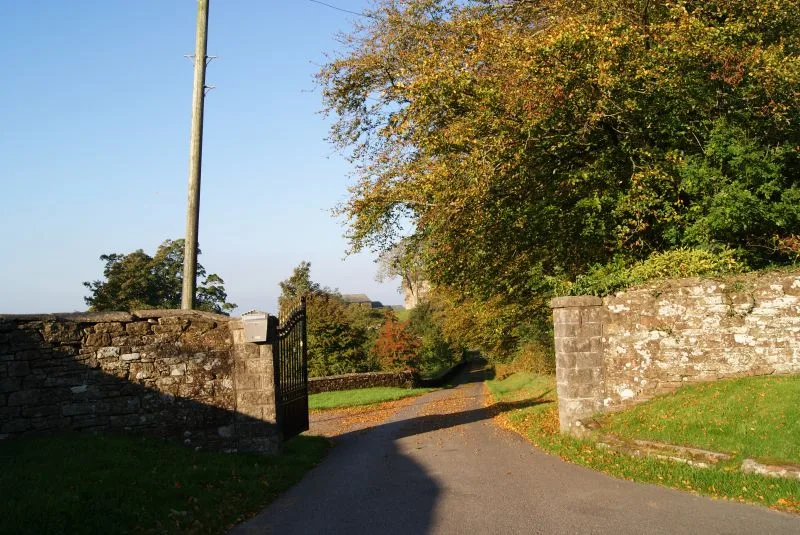
Hayton Castle
Castles · 3.6 km

Ellenhall Bridge
Historic bridges · 4.0 km

Former Congregational Chapel
Chapels · 4.1 km
Nearby
📷 5Museums · North West England
Aspatria
Aspatria is a town and civil parish in Cumberland, Cumbria, England. The town rests on the north side of the Ellen Valley, overlooking a panoramic view of the countryside, with Skiddaw to the South a
📷 3Memorials & monuments · North West England
St Kentigern Cross
St Kentigern Cross — a memorial in scotland-lowlands, United Kingdom.
📷 3Theatres · North West England
Queens Hall Cinema
Queens Hall Cinema in Scotland Lowlands, United Kingdom.
📷 5Literary houses · North West England
Aspatria Castle
Aspatria Castle — a literary house museum in scotland lowlands.
📷 5📷 3Castles · North West England
Westnewton Castle
Westnewton Castle — scheduled monument-listed castle in scotland-lowlands, United Kingdom.
Where to eat & stay near St. Kentigern's Church, Aspatria
Places to stay
 📷 5
📷 5Caravan parks · North West England
Threapland Park
Threapland Park — a caravan park in scotland lowlands.
 📷 4
📷 4Caravan parks · North West England
Skiddaw View Holiday Park
Skiddaw View Holiday Park — a caravan park in scotland lowlands.
 📷 3
📷 3Caravan parks · North West England
Larches Caravan Park
Larches Caravan Park — a caravan park in scotland lowlands.
 📷 5
📷 5Caravan parks · North West England
Old Kiln Farm Caravan Club
Old Kiln Farm Caravan Club — a caravan park in scotland lowlands.
 📷 5
📷 5Campsites · North West England
Linskeldfield Farm Camping
Linskeldfield Farm Camping — a campsite in scotland lowlands.
 📷 5
📷 5Caravan parks · North West England
Keswick Lodge Retreat
Keswick Lodge Retreat — a caravan park in scotland lowlands.
Places to eat & drink
 📷 7
📷 7Historic pubs · North West England
The Pheasant Inn
The Pheasant Inn in Scotland Lowlands, United Kingdom.
 📷 5
📷 5Historic pubs · North West England
Kings Arms Walter Willsons
Kings Arms Walter Willsons in Scotland Lowlands, United Kingdom.
 📷 4
📷 4Historic pubs · North West England
Oddfellows Arms
Oddfellows Arms — Historic pub — listed building or notable heritage status.
 📷 5
📷 5 📷 5📷 5
Other places from this era
 📷 5
📷 5Historic churches · London
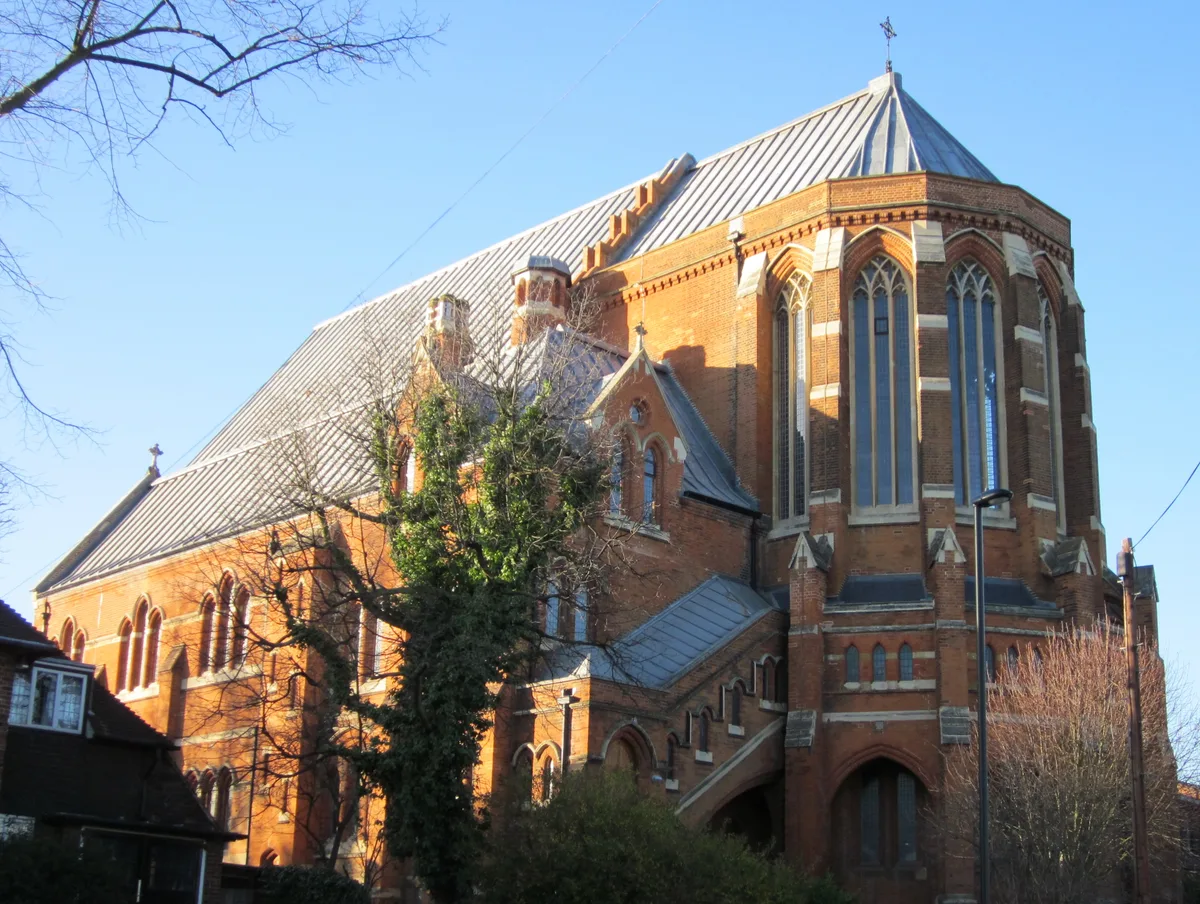
All Saints Church, West Dulwich
All Saints Church, West Dulwich — church in West Dulwich, London.
 📷 5
📷 5Historic churches · London
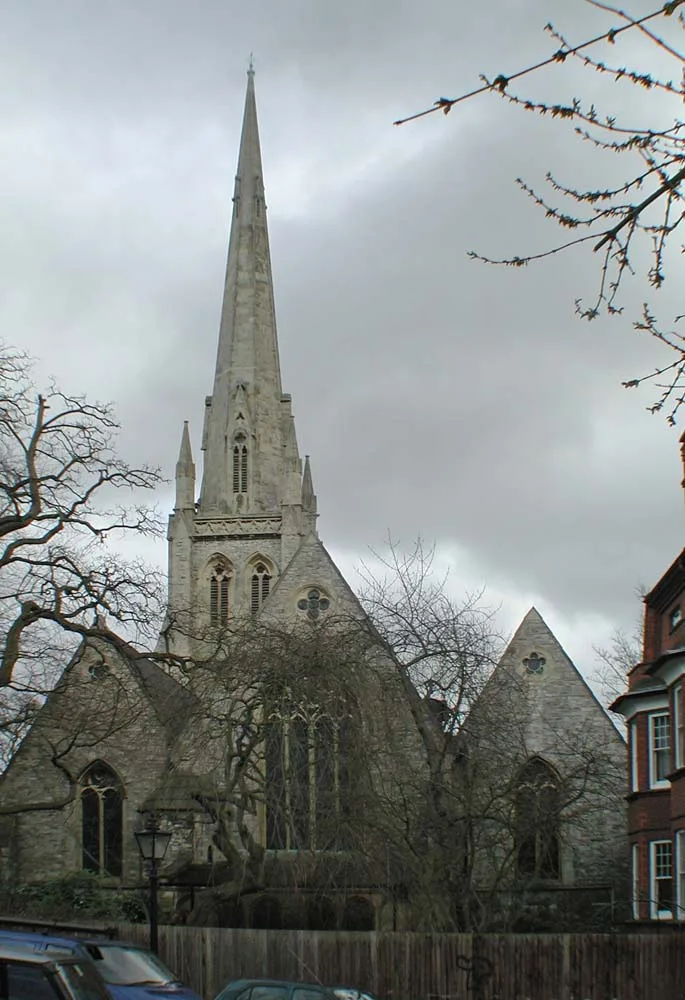
Christ Church
Christ Church — church in Hampstead, London.
 📷 5
📷 5Historic churches · London
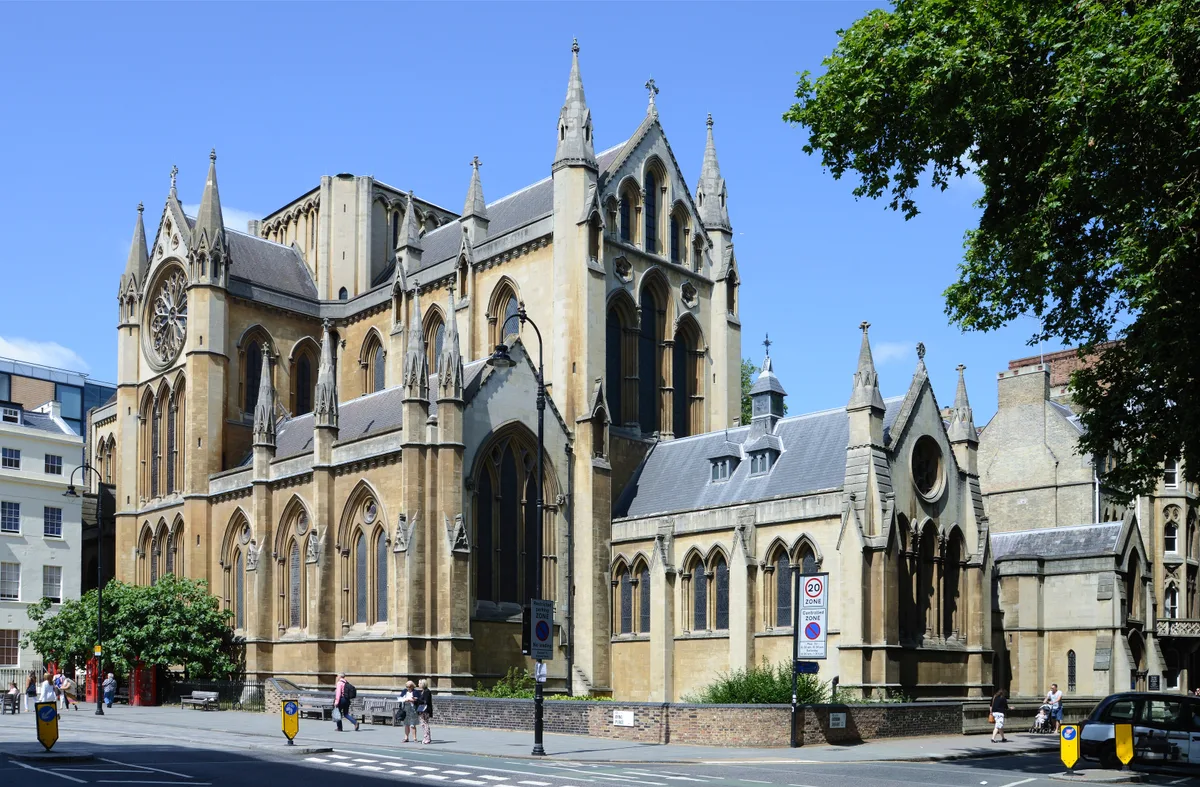
Church of Christ the King, Bloomsbury
Church of Christ the King, Bloomsbury — church in Gordon Square, Bloomsbury, London.
 📷 5
📷 5Historic churches · London
Church of St Barnabas
Church of St Barnabas — church in Pimlico, London.
More places in this region
 📷 3
📷 3Historic churches · North West England
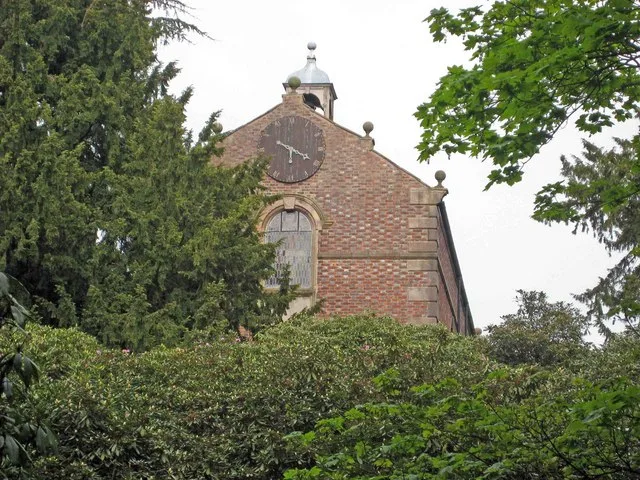
All Saints Chapel, Somerford
All Saints Chapel, Somerford — church in Cheshire East, Cheshire, England, UK.
 📷 3
📷 3Historic churches · North West England
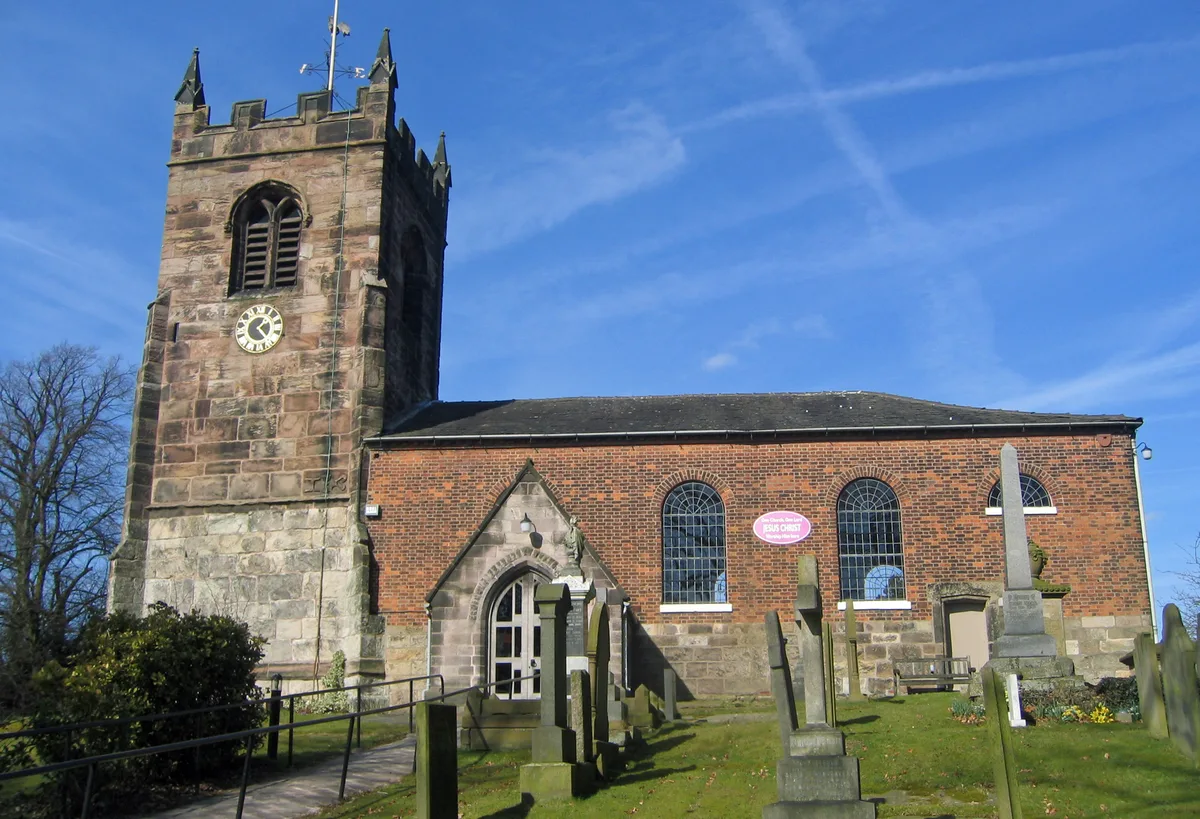
All Saints Church, Church Lawton
All Saints Church, Church Lawton — Grade II* listed church in Church Lawton, Cheshire East, Cheshire, England, UK.
 📷 3
📷 3Historic churches · North West England
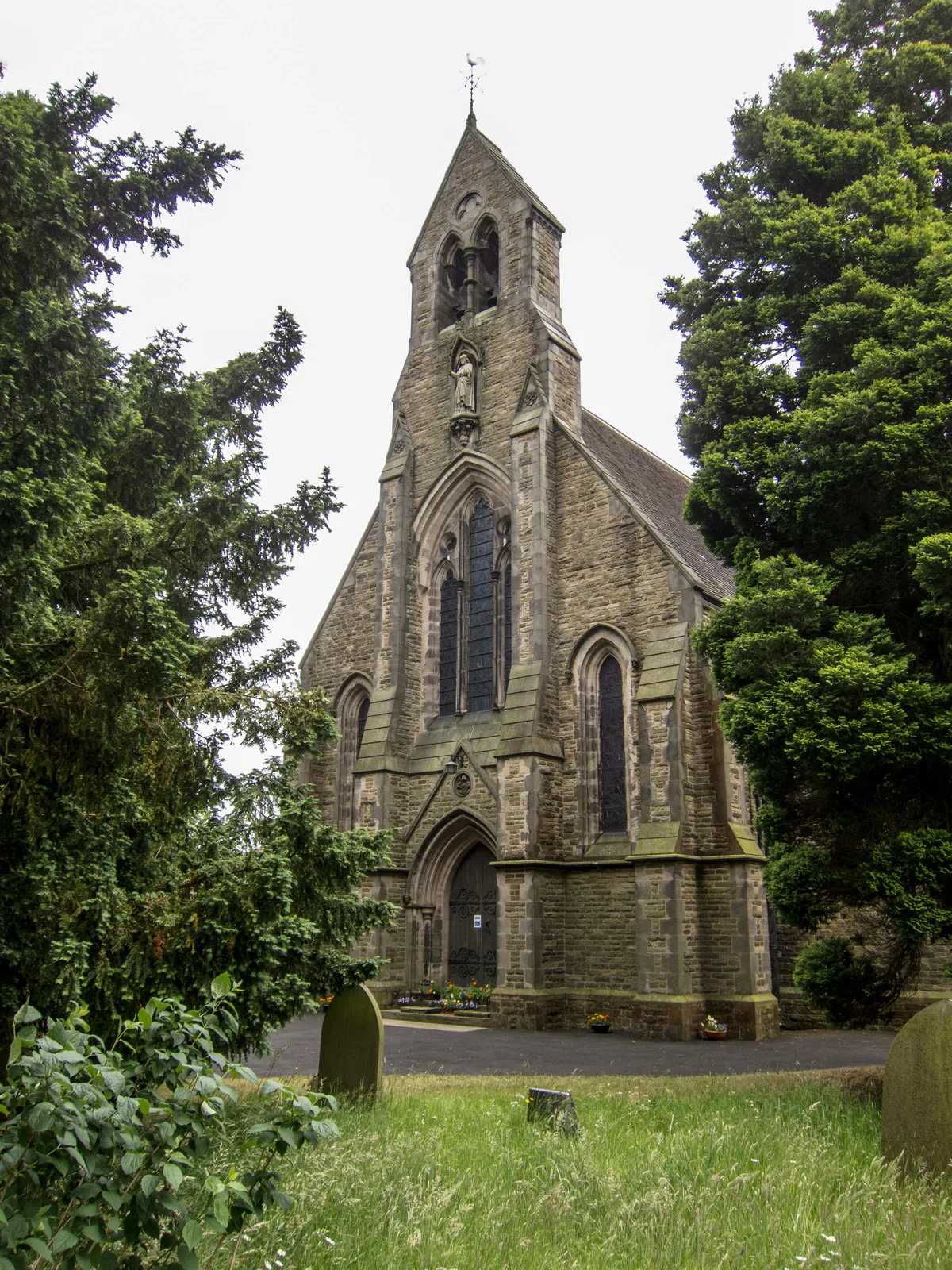
All Saints Church, Scholar Green
All Saints Church, Scholar Green — church in Cheshire East, Cheshire, England, UK.
 📷 3
📷 3Historic churches · North West England
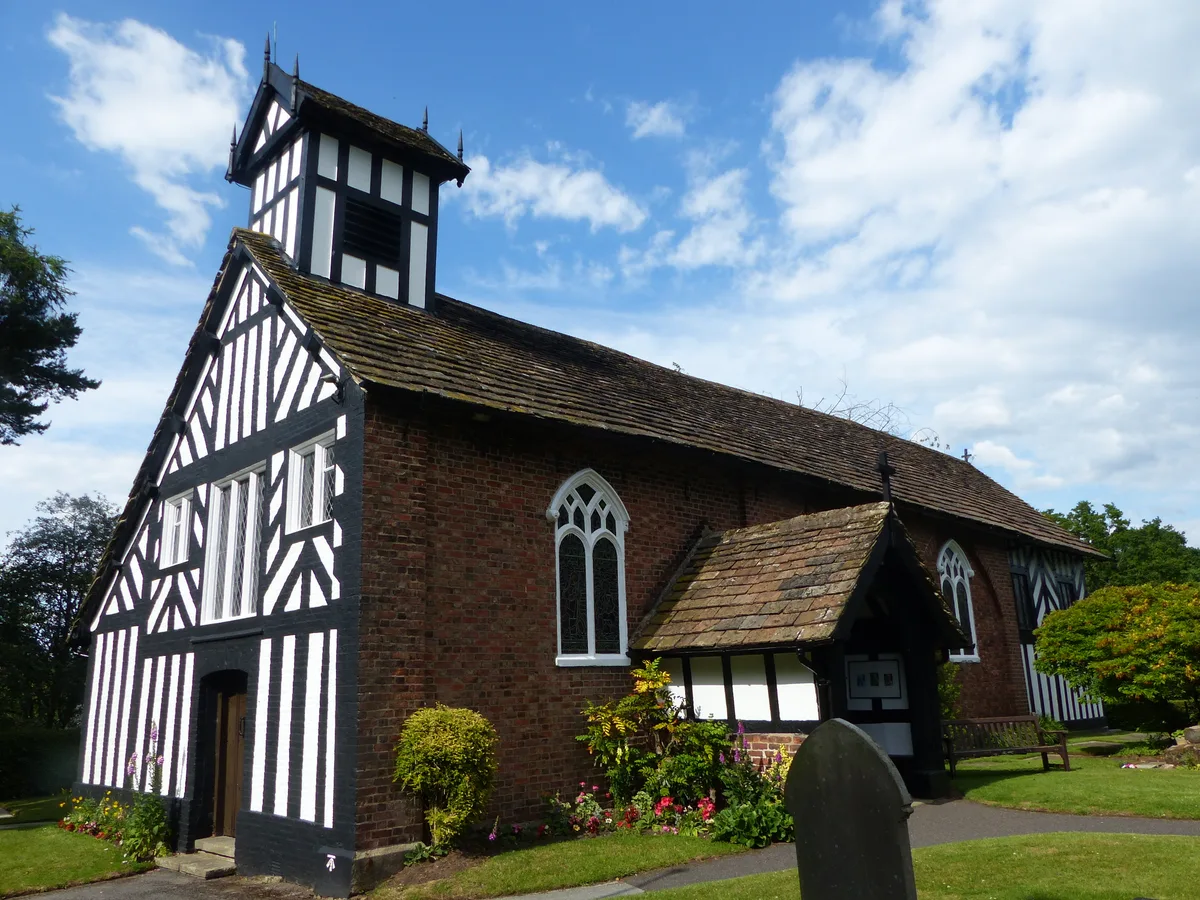
All Saints Church, Siddington
All Saints Church, Siddington — church in Cheshire East, Cheshire, England, UK.
Frequently asked questions
- Where is St. Kentigern's Church, Aspatria?
- St. Kentigern's Church, Aspatria is in North-West England, United Kingdom (postcode CA7 3AQ), in the parish of Aspatria.
- What is St. Kentigern's Church, Aspatria?
- St. Kentigern's Church, Aspatria — church in Aspatria, Cumberland, Cumbria , England, UK.
- How do I get to St. Kentigern's Church, Aspatria?
- The nearest railway station is Aspatria, about 0.5 km away. The nearest town is Crosby. Drivers can use postcode CA7 3AQ.
- When was St. Kentigern's Church, Aspatria built?
- Built or established in 1848.
- Is St. Kentigern's Church, Aspatria a listed building?
- St. Kentigern's Church, Aspatria is officially recognised as Grade II* listed building listed.
- Is St. Kentigern's Church, Aspatria a protected site?
- Yes — St. Kentigern's Church, Aspatria is part of the Solway Coast National Landscape (AONB).
- Is St. Kentigern's Church, Aspatria free to visit?
- Yes, St. Kentigern's Church, Aspatria is free to enter.
- How do I get to St. Kentigern's Church, Aspatria?
- The nearest railway station is Aspatria, about 0.5 km away. Drivers can navigate to postcode CA7 3AQ.