
Palaces · London
St James's Palace
Also known as: Palas Sant Iago, Pálás San Séamas
In or near London.
St James's Palace — royal palace in London.

Wikimedia Commons contributors — see linked file page for photographer and licence licence

Plan your visit
- Typical visit
- 2 h–3 h
- Nearest railway station
- Green Park · 0.4 km
- Family-friendly
- Wheelchair accessible
Getting there & planning your visit
To visit St James's Palace, the nearest railway station is Green Park, located 0.4 km away. The postcode for sat-nav is SW1A 1BJ. The palace is wheelchair accessible, and entry details are not specified.
About
St James's Palace is a palace in the United Kingdom — a residence built or used by royalty, the aristocracy, or a bishop. Records date its origin to 1536. Built in the Brick Gothic style. Heritage designation: Grade I listed building. Owned by Henry VIII of England. Named after St. James the Elder. Address: http://www.wikidata.org/entity/Q925349. Wikidata describes it as: "royal palace in London". Coordinates: 51.5047°, -0.1378°.
Photo gallery
360° view
Imagery © Mapillary contributors, CC BY-SA 4.0
Heritage listing
St James's Palace is the most senior royal palace in London, England. The palace gives its name to the Court of St James's, which is the monarch's royal court, and is located in the City of Westminster. Although no longer the principal residence of the monarch, it is the ceremonial meeting place of the Accession Council, the office of the Marshal of the Diplomatic Corps, and the London residence of several members of the royal family. Built by order of King Henry VIII in the 1530s on the site of an isolated leper hospital dedicated to Saint James the Less, the palace was secondary in importance to the Palace of Whitehall for most Tudor and Stuart monarchs.
From the Historic England List Entry under OGL v3.
Summary from the official site
St. James's Palace is a historic royal residence that has served as a home to English monarchs for over 300 years. Today, it functions as a working palace, hosting numerous receptions and ceremonial events, while also housing various royal offices. Visitors can explore its rich history and architecture during selected guided tours.
Read more on the official property page.
From the Wikipedia article
St James's Palace is the most senior royal palace in London, England. The palace gives its name to the Court of St James's, which is the monarch's royal court, and is located in the City of Westminster. Although no longer the principal residence of the monarch, it is the ceremonial meeting place of the Accession Council, the office of the Marshal of the Diplomatic Corps, and the London residence of several members of the royal family. Built by order of King Henry VIII in the 1530s on the site of an isolated leper hospital dedicated to Saint James the Less, the palace was secondary in importance to the Palace of Whitehall for most Tudor and Stuart monarchs. Initially surrounded by a deer park and gardens, it was generally used as a hunting lodge and as a retreat from the formal court and occasionally as a royal guest house. After the Palace of Whitehall burned down, the palace took on administrative functions for the monarchy. It increased in importance during the reigns of the Hanoverian monarchs but began to be displaced by Buckingham Palace in the early 19th century. After decades of being used increasingly only for formal occasions, the move was formalised by Queen Victoria in 1837. The palace now houses a number of offices and official societies and collections. All ambassadors and high commissioners to the United Kingdom are still accredited to the Court of St James's. The palace's Chapel Royal is still used for functions of the British royal family. Official receptions are also regularly hosted at the palace. The palace was built mainly between 1531 and 1536 in red brick, and its architecture is primarily Tudor in style. The Queen's Chapel was added in the 1620s, and Clarence House was built on palace grounds directly next to the Palace in the 1820s. A fire in 1809 destroyed parts of the palace, including the monarch's private apartments, which were never replaced. Some 17th-century interiors survive, but most were remodelled in the 19th century.
Excerpt from Wikipedia under CC BY-SA 4.0. See the source article linked in Sources below.
Background
Visiting
on duty at St James's Palace]] St James's Palace is still a working palace, and the Royal Court is still formally based there. It is also the London residence of Princess Anne, Princess Beatrice, and Princess Alexandra. The palace is used to host official receptions, such as those of visiting heads of state, and charities of which members of the royal family are patrons. It forms part of a sprawling complex of buildings housing Court offices and officials' apartments. The immediate palace complex includes York House, the former home of Charles III and his sons, Princes William and Harry. Lancaster House, located next door across Stable Yard Road, is used by HM Government for official…
Sourced from Wikipedia under CC BY-SA 4.0.
- Coordinates
- 51.5047, -0.1378
- District
- Westminster
- Parish
- Westminster, unparished area
- Postcode
- SW1A 1BJ
- Parliamentary constituency
- Cities of London and Westminster
- Established
- 1536
- Nearest railway station
- Green Park — 0.4 km
- Official site
- www.royal.uk
Sources
- wikidata: Q272162 (CC0)
- wikipedia: St James's Palace (CC BY-SA 4.0)
- commons: St james palace.jpg (CC BY-SA 4.0)
Other places nearby

York House, St. James's Palace
Gardens · 0.0 km

Dean's Residence, Queen's Chapel
Chapels · 0.1 km
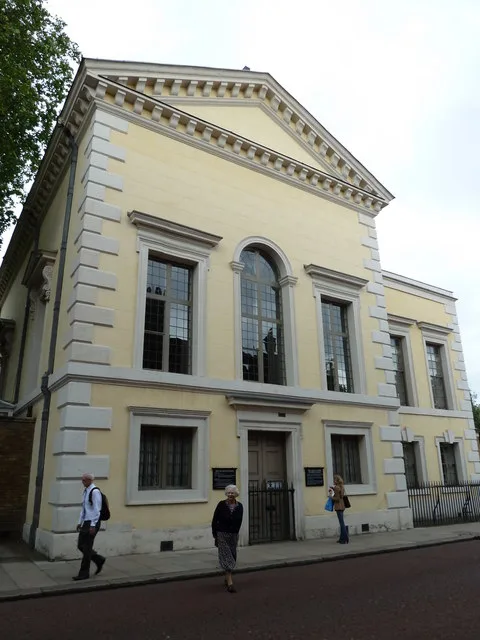
Queen's Chapel
Historic churches · 0.1 km

Queen Alexandra Memorial
Memorials & monuments · 0.1 km

Clarence House
Castles · 0.1 km

Texas Legation
Memorials & monuments · 0.1 km

Marlborough House
Castles · 0.1 km

Chutney Mary
Restaurants · 0.1 km
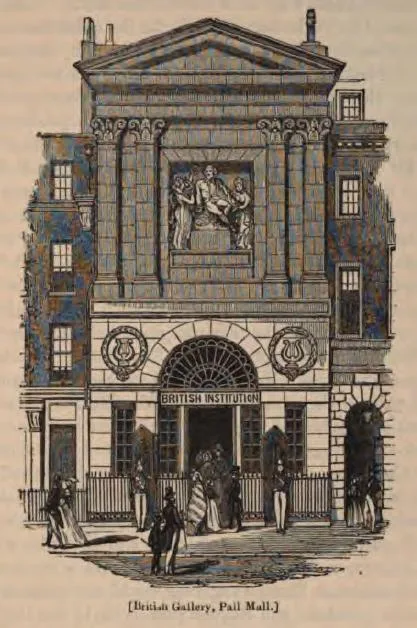
Boydell Shakespeare Gallery
Galleries · 0.1 km

Lancaster House
Gardens · 0.1 km

77–78 Pall Mall
Gardens · 0.2 km

79 Pall Mall
Historic houses · 0.2 km
Nearby
📷 5Gardens · London
York House, St. James's Palace
York House, St. James's Palace — a garden in england-london, United Kingdom.
📷 5Chapels · London
Dean's Residence, Queen's Chapel
Dean's Residence, Queen's Chapel — part of chapel in London, UK.
📷 5Historic churches · London
Queen's Chapel
Queen's Chapel — church building in Westminster, London, England, UK.
Flagship📷 5Memorials & monuments · London
Queen Alexandra Memorial
Queen Alexandra Memorial — a Grade I-listed memorial in england-london, United Kingdom.
📷 5📷 5Memorials & monuments · London
Texas Legation
Texas Legation — a memorial in england-london, United Kingdom.
Where to eat & stay near St James's Palace
Places to stay
 📷 7
📷 7 📷 7
📷 7Hotels · London
St James's Hotel and Club
St James's Hotel and Club — a hotel in england london.
 📷 5
📷 5Hotels · London
The Cavendish
The Cavendish — a hotel in england london.
 📷 7
📷 7 📷 5
📷 5Hotels · London
Sofitel London St James
Sofitel London St James — a hotel in england london.
 📷 6
📷 6Places to eat & drink
📷 5 📷 5
📷 5Restaurants · London
Quaglino's
Quaglino's — a restaurant in england london. Cuisine: french;italian pizza;seafood.
 📷 7
📷 7 📷 7
📷 7Restaurants · London
British Academy of Film and Television Arts
British Academy of Film and Television Arts — a restaurant in england london.
 📷 5
📷 5Restaurants · London
Langan's Brasserie
Langan's Brasserie — a restaurant in england london.
 📷 5
📷 5Other palaces from this era
 ★ Iconic📷 5
Palaces · London
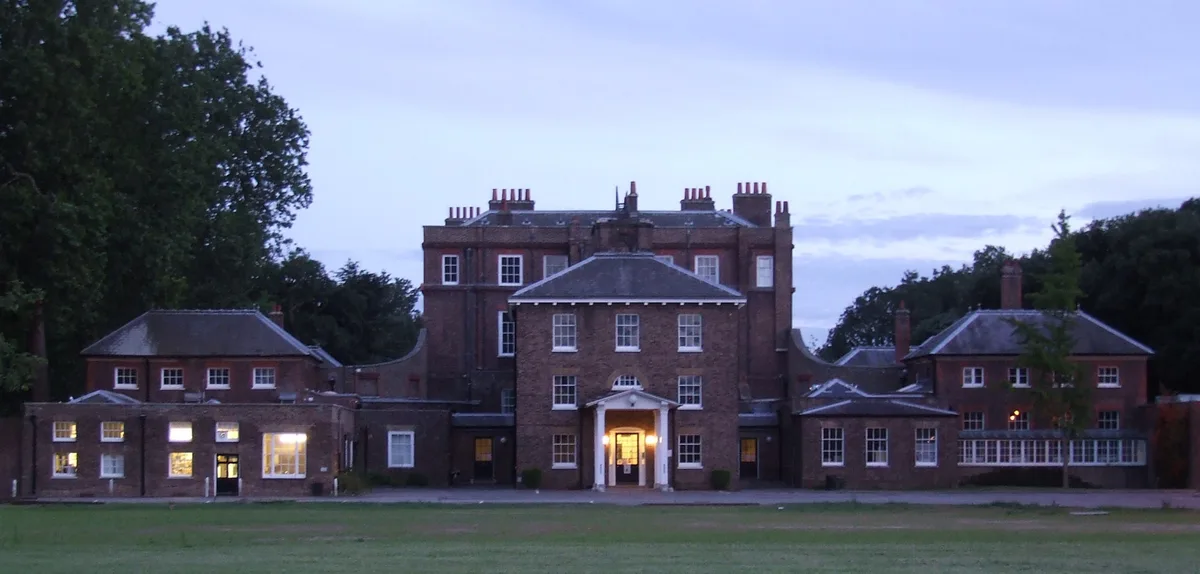
Bushy House
Bushy House — former royal residence in Teddington in South West London.
 Flagship📷 5
.jpg?width=1200) ★ Iconic📷 5
★ Iconic📷 5Palaces · London
Hampton Court Palace
Hampton Court Palace — historic royal palace in Richmond, Greater London.
 ★ Iconic📷 5
Palaces · London
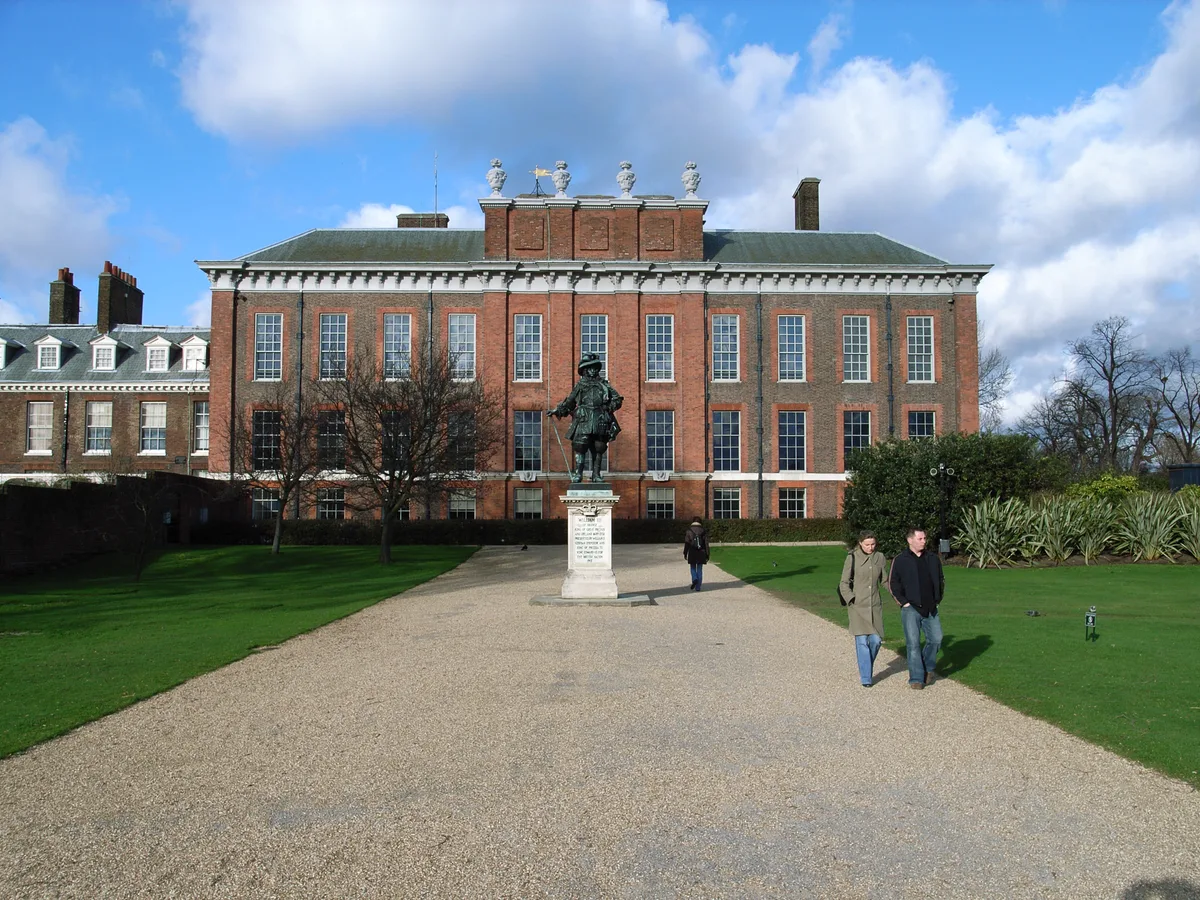
Kensington Palace
Kensington Palace — royal residence set in Kensington Gardens, London, England, UK.
More palaces in this region
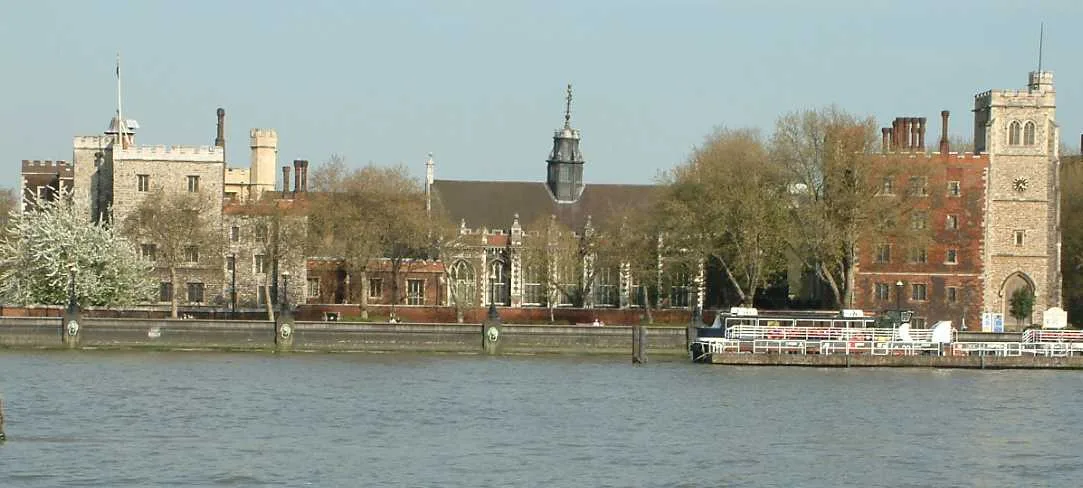 Flagship📷 10
Palaces · London
Lambeth Palace
Lambeth Palace — official London residence of the Archbishop of Canterbury.
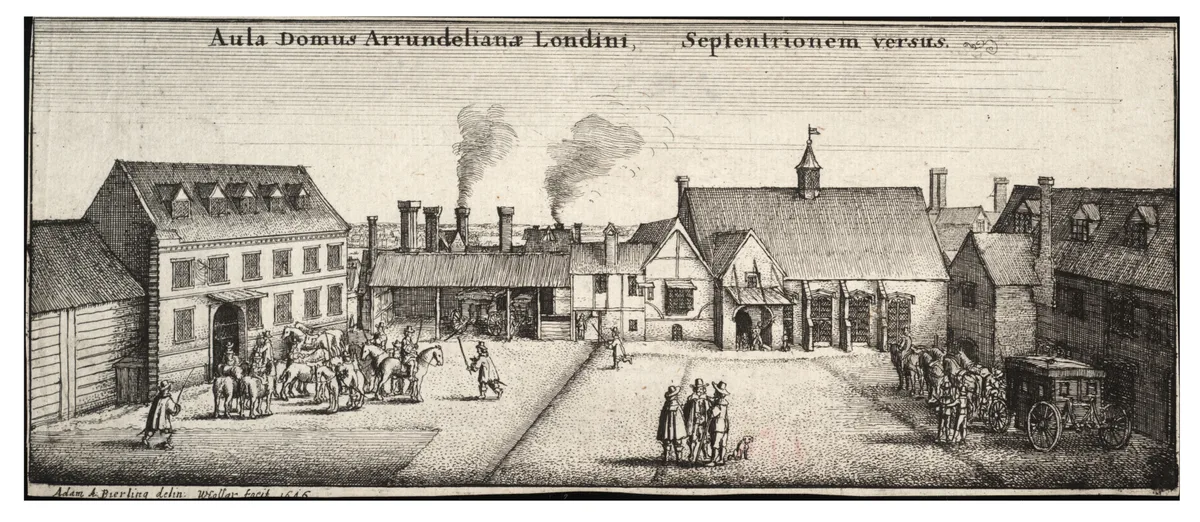 📷 5
📷 5Palaces · London
Arundel House
Arundel House — London town-house located between the Strand and the River Thames, near St Clement Danes.
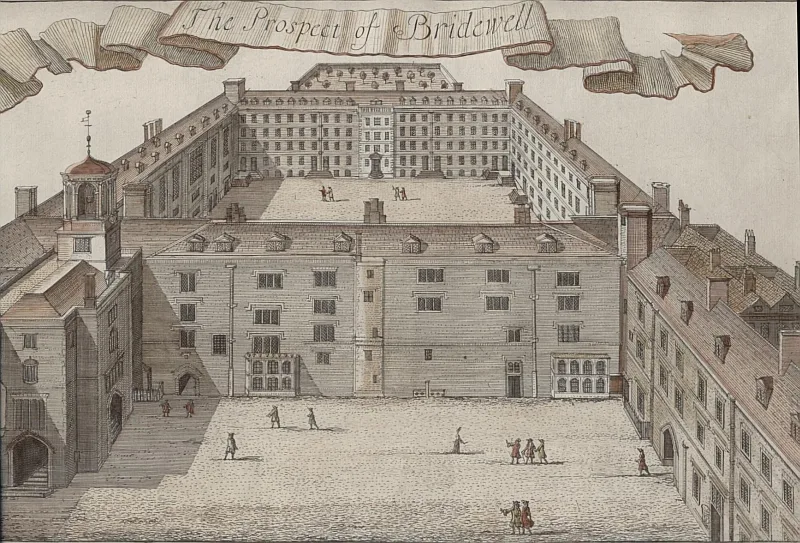 📷 5
📷 5Palaces · London
Bridewell Palace
Bridewell Palace — former palace in the City of London, England; former prison.
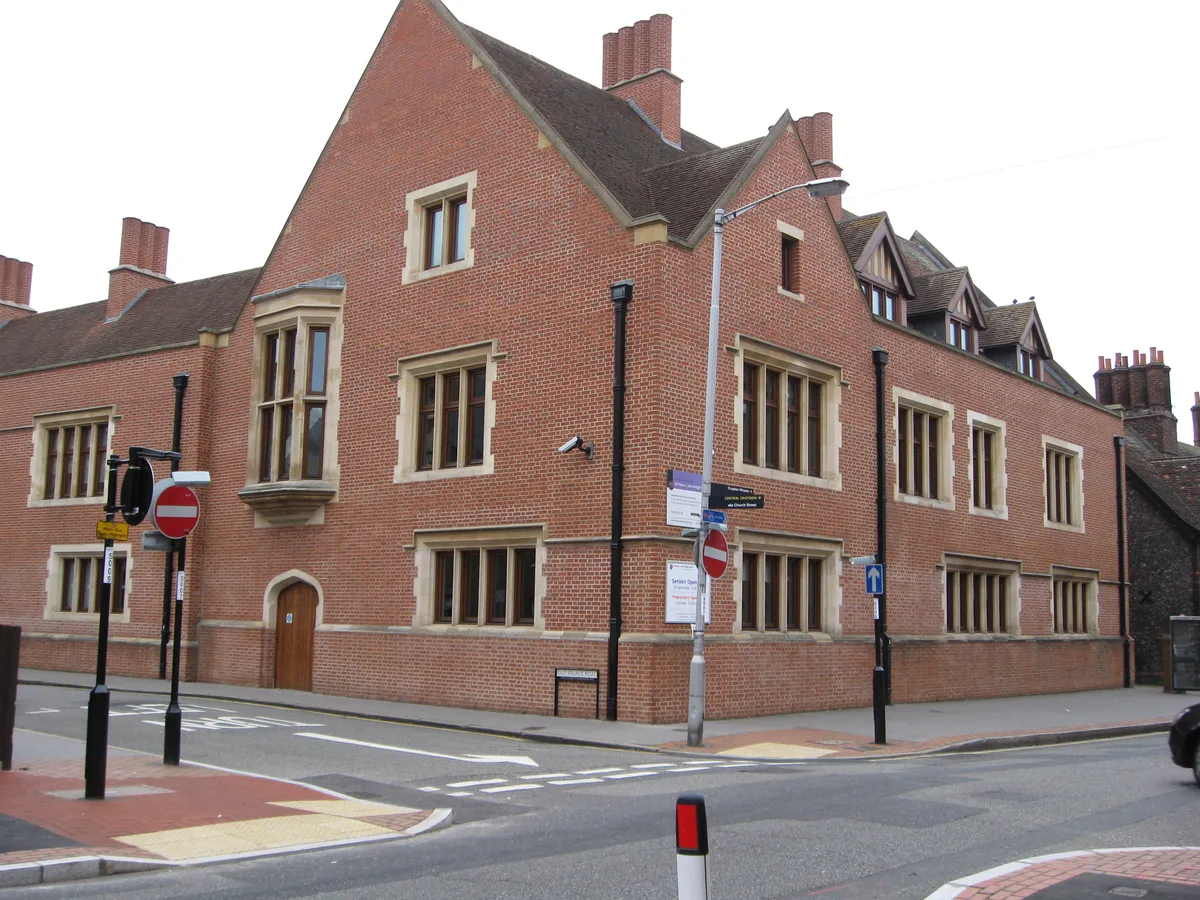 📷 5
📷 5Palaces · London
Croydon Palace
Croydon Palace — historical residence of the Archbishop of Canterbury.
Frequently asked questions
- Where is St James's Palace?
- St James's Palace is in London, United Kingdom (postcode SW1A 1BJ), in the parish of Westminster, unparished area.
- What is St James's Palace?
- St James's Palace — royal palace in London.
- How do I get to St James's Palace?
- The nearest railway station is Green Park, about 0.4 km away. The nearest town is London. Drivers can use postcode SW1A 1BJ.
- When was St James's Palace built?
- Built or established in 1536.
- Who owns St James's Palace?
- St James's Palace is owned by Henry VIII of England.
- Is St James's Palace a listed building?
- St James's Palace is officially recognised as Grade I listed building listed.
- Does St James's Palace charge admission?
- St James's Palace typically charges admission. Check the official site for current ticket prices and opening hours.
- How do I get to St James's Palace?
- The nearest railway station is Green Park, about 0.4 km away. Drivers can navigate to postcode SW1A 1BJ.