
Cathedrals · Central Scotland
St Giles' Cathedral
In or near Edinburgh.
St Giles' Cathedral — Church of Scotland cathedral in Edinburgh, Scotland, UK.

Wikimedia Commons contributors — see linked file page for photographer and licence licence

Plan your visit
- Typical visit
- 1 h–2 h
- Best time of year
- Year-round
- Nearest railway station
- Edinburgh Waverley · 0.3 km
- Free entry
- Family-friendly
- Wheelchair accessible
Getting there & planning your visit
St Giles' Cathedral is located in the City of Edinburgh, postcode EH1 1RE, and is approximately 0.3 km from Edinburgh Waverley railway station. Entry to the cathedral is free, and it is accessible for wheelchair users.
About
St Giles' Cathedral is a cathedral in the United Kingdom — the principal church of a diocese. Records date its origin to 1400. Built in the Gothic architecture style. Heritage designation: category A listed building. Affiliated with Church of Scotland. Named after Giles. Part of Presbytery of Edinburgh. Wikidata describes it as: "Church of Scotland cathedral in Edinburgh, Scotland, UK". Coordinates: 55.9494°, -3.1908°.
Photo gallery
360° view
Imagery © Mapillary contributors, CC BY-SA 4.0
Heritage listing
St Giles' Cathedral (Scottish Gaelic: Cathair-eaglais Naomh Giles), also known as the High Kirk of Edinburgh, is one of three cathedrals in Edinburgh, Scotland. The existing building was begun in the 14th century and extended until the early 16th century; significant alterations were undertaken in the 19th and 20th centuries, including the addition of the Thistle Chapel. St Giles' is closely associated with many events and figures in Scottish history, including John Knox, who served as the church's minister after the Scottish Reformation. The cathedral is administered by the Church of Scotland. It was probably founded in the 12th century and dedicated to Saint Giles. The church was elevated to collegiate status by Pope Paul II in 1467.
From Historic Environment Scotland under OGL v3.
Summary from the official site
St Giles' Cathedral, established in 1124, is a historic church in Edinburgh that has played a significant role in Scotland's religious and civic life. Visitors can explore its rich history, art, and music while participating in worship or quiet reflection.
Read more on the official property page.
From the Wikipedia article
St Giles' Cathedral (Scottish Gaelic: Cathair-eaglais Naomh Giles), also known as the High Kirk of Edinburgh, is one of three cathedrals in Edinburgh, Scotland. The existing building was begun in the 14th century and extended until the early 16th century; significant alterations were undertaken in the 19th and 20th centuries, including the addition of the Thistle Chapel. St Giles' is closely associated with many events and figures in Scottish history, including John Knox, who served as the church's minister after the Scottish Reformation. The cathedral is administered by the Church of Scotland. It was probably founded in the 12th century and dedicated to Saint Giles. The church was elevated to collegiate status by Pope Paul II in 1467. In 1559, the church became Protestant with John Knox, the foremost figure of the Scottish Reformation, as its minister. After the Reformation, St Giles' was internally partitioned to serve multiple congregations as well as secular purposes, such as a prison and as a meeting place for the Parliament of Scotland. In 1633, Charles I made St Giles' the cathedral of the newly created Diocese of Edinburgh. Charles' attempt to impose doctrinal changes on the presbyterian Scottish Kirk, including a Prayer Book causing a riot in St Giles' on 23 July 1637, which precipitated the formation of the Covenanters and the beginnings of the Wars of the Three Kingdoms. St Giles' role in the Scottish Reformation and the Covenanters' Rebellion has led to its being called "the Mother Church of World Presbyterianism". St Giles' is one of Scotland's most important medieval parish church buildings. The first church of St Giles' was a small Romanesque building of which only fragments remain. In the 14th century, this was replaced by the current building which was enlarged between the late 14th and early 16th centuries. The church was altered between 1829 and 1833 by William Burn and restored between 1872 and 1883 by William Hay with the support of William…
Excerpt from Wikipedia under CC BY-SA 4.0. See the source article linked in Sources below.
Background
Architecture
{{Quote box |quote = "No other Scottish church has so tangled an architectural history." By 1385, this building had likely been replaced by the core of the current church: a nave and aisles of five bays, a crossing and transepts, and a choir of four bays. The church was extended in stages between 1387 and 1518. In Richard Fawcett's words, this "almost haphazard addition of large numbers of chapels" produced "an extraordinarily complex plan". The resultant profusion of outer aisles is typical of French medieval church architecture but unusual in Britain. Apart from the internal partitioning of the church in the wake of the Reformation, few significant alterations were made until the…
Description
Prior to the Reformation, St Giles' was furnished with as many as fifty stone subsidiary altars, each with their own furnishings and plate. On 16 December 1558, the goldsmith James Mosman weighed and valued the treasures of St Giles' including the reliquary of the saint's arm bone with a diamond ring on his finger, a silver cross, and a ship for incense. At the Reformation, the interior was stripped and a new pulpit at the east side of the crossing became the church's focal point. Seating was installed for children and the burgh's council and trade guilds and a stool of penitence was added. After the Reformation, St Giles' was gradually partitioned into smaller churches. At the church's…
Sourced from Wikipedia under CC BY-SA 4.0.
- Coordinates
- 55.9494, -3.1908
- District
- City of Edinburgh
- Postcode
- EH1 1RE
- Parliamentary constituency
- Edinburgh East and Musselburgh
- Established
- 1400
- Nearest railway station
- Edinburgh Waverley — 0.3 km
- Opening
- Apr-Oct Mo-Fr 10:00-18:00; Apr-Oct Sa 09:00-17:00; Apr-Oct,Nov-Mar Su 13:00-17:00; Nov-Mar Mo-Sa 09:00-17:00
- Official site
- www.stgilescathedral.org.uk
Sources
- wikidata: Q1547466 (CC0)
- wikipedia: St Giles' Cathedral (CC BY-SA 4.0)
- commons: St Giles' Cathedral - aerial - 2025-04-19 04.jpg (CC BY-SA 4.0)
Other places nearby

Grave of John Knox
Follies · 0.0 km

Charles II of England
Memorials & monuments · 0.0 km
Equestrian statue of Charles II
Public art & sculpture · 0.0 km

Heart of Midlothian
Cathedrals · 0.0 km

Mercat Cross
Memorials & monuments · 0.0 km

James Braidwood Statue
Memorials & monuments · 0.1 km

Fifth Duke of Buccleuch Memorial
Memorials & monuments · 0.1 km

Signet Library
Historic libraries · 0.1 km

CODE - THE COURT
Hostels · 0.1 km

The Real Mary King's Close
Natural landmarks · 0.1 km

Adam Smith Statue
Memorials & monuments · 0.1 km
JK Rowling’s Handprints
Public art & sculpture · 0.1 km
Nearby
📷 3Follies · Central Scotland
Grave of John Knox
Grave of John Knox is a folly in the United Kingdom.
📷 4Memorials & monuments · Central Scotland
Charles II of England
Charles II of England — a memorial in scotland-central, United Kingdom.
📷 4Public art & sculpture · Central Scotland
Equestrian statue of Charles II
Equestrian statue of Charles II in Scotland Central, United Kingdom.
Flagship📷 3Cathedrals · Central Scotland
Heart of Midlothian
Heart of Midlothian — Public artwork (mosaic).
📷 4Memorials & monuments · Central Scotland
Mercat Cross
Mercat Cross is a memorial in the United Kingdom.
📷 3Memorials & monuments · Central Scotland
James Braidwood Statue
James Braidwood Statue — a memorial in scotland-central, United Kingdom.
Where to eat & stay near St Giles' Cathedral
Places to stay
📷 5Hostels · Central Scotland
CODE - THE COURT
CODE - THE COURT — a hostel in scotland central.
 📷 5
📷 5 📷 5
📷 5Hostels · Central Scotland
St Christopher's Inn
St Christopher's Inn — a hostel in scotland central. Brand: St Christopher's Inn.
 📷 5
📷 5Hotels · Central Scotland
Market Street Hotel
Market Street Hotel — a hotel in scotland central.
 📷 5📷 5
Places to eat & drink
 📷 5
📷 5Historic pubs · Central Scotland
156-158 High Street, Edinburgh
156-158 High Street, Edinburgh in Scotland Central, United Kingdom.
 📷 5
📷 5Cafés · Central Scotland
Hideout Cafe
Hideout Cafe — a café in scotland central.
 📷 5
📷 5Historic pubs · Central Scotland
Public House, 30, 32, 34 Candlemaker Row, Edinburgh
Public House, 30, 32, 34 Candlemaker Row, Edinburgh in Scotland Central, United Kingdom.
 📷 5
📷 5Restaurants · Central Scotland
The Witchery
The Witchery — a restaurant in scotland central.
 📷 7
📷 7Historic pubs · Central Scotland
3 Drummond Street, Edinburgh
3 Drummond Street, Edinburgh in Scotland Central, United Kingdom.
 📷 7
📷 7Historic pubs · Central Scotland
Oddfellows Hall, 12, 14, 16 Forrest Road, Edinburgh
Oddfellows Hall, 12, 14, 16 Forrest Road, Edinburgh in Scotland Central, United Kingdom.
Other cathedrals from this era
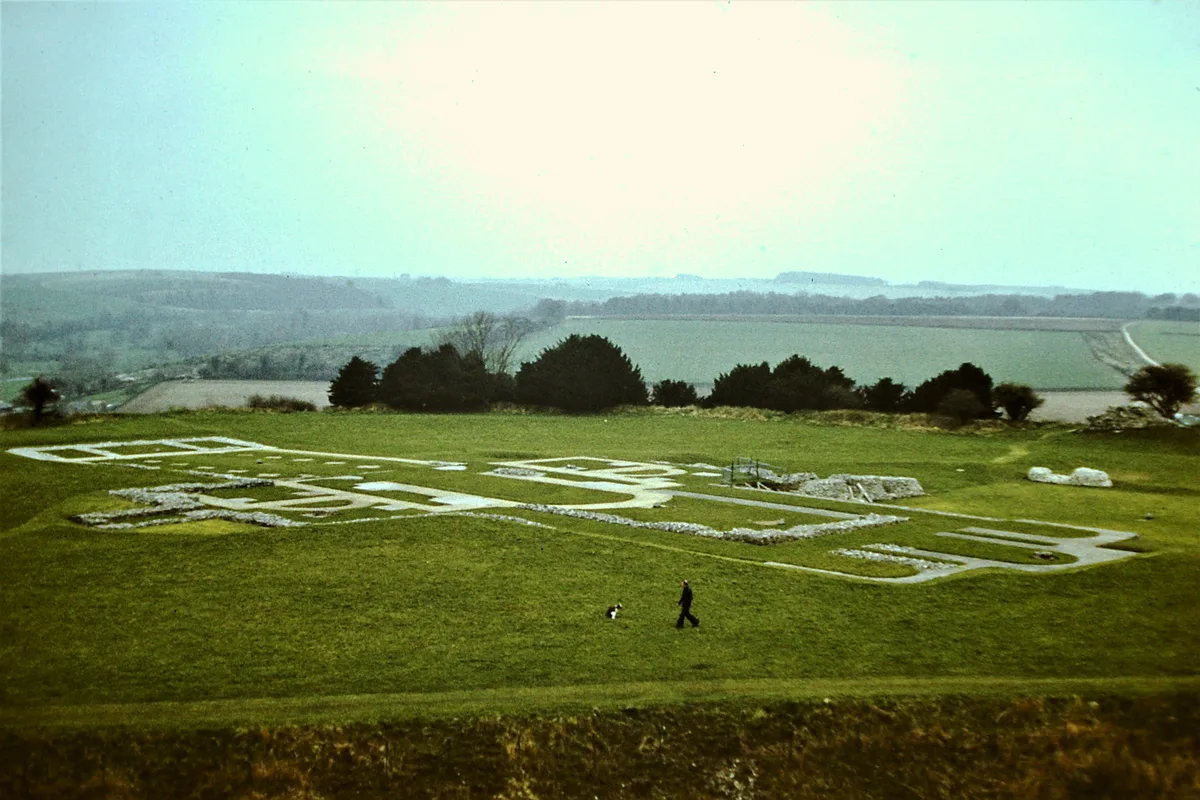 📷 5
📷 5Cathedrals · South East England
Old Sarum Cathedral
Old Sarum Cathedral — Grade I listed former cathedral in Salisbury, Wiltshire, England, UK.
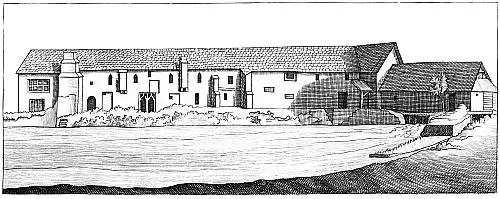 📷 3
📷 3Cathedrals · South East England
Osney Abbey
Osney Abbey — house of Augustinian canons at Osney in Oxfordshire, England, UK.
 ★ Iconic📷 4
Cathedrals · South West England
Salisbury Cathedral
Britain's tallest spire, single-style Early English Gothic, holds a Magna Carta original.
 ★ Iconic📷 4
Cathedrals · South West England
Wells Cathedral
First all-Gothic English cathedral, with the famous scissor arches and a 1390 clock.
More cathedrals in this region
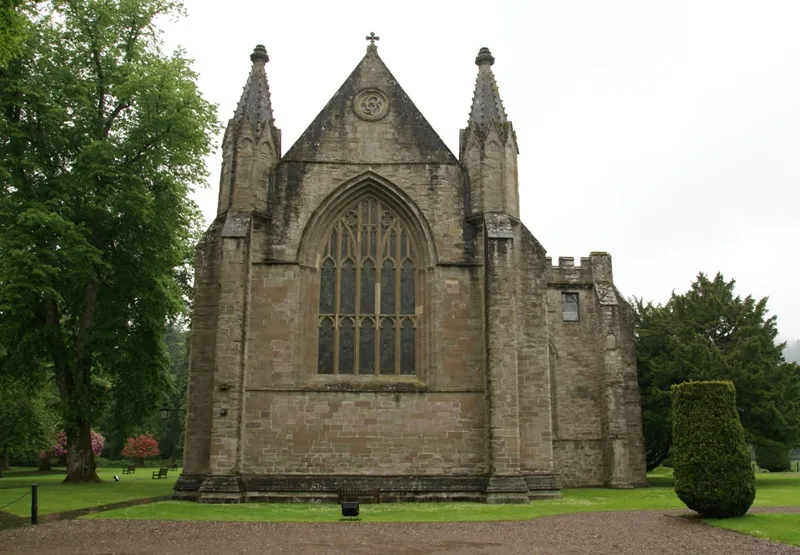 📷 4
📷 4Cathedrals · Central Scotland
Dunkeld Cathedral
Dunkeld Cathedral — church in Perth and Kinross, Scotland, UK.
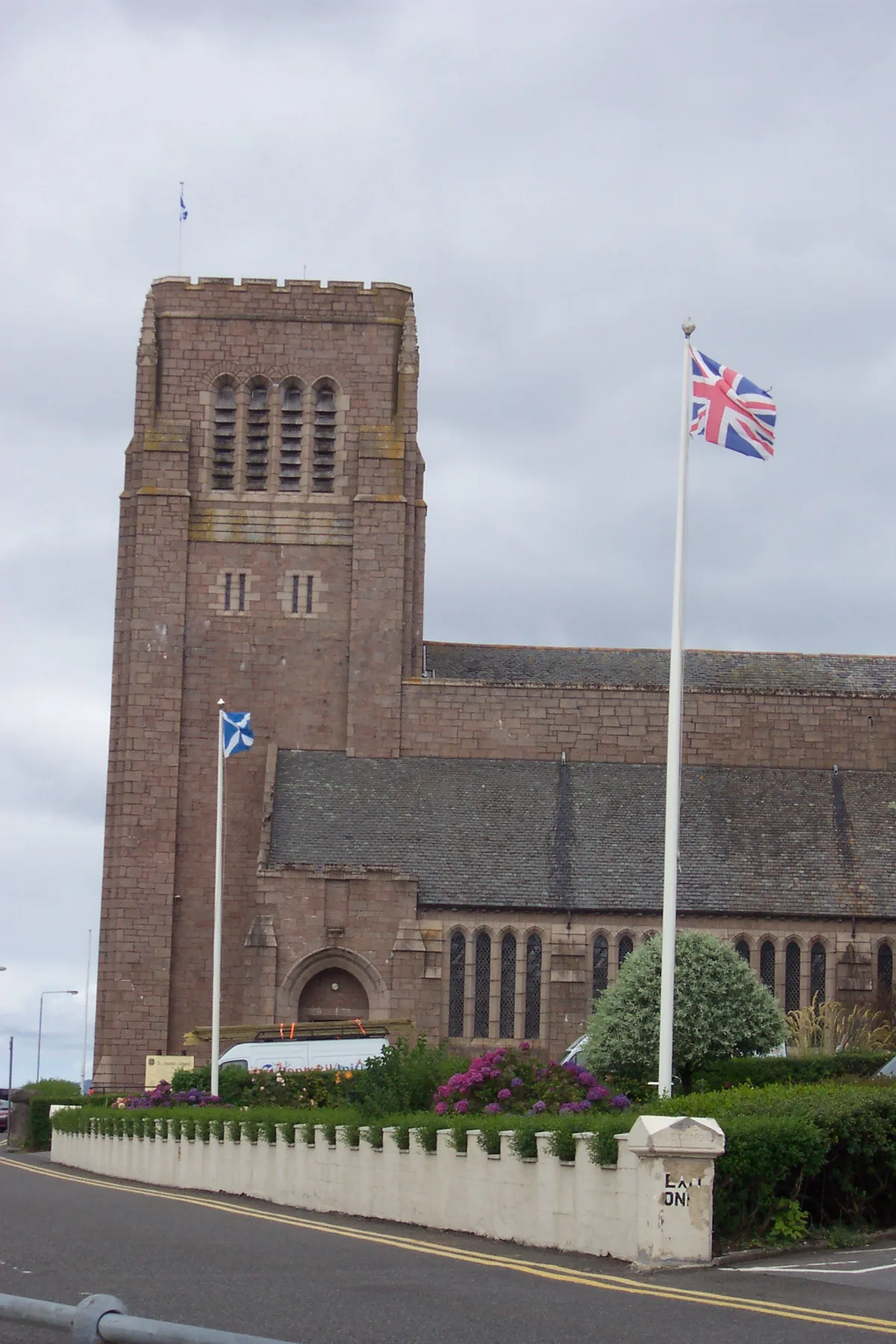 📷 5
📷 5Cathedrals · Central Scotland
St Columba's Cathedral
St Columba's Cathedral — cathedral in Oban, Argyll, Scotland.
 📷 3
📷 3Cathedrals · Central Scotland
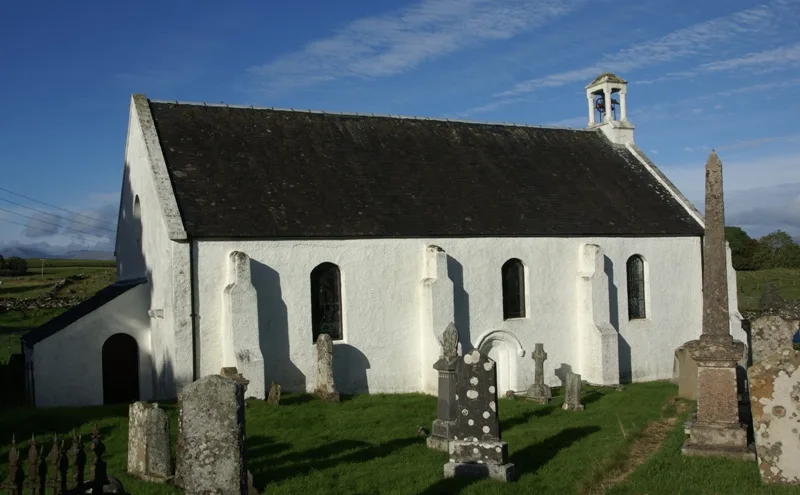
St Moluag's Cathedral, Lismore
St Moluag's Cathedral, Lismore — cathedral in Argyll and Bute, Scotland, UK.
 📷 4
📷 4Frequently asked questions
- Where is St Giles' Cathedral?
- St Giles' Cathedral is in central Scotland, United Kingdom (postcode EH1 1RE).
- What is St Giles' Cathedral?
- St Giles' Cathedral — Church of Scotland cathedral in Edinburgh, Scotland, UK.
- How do I get to St Giles' Cathedral?
- The nearest railway station is Edinburgh Waverley, about 0.3 km away. The nearest town is Edinburgh. Drivers can use postcode EH1 1RE.
- When was St Giles' Cathedral built?
- Built or established in 1400.
- Is St Giles' Cathedral a listed building?
- St Giles' Cathedral is officially recognised as category A listed building listed.
- Is St Giles' Cathedral free to visit?
- Yes, St Giles' Cathedral is free to enter.
- How do I get to St Giles' Cathedral?
- The nearest railway station is Edinburgh Waverley, about 0.3 km away. Drivers can navigate to postcode EH1 1RE.