
Natural landmarks · North East England
Sheriff Hill
In or near Felling.
Sheriff Hill in England North East, United Kingdom.

JThomas — CC BY-SA 2.0 via Wikimedia Commons licence

Plan your visit
- Typical visit
- 1 h–2 h
- Nearest railway station
- Felling · 1.8 km
- Free entry
- Dog-friendly
Getting there & planning your visit
To visit Sheriff Hill in Gateshead, the nearest railway station is Felling, located 1.8 km away. The postcode for navigation is NE9 6QR, and entry to the site is free.
About
Sheriff Hill is a place of interest in England North East, United Kingdom — drawn from open-data sources for visitor reference. See the linked Wikipedia article for the full description.
Photo gallery
From the Wikipedia article
Sheriff Hill is a suburb in the Metropolitan Borough of Gateshead in Tyne and Wear, England. It lies on the B1296 road 2 miles (3 km) south of Gateshead, 2.5 miles (4 km) south of Newcastle upon Tyne and 12 miles (19 km) north of the historic city of Durham. According to the 2001 UK census it had a population of 5,051. Historically part of Gateshead Fell in County Durham, Sheriff Hill was the site of a battle between William the Conqueror and Malcolm III of Scotland in 1068. A road was built through Gateshead Fell in the early 13th century, attracting some settlers. A procession of bishops, sheriffs and noblemen known as the Sheriff's March took place on the road in 1282, and continued biannually until the 1830s. By then, Gateshead Fell had been enclosed and a village had grown around the road, largely populated by an influx of tinkers, coalminers working at Sheriff Hill Colliery and workers at the local pottery, mill and sandstone quarry. By the turn of the 20th century these industries were in steep decline. The local authority built a large council estate at Sheriff Hill to alleviate dangerous overcrowding in Gateshead, effectively turning the area into a residential suburb. It ceased to be an independent village on 1 April 1974 when it was incorporated into the Metropolitan Borough of Gateshead under the terms of the Local Government Act 1972. Now part of the local council ward of High Fell, the suburb is economically disadvantaged compared with other areas of the borough and nationally, with high levels of unemployment. Sheriff Hill was the site of one of Gateshead's largest boarding schools but as of 2012, the only remaining educational establishment is Glynwood Primary School. The suburb also contains the Queen Elizabeth Hospital – the largest hospital in Gateshead, a small dene and a small park. The principal landmark is St John the Evangelist Church, one of three Grade II listed buildings in the area and one of two remaining churches. The southern end of…
Excerpt from Wikipedia under CC BY-SA 4.0. See the source article linked in Sources below.
Background
History
was repelled by William the Conqueror at Sheriff Hill in 1068|alt=In a black and white engraving in an ovoid frame, a late middle-aged man faces right. He wears a regal tunic over a dark shirt. His bushy, neck-length hair is greying, and he has a grey beard with a black moustache and prominent eyebrows. On his head he wears a slim crown. ]] Until the 19th century, Sheriff Hill was part of Gateshead Fell, a "windswept, barren and treacherous heath" that took its name from the town of Gateshead and the fell or common land contiguous with it. In 1068, Malcolm III of Scotland marched across the Scottish border to challenge the authority of William the Conqueror. Malcolm, accompanied by native…
Sourced from Wikipedia under CC BY-SA 4.0.
- Coordinates
- 54.9390, -1.5860
- District
- Gateshead
- Parish
- Gateshead, unparished area
- Postcode
- NE9 6QR
- Parliamentary constituency
- Gateshead Central and Whickham
- Nearest railway station
- Felling — 1.8 km
Sources
- wikidata: Q7494969 (CC0)
- wikipedia: Sheriff Hill (CC BY-SA 4.0)
Other places nearby
.jpg?width=1200)
St John's Church, Gateshead Fell
Historic churches · 0.2 km

Sheriff Hill Lunatic Asylum
Historic churches · 0.3 km

Queen Elizabeth Hospital, Gateshead
Other places · 0.3 km

Underhill
Historic houses · 0.4 km

Sheriff Hill
Mountains & hills · 0.5 km

Gateshead Fell
Natural landmarks · 0.6 km
Eastwood Gardens
Racecourses · 0.6 km

Gateshead
Cathedrals · 0.8 km

Sheriff Hill
Villages · 0.8 km

Carr Hill
Other places · 0.9 km

South Africa War Memorial
Memorials & monuments · 0.9 km

Windy Nook
Other places · 1.0 km
Nearby
📷 4Historic churches · North East England
St John's Church, Gateshead Fell
St John's Church, Gateshead Fell — grade II listed church in Gateshead, Tyne and Wear, England, UK.
📷 4Historic churches · North East England
Sheriff Hill Lunatic Asylum
Sheriff Hill Lunatic Asylum in England North East, United Kingdom.
📷 4Other places · North East England
Queen Elizabeth Hospital, Gateshead
Queen Elizabeth Hospital, Gateshead in England North East, United Kingdom.
📷 3Historic houses · North East England
Underhill
Underhill — house in Gateshead, England, UK; first house in the world to be lit by electric light.
📷 5Mountains & hills · North East England
Sheriff Hill
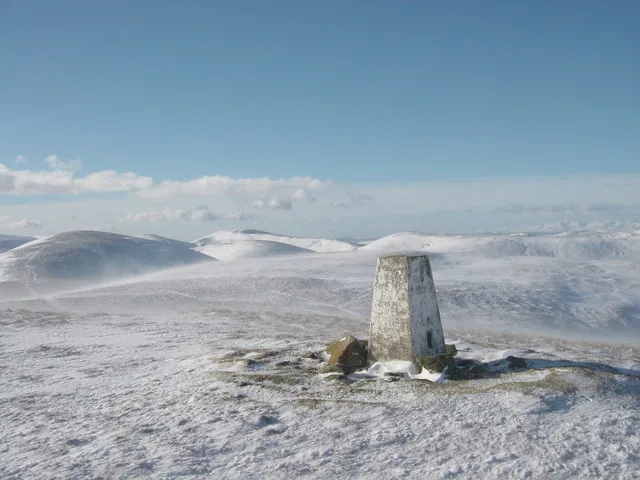
Sheriff Hill — mountain in scotland lowlands. Elevation: 167 m.
📷 3Natural landmarks · North East England
Gateshead Fell
Gateshead Fell in England North East, United Kingdom.
Where to eat & stay near Sheriff Hill
Places to stay
 📷 5
📷 5Hotels · North East England
Rivers Hotel
Rivers Hotel — a hotel in scotland lowlands.
 📷 5
📷 5Hotels · North East England
Hilton Newcastle Gateshead
Hilton Newcastle Gateshead — a hotel in scotland lowlands. 4-star. Brand: Hilton.
 📷 5
📷 5Hotels · North East England
Exchange Buildings
Exchange Buildings — a hotel in scotland lowlands.
 📷 5
📷 5 📷 5
📷 5Hotels · North East England
Vermont Hotel
Vermont Hotel — a hotel in scotland lowlands.
 📷 5
📷 5Hotels · North East England
Hotel du Vin
Hotel du Vin — a hotel in scotland lowlands.
Places to eat & drink
 📷 5
📷 5Restaurants · North East England
Sambuca
Sambuca — a restaurant in scotland lowlands.
 📷 5
📷 5Restaurants · North East England
House Of Tides
House Of Tides — a restaurant in scotland lowlands.
 📷 3
📷 3Historic pubs · North East England
The Crown Posada
Newcastle's Quayside Victorian pub, with William Morris stained glass.
📷 5Restaurants · North East England
Cilantro
Cilantro — a restaurant in scotland lowlands.
 📷 5
📷 5Historic pubs · North East England
Liberty House
Liberty House in Scotland Lowlands, United Kingdom.
 📷 5
📷 5Historic pubs · North East England
The Cluny
The Cluny in England North East, United Kingdom.
More natural landmarks in this region
 📷 4
📷 4Natural landmarks · North East England
Cleveland Way
109-mile horseshoe trail around the North York Moors and its sea cliffs.
 📷 3
📷 3Natural landmarks · North East England
The Hand Stone
The Hand Stone — a other in england-yorkshire, United Kingdom.
 📷 3
📷 3Natural landmarks · North East England
The Face Stone
The Face Stone — a other in england-yorkshire, United Kingdom.
 📷 3
📷 3Frequently asked questions
- Where is Sheriff Hill?
- Sheriff Hill is in North-East England, United Kingdom (postcode NE9 6QR), in the parish of Gateshead, unparished area.
- What is Sheriff Hill?
- Sheriff Hill in England North East, United Kingdom.
- How do I get to Sheriff Hill?
- The nearest railway station is Felling, about 1.8 km away. The nearest town is Felling. Drivers can use postcode NE9 6QR.
- Is Sheriff Hill free to visit?
- Yes, Sheriff Hill is free to enter.
- How do I get to Sheriff Hill?
- The nearest railway station is Felling, about 1.8 km away. Drivers can navigate to postcode NE9 6QR.