
Historic houses · North West England
Salford Lads Club
In or near Manchester.
Salford Lads Club — a Grade II*-listed historic house in england-west-midlands, United Kingdom.

Bobby Clegg — CC BY-SA 2.0 via Wikimedia Commons licence

Plan your visit
- Typical visit
- 1 h–2 h
- Nearest railway station
- Salford Crescent · 1.0 km
- Free entry
- Family-friendly
- Limited wheelchair access
Getting there & planning your visit
To visit Salford Lads Club, the nearest railway station is Salford Crescent, which is 1 km away. The postcode for sat-nav is M5 3RX. Accessibility is limited for wheelchair users.
About
Salford Lads Club is a Grade II*-listed building in england-west-midlands, United Kingdom. Grade II* status is conferred by Historic England (or Cadw, Historic Environment Scotland or NIEA equivalents) on buildings of exceptional national interest. See the linked Wikipedia article for full historical and architectural details.
Photo gallery
Official information
Salford Lads Club is a community hub that has been supporting young people in Salford since 1903. It offers various programs in music, sport, and art, providing a safe space for youth to grow and develop. The club also features a heritage aspect, celebrating its historical significance in the area.
From the Wikipedia article
Salford Lads' Club is a recreational club in the Ordsall area of Salford, Greater Manchester, England. The club, on the corner of St. Ignatius Walk and Coronation Street, was established in 1903 as purpose-built club for boys, but today welcomes people of both sexes and organises different activities including sports, and creative and cultural exhibitions. The club also welcomes global visitors for tours on dedicated open days, with merchandise available to purchase to help it remain open. The club was officially opened on 30 January 1904 by Robert Baden-Powell, who later founded the Scout movement. Former members include footballers Albert McPherson, Steve Fleet, Eddie Colman and Brian Doyle, Allan Clarke, lead singer of 1960s pop group The Hollies, and Graham Nash, guitarist, songwriter and singer with The Hollies who went on to form Crosby, Stills, Nash and Young. The building gained listed status in 2003 as its tiled interior is virtually unchanged with original fittings and includes a boxing ring, snooker rooms and a gym with a viewing balcony. English Heritage said: "The building is thought to be the most complete example of this rare form of social provision to survive in England." In 2007, the Manchester Evening News reported that the building, which was used for the sleeve of The Smiths album The Queen Is Dead, came third in a nationwide hunt to find the most iconic buildings in the country.
Excerpt from Wikipedia under CC BY-SA 4.0. See the source article linked in Sources below.
Background
History
The concept of a boys' club grew up in the 19th century as a way of keeping young boys "off the streets" and encouraging them to become "good and worthy God-fearing citizens". The clubs were usually set up by local philanthropic businessmen and it was soon realised that to compete with the outside attractions of freedom from restraint and gambling they must provide not only for draughts, bagatelle, and billiards but for more exciting pursuits that most boys could not otherwise obtain such as gymnastics, boxing, fives, swimming and, especially, outdoor games. Salford Lads' Club was founded in 1903 by two brothers, James and William Groves, from the family of brewers that were partners with…
Sourced from Wikipedia under CC BY-SA 4.0.
- Coordinates
- 53.4769, -2.2744
- District
- Salford
- Parish
- Salford, unparished area
- Postcode
- M5 3RX
- Parliamentary constituency
- Salford
- Phone
- 0161 872 3767
- Established
- 1904
- Nearest railway station
- Salford Crescent — 1 km
- Official site
- salfordladsclub.org.uk
Sources
- wikidata: Q7404380 (CC0)
- wikipedia: Salford Lads' Club (CC BY-SA 4.0)
Other places nearby
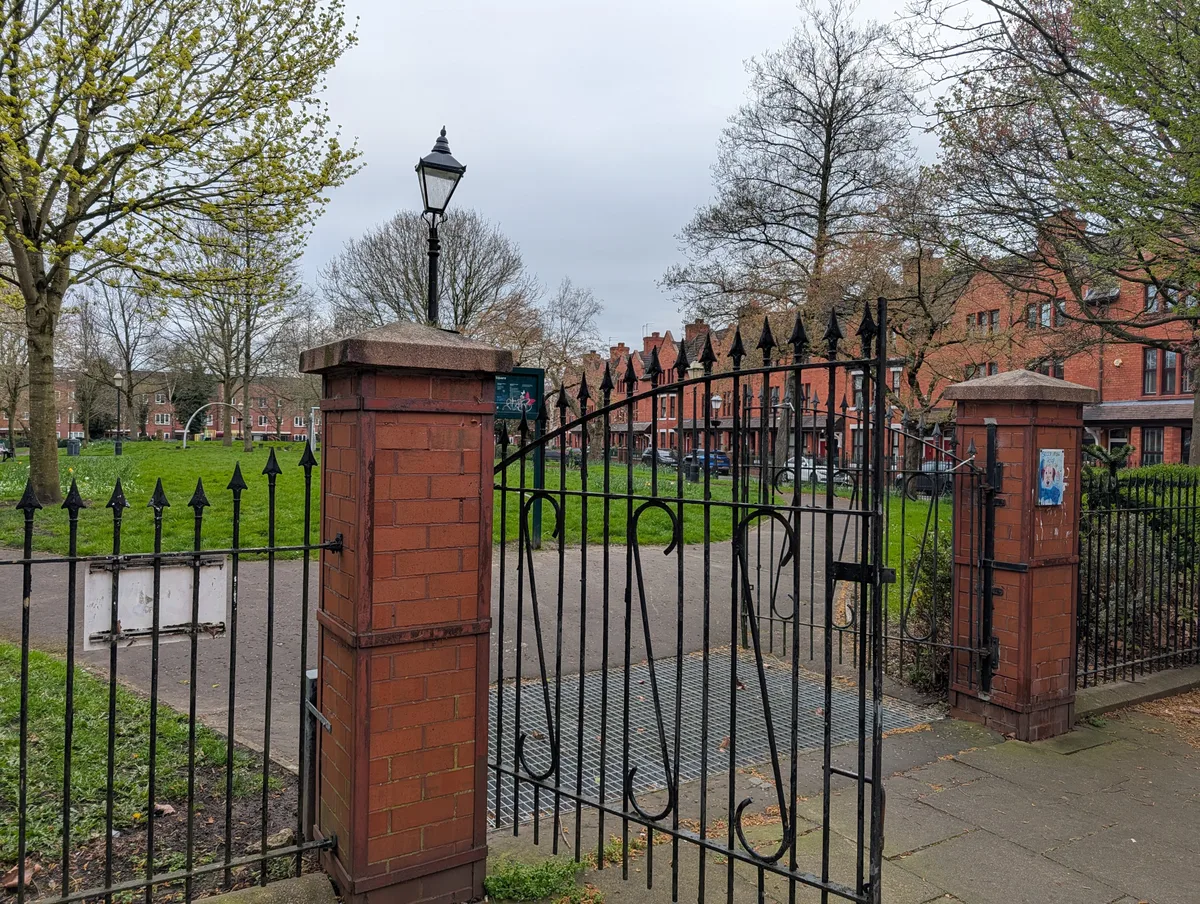
Regent Square
Country parks · 0.1 km

Ordsall, Greater Manchester
Historic churches · 0.4 km

Evacuation of Salford's children, Second World War
Memorials & monuments · 0.5 km
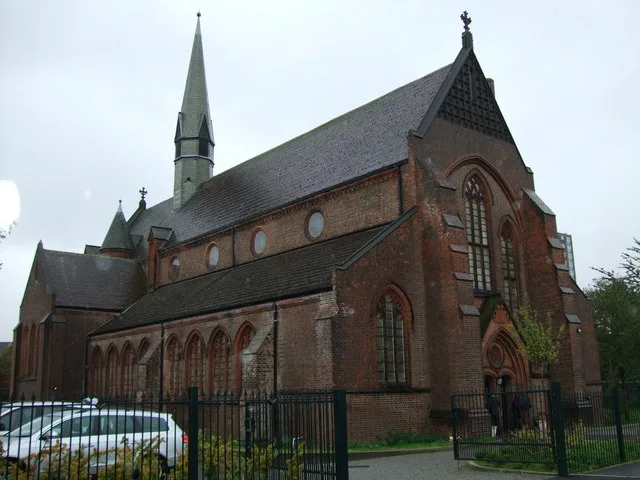
St Clement's Church, Ordsall
Abbeys & priories · 0.5 km

St Clement's Church, Ordsall
Cathedrals · 0.5 km

Essoldo Salford
Theatres · 0.6 km

Boro' Cinema
Theatres · 0.7 km

Studio 1 & 2
Theatres · 0.8 km

War Memorial in Albion Place
Memorials & monuments · 0.8 km

The Lancashire Fusiliers
Memorials & monuments · 0.8 km

Working Class Movement Library
Historic libraries · 0.8 km
Les Hough
Memorials & monuments · 0.8 km
Nearby
📷 3Country parks · North West England
Regent Square
Regent Square — park in Salford, Greater Manchester, England.
📷 5Historic churches · North West England
Ordsall, Greater Manchester
Ordsall is an inner city suburb of Salford, Greater Manchester, England. The population at the 2011 census was 14,194. It lies chiefly to the south of the A57 road, close to the River Irwell, the main
📷 3Memorials & monuments · North West England
Evacuation of Salford's children, Second World War
Evacuation of Salford's children, Second World War — a memorial in england-west-midlands, United Kingdom.
📷 3Abbeys & priories · North West England
St Clement's Church, Ordsall
St Clement's Church, Ordsall — grade II listed church in Salford, Greater Manchester, England, UK.
📷 3Cathedrals · North West England
St Clement's Church, Ordsall
St Clement's Church, Ordsall is a cathedral in the United Kingdom.
📷 3Where to eat & stay near Salford Lads Club
Places to stay
 📷 7
📷 7 📷 5
📷 5 📷 5
📷 5Hotels · North West England
Holiday Inn Express
Holiday Inn Express — a hotel in england west midlands. Brand: Holiday Inn Express.
 📷 5
📷 5Hotels · North West England
Great John Street Hotel
Great John Street Hotel — a hotel in england west midlands. 4-star. Brand: Eclectic Hotel Group.
 📷 5
📷 5Hotels · North West England
Hilton Manchester Deansgate
Hilton Manchester Deansgate — a hotel in england west midlands.
 📷 7
📷 7Hotels · North West England
Hotel Football
Hotel Football — a hotel in england west midlands.
Places to eat & drink
 📷 6
📷 6Historic pubs · North West England
19, 20 And 21, The Crescent
19, 20 And 21, The Crescent in England North West, United Kingdom.
 📷 7
📷 7Historic pubs · North West England
Sir Ralph Abercromby
Sir Ralph Abercromby in England North West, United Kingdom.
 📷 5
📷 5Historic pubs · North West England
The Briton's Protection
The Briton's Protection in England North West, United Kingdom.
 📷 5
📷 5Historic pubs · North West England
The Punch Bowl Public House
The Punch Bowl Public House in England North West, United Kingdom.
 📷 5
📷 5Historic pubs · North West England
The Crown Tavern
The Crown Tavern in England North West, United Kingdom.
 📷 7
📷 7Historic pubs · North West England
Maypole Public House
Maypole Public House in England North West, United Kingdom.
More historic houses in this region
 📷 3
📷 3Historic houses · North West England
116 Hospital Street, Nantwich
116 Hospital Street, Nantwich — substantial townhouse in Nantwich, Cheshire, England, UK.
 📷 3
📷 3Historic houses · North West England
140–142 Hospital Street, Nantwich
140–142 Hospital Street, Nantwich — grade II listed building in Nantwich, Cheshire East, Cheshire, England, UK.
 📷 3
📷 3Historic houses · North West England
46 High Street, Nantwich
46 High Street, Nantwich — house in Nantwich, Cheshire, England, UK.
 📷 3
📷 3Historic houses · North West England
64, St Ann's Road
64, St Ann's Road — Grade II* listed house in Middlewich, Cheshire East, England, UK.
Frequently asked questions
- Where is Salford Lads Club?
- Salford Lads Club is in North-West England, United Kingdom (postcode M5 3RX), in the parish of Salford, unparished area.
- What is Salford Lads Club?
- Salford Lads Club — a Grade II*-listed historic house in england-west-midlands, United Kingdom.
- How do I get to Salford Lads Club?
- The nearest railway station is Salford Crescent, about 1.0 km away. The nearest town is Manchester. Drivers can use postcode M5 3RX.
- When was Salford Lads Club built?
- Built or established in 1904.
- Is Salford Lads Club a listed building?
- Salford Lads Club is officially recognised as Grade II* listed.
- Is Salford Lads Club free to visit?
- Yes, Salford Lads Club is free to enter.
- How do I get to Salford Lads Club?
- The nearest railway station is Salford Crescent, about 1.0 km away. Drivers can navigate to postcode M5 3RX.