
Natural landmarks · Scottish Highlands
Rubislaw Quarry
In or near Kingswells.
Rubislaw Quarry — quarry lake in Aberdeen, Scotland, UK.

Wikimedia Commons contributors — see linked file page for photographer and licence licence

Plan your visit
- Typical visit
- 1 h–2 h
- Nearest railway station
- Aberdeen · 3.1 km
- Free entry
- Dog-friendly
Getting there & planning your visit
Rubislaw Quarry is located in Aberdeen City, with the nearest railway station being Aberdeen, approximately 3.1 km away. Entry to the quarry is free. The postcode for sat-nav is AB15 6WF.
About
Rubislaw Quarry is a named natural landmark in the United Kingdom. Wikidata describes it as: "quarry lake in Aberdeen, Scotland, UK". Coordinates: 57.1401°, -2.1485°.
Photo gallery
Official information
The Gordon Highlanders Museum in Aberdeen showcases the rich history of the Gordon Highlanders regiment over 200 years. Visitors can explore a nationally significant collection of artifacts and enjoy guided tours led by knowledgeable staff and volunteers.
From the Wikipedia article
Rubislaw Quarry is a quarry situated at the Hill of Rubislaw in the west end of the city of Aberdeen, Scotland. The quarry is one of the biggest man-made holes in Europe at approximately 466 ft. (142m) deep, and with a diameter of 394 ft. (120m). Since its closure in 1971, it has filled with water and is currently inaccessible to the public. As late as the 1800s, the quarry would have stood on the farmland surrounding Aberdeen but slowly it was encircled as the town grew into a city. In the present day, the quarry's situation feels unusual, sited on a main road, sandwiched between residential areas on three sides and a business park to the north. An estimated six million tonnes of granite were extracted from the quarry over a period of 200 years which directly contributed to Aberdeen's reputation as the Granite City. The majority of prestigious buildings erected in Aberdeen in the late 18th century and early 19th century were made from the quarry's contents, and designed by the likes of John Smith and Archibald Simpson. One local building of particular note is Marischal College, the second-largest granite building in the world and the current headquarters of Aberdeen City Council. The granite from the quarry was known for its quality and was used, for example, on Waterloo Bridge in London, the terrace of the Palace of Westminster, and the Forth Bridge. The extracts from Rubislaw Quarry are described as being 'blue granite' or 'grey granite', as opposed to the 'red granite' found in quarries near Peterhead, Scotland. The colour depends on the hue of quartz and feldspar and its ratio with mica. Matthew Forster Heddle found the quarry a good source of the minerals tourmaline and beryl. Traces of Emerald were also found.
Excerpt from Wikipedia under CC BY-SA 4.0. See the source article linked in Sources below.
Background
History
Rubislaw quarry was opened in 1740. In 1778/9, Aberdeen City Council sold it to a businessman for £13, as it was not thought to be a source of good building material. An advert in the Aberdeen Journal of 16 May 1791 states that a seven-year lease is to be sold by public auction, and advises that a new road for access is being constructed by the owners. In early 1879, an initiative by the Association for Improving the Condition of the Poor resulted in up to 350 unemployed men presenting themselves to the quarry to be employed in breaking stones. December 1889 saw the establishment of the Rubislaw Granite Company Limited to take over ownership from Mr. William Gibb of John Gibb & Son due to…
Sourced from Wikipedia under CC BY-SA 4.0.
- Coordinates
- 57.1401, -2.1485
- District
- Aberdeen City
- Postcode
- AB15 6WF
- Parliamentary constituency
- Aberdeen South
- Nearest railway station
- Aberdeen — 3.1 km
Sources
- wikidata: Q2171671 (CC0)
- wikipedia: Rubislaw quarry (CC BY-SA 4.0)
- commons: Rubislaw Quarry.jpg (CC BY-SA 4.0)
Other places nearby

Memorial to Gordon Highlanders Who Burned Their Kilts
Memorials & monuments · 0.3 km
The Gordon Highlanders Museum
Museums · 0.3 km
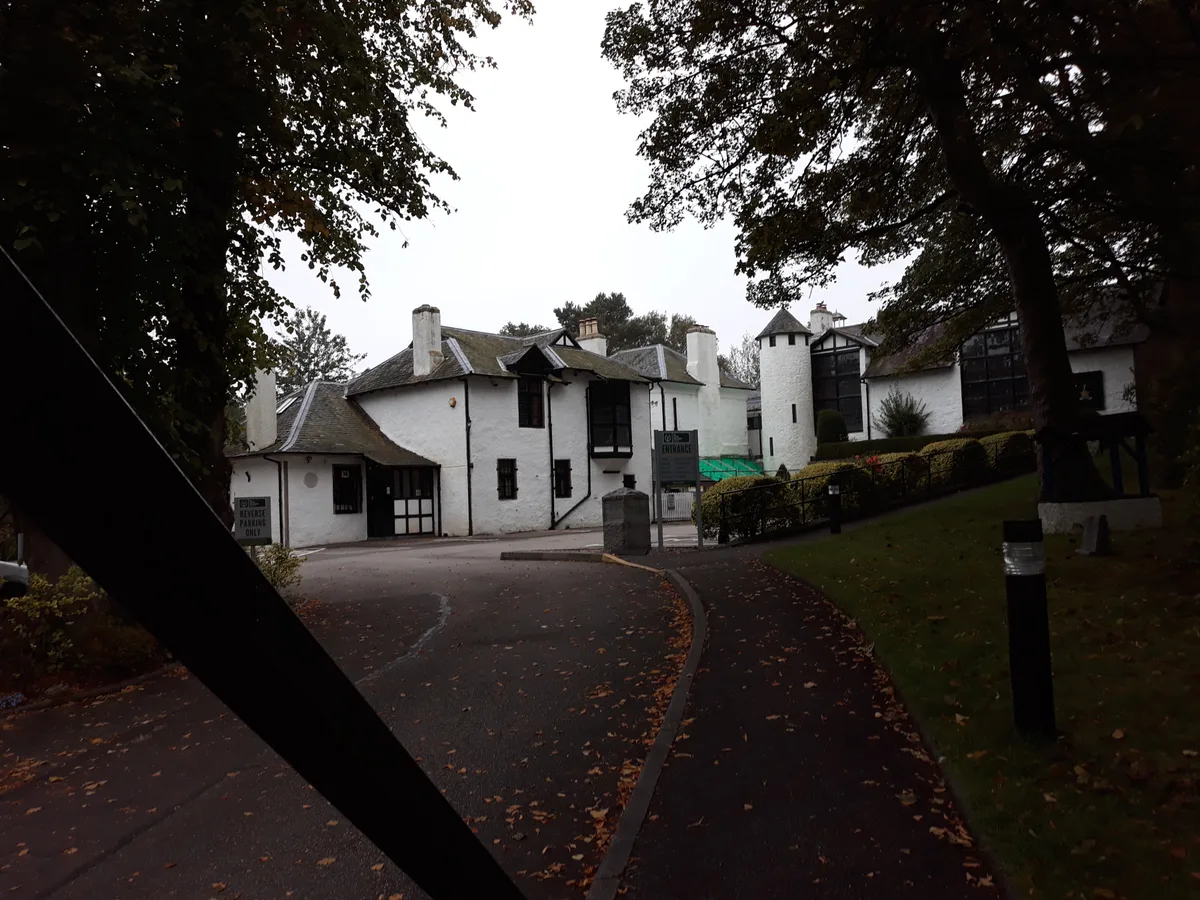
Gordon Highlanders Museum
Museums · 0.3 km
Sir George Reid
Memorials & monuments · 0.3 km

Roman Catholic Diocese of Aberdeen
Historic churches · 0.4 km

2009 North Sea Super Puma Crash Memorial
Memorials & monuments · 0.4 km

Craigiebuckler Parish Church And Halls, Springfield Road, Aberdeen
Historic churches · 0.5 km

Aberdeen Grammar School Pavilion
Memorials & monuments · 0.6 km

John Morgan
Memorials & monuments · 0.8 km

Springbank Cemetery
Cemeteries · 0.9 km

8 ABD
Archaeological sites · 1.1 km
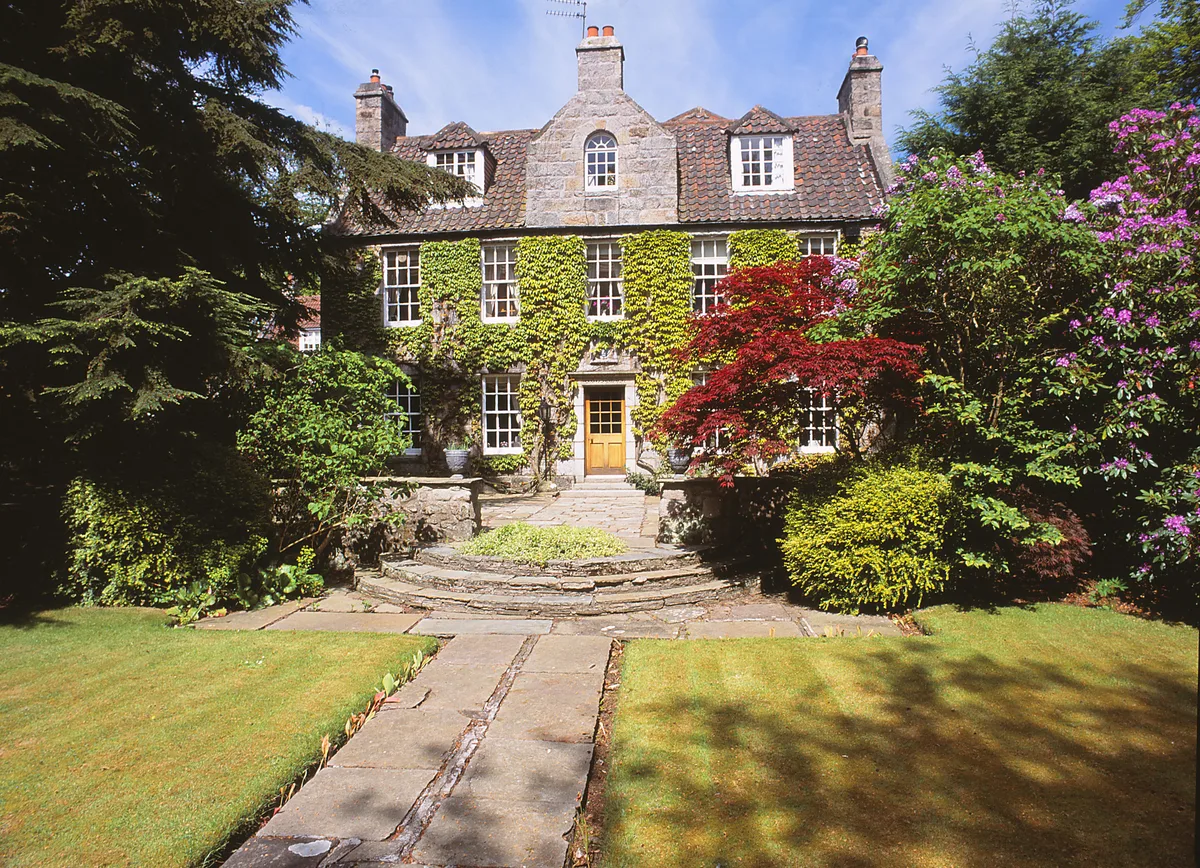
Friendville
Stately homes · 1.1 km
Nearby
📷 3Memorials & monuments · Scottish Highlands
Memorial to Gordon Highlanders Who Burned Their Kilts
Memorial to Gordon Highlanders Who Burned Their Kilts — a memorial in scotland-highlands, United Kingdom.
📷 3Museums · Scottish Highlands
The Gordon Highlanders Museum
The Gordon Highlanders Museum — a museum in scotland-highlands, United Kingdom.
📷 3Museums · Scottish Highlands
Gordon Highlanders Museum
Gordon Highlanders Museum — military museum in Aberdeen, Scotland, United Kingdom.
📷 3Memorials & monuments · Scottish Highlands
Sir George Reid
Sir George Reid — a memorial in scotland-highlands, United Kingdom.
📷 5Historic churches · Scottish Highlands
Roman Catholic Diocese of Aberdeen
Roman Catholic Diocese of Aberdeen — a church in scotland-highlands, United Kingdom.
📷 3Memorials & monuments · Scottish Highlands
2009 North Sea Super Puma Crash Memorial
2009 North Sea Super Puma Crash Memorial — a memorial in scotland-highlands, United Kingdom.
Where to eat & stay near Rubislaw Quarry
Places to stay
 📷 5
📷 5Hostels · Scottish Highlands
Aberdeen Youth Hostel
Aberdeen Youth Hostel — a hostel in scotland highlands.
 📷 7
📷 7Hotels · Scottish Highlands
Sure Hotel by Best Western Aberdeen
Sure Hotel by Best Western Aberdeen — a hotel in scotland highlands.
 📷 5
📷 5 📷 5
📷 5Hostels · Scottish Highlands
British Red Cross Hostel
British Red Cross Hostel — a hostel in scotland highlands.
 📷 5
📷 5Hotels · Scottish Highlands
Skene House Apartments Holburn
Skene House Apartments Holburn — a hotel in scotland highlands.
 📷 5
📷 5Places to eat & drink
 📷 5
📷 5Historic pubs · Scottish Highlands
Public House, Alford Place, Aberdeen
Public House, Alford Place, Aberdeen in Scotland Highlands, United Kingdom.
 📷 5
📷 5Historic pubs · Scottish Highlands
10 Bon-accord Square, Aberdeen
10 Bon-accord Square, Aberdeen in Scotland Highlands, United Kingdom.
 📷 7
📷 7Historic pubs · Scottish Highlands
The Star And Garter, 6 Crown Street, Aberdeen
The Star And Garter, 6 Crown Street, Aberdeen in Scotland Highlands, United Kingdom.
 📷 5
📷 5Historic pubs · Scottish Highlands
3 Golden Square, Aberdeen
3 Golden Square, Aberdeen in Scotland Highlands, United Kingdom.
 📷 7
📷 7 📷 5
📷 5Historic pubs · Scottish Highlands
13 - 15 Market Street, Aberdeen
13 - 15 Market Street, Aberdeen in Scotland Highlands, United Kingdom.
More natural landmarks in this region
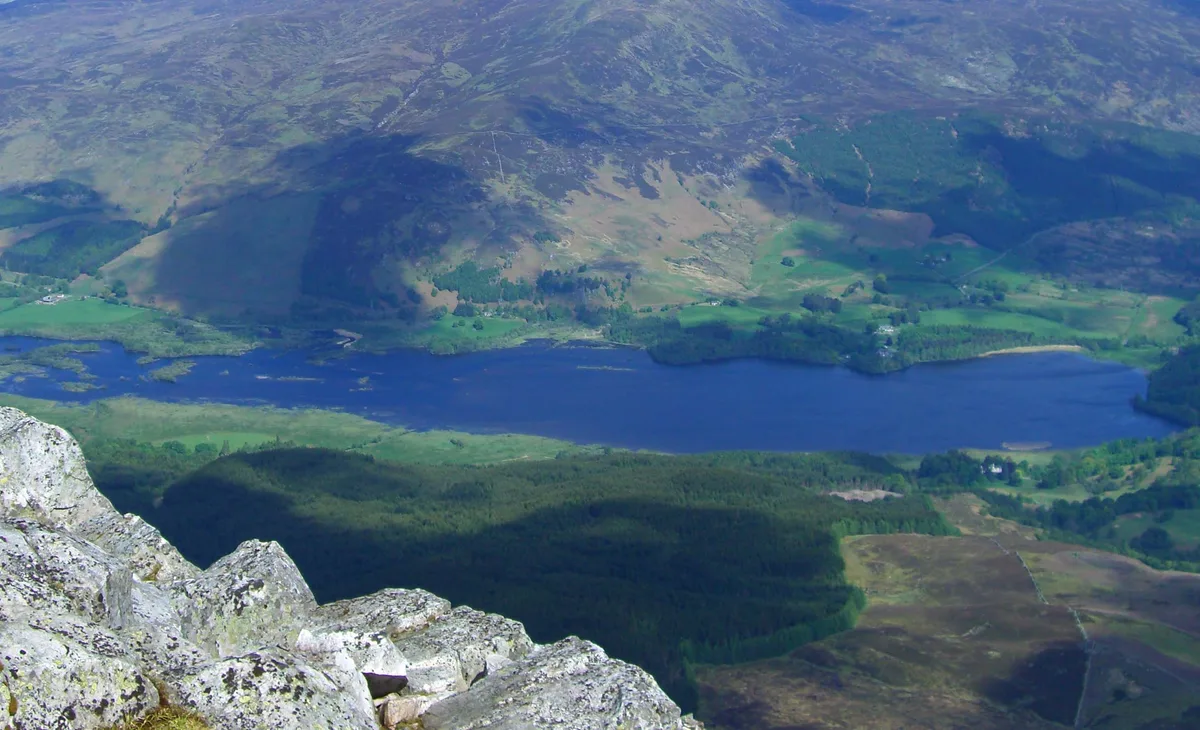 Flagship📷 3
Natural landmarks · Scottish Highlands
Dunalastair Water
Dunalastair Water — lake in Perth and Kinross, Scotland, UK, on the River Tummel.
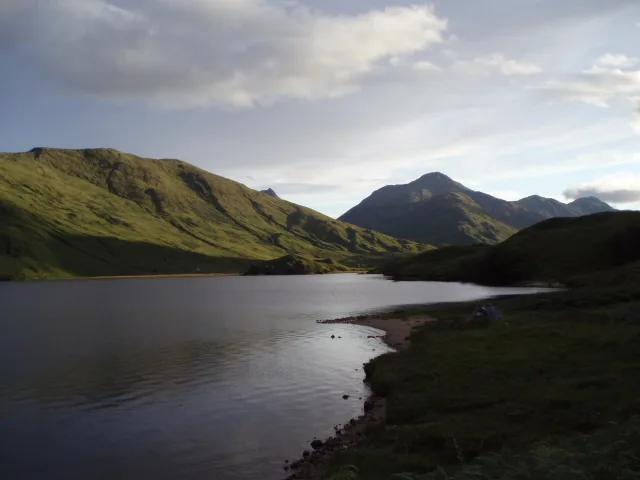 Flagship📷 3
Natural landmarks · Scottish Highlands
Loch Arkaig
Loch Arkaig — lake in Highland, Scotland, UK, outflows east to River Arkaig.
 Flagship📷 3
Natural landmarks · Scottish Highlands
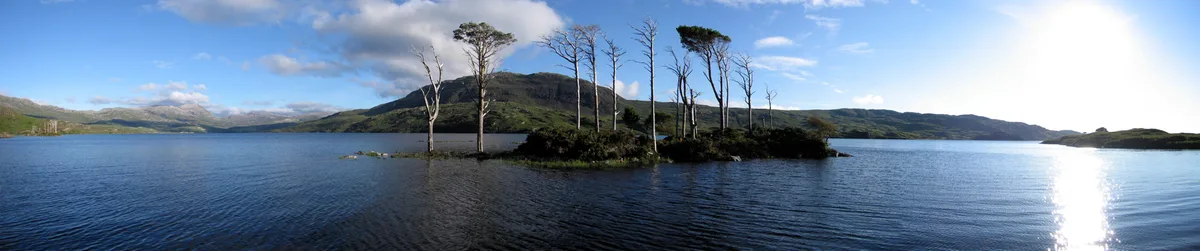
Loch Assynt
Loch Assynt — lake in Highland, Scotland, UK, outflows to the River Inver and Loch na Garbh Uidhe.
 Flagship📷 5
Natural landmarks · Scottish Highlands
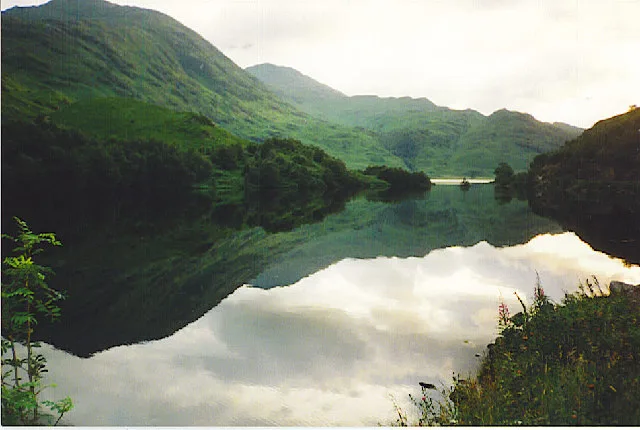
Loch Eilt
Loch Eilt — lake in Highland, Scotland, UK, outflows west to River Ailort.
Frequently asked questions
- Where is Rubislaw Quarry?
- Rubislaw Quarry is in the Scottish Highlands, United Kingdom (postcode AB15 6WF).
- What is Rubislaw Quarry?
- Rubislaw Quarry — quarry lake in Aberdeen, Scotland, UK.
- How do I get to Rubislaw Quarry?
- The nearest railway station is Aberdeen, about 3.1 km away. The nearest town is Kingswells. Drivers can use postcode AB15 6WF.
- Is Rubislaw Quarry free to visit?
- Yes, Rubislaw Quarry is free to enter.
- How do I get to Rubislaw Quarry?
- The nearest railway station is Aberdeen, about 3.1 km away. Drivers can navigate to postcode AB15 6WF.