
Parks · London
Richmond Park
In or near Thames Ditton.
Richmond Park — Royal Park in London, England, UK.

Wikimedia Commons contributors — see linked file page for photographer and licence licence

Plan your visit
- Typical visit
- 1 h–2 h
- Nearest railway station
- North Sheen · 2.6 km
- Free entry
- Family-friendly
- Dog-friendly
Getting there & planning your visit
To visit Richmond Park, the nearest railway station is North Sheen, which is 2.6 km away. The postcode for sat-nav is TW10 5HR. Entry to the park is free.
About
Richmond Park is a public park in the United Kingdom. Records date its origin to 1625. It covers approximately 10 km². Heritage designation: Site of Special Scientific Interest. Named after Richmond. Part of Royal Parks of London. Wikidata describes it as: "Royal Park in London, England, UK". Coordinates: 51.4433°, -0.2750°.
Photo gallery
Summary from the official site
Richmond Park is London's largest Site of Special Scientific Interest and a National Nature Reserve, featuring ancient woods, rolling hills, and diverse wildlife, including historic herds of deer. Visitors can explore scenic trails, admire the Isabella Plantation, and enjoy the park's rich history dating back to the 17th century.
Read more on the official property page.
Protected designations
- Site of Special Scientific Interest: Richmond Park SSSI
- National Nature Reserve: RICHMOND PARK
Designations sourced from Natural England open data under OGL v3.
From the Wikipedia article
Richmond Park, in the London Borough of Richmond upon Thames, is the largest of London's Royal Parks and is of national and international importance for wildlife conservation. It was created by Charles I in the 17th century as a deer park. It is now a national nature reserve, a Site of Special Scientific Interest and a Special Area of Conservation and is included, at Grade I, on Historic England's Register of Historic Parks and Gardens of special historic interest in England. Its landscapes have inspired many famous artists and it has been a location for several films and TV series. Richmond Park includes many buildings of architectural or historic interest. The Grade I-listed White Lodge was formerly a royal residence and is now home to the Royal Ballet School. The park's boundary walls and ten other buildings are Grade II-listed, including Pembroke Lodge, the home of 19th-century British Prime Minister Lord John Russell and his grandson, the philosopher Bertrand Russell. In 2020, Historic England listed two other features in the park – King Henry's Mound, possibly a round barrow, and an unnamed mound which could be a long barrow. Historically the preserve of the monarch, the park is open for all to use and includes a golf club with two courses, and other facilities for sport and recreation. It played an important role in both world wars and the 1948 Summer Olympics and also featured in the 2012 Summer Olympics.
Excerpt from Wikipedia under CC BY-SA 4.0. See the source article linked in Sources below.
Background
History
The Underground Electric Railways Company published, in 1911, a poster, Richmond Park, designed by Charles Sharland. This is at the London Transport Museum, which also has: a District line poster from 1908, Richmond Park for pleasure and fresh air, by an unknown artist; Richmond Park, by an unknown artist (1910); Richmond by Underground by Alfred France (1910); Richmond Park by Arthur G Bell (1913); Richmond Park; humours no. 10 by German American puppeteer and illustrator Tony Sarg (1913); Richmond Park by tram by Charles Sharland (1913); Richmond Park by Harold L Oakley (1914); Natural history of London; no. 3, herons at Richmond Park by Edwin Noble (1916); Richmond Park by Emilio Camilio…
Architecture
<gallery class=center mode=nolines heights=140 widths=240> File:Holly Lodge.jpg|Holly Lodge File:Pembroke Lodge 10233-5.jpg|Pembroke Lodge File:Thatched House Lodge.jpg|Thatched House Lodge File:White Lodge.jpg|White Lodge </gallery> The park includes a Grade I listed building, White Lodge. The park's boundary wall is Grade II listed, as are ten other buildings: Ham Gate Lodge, built in 1742; Holly Lodge (formerly known as Bog Lodge) and the game larder in its courtyard, built in 1735; Thatched House Lodge; and White Ash Lodge and its barns and stables, built in the 1730s or 1740s. The freebord or "deer leap" is a strip of land 5 m wide, running around most of the perimeter of the park.…
Description
The Hearsum Collection is a registered charity that collects and preserves the heritage of Richmond Park. It has a collection, started by Daniel Hearsum (1958–2021) in 1997, of heritage material covering the last four centuries, with over 5000 items including antique prints, paintings, The Collection, which as of 2026 continues to be stored in unsatisfactory accommodation in Pembroke Lodge, In April 2017 the Collection helped to mount an exhibition at Dublin's Phoenix Park entitled Parks, Our Shared Heritage: The Phoenix Park, Dublin & The Royal Parks, London, demonstrating the historical links between the parks. The exhibition was also displayed at London's Mall Galleries in July and…
Sourced from Wikipedia under CC BY-SA 4.0.
- Coordinates
- 51.4433, -0.2750
- District
- Richmond upon Thames
- Parish
- Richmond upon Thames, unparished area
- Postcode
- TW10 5HR
- Parliamentary constituency
- Richmond Park
- Established
- 1625
- Nearest railway station
- North Sheen — 2.6 km
- Opening
- Pedestrian gates 24/7; vehicle gates 7am - 9pm
- Official site
- www.royalparks.org.uk
Sources
- wikidata: Q1142072 (CC0)
- wikipedia: Richmond Park (CC BY-SA 4.0)
- commons: Isabella Plantation, Richmond Park, London - April 2011.jpg (CC BY-SA 4.0)
Other places nearby

The Royal Oak
Memorials & monuments · 0.6 km

Isabella Plantation
Gardens · 1.2 km

Pembroke Lodge Gardens
Gardens · 1.3 km

Pembroke Lodge
Historic houses · 1.4 km

King Henry VIII Mound
Mountains & hills · 1.4 km

King Henry VIII's Mound
Viewpoints · 1.4 km

Dorich House Museum
Museums · 1.4 km
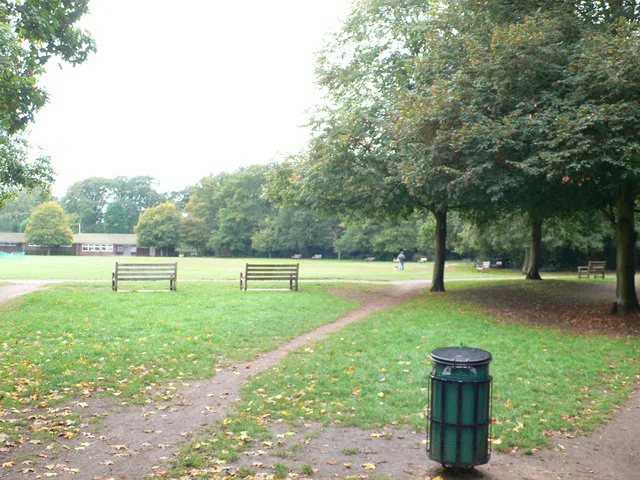
East Sheen Common
Parks · 1.5 km

Sudbrook Park
Historic houses · 1.6 km

South African War Memorial, Richmond Cemetery
Memorials & monuments · 1.6 km

Robert Watson-Watt
Memorials & monuments · 1.7 km

Rememberance Garden
Memorials & monuments · 1.7 km
Nearby
📷 5📷 5Gardens · London
Isabella Plantation
Isabella Plantation — woodland and garden in Richmond Park, London.
📷 5Gardens · London
Pembroke Lodge Gardens
Pembroke Lodge Gardens — a garden in england-london, United Kingdom.
📷 5Historic houses · London
Pembroke Lodge
Pembroke Lodge — a Grade II-listed historic house in england-london, United Kingdom.
📷 5Mountains & hills · London
King Henry VIII Mound
King Henry VIII Mound — a hill or mountain in england london.
📷 5Viewpoints · London
King Henry VIII's Mound
King Henry VIII's Mound is a viewpoint in the United Kingdom.
Where to eat & stay near Richmond Park
Places to stay
 📷 5
📷 5Hotels · London
Richmond Hill Hotel
Richmond Hill Hotel — a hotel in england london.
 📷 5
📷 5 📷 5
📷 5Hotels · London
DoubleTree by Hilton Kingston Upon Thames
DoubleTree by Hilton Kingston Upon Thames — a hotel in england london. 4-star. Brand: DoubleTree.
 📷 5
📷 5 📷 5
📷 5 📷 5
📷 5Places to eat & drink
 📷 7
📷 7 📷 7
📷 7 📷 5
📷 5 📷 5
📷 5 📷 5📷 7
Other parks from this era
 Flagship📷 10
Parks · London
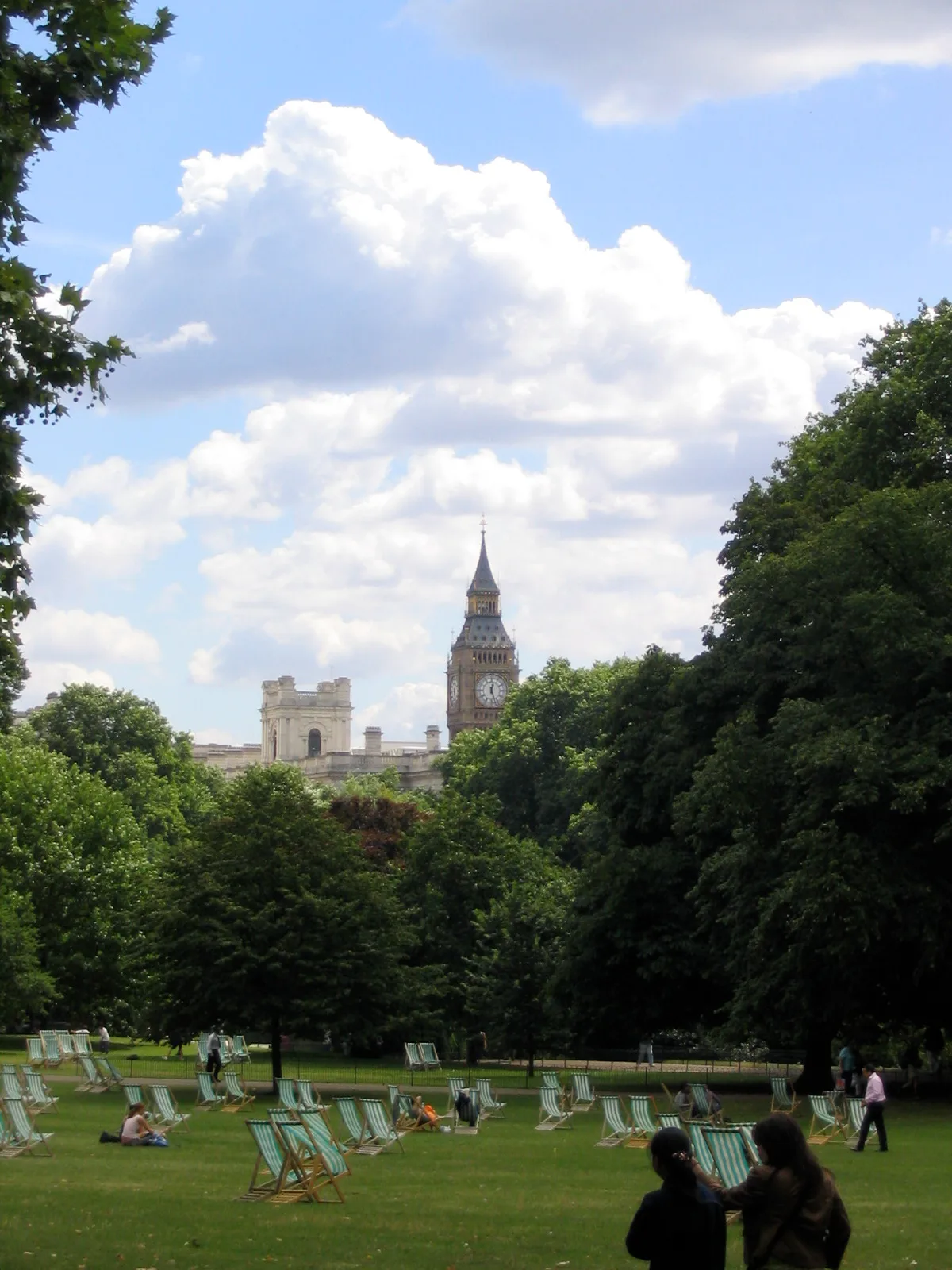
St James's Park
St James's Park — Royal Park in London.
 📷 3
📷 3Parks · West Midlands
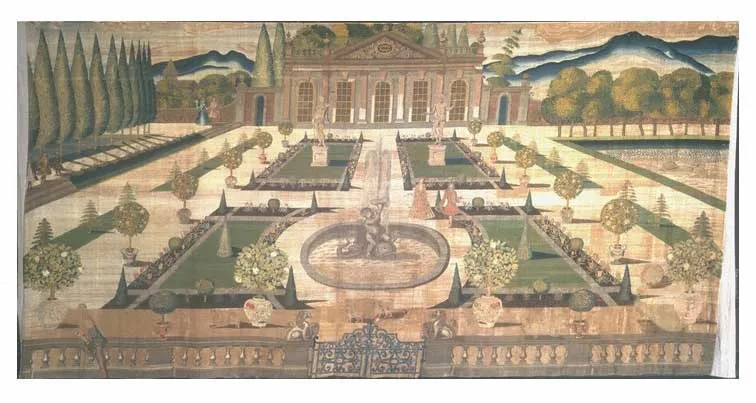
Stoke Edith House
Stoke Edith House — country house in Stoke Edith, Herefordshire, England, UK.
 📷 4
📷 4Parks · Yorkshire & the Humber
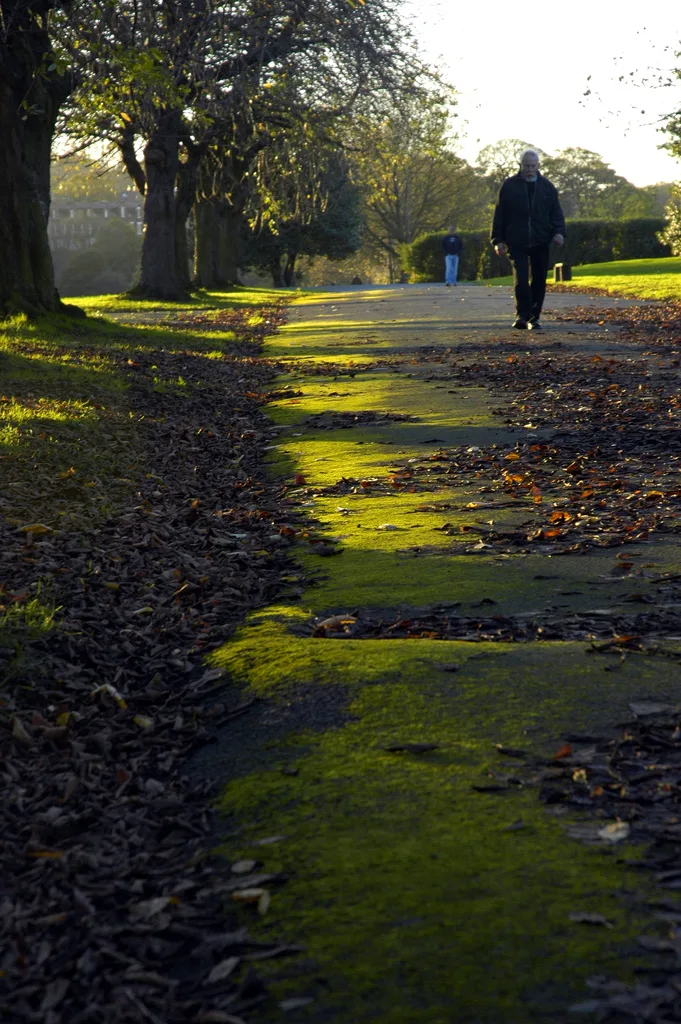
Armley Park
Armley Park is a park in the United Kingdom.
More parks in this region
 Flagship📷 10
 📷 10
📷 10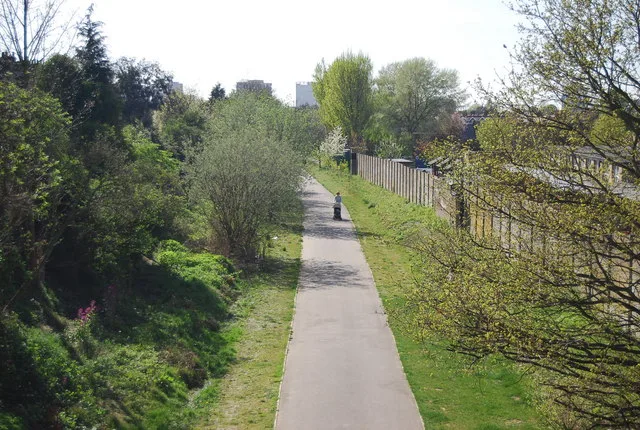 Flagship📷 10
Parks · London
Addiscombe Railway Park
Addiscombe Railway Park — park in London Borough of Croydon, United Kingdom.
 Flagship📷 10
Parks · London
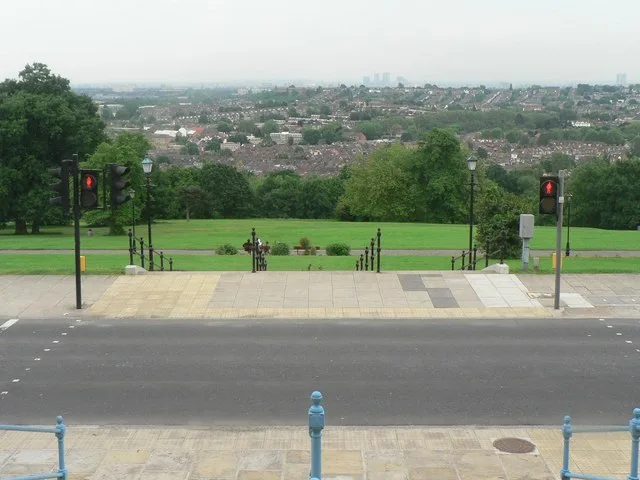
Alexandra Park
Alexandra Park — park in the London Borough of Haringey.
Frequently asked questions
- Where is Richmond Park?
- Richmond Park is in London, United Kingdom (postcode TW10 5HR), in the parish of Richmond upon Thames, unparished area.
- What is Richmond Park?
- Richmond Park — Royal Park in London, England, UK.
- How do I get to Richmond Park?
- The nearest railway station is North Sheen, about 2.6 km away. The nearest town is Thames Ditton. Drivers can use postcode TW10 5HR.
- When was Richmond Park built?
- Built or established in 1625.
- Who owns Richmond Park?
- Richmond Park is owned by The Royal Parks.
- Is Richmond Park a listed building?
- Richmond Park is officially recognised as Site of Special Scientific Interest listed.
- Is Richmond Park a protected site?
- Yes — Richmond Park is part of the Richmond Park SSSI Site of Special Scientific Interest and the RICHMOND PARK National Nature Reserve.
- Is Richmond Park free to visit?
- Yes, Richmond Park is free to enter.