
Castles · North West England
Piel Castle
Piel Castle — Grade I listed building in Cumbria, United Kingdom.

Wikimedia Commons contributors — see linked file page for photographer and licence licence

Plan your visit
- Typical visit
- 1.5 h–3 h
- Nearest railway station
- Roose · 6.0 km
- Free entry
- Family-friendly
- Limited wheelchair access
Getting there & planning your visit
To visit Piel Castle, the nearest railway station is Roose, located 6 km away. The postcode for sat-nav is LA13 0QN, and please note that entry is paid. Accessibility is limited for wheelchair users.
About
Piel Castle is a castle in the United Kingdom — fortified architecture from the medieval, Tudor, or Victorian-revival period. Constructed primarily of sandstone. Heritage designation: scheduled monument. Owned by Furness Abbey. Managed by English Heritage. Wikidata describes it as: "Grade I listed building in Cumbria, United Kingdom". Coordinates: 54.0625°, -3.1736°.
Photo gallery
Heritage listing
Piel Castle, also known as Fouldry Castle or the Pile of Fouldray, is a castle situated on the south-eastern point of Piel Island, off the coast of the Furness Peninsula in north-west England. Built in the early-14th century by John Cockerham, the Abbot of neighbouring Furness Abbey, it was intended to oversee the trade through the local harbour and to protect against Scottish raids. The castle was built using stones from the local beach, and featured a large keep with surrounding inner and outer baileys. It was used as a base by the Yorkist pretender Lambert Simnel in 1487, but by 1534 it had fallen into ruin and passed into the hands of the Crown. Sea erosion began to cause significant damage to the castle in the early 19th century.
From the Historic England List Entry under OGL v3.
From English Heritage
The impressive ruins of a 14th-century castle with a massive keep, inner and outer baileys, and towered curtain walls still standing.
Read more on the official property page.
Protected designations
- Site of Special Scientific Interest: South Walney and Piel Channel Flats SSSI
- Ramsar wetland: Morecambe Bay
Designations sourced from Natural England open data under OGL v3.
From the Wikipedia article
Piel Castle, also known as Fouldry Castle or the Pile of Fouldray, is a castle situated on the south-eastern point of Piel Island, off the coast of the Furness Peninsula in north-west England. Built in the early-14th century by John Cockerham, the Abbot of neighbouring Furness Abbey, it was intended to oversee the trade through the local harbour and to protect against Scottish raids. The castle was built using stones from the local beach, and featured a large keep with surrounding inner and outer baileys. It was used as a base by the Yorkist pretender Lambert Simnel in 1487, but by 1534 it had fallen into ruin and passed into the hands of the Crown. Sea erosion began to cause significant damage to the castle in the early 19th century. In the 1870s the castle's owner, the Duke of Buccleuch, carried out extensive restoration work and erected outworks to protect it against further damage from the sea. In 1920 the castle was given to the town of Barrow-in-Furness and is now in the care of English Heritage. The castle is at threat from continued coastal erosion.
Excerpt from Wikipedia under CC BY-SA 4.0. See the source article linked in Sources below.
Background
History
Piel Castle was built on Piel Island, overlooking the deep water port of Piel Harbour outside of Barrow Haven, now called Barrow-in-Furness. There may have been an earlier 12th-century fortification on the island, possibly built by the local monks in the reign of King Stephen, but this is uncertain. The castle was built by John Cockerham, the Abbot of Furness Abbey around 1327, when Edward III gave the abbey a licence to crenellate on the site. Comprising a keep with an inner and outer bailey, the castle was intended to oversee the trade through the harbour, and to provide defence, as the Abbey had faced raids from Scotland in 1316 and 1322. , showing the keep (lower right) and the inner…
Architecture
The castle is built to an Edwardian concentric design, with a keep in the south-eastern corner, protected by an inner and outer bailey with stone curtain walls extending out to the north-west. The castle is built using stones from the local beach bonded with a liquid mortar, with the finer stonework, such as the doorways and windows, made from red ashlar sandstone imported from the mainland. Much of the surrounding island has been eroded by the sea and some of the castle has been lost, with fallen stone fragments still visible on the beach below. A carved female figure can be seen above the entrance arch, which may have been a representation of Salome. The eastern side of the keep has…
Sourced from Wikipedia under CC BY-SA 4.0.
- Coordinates
- 54.0625, -3.1736
- District
- Westmorland and Furness
- Parish
- Barrow
- Postcode
- LA13 0QN
- Parliamentary constituency
- Barrow and Furness
- Phone
- 0370 333 1181
- Nearest railway station
- Roose — 6 km
- Opening
- Open any reasonable time during daylight hours.
- Official site
- www.english-heritage.org.uk
Sources
- wikidata: Q2970220 (CC0)
- wikipedia: Piel Castle (CC BY-SA 4.0)
- commons: Piel Castle.jpg (CC BY-SA 4.0)
Other places nearby
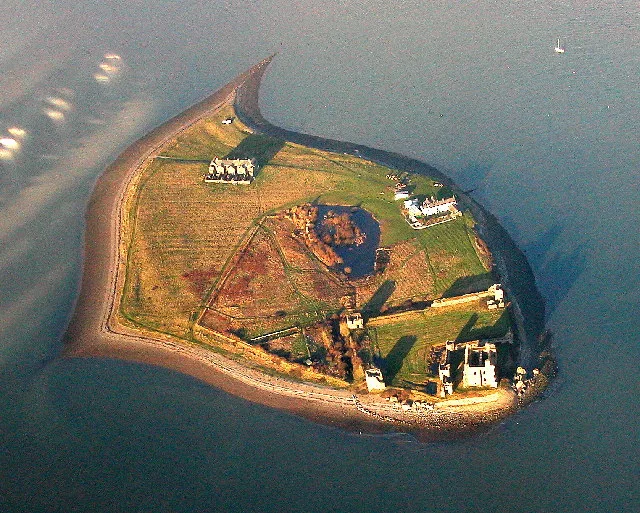
Piel Island
Islands · 0.2 km

Watch Tower
Castles · 1.3 km
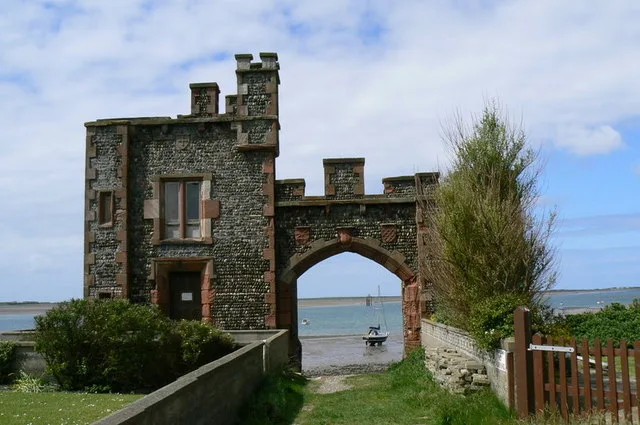
Roa Island
Islands · 1.4 km

Foulney Island
Islands · 1.5 km
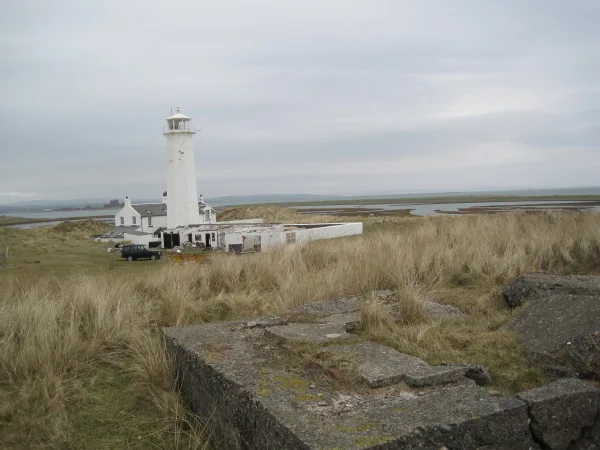
Walney Lighthouse With Two Attached Cottages And Outbuildings
Museums · 1.6 km
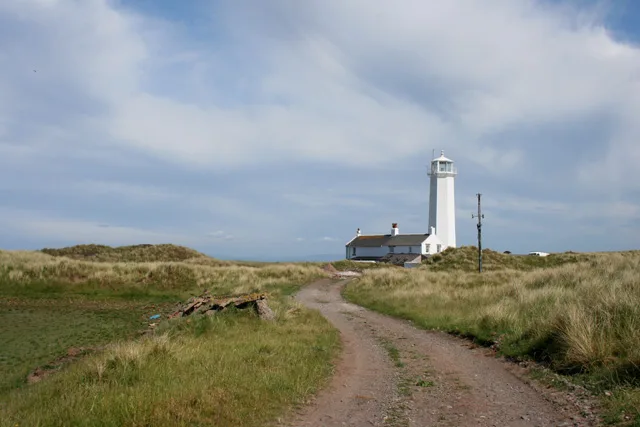
Walney Lighthouse
Lighthouses · 1.6 km

South Walney Nature Reserve
Forests & woodlands · 1.7 km

Sheep Island
Islands · 1.8 km

Rampside
Beaches · 2.3 km

The Concle Public House
Historic pubs · 2.4 km

South End Caravan Park
Caravan parks · 2.5 km
Beacon Point Caravan Park
Caravan parks · 2.5 km
Nearby
Flagship📷 3Islands · North West England
Piel Island
Piel Island — island in United Kingdom.
📷 5Flagship📷 3Islands · North West England
Roa Island
Roa Island — island in Morecambe Bay, Cumbria, England, UK.
📷 5📷 3Museums · North West England
Walney Lighthouse With Two Attached Cottages And Outbuildings
Walney Lighthouse With Two Attached Cottages And Outbuildings — buildings on Walney Island in Cumbria, England, UK.
📷 3Lighthouses · North West England
Walney Lighthouse
Walney Lighthouse — lighthouse in Cumbria, England, UK.
Where to eat & stay near Piel Castle
Places to stay
📷 5Caravan parks · North West England
South End Caravan Park
South End Caravan Park — a caravan park in england north west.
📷 5Caravan parks · North West England
Beacon Point Caravan Park
Beacon Point Caravan Park — a caravan park in england north west.
 📷 5
📷 5Caravan parks · North West England
White Hall Caravan Park Ltd
White Hall Caravan Park Ltd — a caravan park in england north west.
 📷 5
📷 5Caravan parks · North West England
Meadowlands Caravan Park
Meadowlands Caravan Park — a caravan park in england north west.
 📷 5
📷 5Caravan parks · North West England
High Farm Holiday Site
High Farm Holiday Site — a caravan park in england north west.
📷 5Caravan parks · North West England
Seacroft Caravan Park
Seacroft Caravan Park — a caravan park in england north west.
Places to eat & drink
📷 5Historic pubs · North West England
The Concle Public House
The Concle Public House in England North West, United Kingdom.
 📷 5
📷 5Historic pubs · North West England
Crofters Public House
Crofters Public House in England North West, United Kingdom.
 📷 5
📷 5Historic pubs · North West England
The Lord Ramsden Public House
The Lord Ramsden Public House in England North West, United Kingdom.
 📷 7
📷 7 📷 5
📷 5Historic pubs · North West England
Furness Abbey Hotel
Furness Abbey Hotel in England North West, United Kingdom.
 📷 5
📷 5Historic pubs · North West England
Chappells Tavern
Chappells Tavern in England North West, United Kingdom.
More places run by English Heritage
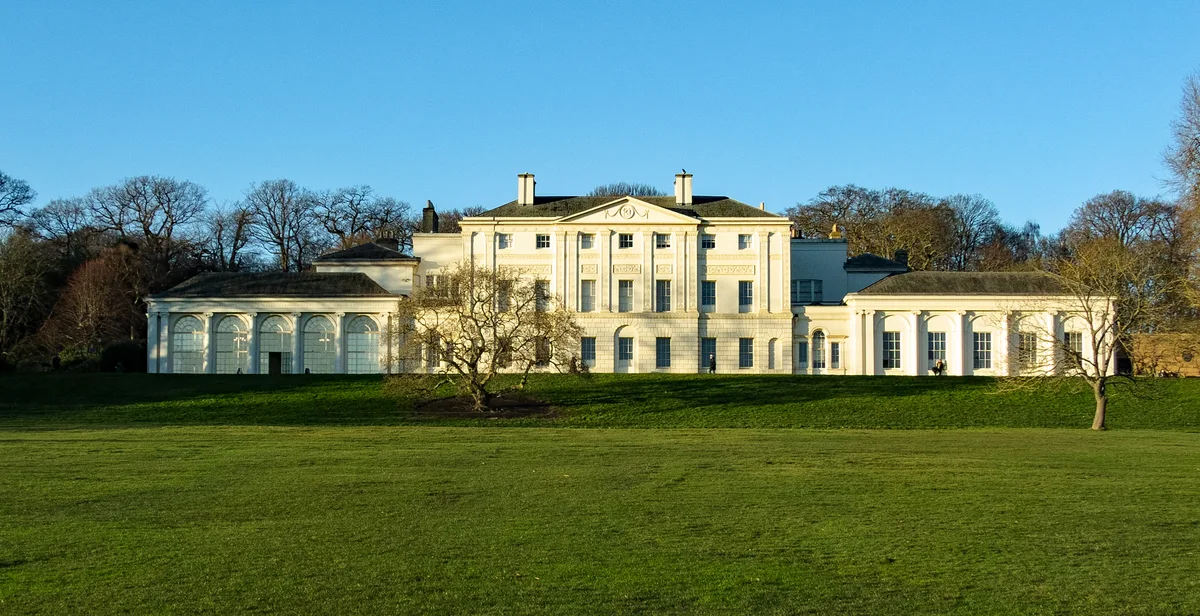 Flagship📷 10
Museums · London
Kenwood House
Kenwood House — art museum and historic house in Hampstead, London.
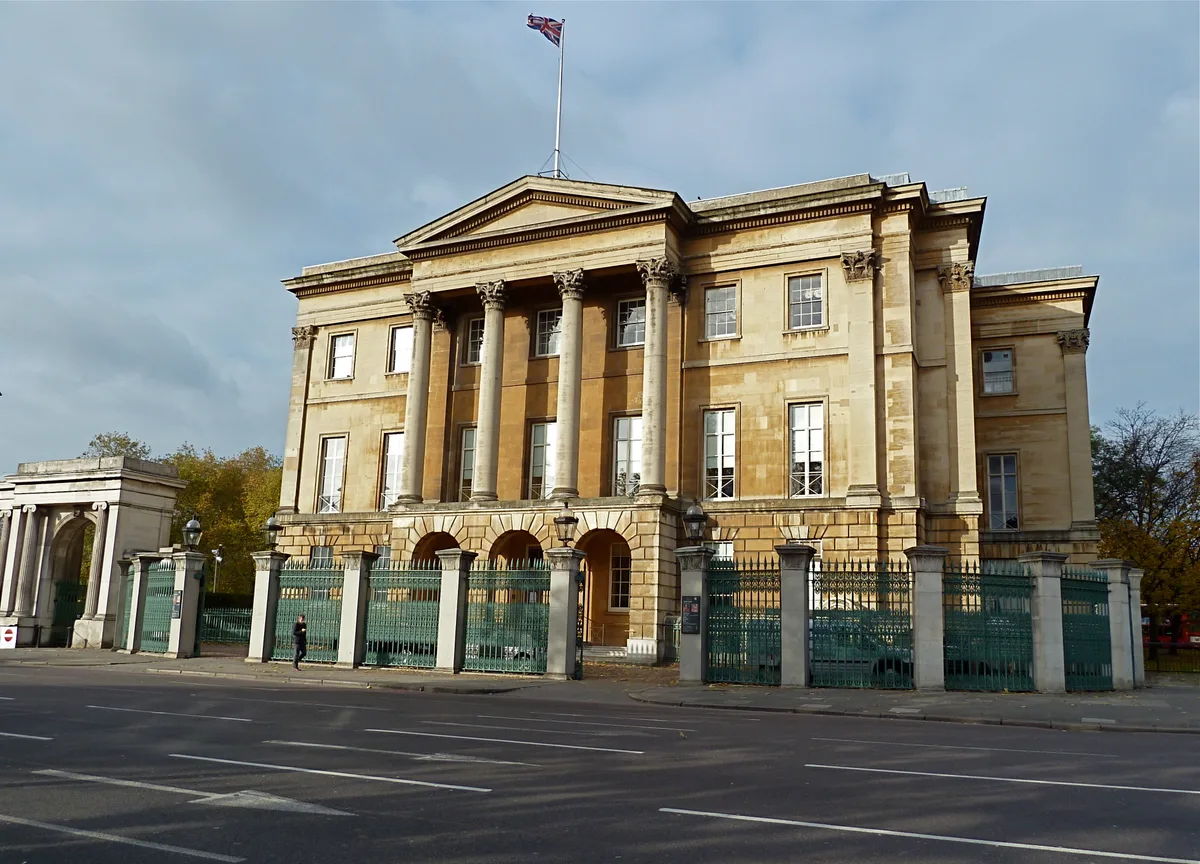 📷 5
📷 5Galleries · London
Apsley House
Apsley House — London townhouse of the Dukes of Wellington.
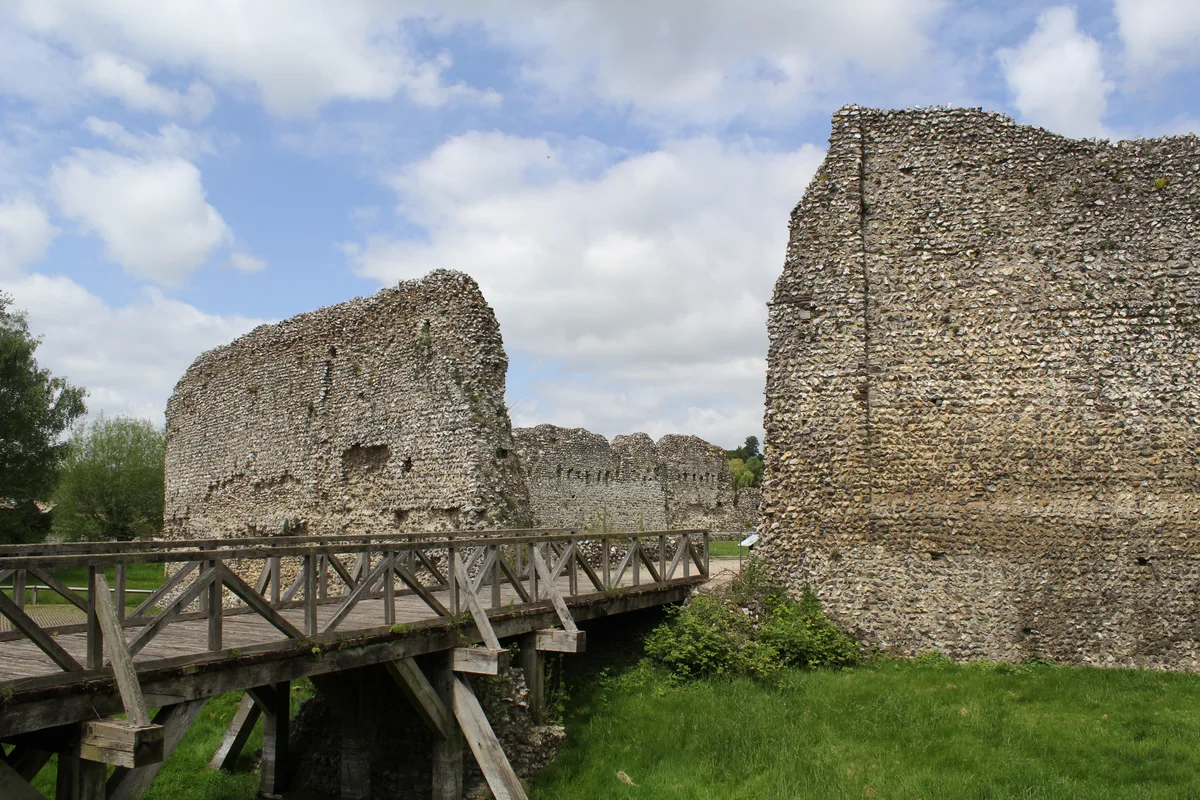 📷 5
📷 5Castles · London
Eynsford Castle
Eynsford Castle — castle, now ruinous, in Eynsford, Kent, England, UK.
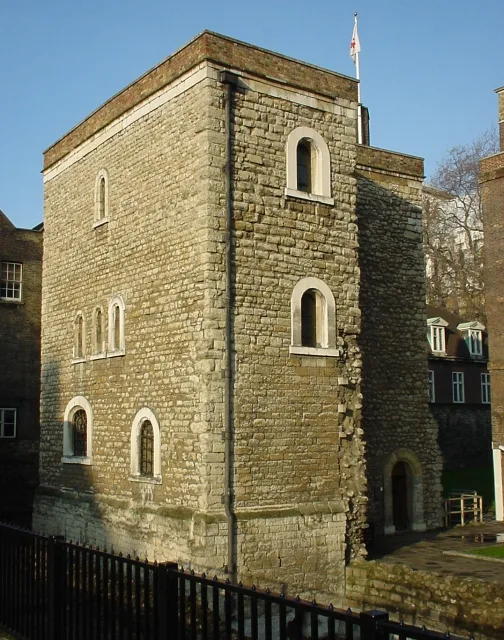 📷 5
📷 5Museums · London
Jewel Tower
Jewel Tower — medieval tower in Westminster, London, England, UK.
More castles in this region
 📷 3
📷 3Castles · North West England
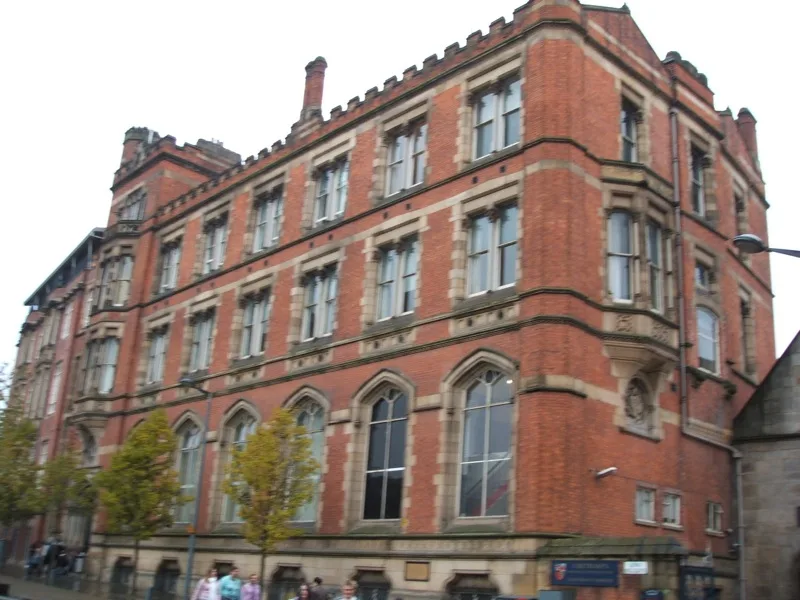
Manchester Castle
Manchester Castle — medieval fortified manor house in England.
 📷 5
📷 5Castles · North West England
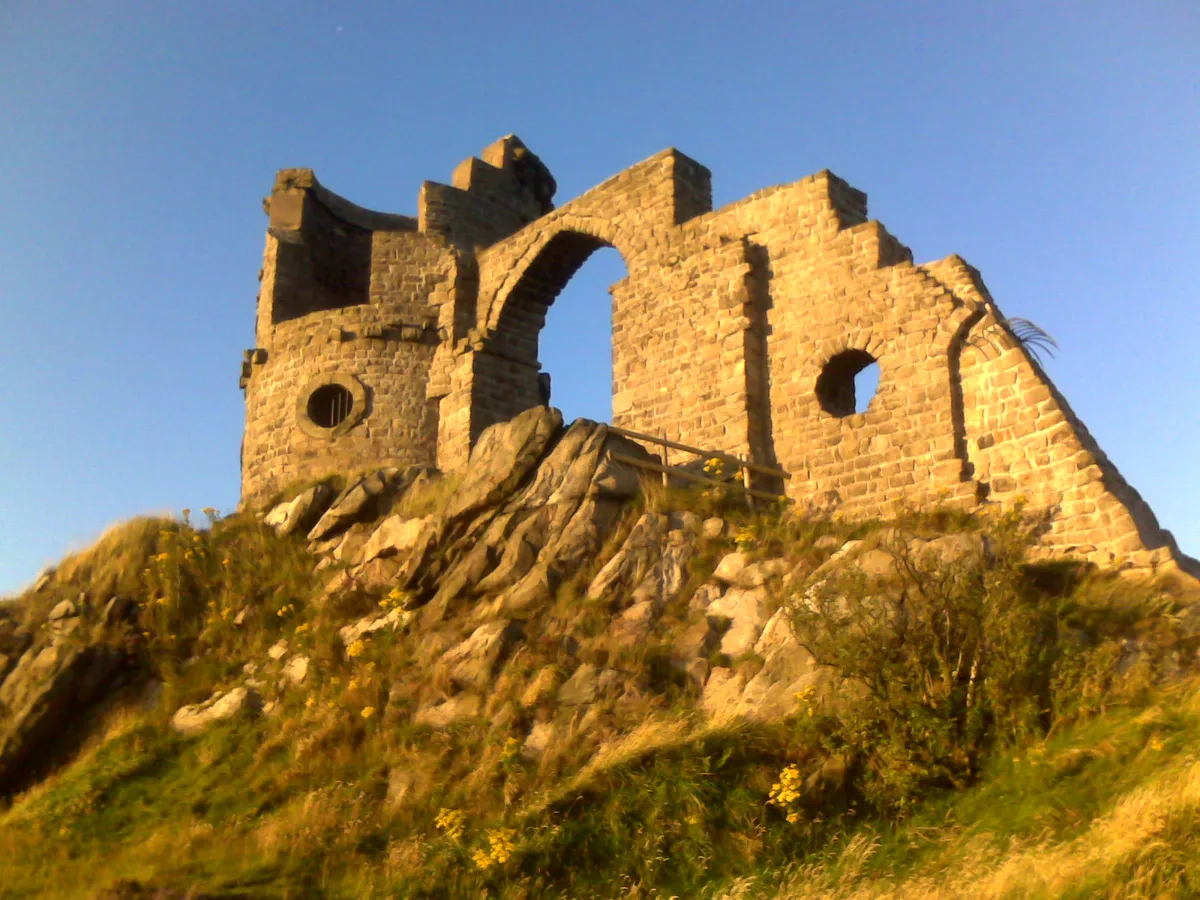
Mow Cop Castle
Mow Cop Castle — folly on the Cheshire and Staffordshire border, England, UK.
 📷 3
📷 3 📷 3
📷 3Castles · North West England
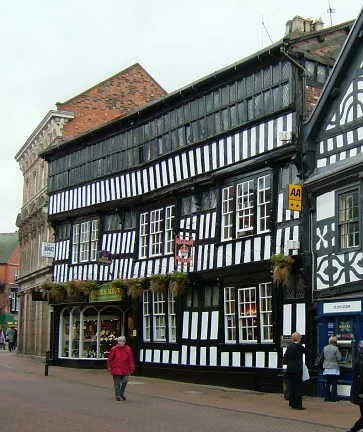
Ullerwood Castle
Ullerwood Castle — castle in Greater Manchester, England.
Frequently asked questions
- Where is Piel Castle?
- Piel Castle is in North-West England, United Kingdom (postcode LA13 0QN), in the parish of Barrow.
- What is Piel Castle?
- Piel Castle — Grade I listed building in Cumbria, United Kingdom.
- How do I get to Piel Castle?
- The nearest railway station is Roose, about 6.0 km away. Drivers can use postcode LA13 0QN.
- Who owns Piel Castle?
- Piel Castle is owned by Furness Abbey and operated by English Heritage.
- Is Piel Castle a listed building?
- Piel Castle is officially recognised as scheduled monument listed.
- Is Piel Castle a protected site?
- Yes — Piel Castle is part of the South Walney and Piel Channel Flats SSSI Site of Special Scientific Interest and the Morecambe Bay Ramsar wetland.
- Is Piel Castle free to visit?
- Yes, Piel Castle is free to enter.
- How do I get to Piel Castle?
- The nearest railway station is Roose, about 6.0 km away. Drivers can navigate to postcode LA13 0QN.