
Castles · South East England
Pevensey Castle
In or near Pevensey.
Pevensey Castle — medieval castle in a former Roman fort at Pevensey in East Sussex, England, UK.

Wikimedia Commons contributors — see linked file page for photographer and licence licence

Plan your visit
- Typical visit
- 1.5 h–3 h
- Nearest railway station
- Pevensey and Westham · 0.7 km
- Paid entry
- Family-friendly
- Limited wheelchair access
Getting there & planning your visit
Pevensey Castle is located in East Sussex, postcode BN24 5LE, and is accessible via the nearest railway station, Pevensey and Westham, which is 0.7 km away. Admission is not free, and wheelchair accessibility is limited.
About
Pevensey Castle is a castle in the United Kingdom — fortified architecture from the medieval, Tudor, or Victorian-revival period. Records date its origin to 1066. Heritage designation: scheduled monument. Owned by John of Gaunt. Managed by English Heritage. Address: BN24 5LE. Wikidata describes it as: "medieval castle in a former Roman fort at Pevensey in East Sussex, England, UK". Coordinates: 50.8192°, 0.3331°.
Photo gallery
Heritage listing
Pevensey Castle is a medieval castle and former Roman Saxon Shore fort at Pevensey in the English county of East Sussex. The site is a scheduled monument in the care of English Heritage and is open to visitors. Built around 290 AD and known to the Romans as Anderitum, the fort appears to have been the base for a fleet called the Classis Anderidaensis. The reasons for its construction are unclear; long thought to have been part of a Roman defensive system to guard the British and Gallic coasts against Saxon pirates, it has more recently been suggested that Anderitum and the other Saxon Shore forts were built by a usurper in an ultimately unsuccessful attempt to prevent Rome from reimposing its control over Britain.
From the Historic England List Entry under OGL v3.
From English Heritage
With a history stretching back over 16 centuries, Pevensey Castle chronicles more graphically than any other fortress the story of Britain's south coast defences.
Read more on the official property page.
Protected designations
- Site of Special Scientific Interest: Pevensey Levels SSSI
- Ramsar wetland: Pevensey Levels
Designations sourced from Natural England open data under OGL v3.
From the Wikipedia article
Pevensey Castle is a medieval castle and former Roman Saxon Shore fort at Pevensey in the English county of East Sussex. The site is a scheduled monument in the care of English Heritage and is open to visitors. Built around 290 AD and known to the Romans as Anderitum, the fort appears to have been the base for a fleet called the Classis Anderidaensis. The reasons for its construction are unclear; long thought to have been part of a Roman defensive system to guard the British and Gallic coasts against Saxon pirates, it has more recently been suggested that Anderitum and the other Saxon Shore forts were built by a usurper in an ultimately unsuccessful attempt to prevent Rome from reimposing its control over Britain. Anderitum fell into ruin following the end of the Roman occupation but was reoccupied in 1066 by the Normans, for whom it became a key strategic bulwark. A stone keep and fortification was built within the Roman walls and faced several sieges. Although its garrison was twice starved into surrender, it was never successfully stormed. The castle was occupied more or less continuously until the 16th century, apart from a possible break in the early 13th century when it was slighted during the First Barons' War. It had been abandoned again by the late 16th century and remained a crumbling, partly overgrown ruin until it was acquired by the state in 1925. Pevensey Castle was reoccupied between 1940 and 1945, during the Second World War, when it was garrisoned by units from the Home Guard, the British and Canadian armies and the United States Army Air Corps. Machine-gun posts were built into the Roman and medieval walls to control the flat land around Pevensey and guard against the threat of a German invasion. They were left in place after the war and can still be seen today. Pevensey is one of many Norman castles built around the south of England.
Excerpt from Wikipedia under CC BY-SA 4.0. See the source article linked in Sources below.
Background
Architecture
It is not known how long it took for Pevensey castle to be constructed, but it has been estimated that it took around 160,000 man-days to complete, equivalent to 285 men spending two years building it or 115 men over five years. The amount of construction material required was very large, equating to about 31600 m3 of stone and mortar. It is not known how it was transported to the site, but that volume of material would have needed some 600 boat loads or 49,000 wagon loads, requiring 250 wagons pulled by 1,500–2,000 oxen to move it from the quarries to Pevensey. Given the scale of the requirements for land transportation, it seems more likely that the raw materials were instead moved by…
Sourced from Wikipedia under CC BY-SA 4.0.
- Coordinates
- 50.8192, 0.3331
- County
- East Sussex
- District
- Wealden
- Parish
- Pevensey
- Postcode
- BN24 5LE
- Parliamentary constituency
- Bexhill and Battle
- Phone
- 01323 762604
- Established
- 1066
- Nearest railway station
- Pevensey and Westham — 0.7 km
- Opening
- Daily 10am–5pm; last entry at 4.30pm
- Official site
- www.english-heritage.org.uk
Sources
- wikidata: Q2970215 (CC0)
- wikipedia: Pevensey Castle (CC BY-SA 4.0)
- commons: Pevensey castle-09.jpg (CC BY-SA 4.0)
Featured in this guide
Other places nearby

Pevensey Roman Fort
Archaeological sites · 0.0 km
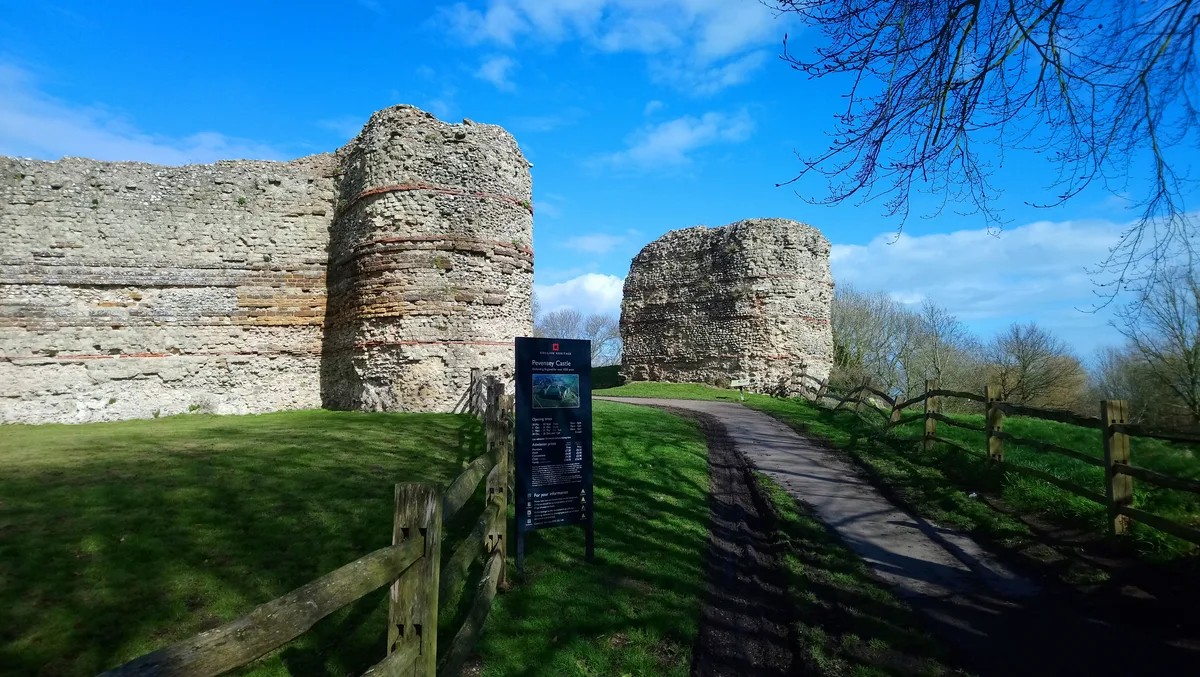
Castrum Anderitum
Hill forts · 0.0 km

Pevensey Cannon
Memorials & monuments · 0.1 km

Tudor Artillery Battery
Archaeological sites · 0.1 km

1066 Country Walk
Military museums · 0.1 km

Landings
Public art & sculpture · 0.1 km

Pevensey Court House
Museums · 0.3 km
Pevensey Courthouse Museum
Museums · 0.3 km
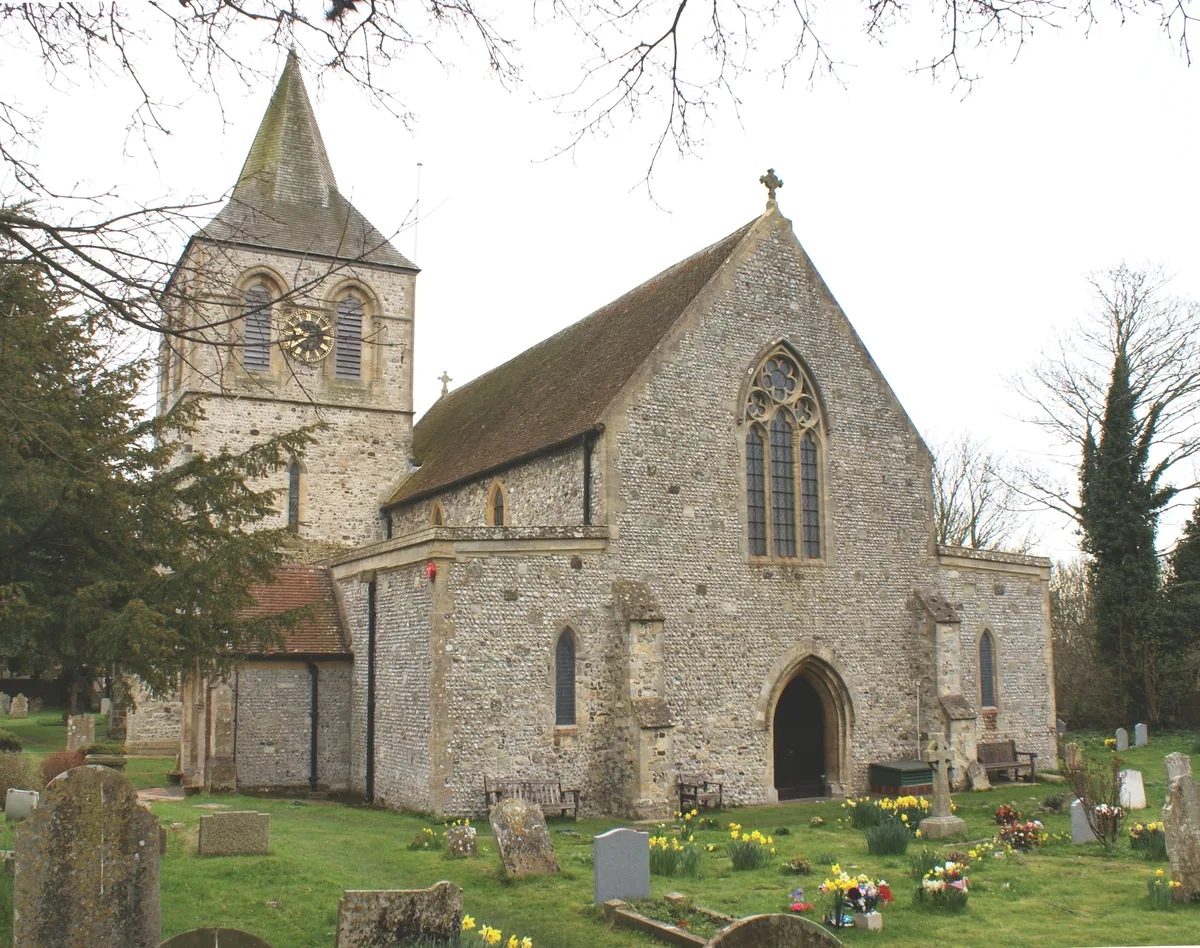
St. Nicolas Church, Pevensey
Historic churches · 0.3 km
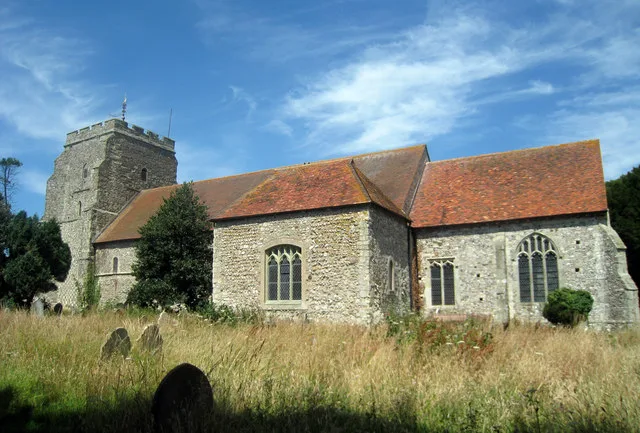
St Mary's Church, Westham
Historic churches · 0.3 km
_(geograph_7216337).jpg?width=1200)
Old Oak House
Historic houses · 0.4 km
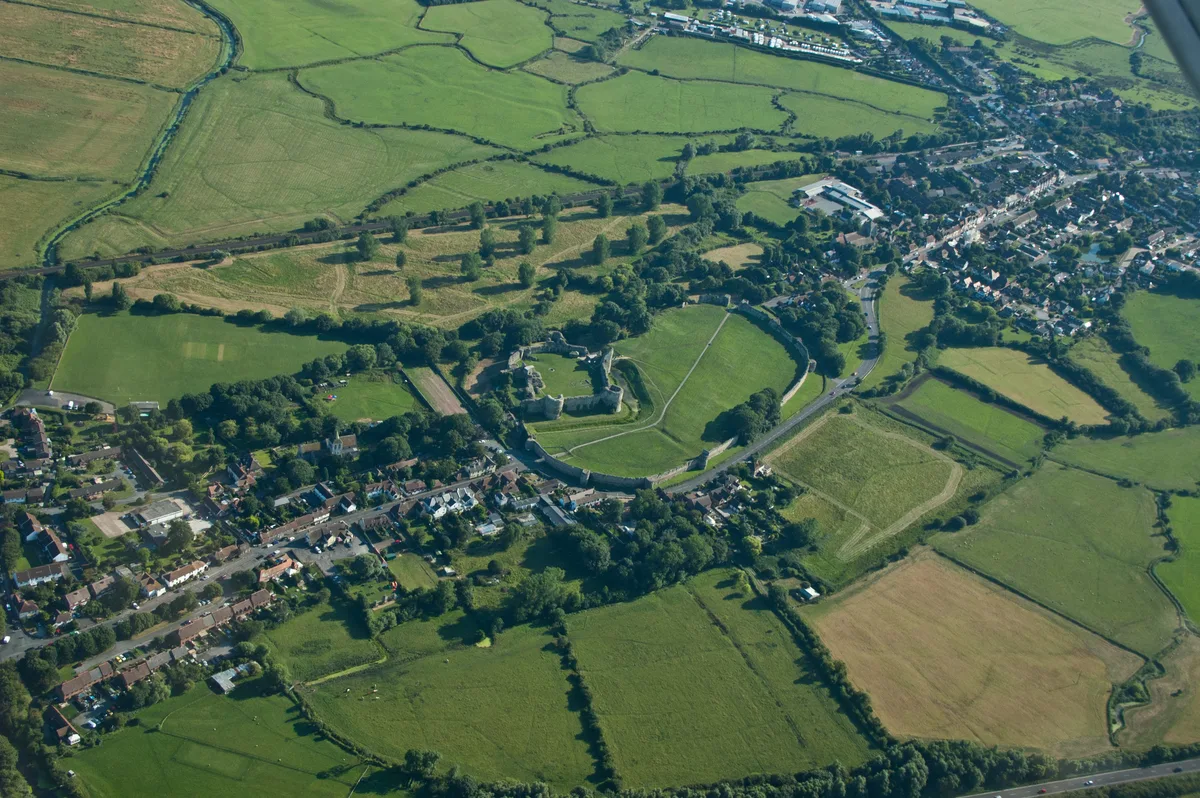
Pevensey
Towns & cities · 0.4 km
Nearby
📷 5Archaeological sites · South East England
Pevensey Roman Fort
Pevensey Roman Fort — a archaeological in england-south-east, United Kingdom.
Flagship📷 10Hill forts · South East England
Castrum Anderitum
Castrum Anderitum — 3rd century Roman fort in the province of Britannia.
📷 5Memorials & monuments · South East England
Pevensey Cannon
Pevensey Cannon — a memorial in england-south-east, United Kingdom.
📷 5Archaeological sites · South East England
Tudor Artillery Battery
Tudor Artillery Battery — a archaeological in england-south-east, United Kingdom.
📷 5Military museums · South East England
1066 Country Walk
1066 Country Walk — a military museum in england south east.
📷 5Public art & sculpture · South East England
Landings
Landings — a public art in england-south-east, United Kingdom.
Where to eat & stay near Pevensey Castle
Places to stay
Caravan parks · South East England
Cannon Camping Park
Cannon Camping Park — a caravan park in england south east.
 📷 5
📷 5Caravan parks · South East England
Pevensey Bay Holiday Park
Pevensey Bay Holiday Park — a caravan park in england south east.
 📷 5
📷 5Caravan parks · South East England
Castle View Caravan Site
Castle View Caravan Site — a caravan park in england south east.
 📷 5
📷 5Caravan parks · South East England
Grey Tower Caravan Park
Grey Tower Caravan Park — a caravan park in england south east.
 📷 5
📷 5 📷 5
📷 5Caravan parks · South East England
Normans Bay Camping and Caravanning Club
Normans Bay Camping and Caravanning Club — a caravan park in england south east.
Places to eat & drink
 📷 5
📷 5Historic pubs · South East England
The Rainbow
The Rainbow in England South East, United Kingdom.
 📷 7
📷 7Historic pubs · South East England
The Bulls Head Inn
The Bulls Head Inn in England South East, United Kingdom.
 📷 7
📷 7 📷 5
📷 5Historic pubs · South East England
The George Hotel
The George Hotel in England South East, United Kingdom.
 📷 5
📷 5Historic pubs · South East England
The Red Lion Inn
The Red Lion Inn in England South East, United Kingdom.
 📷 7
📷 7Restaurants · South East England
The Sundial Restaurant
The Sundial Restaurant — a restaurant in england south east.
More places run by English Heritage
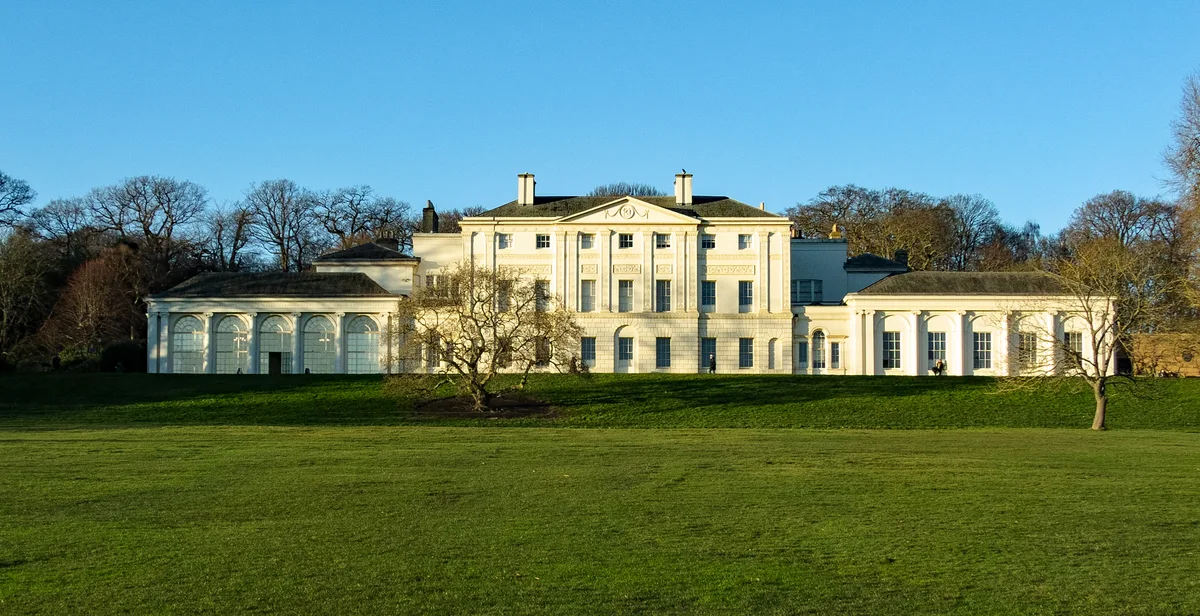 Flagship📷 10
Museums · London
Kenwood House
Kenwood House — art museum and historic house in Hampstead, London.
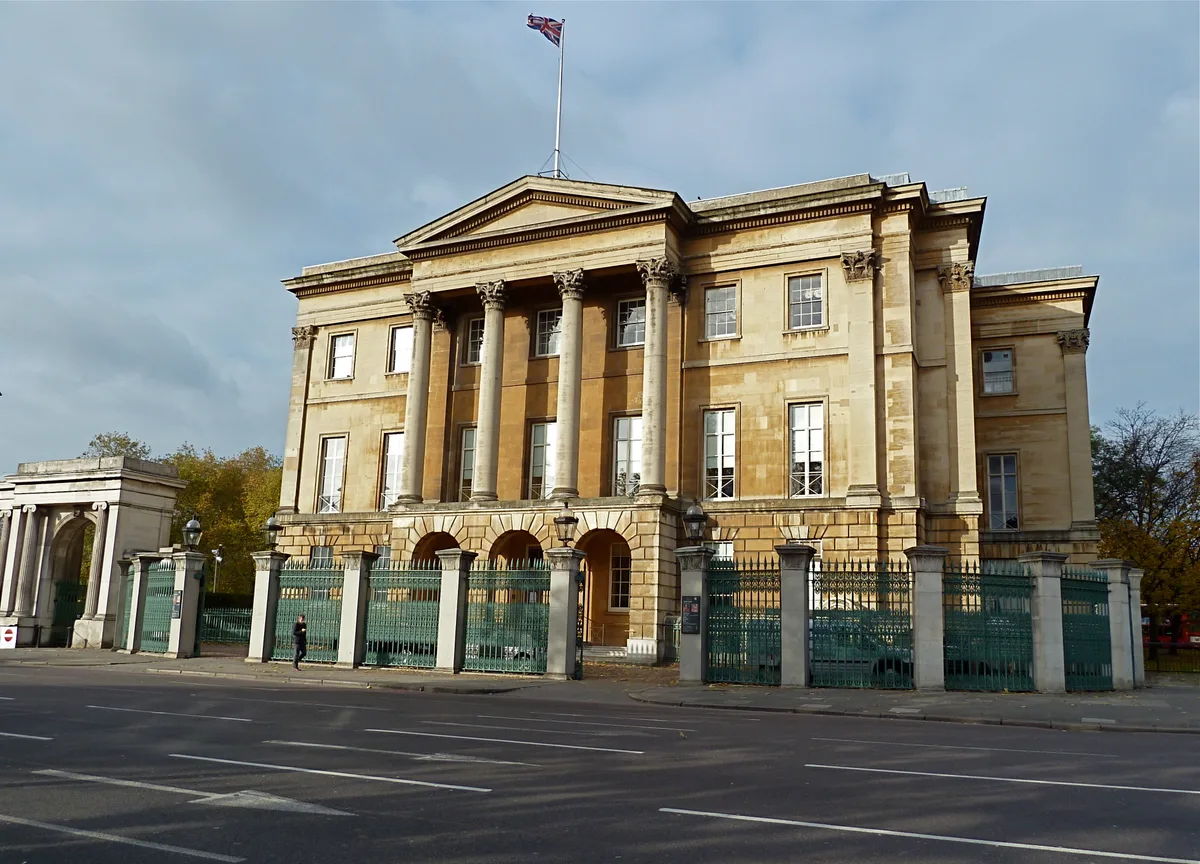 📷 5
📷 5Galleries · London
Apsley House
Apsley House — London townhouse of the Dukes of Wellington.
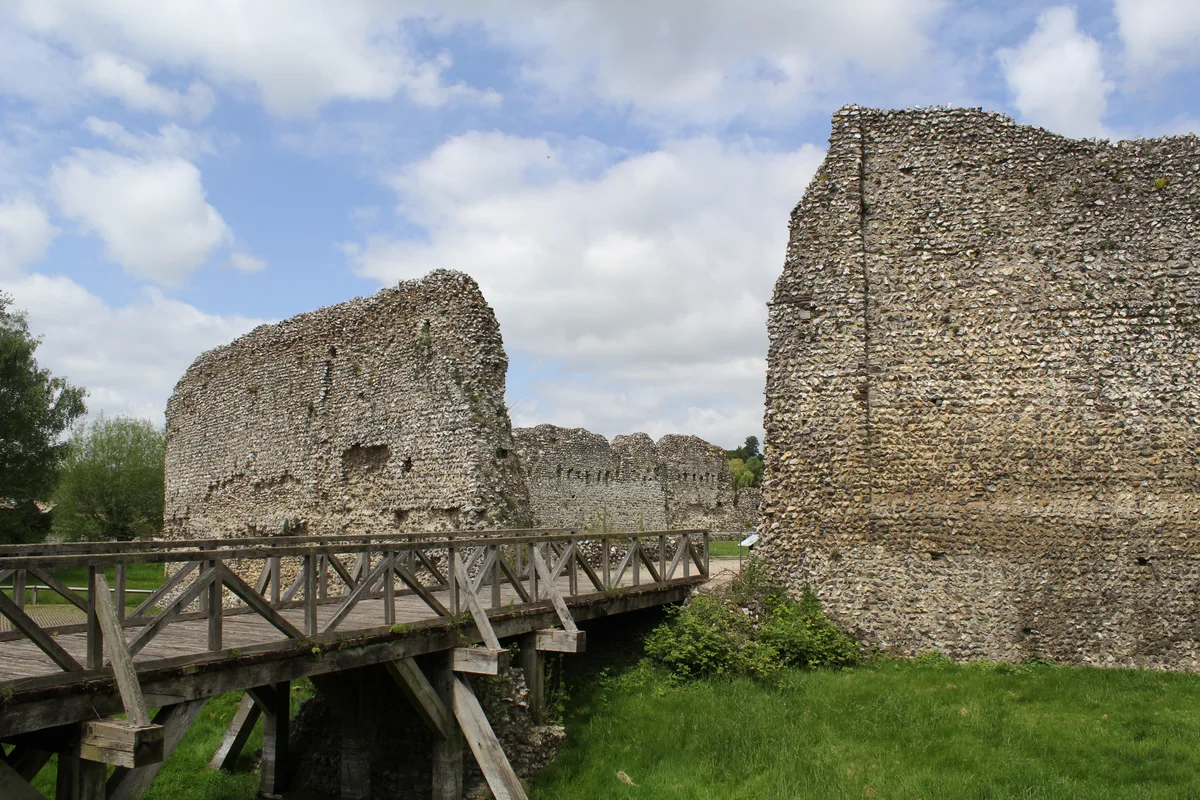 📷 5
📷 5Castles · London
Eynsford Castle
Eynsford Castle — castle, now ruinous, in Eynsford, Kent, England, UK.
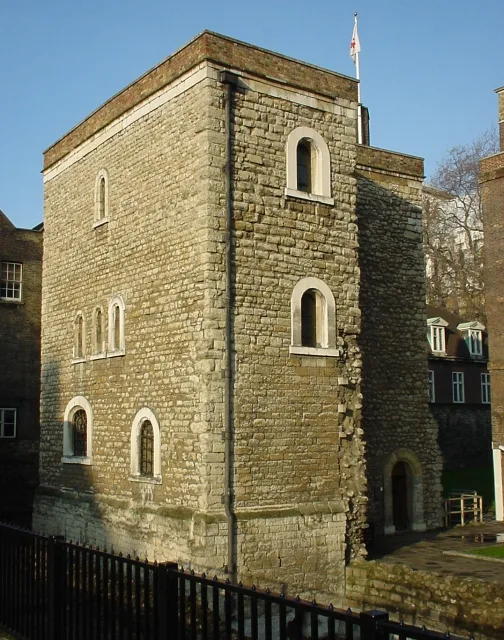 📷 5
📷 5Museums · London
Jewel Tower
Jewel Tower — medieval tower in Westminster, London, England, UK.
Other castles from this era
 📷 5
📷 5Castles · South East England
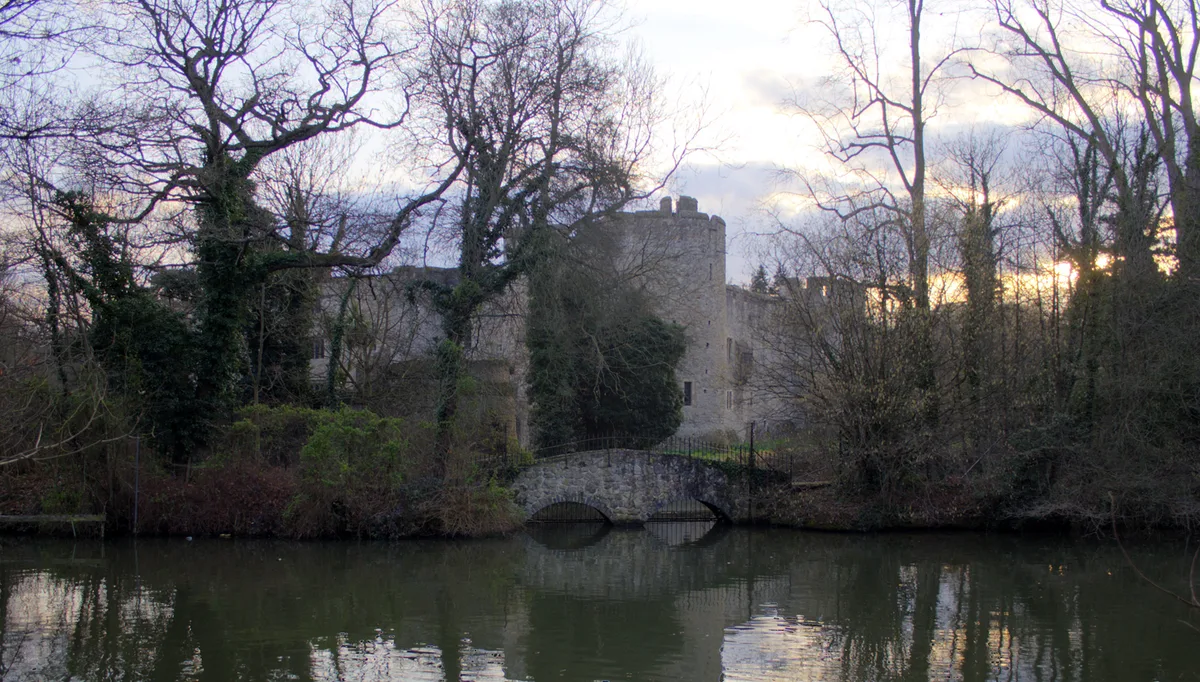
Allington Castle
Allington Castle — stone-built moated castle in Allington, England.
 📷 5
📷 5Castles · South East England
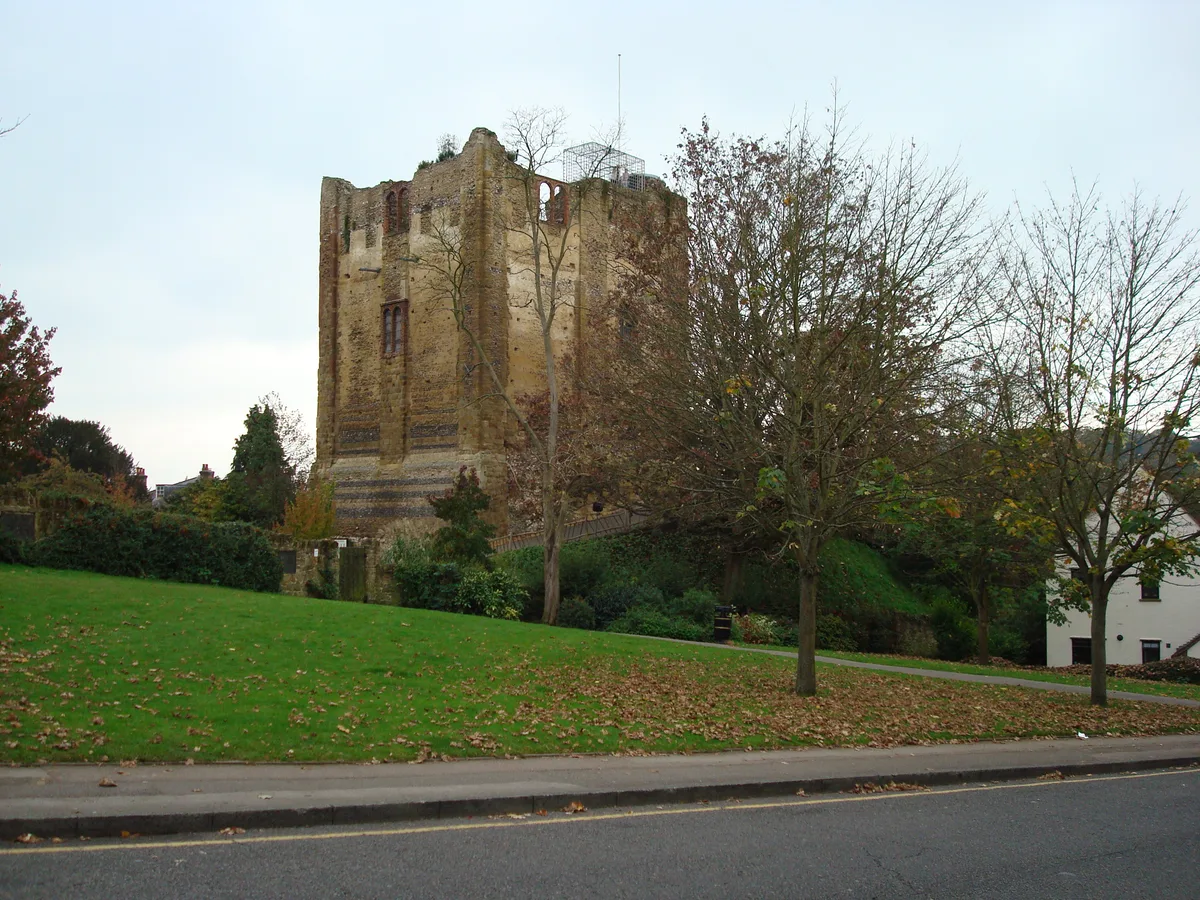
Guildford Castle
Guildford Castle — castle in Guildford, Surrey, England, UK.
 📷 5
📷 5Castles · South East England
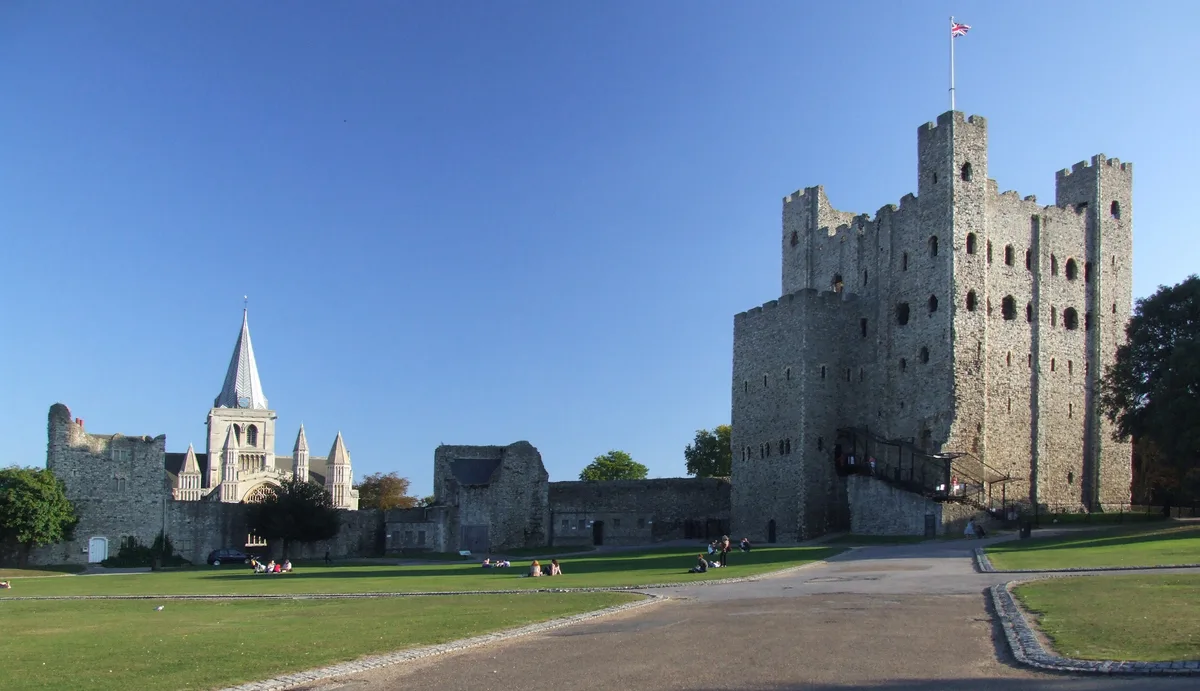
Rochester Castle
Rochester Castle — castle in Rochester, Kent, South East England.
 📷 5
📷 5Castles · South East England
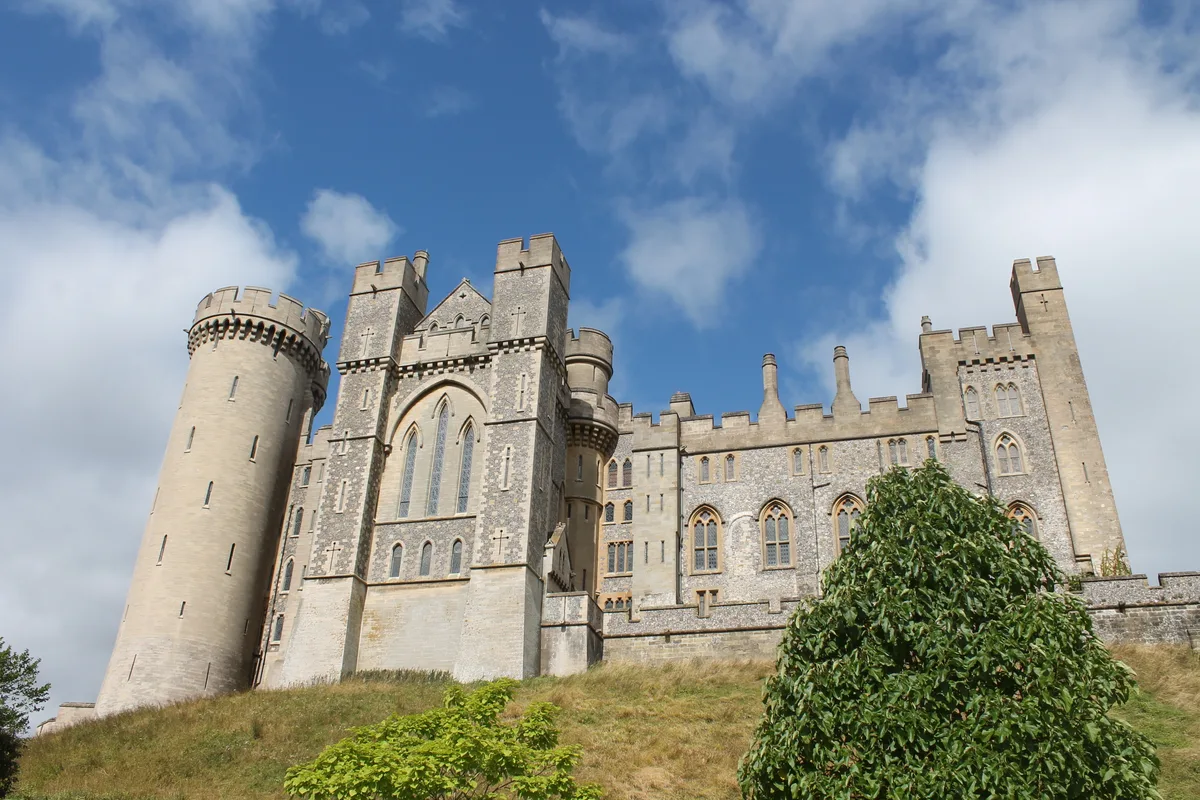
Arundel Castle
Arundel Castle — castle in West Sussex, England, UK.
More castles in this region
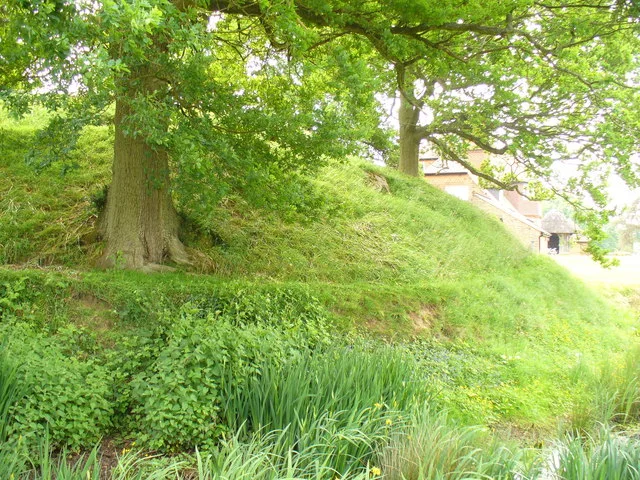 📷 5
📷 5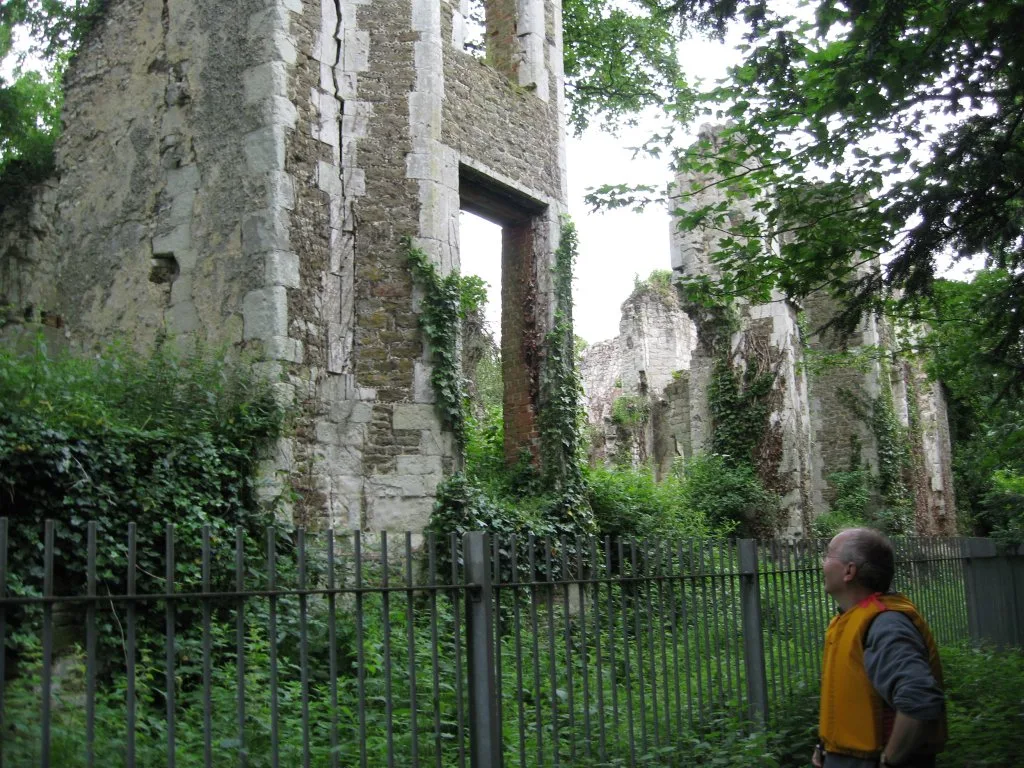 📷 5
📷 5Castles · South East England
Betchworth Castle
Betchworth Castle — castle in Brockham, Mole Valley, Surrey, England, UK.
 📷 5
📷 5Castles · South East England
Bletchingley Castle
Bletchingley Castle — castle in Surrey, England, UK.
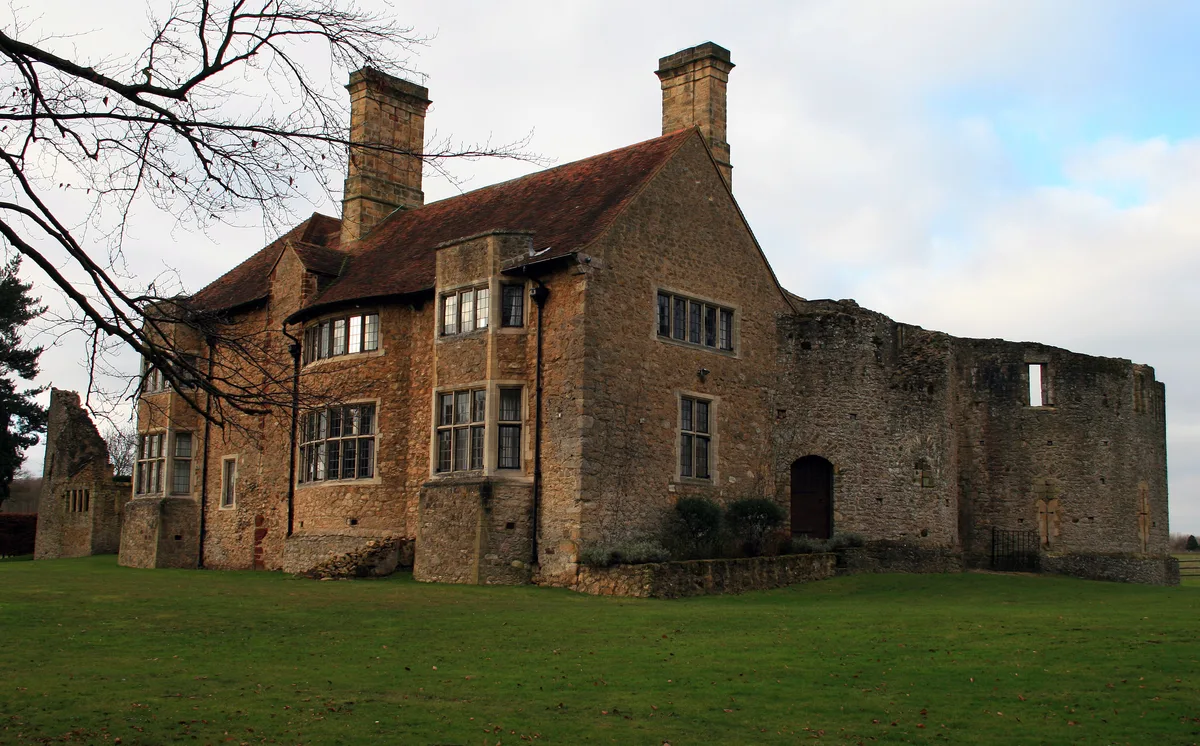 📷 5
📷 5Castles · South East England
Leybourne Castle
Leybourne Castle — castle in Leybourne, Kent, England, UK.
Frequently asked questions
- Where is Pevensey Castle?
- Pevensey Castle is in East Sussex, South-East England, United Kingdom (postcode BN24 5LE), in the parish of Pevensey.
- What is Pevensey Castle?
- Pevensey Castle — medieval castle in a former Roman fort at Pevensey in East Sussex, England, UK.
- How do I get to Pevensey Castle?
- The nearest railway station is Pevensey and Westham, about 0.7 km away. The nearest town is Pevensey. Drivers can use postcode BN24 5LE.
- When was Pevensey Castle built?
- Built or established in 1066.
- Who owns Pevensey Castle?
- Pevensey Castle is owned by John of Gaunt and operated by English Heritage.
- Is Pevensey Castle a listed building?
- Pevensey Castle is officially recognised as scheduled monument listed.
- Is Pevensey Castle a protected site?
- Yes — Pevensey Castle is part of the Pevensey Levels SSSI Site of Special Scientific Interest and the Pevensey Levels Ramsar wetland.
- Does Pevensey Castle charge admission?
- Pevensey Castle typically charges admission. Check the official site for current ticket prices and opening hours.