
Canals · East Midlands
Nottingham Canal
In or near Risley.
Nottingham Canal — canal in the East Midlands, United Kingdom.

Wikimedia Commons contributors — see linked file page for photographer and licence licence

Plan your visit
- Typical visit
- 1 h–2 h
- Nearest railway station
- Ilkeston · 2.9 km
- Free entry
- Dog-friendly
Getting there & planning your visit
To visit Nottingham Canal, the nearest railway station is Ilkeston, located 2.9 km away. The postcode for the canal is NG9 3PF, which you can use for sat-nav coordinates. Entry to the canal is free.
About
Nottingham Canal is a canal in the United Kingdom. Wikidata describes it as: "canal in the East Midlands, United Kingdom". Coordinates: 52.9550°, -1.2787°.
Photo gallery
From the Wikipedia article
The Nottingham Canal is a canal in the English counties of Nottinghamshire and Derbyshire. As built, it comprised a 14.7-mile (23.7 km) long main line between the River Trent just downstream of Trent Bridge in Nottingham and Langley Mill in Derbyshire. At the same time as the main line of the canal was built by its proprietors, the separate Trent Navigation Company built the Beeston Cut, from the main line at Lenton in Nottingham to rejoin the River Trent upstream of Nottingham, thus bypassing the difficult section of navigation through Trent Bridge. The section of the main line between Trent Bridge and Lenton, together with the Beeston Cut, is still in use, forming part of the navigation of the River Trent and sometimes referred to as the Nottingham and Beeston Canal. The remainder of the main line of the canal beyond Lenton has been abandoned and partially filled. The canal leaves the River Trent by Meadow Lane Lock and runs close to Nottingham city centre, serving a number of wharves in the city. It rises through Castle Lock, overlooked by Nottingham Castle, and then continues to Lenton. From here the Beeston Cut continues to Beeston Lock, where it reenters the River Trent. Also from Lenton, the now disused main line rose through a further 17 locks to reach a long upper pound. At its upper end, a stop lock connected it to the Great Northern Basin, which provided access to the Erewash Canal and the Cromford Canal. Construction began in 1792 and was completed in 1796, overrunning its budget by 77%. Traffic increased slowly, but from 1804 was sufficient to enable dividends to be paid to the shareholders. Competition from the railways began in the early 1840s, and rather than face continual decline, the company sold the canal to the Ambergate, Nottingham, Boston and Eastern Junction Railway. A series of amalgamations took place, and by 1923, the canal was owned by the Great Northern Railway (GNR). The GNR leased the section from Lenton to the Trent to the Trent…
Excerpt from Wikipedia under CC BY-SA 4.0. See the source article linked in Sources below.
Background
History
The idea for the canal first arose in 1790. Prior to that time, supplies of coal for Nottingham travelled down the Erewash Canal and along the River Trent. When the Cromford Canal was authorised in July 1789, there was concern that collieries which were located near it would thrive, at the expense of those nearer to Nottingham. There were also worries that the Erewash company would effectively have a monopoly on coal supplies, and might use this to increase prices. Convinced that these issues were not just idle speculation, Thomas Oldknow, John Morris and Henry Green lobbied for a public meeting. The meeting, held at the Guildhall on 26 October 1790, debated the idea of a canal running…
Architecture
| repeal_date = | amendments = London Midland and Scottish Railway (Canals) Act 1944 | repealing_legislation = | related_legislation = | status = Amended | original_text = https://books.google.co.uk/books?id=1ITe3ogChoIC&pg=PA675 | collapsed = yes }} The (32 Geo. 3. c. 100) created the Nottingham Canal Company, who could raise £50,000 by issuing shares of £100, and could raise another £25,000 by obtaining a mortgage or by assigning the tolls, if required. The company were to build reservoirs which would feed into the Cromford Canal, in compensation for the water taken from that canal at Langley Mill. Jessop's original estimate for the cost of the works, excluding the Beeston Cut, had been…
Sourced from Wikipedia under CC BY-SA 4.0.
- Coordinates
- 52.9550, -1.2787
- County
- Nottinghamshire
- District
- Broxtowe
- Parish
- Trowell
- Postcode
- NG9 3PF
- Parliamentary constituency
- Broxtowe
- Established
- 1796
- Nearest railway station
- Ilkeston — 2.9 km
Sources
- wikidata: Q4327701 (CC0)
- wikipedia: Nottingham Canal (CC BY-SA 4.0)
- commons: Nottingham Canal, Awsworth.JPG (CC BY-SA 4.0)
Other places nearby
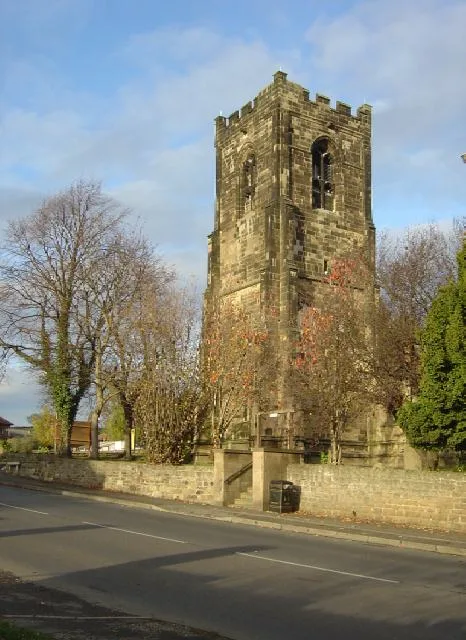
St Helen's Church, Trowell
Abbeys & priories · 0.3 km

St Helen's Church, Trowell
Cathedrals · 0.3 km

Trowell
Villages · 0.3 km
1951 Festival of Britain Village
Memorials & monuments · 0.4 km

Stanton Gate
Villages · 0.6 km

Nottingham Canal Swansea Bridge
Historic bridges · 0.7 km

Hallam Fields Bridge
Historic bridges · 0.7 km
Borough of Broxtowe
Museums · 0.8 km

Tower Of St Bartholomews Church
Memorials & monuments · 1.0 km

Wild Weeds Vetch
Public art & sculpture · 1.0 km

Nottingham Canal Swancar Bridge
Historic bridges · 1.4 km
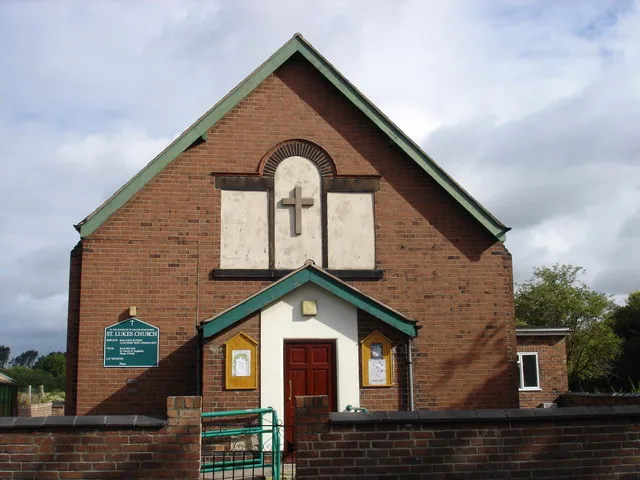
St. Luke's Church, Stapleford
Historic churches · 1.6 km
Nearby
📷 5Abbeys & priories · East Midlands
St Helen's Church, Trowell
St Helen's Church, Trowell — parish church in the Church of England in Trowell, Nottinghamshire, England, UK.
📷 5Cathedrals · East Midlands
St Helen's Church, Trowell
St Helen's Church, Trowell is a cathedral in the United Kingdom.
📷 5📷 3Memorials & monuments · East Midlands
1951 Festival of Britain Village
1951 Festival of Britain Village — a memorial in england-east-midlands, United Kingdom.
📷 5📷 3Historic bridges · East Midlands
Nottingham Canal Swansea Bridge
Nottingham Canal Swansea Bridge — Grade II listed building-listed bridge in england-east-midlands, United Kingdom.
Where to eat & stay near Nottingham Canal
Places to stay
 📷 5
📷 5Campsites · East Midlands
Meadow View Glamping
Meadow View Glamping — a campsite in england east midlands.
 📷 5
📷 5Hotels · East Midlands
Delta Hotels by Marriott Nottingham Belfry
Delta Hotels by Marriott Nottingham Belfry — a hotel in england east midlands. 4-star. Brand: Delta Hotels.
 📷 7
📷 7Hotels · East Midlands
DoubleTree by Hilton Hotel Nottingham - Gateway
DoubleTree by Hilton Hotel Nottingham - Gateway — a hotel in england east midlands. 4-star. Brand: DoubleTree.
 📷 7
📷 7Hotels · East Midlands
The Walton Hotel
The Walton Hotel — a hotel in england east midlands.
 📷 5
📷 5Hostels · East Midlands
Igloo Hybrid
Igloo Hybrid — a hostel in england east midlands.
 📷 5
📷 5Hostels · East Midlands
Igloo Hostel
Igloo Hostel — a hostel in england east midlands.
Places to eat & drink
 📷 5
📷 5Historic pubs · East Midlands
Old Pear Tree Public House And Attached Garden Wall
Old Pear Tree Public House And Attached Garden Wall in England East Midlands, United Kingdom.
 📷 7
📷 7Restaurants · East Midlands
Alchemilla
Alchemilla — a restaurant in england east midlands.
 📷 5
📷 5 📷 5
📷 5Restaurants · East Midlands
Restaurant Sat Bains
Restaurant Sat Bains — a restaurant in england east midlands.
 📷 5
📷 5 📷 7
📷 7More places in this region
 📷 5
📷 5 📷 3
📷 3Canals · East Midlands
Bond End Canal
Bond End Canal — canal in Staffordshire, England, 1775–1874.
 📷 3
📷 3Canals · East Midlands
Catchwater Drain
Catchwater Drain — artificial watercourse in Lincolnshire, England.
 📷 3
📷 3Canals · East Midlands
Charnwood Forest Canal
Charnwood Forest Canal is a canal in the United Kingdom.
Frequently asked questions
- Where is Nottingham Canal?
- Nottingham Canal is in Nottinghamshire, the East Midlands, United Kingdom (postcode NG9 3PF), in the parish of Trowell.
- What is Nottingham Canal?
- Nottingham Canal — canal in the East Midlands, United Kingdom.
- How do I get to Nottingham Canal?
- The nearest railway station is Ilkeston, about 2.9 km away. The nearest town is Risley. Drivers can use postcode NG9 3PF.
- When was Nottingham Canal built?
- Built or established in 1796.
- Is Nottingham Canal free to visit?
- Yes, Nottingham Canal is free to enter.
- How do I get to Nottingham Canal?
- The nearest railway station is Ilkeston, about 2.9 km away. Drivers can navigate to postcode NG9 3PF.