
Archaeological sites · South East England
Neolithic causewayed enclosure on Combe Hill
In or near Alfriston.
Neolithic causewayed enclosure on Combe Hill — causewayed enclosure in Eastbourne, East Sussex, England, UK.

Wikimedia Commons contributors — see linked file page for photographer and licence licence

Plan your visit
- Typical visit
- 45 min–1.5 h
- Nearest railway station
- Polegate Oaks · 2.6 km
- Free entry
- Dog-friendly
Getting there & planning your visit
The Neolithic causewayed enclosure on Combe Hill is located in Wealden, East Sussex, with the postcode BN20 9SG. The nearest railway station is Polegate Oaks, which is 2.6 km away. Entry to the site is free.
About
Neolithic causewayed enclosure on Combe Hill is an archaeological site in the United Kingdom. Heritage designation: scheduled monument. Wikidata describes it as: "causewayed enclosure in Eastbourne, East Sussex, England, UK". Coordinates: 50.7981°, 0.2334°.
Photo gallery
Protected designations
- Site of Special Scientific Interest: Willingdon Down SSSI
- National Nature Reserve: SEVEN SISTERS
Designations sourced from Natural England open data under OGL v3.
From the Wikipedia article
Combe Hill is a causewayed enclosure, near Eastbourne in East Sussex, on the northern edge of the South Downs. It consists of an inner circuit of ditches and banks, incomplete where it meets a steep slope on its north side, and the remains of an outer circuit. Causewayed enclosures were built in England from shortly before 3700 BC until at least 3500 BC; they are characterized by the full or partial enclosure of an area with ditches that are interrupted by gaps, or causeways. Their purpose is not known; they may have been settlements, meeting places, or ritual sites. The historian Hadrian Allcroft included the site in his 1908 book Earthwork of England, and in 1930 E. Cecil Curwen listed it as a possible Neolithic site in a paper which attempted to provide the first list of all the causewayed enclosures in England. The enclosure has been excavated twice: in 1949, by Reginald Musson, and in 1962, by Veronica Seton-Williams, who used it as a training opportunity for volunteers. Charcoal fragments from Musson's dig were later dated to between 3500 and 3300 BC. Musson also found a large quantity of Ebbsfleet ware pottery in one of the ditches. Seton-Williams found three polished stone axes deposited in another ditch, perhaps not long after it had been dug. The site is only 800 m (870 yd) from Butts Brow, another Neolithic enclosure, and the two locations are visible from each other; both sites may have seen Neolithic activity at the same time.
Excerpt from Wikipedia under CC BY-SA 4.0. See the source article linked in Sources below.
Background
History
Combe Hill is a causewayed enclosure, a form of earthwork that was built in northwestern Europe, including the southern British Isles, in the early Neolithic period. Causewayed enclosures are areas that are fully or partially enclosed by ditches interrupted by gaps, or causeways, of unexcavated ground, often with earthworks and palisades in some combination. The use to which these enclosures were put has long been a matter of debate. The causeways are difficult to explain in military terms since they would have provided multiple ways for attackers to pass through the ditches to the inside of the camp, though it was suggested they could have been sally ports for defenders to emerge from and…
Architecture
Combe Hill is on the South Downs, overlooking the Weald to the north, about 5 km northwest of Eastbourne, in East Sussex. An inner circuit of ditch and bank is almost complete, except for where it meets a steep downslope on the north side. The remains of an outer circuit of ditch and bank are visible to the west and east, enclosing an area of about 1.7 ha, A 2001 review of the areas enclosed by causewayed sites found three distinct groupings of sizes, the smallest group ranging from 0.4 and, and the median at about 0.7 ha. Many of these smaller enclosures are in the upper Thames Valley, near rivers, and of the others, those at higher elevations like Combe Hill, often have a second…
Sourced from Wikipedia under CC BY-SA 4.0.
- Coordinates
- 50.7981, 0.2334
- County
- East Sussex
- District
- Wealden
- Parish
- Willingdon and Jevington
- Postcode
- BN20 9SG
- Parliamentary constituency
- Lewes
- Nearest railway station
- Polegate Oaks — 2.6 km
Sources
- wikidata: Q17674926 (CC0)
- wikipedia: Combe Hill, East Sussex (CC BY-SA 4.0)
- commons: Causewayed Enclosure, Combe Hill - geograph.org.uk - 1135046.jpg (CC BY-SA 4.0)
Other places nearby

Combe Hill Neolithic Causewayed Enclosure
Archaeological sites · 0.0 km

Field System
Archaeological sites · 0.7 km
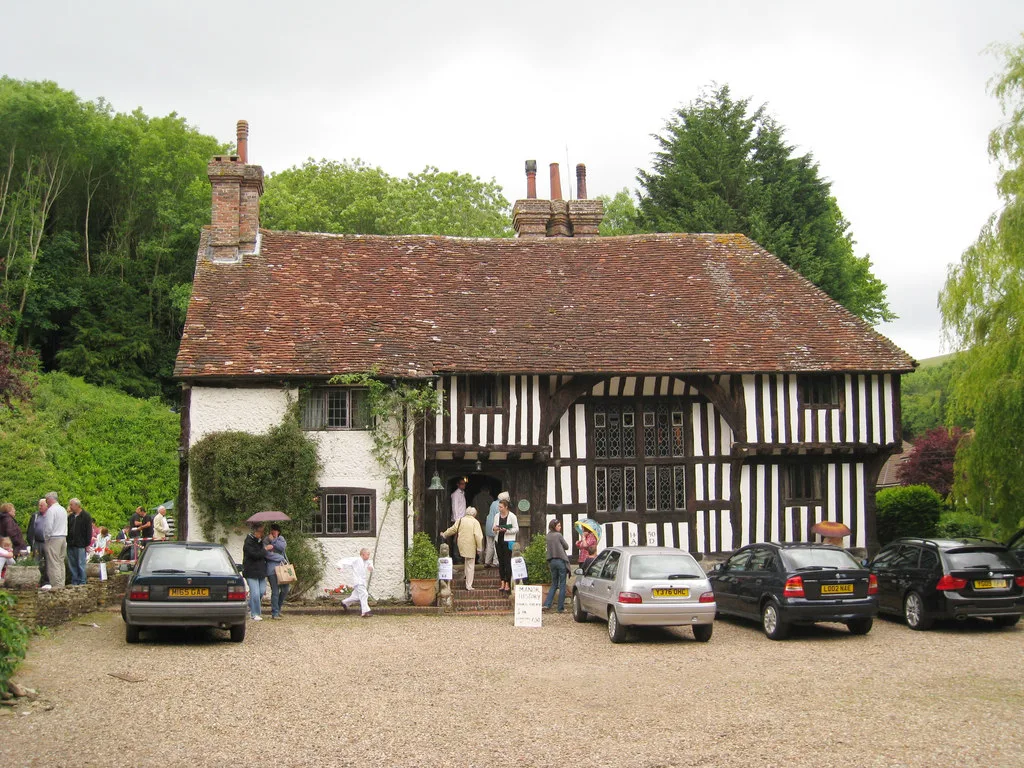
Filching Manor
Stately homes · 1.0 km

44th Bombardment Group Memorial
Memorials & monuments · 1.0 km

Chalk Farm Hotel
Hotels · 1.2 km

Willingdon Hill
Mountains & hills · 1.3 km

The Eight Bells Inn
Historic pubs · 1.3 km

The Hoo
Historic houses · 1.4 km
.jpg?width=1200)
The Parish Church of St Mary the Virgin, Willingdon
Historic churches · 1.5 km

Jevington
Villages · 1.5 km

Willingdon
Villages · 1.5 km

Bramley Park Camping
Campsites · 1.6 km
Nearby
📷 5Archaeological sites · South East England
Combe Hill Neolithic Causewayed Enclosure
Combe Hill Neolithic Causewayed Enclosure — a archaeological in england-south-east, United Kingdom.
📷 5Archaeological sites · South East England
Field System
Field System — a archaeological in england-south-east, United Kingdom.
Flagship📷 5Stately homes · South East England
Filching Manor
Filching Manor — manor house in Willingdon and Jevington, Wealden, East Sussex, England, UK.
📷 5Memorials & monuments · South East England
44th Bombardment Group Memorial
44th Bombardment Group Memorial — a memorial in england-south-east, United Kingdom.
📷 5Hotels · South East England
Chalk Farm Hotel
Chalk Farm Hotel — a hotel in england south east.
📷 5Mountains & hills · South East England
Willingdon Hill
Willingdon Hill — a hill or mountain in england south east.
Where to eat & stay near Neolithic causewayed enclosure on Combe Hill
Places to stay
📷 5Hotels · South East England
Chalk Farm Hotel
Chalk Farm Hotel — a hotel in england south east.
📷 5Campsites · South East England
Bramley Park Camping
Bramley Park Camping — a campsite in england south east.
 📷 5
📷 5Campsites · South East England
Bramley Park Camping - Check In
Bramley Park Camping - Check In — a campsite in england south east.
 📷 5
📷 5Campsites · South East England
Bramley Park Camping
Bramley Park Camping — a campsite in england south east.
 📷 5
📷 5Hostels · South East England
South Downs Club House
South Downs Club House — a hostel in england south east.
 📷 5
📷 5Hotels · South East England
The Pier Hotel
The Pier Hotel — a hotel in england south east.
Places to eat & drink
📷 5Historic pubs · South East England
The Eight Bells Inn
The Eight Bells Inn in England South East, United Kingdom.
 📷 7
📷 7 📷 5
📷 5Historic pubs · South East England
The Rainbow
The Rainbow in England South East, United Kingdom.
 📷 5
📷 5Historic pubs · South East England
The Plough And Harrow Inn
The Plough And Harrow Inn in England South East, United Kingdom.
 📷 5
📷 5Historic pubs · South East England
The George Hotel
The George Hotel in England South East, United Kingdom.
 📷 5
📷 5Historic pubs · South East England
Rose Cottage Inn
Rose Cottage Inn in England South East, United Kingdom.
More archaeological sites in this region
 📷 5
📷 5Archaeological sites · South East England
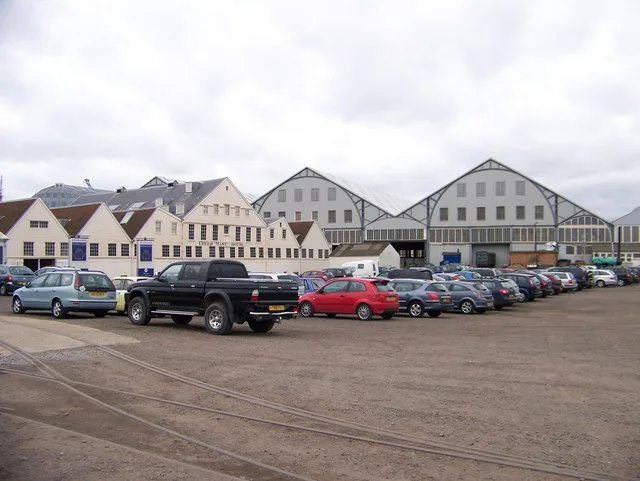
Chatham Dockyard, site of South Mast Pond
Chatham Dockyard, site of South Mast Pond — archaeological site in Medway, Kent, England, UK.
 📷 5
📷 5Archaeological sites · South East England
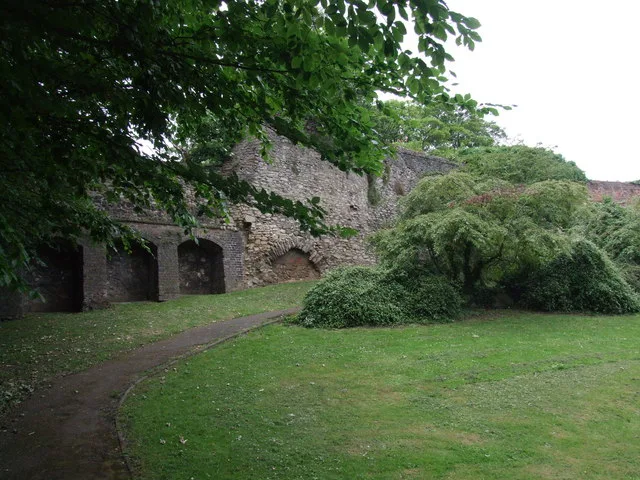
Open areas within Roman, Saxon and medieval town
Open areas within Roman, Saxon and medieval town — archaeological site in Medway, Kent, England, UK.
 📷 5
📷 5Archaeological sites · South East England
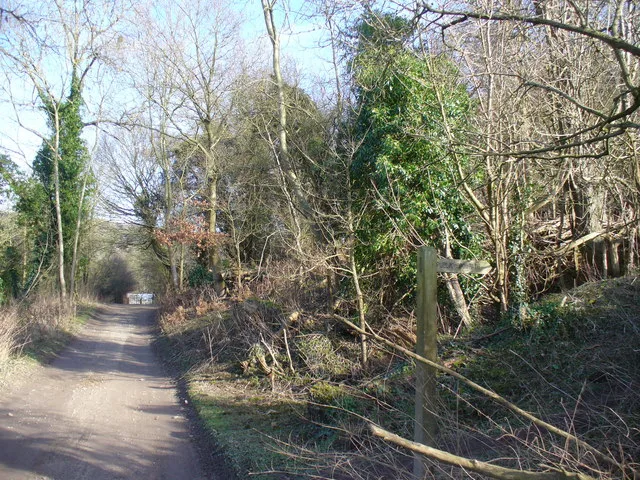
Oxmoor Copse
Oxmoor Copse — woodland in Surrey, England.
 📷 5
📷 5Frequently asked questions
- Where is Neolithic causewayed enclosure on Combe Hill?
- Neolithic causewayed enclosure on Combe Hill is in East Sussex, South-East England, United Kingdom (postcode BN20 9SG), in the parish of Willingdon and Jevington.
- What is Neolithic causewayed enclosure on Combe Hill?
- Neolithic causewayed enclosure on Combe Hill — causewayed enclosure in Eastbourne, East Sussex, England, UK.
- How do I get to Neolithic causewayed enclosure on Combe Hill?
- The nearest railway station is Polegate Oaks, about 2.6 km away. The nearest town is Alfriston. Drivers can use postcode BN20 9SG.
- Who owns Neolithic causewayed enclosure on Combe Hill?
- Neolithic causewayed enclosure on Combe Hill is owned by | designation1 = Scheduled Ancient Monument.
- Is Neolithic causewayed enclosure on Combe Hill a listed building?
- Neolithic causewayed enclosure on Combe Hill is officially recognised as scheduled monument listed.
- Is Neolithic causewayed enclosure on Combe Hill a protected site?
- Yes — Neolithic causewayed enclosure on Combe Hill is part of the Willingdon Down SSSI Site of Special Scientific Interest and the SEVEN SISTERS National Nature Reserve.
- Is Neolithic causewayed enclosure on Combe Hill free to visit?
- Yes, Neolithic causewayed enclosure on Combe Hill is free to enter.
- How do I get to Neolithic causewayed enclosure on Combe Hill?
- The nearest railway station is Polegate Oaks, about 2.6 km away. Drivers can navigate to postcode BN20 9SG.