
Memorials & monuments · East of England
Mary Queen of Scots
Also known as: Mari, brenhines yr Alban, Máire I, Banríon na nAlbanach, Màiri I, Bànrigh na h-Alba
In or near Woodnewton.
Mary Queen of Scots is a memorial in the United Kingdom.

Mat Fascione — CC BY-SA 2.0 via Wikimedia Commons licence

Plan your visit
- Typical visit
- 15 min–45 min
- Nearest railway station
- Yarwell Junction (NVR) · 4.5 km
- Free entry
- Dog-friendly
Getting there & planning your visit
To visit the Mary Queen of Scots memorial, the nearest railway station is Yarwell Junction (NVR), which is 4.5 km away. Entry to the memorial is free.
About
Mary Queen of Scots is a public memorial in London, recording local sacrifice and named in the parish register of war and civic monuments. It sits within the Corby and East Northamptonshire parliamentary constituency. The nearest railway station is Yarwell Junction (NVR), about 4.5 km away. Postcode area PE8.
Photo gallery
From the Wikipedia article
Mary, Queen of Scots (8 December 1542 – 8 February 1587), also known as Mary Stuart or Mary I of Scotland, was Queen of Scotland from 14 December 1542 until her forced abdication on 24 July 1567. The only surviving legitimate child of King James V of Scotland, Mary was six days old when her father died, and she inherited the throne. During her childhood, Scotland was governed by regents, first by the heir to the throne, James Hamilton, Earl of Arran, and then by her mother, Mary of Guise. In 1548, she was betrothed to Francis, the Dauphin of France, and was sent to be brought up in France, where she would be safe from invading English forces during the Rough Wooing. Mary married Francis in 1558, becoming queen consort of France from his accession in 1559 until his death in December 1560. Widowed, Mary returned to Scotland in August 1561. The tense religious and political climate following the Scottish Reformation that Mary encountered on her return to Scotland was further agitated by prominent Scots such as John Knox, who openly questioned whether her subjects had a duty to obey her. The early years of her personal rule were marked by pragmatism, tolerance, and moderation. She issued a proclamation accepting the religious settlement in Scotland as she had found it upon her return, retained advisers such as James Stewart, Earl of Moray (her illegitimate half-brother), and William Maitland of Lethington, and governed as the Catholic monarch of a Protestant kingdom. In 1565, Mary married her half-cousin Henry Stuart, Lord Darnley; they had a son, James. Their marriage soured after Darnley orchestrated the murder of Mary's Italian secretary and close friend David Rizzio. In February 1567, Darnley's residence was destroyed by an explosion, and he was found murdered in the nearby garden. James Hepburn, 4th Earl of Bothwell, was generally believed to have orchestrated Darnley's death, but he was acquitted of the charge in April 1567 and in the following month, he married Mary. Following an uprising against the couple, Mary was imprisoned in Lochleven Castle. In July 1567, she was forced to abdicate in favour of her one-year-old son James VI. After an unsuccessful attempt to regain the throne, she fled southward seeking the protection of her first cousin once removed, Elizabeth I of England. As a great-granddaughter of Henry VII of England, Mary had once claimed Elizabeth's throne as her own and was considered the legitimate sovereign of England by many English Catholics, including participants in a rebellion known as the Rising of the North. Perceiving Mary as a threat, Elizabeth had her confined in various castles and manor houses in the interior of England. After eighteen and a half years in captivity, Mary was found guilty of plotting to assassinate Elizabeth in 1586 and was beheaded the following year at Fotheringhay Castle. Mary's life and execution established her in popular culture as a romanticised historical figure.
Excerpt from Wikipedia under CC BY-SA 4.0. See the source article linked in Sources below.
- Coordinates
- 52.5238, -0.4364
- District
- North Northamptonshire
- Parish
- Fotheringhay
- Postcode
- PE8 5JF
- Parliamentary constituency
- Corby and East Northamptonshire
- Nearest railway station
- Yarwell Junction (NVR) — 4.5 km
Sources
- osm: n2203147384 (ODbL)
- wikipedia: Mary, Queen of Scots (CC BY-SA 4.0)
Other places nearby
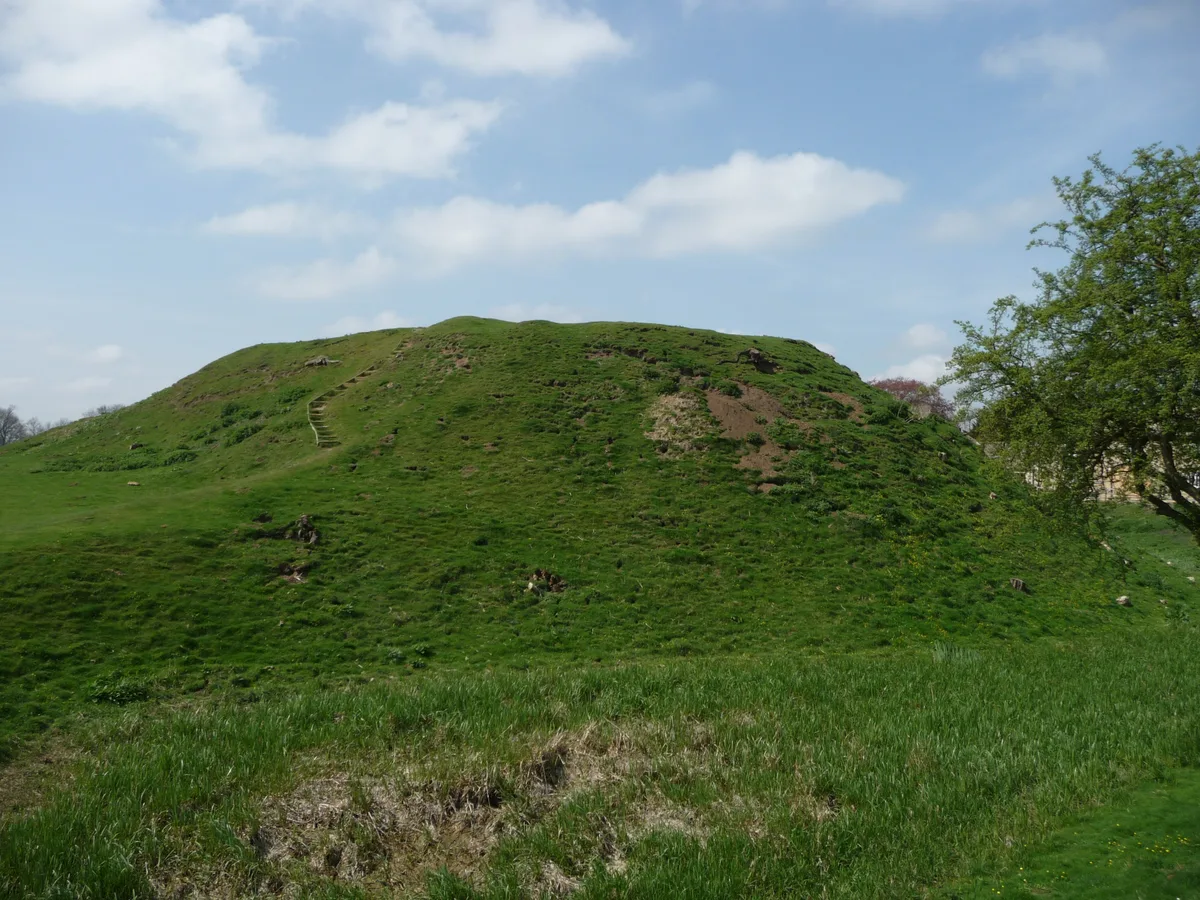
Fotheringhay Castle
Hill forts · 0.1 km

Fotheringhay Earthwork
Archaeological sites · 0.1 km

Fotheringhay Earthwork
Archaeological sites · 0.1 km

Fotheringhay Priory
Abbeys & priories · 0.3 km

Fotheringhay Priory
Archaeological sites · 0.3 km
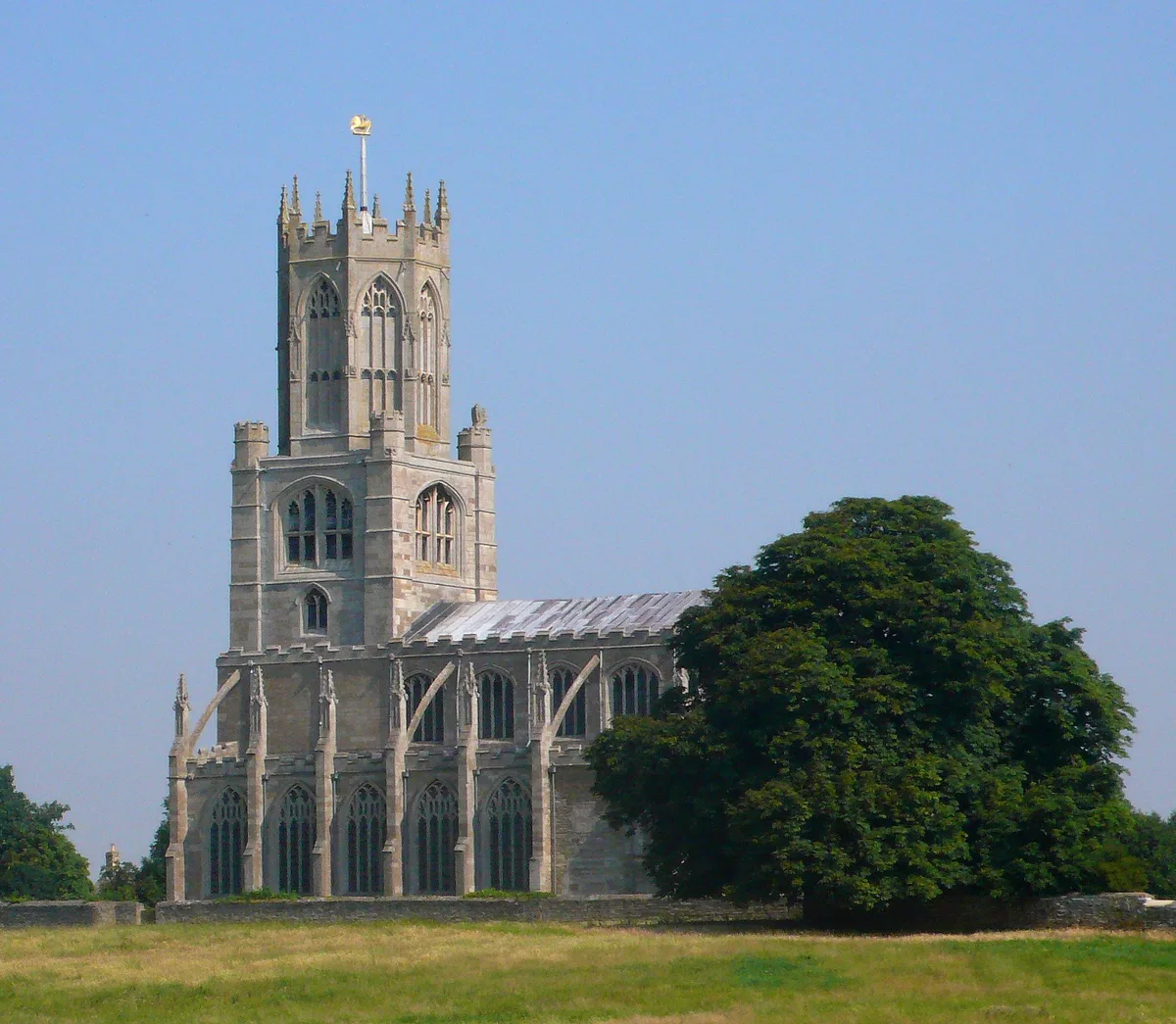
Church of St Mary and All Saints, Fotheringhay
Historic churches · 0.3 km

Fotheringhay
Villages · 0.4 km
The Falcon Inn
Restaurants · 0.4 km

Warmington Mill
Mills · 1.8 km

Windmill Tower Approximately 130 Metres East Of Tansor Court
Windmills · 2.0 km

Tansor
Villages · 2.2 km

Manor House
Historic houses · 2.2 km
Nearby
📷 5Hill forts · East of England
Fotheringhay Castle
Fotheringhay Castle — ruined castle in Fotheringhay, Northamptonshire, England, UK.
📷 5Archaeological sites · East of England
Fotheringhay Earthwork
Fotheringhay Earthwork — a archaeological in england-london, United Kingdom.
📷 5Archaeological sites · East of England
Fotheringhay Earthwork
Fotheringhay Earthwork — archaeological in england london.
📷 5Abbeys & priories · East of England
Fotheringhay Priory
Fotheringhay Priory — a abbey in england-london, United Kingdom.
📷 5Archaeological sites · East of England
Fotheringhay Priory
Fotheringhay Priory — archaeological in england london.
📷 5Historic churches · East of England
Church of St Mary and All Saints, Fotheringhay
Church of St Mary and All Saints, Fotheringhay — church in Fotheringhay, Northamptonshire, England, UK.
Where to eat & stay near Mary Queen of Scots
Places to stay
 📷 5
📷 5 📷 5
📷 5Hotels · East of England
Sibson Inn Hotel
Sibson Inn Hotel — a hotel in england london.
 📷 5
📷 5Hotels · East of England
The Haycock Hotel
The Haycock Hotel — a hotel in england london.
 📷 5
📷 5Campsites · East of England
Sacrewell Farm
Sacrewell Farm — a campsite in england london.
 📷 5
📷 5Campsites · East of England
Lakeview Campsite
Lakeview Campsite — a campsite in england london.
📷 5Campsites · East of England
Glade Campsite
Glade Campsite — a campsite in england london.
Places to eat & drink
📷 5Restaurants · East of England
The Falcon Inn
The Falcon Inn — a restaurant in england london.
 📷 5
📷 5Historic pubs · East of England
Shuckburgh Arms Public House
Shuckburgh Arms Public House in England East, United Kingdom.
 📷 5
📷 5Historic pubs · East of England
Rose And Crown Public House
Rose And Crown Public House in England East, United Kingdom.
 📷 5
📷 5 📷 5
📷 5Historic pubs · East of England
Victoria Inn Public House
Victoria Inn Public House in England East, United Kingdom.
📷 5Historic pubs · East of England
Waggon And Horses Public House
Waggon And Horses Public House in England East, United Kingdom.
More memorials in this region
 📷 5
📷 5Memorials & monuments · East of England
386th B.G.(M), 9th Air Force USAAF Memorial
386th B.G.(M), 9th Air Force USAAF Memorial is a memorial in the United Kingdom.
 📷 5
📷 5Memorials & monuments · East of England
Ailesbury Mausoleum
Ailesbury Mausoleum is a memorial in the United Kingdom.
 📷 5
📷 5Memorials & monuments · East of England
Archie F. Daniels Memorial
Archie F. Daniels Memorial is a memorial in the United Kingdom.
 📷 5
📷 5Memorials & monuments · East of England
Barnwell War Memorial
Barnwell War Memorial is a memorial in the United Kingdom.
Frequently asked questions
- Where is Mary Queen of Scots?
- Mary Queen of Scots is in East of England, United Kingdom (postcode PE8 5JF), in the parish of Fotheringhay.
- What is Mary Queen of Scots?
- Mary Queen of Scots is a memorial in the United Kingdom.
- How do I get to Mary Queen of Scots?
- The nearest railway station is Yarwell Junction (NVR), about 4.5 km away. The nearest town is Woodnewton. Drivers can use postcode PE8 5JF.
- Is Mary Queen of Scots free to visit?
- Yes, Mary Queen of Scots is free to enter.
- How do I get to Mary Queen of Scots?
- The nearest railway station is Yarwell Junction (NVR), about 4.5 km away. Drivers can navigate to postcode PE8 5JF.