
Hill forts · East of England
Fotheringhay Castle
In or near Woodnewton.
Fotheringhay Castle — ruined castle in Fotheringhay, Northamptonshire, England, UK.

Wikimedia Commons contributors — see linked file page for photographer and licence licence

Plan your visit
- Typical visit
- 1 h–2 h
- Nearest railway station
- Yarwell Junction (NVR) · 4.5 km
- Free entry
- Dog-friendly
Getting there & planning your visit
Fotheringhay Castle is located in North Northamptonshire, postcode PE8 5JF. The nearest railway station is Yarwell Junction (NVR), which is 4.5 km away. Entry to the site is free.
About
Fotheringhay Castle is a hill fort in the United Kingdom. Heritage designation: scheduled monument. Wikidata describes it as: "ruined castle in Fotheringhay, Northamptonshire, England, UK". Coordinates: 52.5243°, -0.4362°.
Photo gallery
From the Wikipedia article
Fotheringhay Castle, also known as Fotheringay Castle, was a High Middle Age Norman Motte-and-bailey castle in the village of Fotheringhay 3+1⁄2 miles (6 kilometres) to the north of the market town of Oundle, Northamptonshire, England (grid reference TL061930). It was probably founded around 1100 by Simon de Senlis, Earl of Northampton. In 1113, possession passed to Prince David of Scotland when he married Simon's widow. The castle then descended with the Scottish princes until the early 13th century, when it was confiscated by King John of England. By 1220, Fotheringhay Castle was controlled by Ranulf de Blondeville, 6th Earl of Chester. In January the following year, it was briefly captured by William II de Forz, 3rd Earl of Albemarle, in his rebellion against King Henry III. Forz abandoned the castle, Henry III took it under his control, and Fotheringhay remained in royal hands until the reign of Edward II. It was a favoured residence of the Dukes of York, and King Richard III was born there in 1452. It was also the final place of imprisonment of Mary, Queen of Scots, who was tried and executed in the castle in 1587. The castle was dismantled in the 1630s and most of the masonry was removed, leaving only the earthworks. The site is protected as a Scheduled Monument and is open to the public.
Excerpt from Wikipedia under CC BY-SA 4.0. See the source article linked in Sources below.
Background
History
]] William the Conqueror granted the area to Judith of Lens, wife of Waltheof, Earl of Northumbria. Their eldest daughter, Maud, inherited the lordship of Fotheringhay. Around 1090, she married Simon de Senlis who was made Earl of Huntingdon, and about 1100 he founded Fotheringhay Castle, on the northern side of the River Nene. Through this marriage, David, who later became King of Scotland, acquired Fotheringhay Castle, as well as other properties in Huntingdonshire. Possession of the castle descended through the Scottish princes until the 13th century. Shortly after King John was excommunicated, he demanded his barons send him hostages to ensure their loyalty. In 1212, he used this as…
Architecture
Fotheringhay was a large motte-and-bailey castle. A large motte, which was surrounded by a large water-filled moat, was topped with a polygonal stone keep. The inner enclosure, or bailey, was protected by ramparts and a ditch, and its structures included a great hall and other domestic buildings. The outer bailey had curtain walls and a gatehouse; a lake was crossed by way of a bridge. Little is known about the structural history of the castle while Langley was the owner in the 14th century; however, it is thought that he was responsible for building the outer bailey and partially filling the eastern part of the ditch surrounding the motte. The motte is 70 m in diameter at the base and 30 m…
Visiting
by Francesco Hayez, 1832. Mary, Queen of Scots is informed of the death sentence at Fotheringhay.]] In Gaetano Donizetti's 1835 opera Maria Stuarda, Fotheringhay Castle is the setting of three of the opera's scenes. "Fotheringay" was the title of a song written about the imprisonment of Mary, Queen of Scots, by Sandy Denny. It appeared in 1969 on What We Did on Our Holidays, her first album with the British folk rock band Fairport Convention. Denny's band after leaving Fairport Convention was named Fotheringay. That band released one self-titled album in 1970 before disbanding, with a second album being stitched together by surviving members from old and new recordings in 2008.
Sourced from Wikipedia under CC BY-SA 4.0.
- Coordinates
- 52.5243, -0.4362
- District
- North Northamptonshire
- Parish
- Fotheringhay
- Postcode
- PE8 5JF
- Parliamentary constituency
- Corby and East Northamptonshire
- Nearest railway station
- Yarwell Junction (NVR) — 4.5 km
Sources
- wikidata: Q1439593 (CC0)
- wikipedia: Fotheringhay Castle (CC BY-SA 4.0)
- commons: Fotheringhay motte, 2009.jpg (CC BY-SA 4.0)
Other places nearby

Fotheringhay Earthwork
Archaeological sites · 0.0 km

Fotheringhay Earthwork
Archaeological sites · 0.0 km

Mary Queen of Scots
Memorials & monuments · 0.1 km
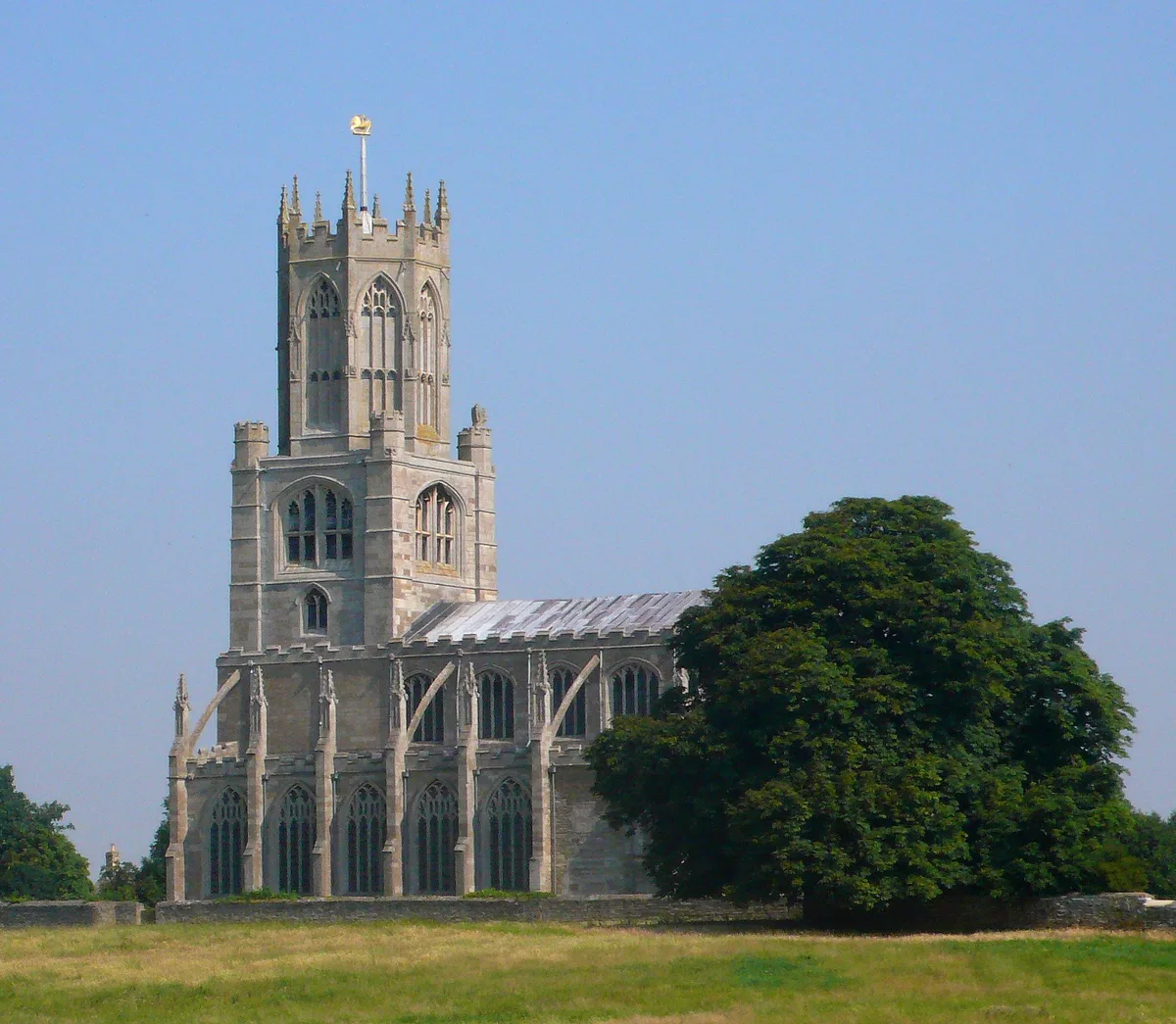
Church of St Mary and All Saints, Fotheringhay
Historic churches · 0.3 km

Fotheringhay Priory
Abbeys & priories · 0.3 km

Fotheringhay Priory
Archaeological sites · 0.3 km

Fotheringhay
Villages · 0.3 km
The Falcon Inn
Restaurants · 0.4 km

Warmington Mill
Mills · 1.8 km

Windmill Tower Approximately 130 Metres East Of Tansor Court
Windmills · 2.1 km

Tansor
Villages · 2.2 km

Manor House
Historic houses · 2.3 km
Nearby
📷 5Archaeological sites · East of England
Fotheringhay Earthwork
Fotheringhay Earthwork — a archaeological in england-london, United Kingdom.
📷 5Archaeological sites · East of England
Fotheringhay Earthwork
Fotheringhay Earthwork — archaeological in england london.
📷 5Memorials & monuments · East of England
Mary Queen of Scots
Mary Queen of Scots is a memorial in the United Kingdom.
📷 5Historic churches · East of England
Church of St Mary and All Saints, Fotheringhay
Church of St Mary and All Saints, Fotheringhay — church in Fotheringhay, Northamptonshire, England, UK.
📷 5Abbeys & priories · East of England
Fotheringhay Priory
Fotheringhay Priory — a abbey in england-london, United Kingdom.
📷 5Archaeological sites · East of England
Fotheringhay Priory
Fotheringhay Priory — archaeological in england london.
Where to eat & stay near Fotheringhay Castle
Places to stay
 📷 5
📷 5 📷 5
📷 5Hotels · East of England
Sibson Inn Hotel
Sibson Inn Hotel — a hotel in england london.
 📷 5
📷 5Hotels · East of England
The Haycock Hotel
The Haycock Hotel — a hotel in england london.
 📷 5
📷 5Campsites · East of England
Sacrewell Farm
Sacrewell Farm — a campsite in england london.
 📷 5
📷 5Campsites · East of England
Lakeview Campsite
Lakeview Campsite — a campsite in england london.
📷 5Campsites · East of England
Glade Campsite
Glade Campsite — a campsite in england london.
Places to eat & drink
📷 5Restaurants · East of England
The Falcon Inn
The Falcon Inn — a restaurant in england london.
 📷 5
📷 5Historic pubs · East of England
Shuckburgh Arms Public House
Shuckburgh Arms Public House in England East, United Kingdom.
 📷 5
📷 5Historic pubs · East of England
Rose And Crown Public House
Rose And Crown Public House in England East, United Kingdom.
 📷 5
📷 5 📷 5
📷 5Historic pubs · East of England
Victoria Inn Public House
Victoria Inn Public House in England East, United Kingdom.
📷 5Historic pubs · East of England
Waggon And Horses Public House
Waggon And Horses Public House in England East, United Kingdom.
More places in this region
 📷 5
📷 5Hill forts · East of England
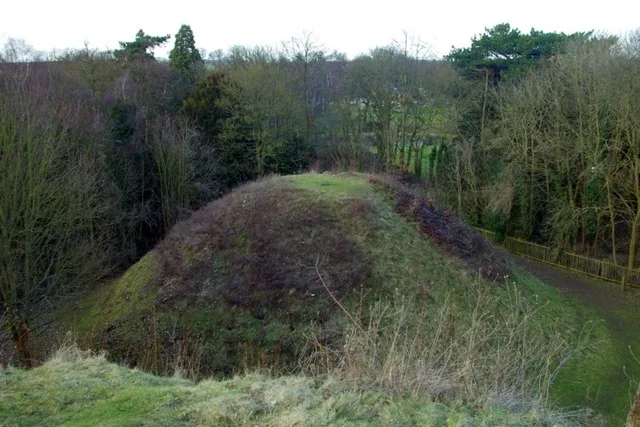
Bartlow Hills
Bartlow Hills — Roman tumuli cemetery in Bartlow (Cambridgeshire, UK).
 📷 5
📷 5Hill forts · East of England
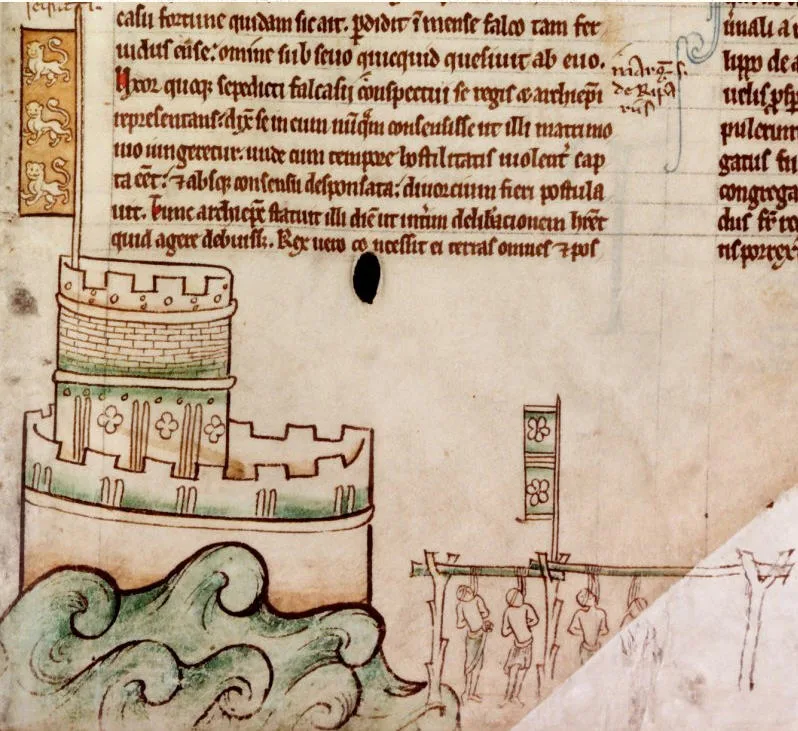
Bedford Castle
Bedford Castle — castle in Bedfordshire, England, UK.
.jpg?width=1200) 📷 5
📷 5Hill forts · East of England
Beech Bottom Dyke
Beech Bottom Dyke — Iron Age ditch in St Albans, Hertfordshire, England, UK.
 📷 5
📷 5Hill forts · East of England
Braughing Roman Town
Braughing Roman Town — archaeological site in Braughing, East Hertfordshire, England, UK.
Frequently asked questions
- Where is Fotheringhay Castle?
- Fotheringhay Castle is in East of England, United Kingdom (postcode PE8 5JF), in the parish of Fotheringhay.
- What is Fotheringhay Castle?
- Fotheringhay Castle — ruined castle in Fotheringhay, Northamptonshire, England, UK.
- How do I get to Fotheringhay Castle?
- The nearest railway station is Yarwell Junction (NVR), about 4.5 km away. The nearest town is Woodnewton. Drivers can use postcode PE8 5JF.
- Is Fotheringhay Castle a listed building?
- Fotheringhay Castle is officially recognised as scheduled monument listed.
- Is Fotheringhay Castle free to visit?
- Yes, Fotheringhay Castle is free to enter.
- How do I get to Fotheringhay Castle?
- The nearest railway station is Yarwell Junction (NVR), about 4.5 km away. Drivers can navigate to postcode PE8 5JF.