
Abbeys & priories · East Midlands
Leicester Abbey
In or near Leicester.
Leicester Abbey — Grade I listed building in Leicester, Leicestershire, England, UK.

Wikimedia Commons contributors — see linked file page for photographer and licence licence

Plan your visit
- Typical visit
- 45 min–1.5 h
- Nearest railway station
- Leicester · 2.0 km
- Family-friendly
- Limited wheelchair access
Getting there & planning your visit
To visit Leicester Abbey, the nearest railway station is Leicester, located 2 km away. The postcode for sat-nav is LE4 5AP. Please note that accessibility is limited for wheelchair users.
About
Leicester Abbey is an abbey, priory, or monastic site in the United Kingdom. Records date its origin to 1101. Heritage designation: Grade I listed building. Part of Leicester abbey and 17th century mansion and ornamental gardens. Wikidata describes it as: "Grade I listed building in Leicester, Leicestershire, England, UK". Coordinates: 52.6486°, -1.1369°.
Photo gallery
Heritage listing
The Abbey of Saint Mary de Pratis, more commonly known as Leicester Abbey, was an Augustinian religious house in the city of Leicester, in Leicestershire, England. The abbey was founded in the 12th century by the Robert de Beaumont, 2nd Earl of Leicester, and grew to become the wealthiest religious establishment within Leicestershire. Through patronage and donations the abbey gained the advowsons of countless churches throughout England, and acquired a considerable amount of land, and several manorial lordships. Leicester Abbey also maintained a cell (a small dependent daughter house) at Cockerham Priory, in Lancashire. The Abbey's prosperity was boosted through the passage of special privileges by both the English Kings and the Pope.
From the Historic England List Entry under OGL v3.
From the Wikipedia article
The Abbey of Saint Mary de Pratis, more commonly known as Leicester Abbey, was an Augustinian religious house in the city of Leicester, in Leicestershire, England. The abbey was founded in the 12th century by the Robert de Beaumont, 2nd Earl of Leicester, and grew to become the wealthiest religious establishment within Leicestershire. Through patronage and donations the abbey gained the advowsons of countless churches throughout England, and acquired a considerable amount of land, and several manorial lordships. Leicester Abbey also maintained a cell (a small dependent daughter house) at Cockerham Priory, in Lancashire. The Abbey's prosperity was boosted through the passage of special privileges by both the English Kings and the Pope. These included an exemption from sending representatives to parliament and from paying tithe on certain land and livestock. Despite its privileges and sizeable landed estates, from the late 14th century the abbey began to suffer financially and was forced to lease out its estates. The worsening financial situation was exacerbated throughout the 15th century and early 16th century by a series of incompetent, corrupt and extravagant abbots. By 1535 the abbey's considerable income was exceeded by even more considerable debts. The abbey provided a home to an average of 30 to 40 canons, sometimes known as Black Canons, because of their dress (a white habit and black cloak). One of these canons, Henry Knighton, is notable for his Chronicle, which was written during his time at the abbey in the 14th century. In 1530 Cardinal Thomas Wolsey died at the abbey, whilst travelling south to face trial for treason. A few years later, in 1538, the abbey was dissolved, and was quickly demolished, with the building materials reused in various structures across Leicester, including a mansion which was built on the site. The house passed through several aristocratic families, and became known as Cavendish House after it was acquired by the 1st Earl of…
Excerpt from Wikipedia under CC BY-SA 4.0. See the source article linked in Sources below.
Background
History
Leicester Abbey was founded during a wave of monastic enthusiasm that swept through western Christendom in the 11th and 12th centuries. This wave was responsible for the foundation of the majority of England's monasteries, and very few were founded after the 13th century. These monasteries were often founded by a wealthy aristocratic benefactor who endowed and patronised the establishments in return for prayers for their soul, and often, the right to be buried within the monastic church. Leicester Abbey was founded in 1143 by Robert le Bossu, 2nd Earl of Leicester, and was dedicated to the Assumption of the Virgin Mary. Robert's father, Robert de Beaumont, 1st Earl of Leicester, had…
Architecture
The archaeological excavations undertaken have allowed historians to calculate the layout and plan of the abbey: which were then plotted out with low stone walls, during the 1920s and 1930s. The cloister lay to the south of the abbey church and was flanked by three ranges of building. The west range contained the "lavatorium", a room used for washing; a vaulted undercroft, used for storage; and, on the first floor, the abbey's best residential accommodation, probably including that used by the Abbot. The East range contained the abbey's chapterhouse; a small room which is presumed to be either a library or a sacristry; a second larger undercroft, again used for storage; a corridor, known as…
Sourced from Wikipedia under CC BY-SA 4.0.
- Coordinates
- 52.6486, -1.1369
- District
- Leicester
- Parish
- Leicester, unparished area
- Postcode
- LE4 5AP
- Parliamentary constituency
- Leicester West
- Established
- 1101
- Nearest railway station
- Leicester — 2 km
- Official site
- www.storyofleicester.info
Sources
- wikidata: Q1980614 (CC0)
- wikipedia: Leicester Abbey (CC BY-SA 4.0)
- commons: Abbeyruins Leicester.jpg (CC BY-SA 4.0)
Other places nearby

Leicester Abbey
Cathedrals · 0.0 km
Cardinal Wolsey's Gravestone
Memorials & monuments · 0.1 km

Leicester abbey and 17th century mansion and ornamental gardens
Abbeys & priories · 0.1 km
Cardinal Wolsey
Memorials & monuments · 0.2 km
.jpg?width=1200)
Abbey Park Road
Historic bridges · 0.2 km

Abbey Corner Bridge
Historic bridges · 0.2 km
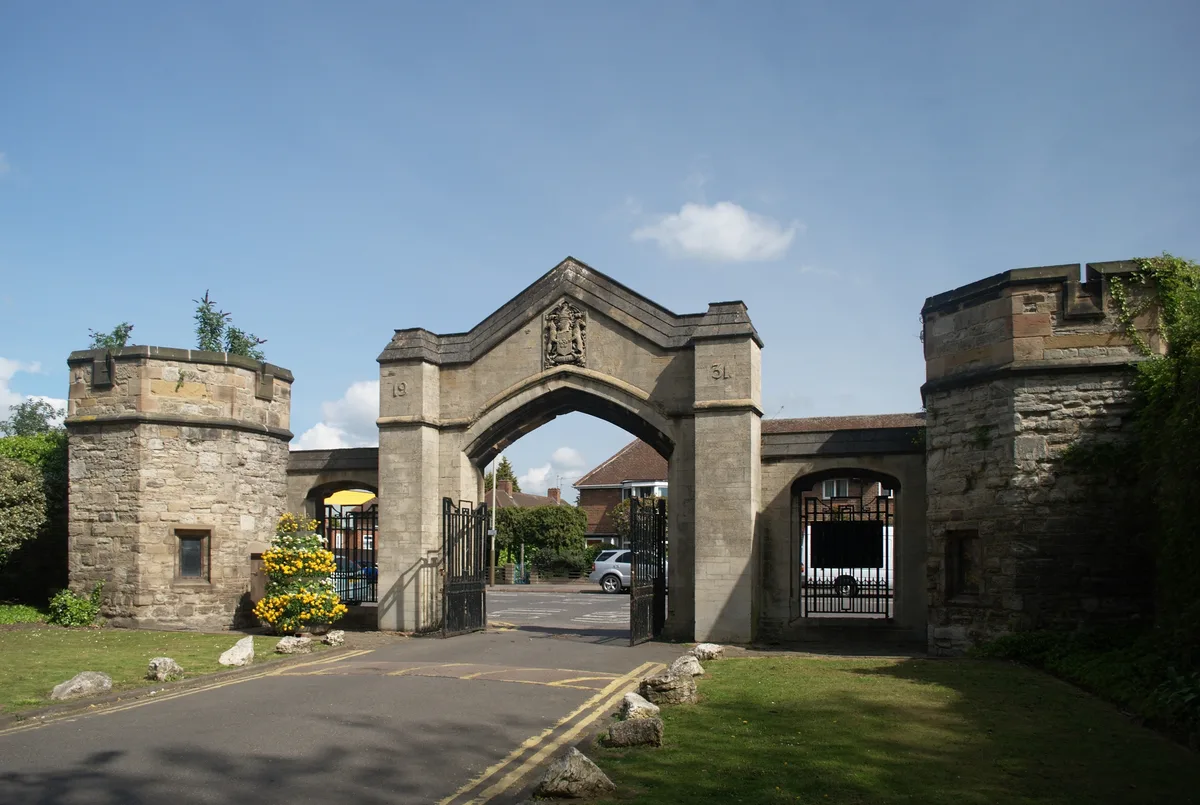
Abbey Park
Parks · 0.2 km

Garden of the Senses
Memorials & monuments · 0.2 km

Paul Heatherley
Memorials & monuments · 0.3 km

Ian & Lisa Roberts
Memorials & monuments · 0.4 km

Abbey Park Miniature Railway
Miniature railways · 0.5 km

Annie Rosemary Murray
Memorials & monuments · 0.5 km
Nearby
📷 5Cathedrals · East Midlands
Leicester Abbey
Leicester Abbey is a cathedral in the United Kingdom.
📷 3Memorials & monuments · East Midlands
Cardinal Wolsey's Gravestone
Cardinal Wolsey's Gravestone — a memorial in england-west-midlands, United Kingdom.
★ Iconic📷 3Abbeys & priories · East Midlands
Leicester abbey and 17th century mansion and ornamental gardens
Leicester abbey and 17th century mansion and ornamental gardens — scheduled monument-listed abbey in england-west-midlands, United Kingdom.
📷 3Memorials & monuments · East Midlands
Cardinal Wolsey
Cardinal Wolsey — a memorial in england-west-midlands, United Kingdom.
📷 4Historic bridges · East Midlands
Abbey Park Road
Abbey Park Road is a historic bridge in the United Kingdom.
📷 3Historic bridges · East Midlands
Abbey Corner Bridge
Abbey Corner Bridge — Grade II listed building-listed bridge in england-west-midlands, United Kingdom.
Where to eat & stay near Leicester Abbey
Places to stay
 📷 7
📷 7Hotels · East Midlands
Holiday Inn Express
Holiday Inn Express — a hotel in england west midlands. 3-star. Brand: Holiday Inn Express.
 📷 5
📷 5Hotels · East Midlands
Winstanley House
Winstanley House — a hotel in england west midlands.
 📷 5
📷 5Caravan parks · East Midlands
Unicorn Mobile Home Park
Unicorn Mobile Home Park — a caravan park in england west midlands.
 📷 5
📷 5Caravan parks · East Midlands
Inglenook Park (Mobile Home Park)
Inglenook Park (Mobile Home Park) — a caravan park in england west midlands.
 📷 5
📷 5Caravan parks · East Midlands
Cropston Caravan Site
Cropston Caravan Site — a caravan park in england west midlands.
 📷 5
📷 5Caravan parks · East Midlands
Orchard Mobile Home Park
Orchard Mobile Home Park — a caravan park in england east midlands.
Places to eat & drink
 📷 5
📷 5Historic pubs · East Midlands
Market Tavern
Market Tavern in England East Midlands, United Kingdom.
 📷 5
📷 5Restaurants · East Midlands
Pepe's Piri Piri
Pepe's Piri Piri — a restaurant in england west midlands. Cuisine: burger;sandwich;indian;asian;chicken;ice cream. 5-star.
 📷 5
📷 5Restaurants · East Midlands
Peter Pizzeria
Peter Pizzeria — a restaurant in england west midlands. Cuisine: sandwich;pizza.
 📷 5
📷 5 📷 7
📷 7Historic pubs · East Midlands
Rothley Court
Rothley Court in England East Midlands, United Kingdom.
 📷 5
📷 5Historic pubs · East Midlands
Narborough Arms
Narborough Arms in England East Midlands, United Kingdom.
Other abbeys from this era
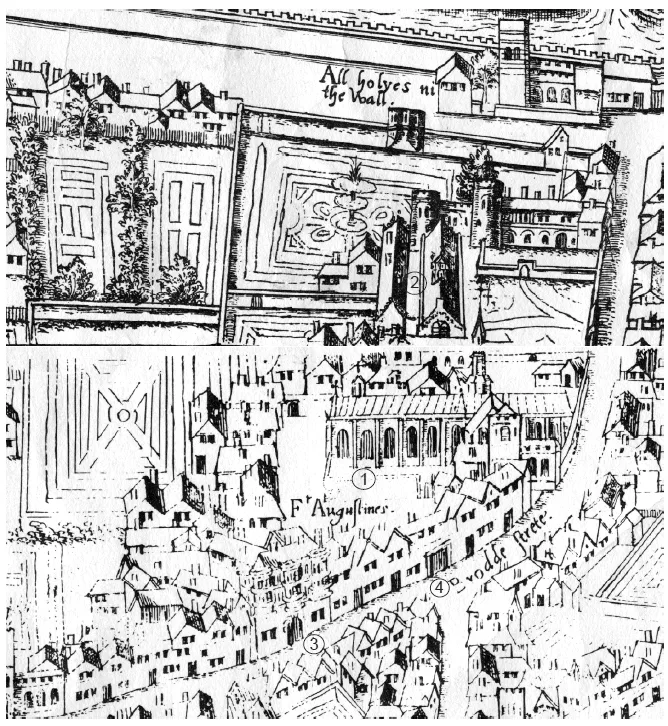 📷 5
📷 5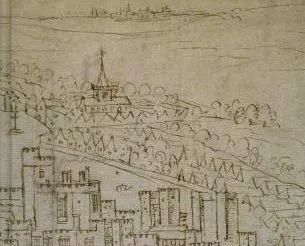 📷 5
📷 5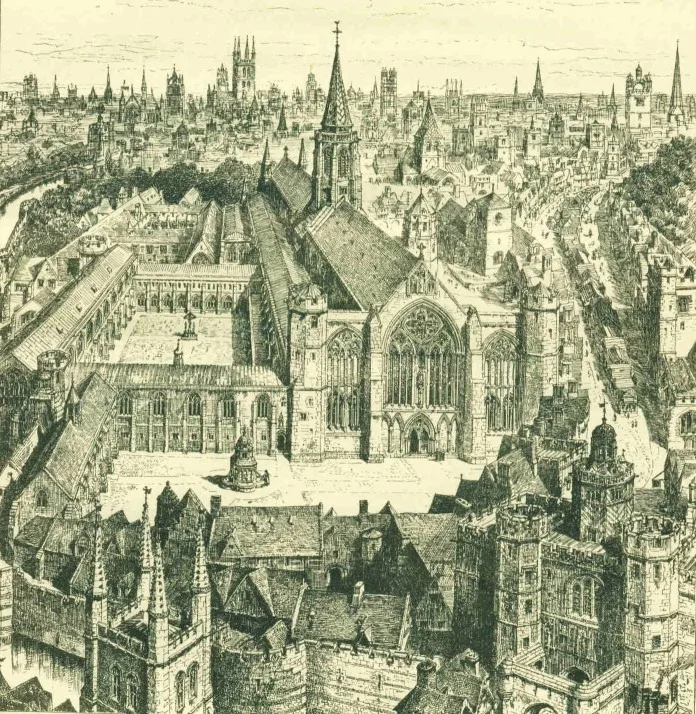 📷 5
📷 5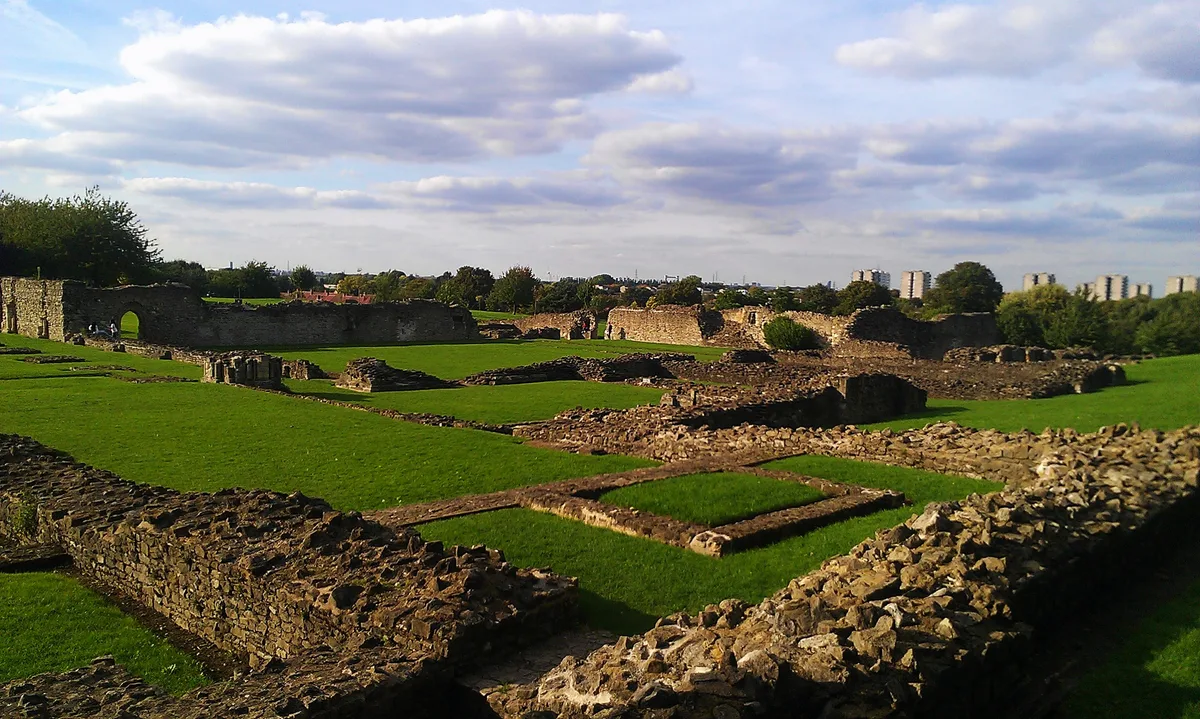 📷 5
📷 5Abbeys & priories · London
Lesnes Abbey
Lesnes Abbey — former abbey, now ruined, in Abbey Wood, London Borough of Bexley, England, UK.
More abbeys in this region
 📷 5
📷 5Abbeys & priories · East Midlands
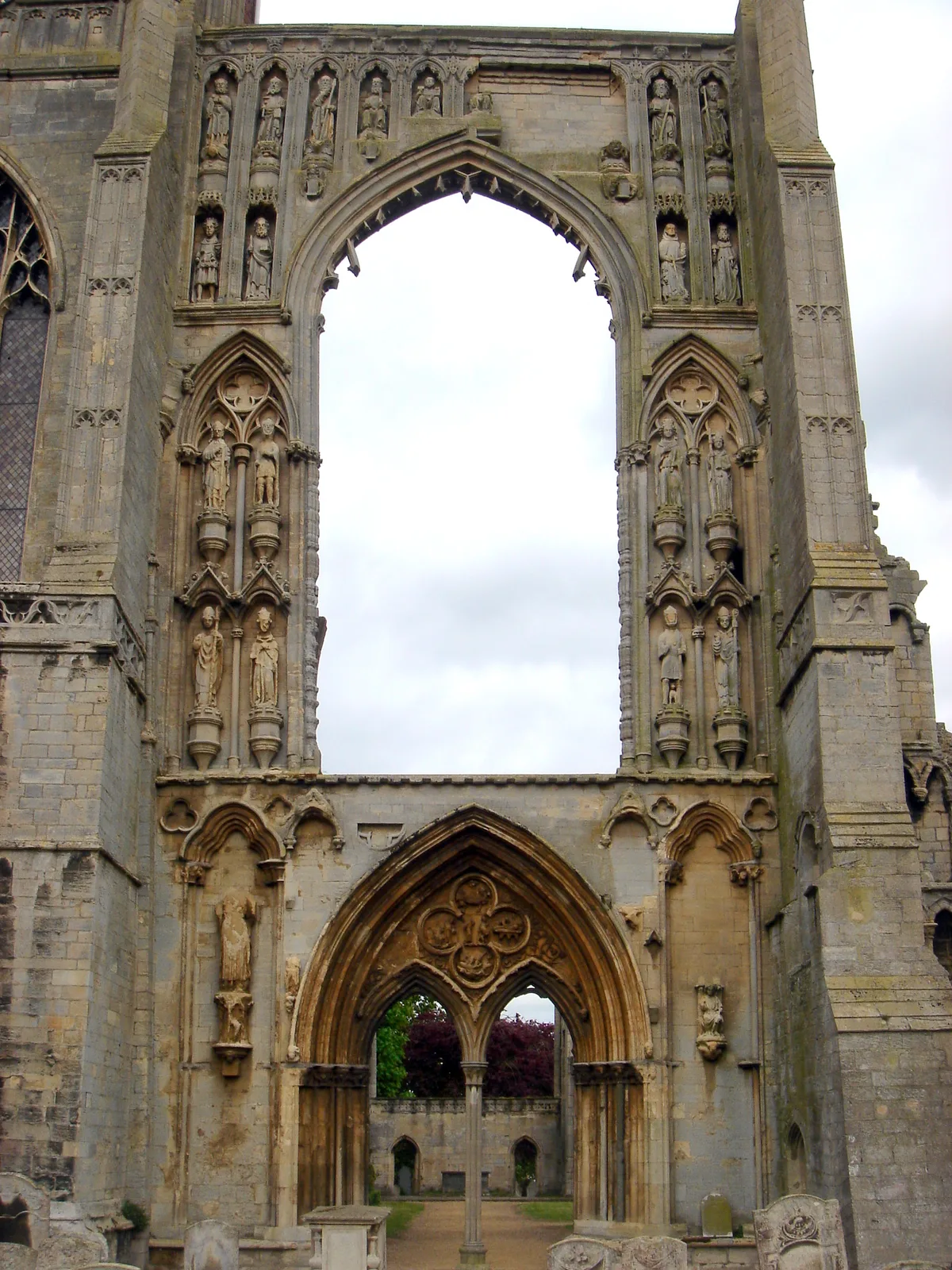
Crowland Abbey
Crowland Abbey — parish church of Church of England in Crowland, Lincolnshire, England, UK.
 📷 5
📷 5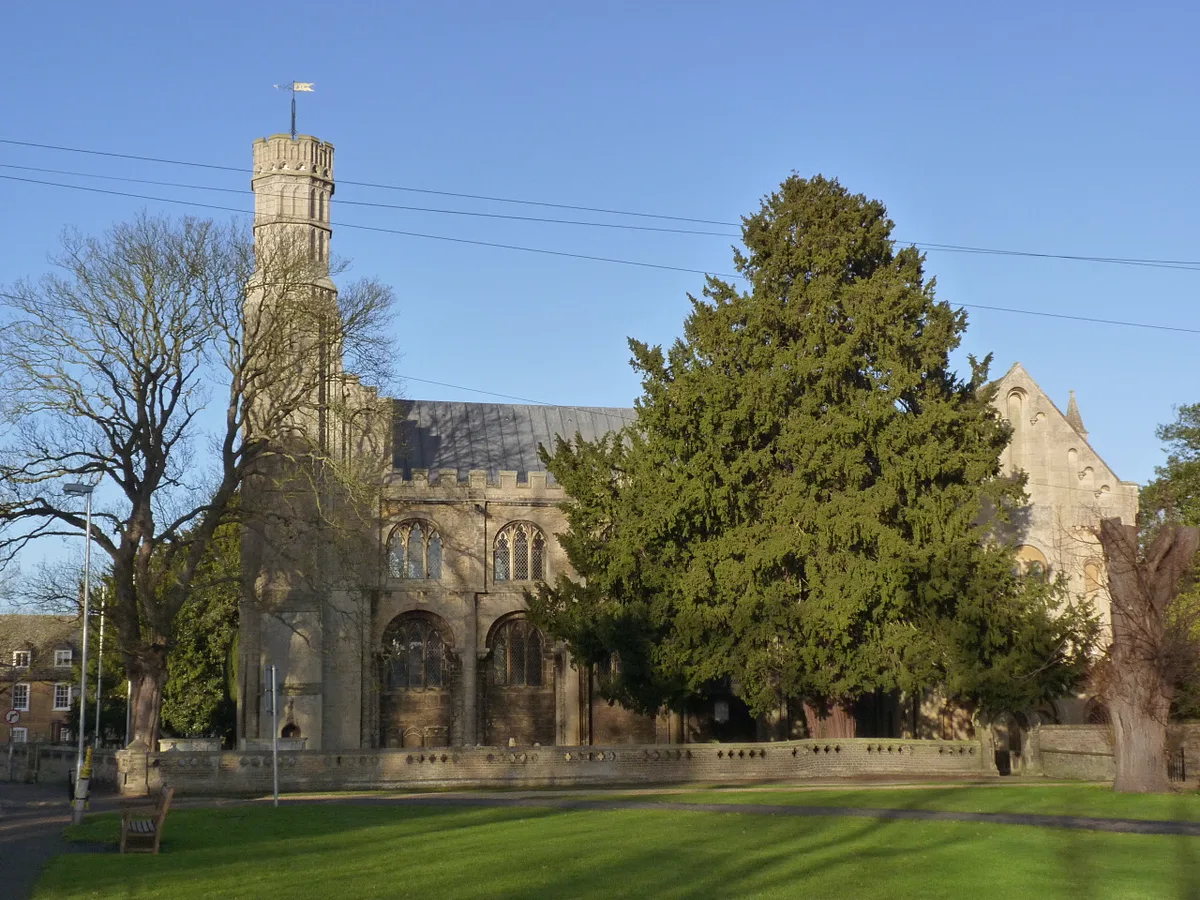 📷 5
📷 5Abbeys & priories · East Midlands
Thorney Abbey
Thorney Abbey — abbey in Thorney, Cambridgeshire, England, UK.
 📷 5
📷 5Abbeys & priories · East Midlands
St Leonard's Priory (remains of)
St Leonard's Priory (remains of) — a abbey in england-london, United Kingdom.
Frequently asked questions
- Where is Leicester Abbey?
- Leicester Abbey is in the East Midlands, United Kingdom (postcode LE4 5AP), in the parish of Leicester, unparished area.
- What is Leicester Abbey?
- Leicester Abbey — Grade I listed building in Leicester, Leicestershire, England, UK.
- How do I get to Leicester Abbey?
- The nearest railway station is Leicester, about 2.0 km away. The nearest town is Leicester. Drivers can use postcode LE4 5AP.
- When was Leicester Abbey built?
- Built or established in 1101.
- Is Leicester Abbey a listed building?
- Leicester Abbey is officially recognised as Grade I listed building listed.
- How do I get to Leicester Abbey?
- The nearest railway station is Leicester, about 2.0 km away. Drivers can navigate to postcode LE4 5AP.