
Memorials & monuments · North West England
Lancashire Fusiliers War Memorial
In or near Holcombe.
Lancashire Fusiliers War Memorial is a memorial in the United Kingdom.
.JPG?width=1200)
Wikimedia Commons contributors — see linked file page for photographer and licence licence
.JPG)
Plan your visit
- Typical visit
- 15 min–45 min
- Nearest railway station
- Bury, Bolton Street · 0.1 km
- Free entry
- Family-friendly
- Dog-friendly
Getting there & planning your visit
The Lancashire Fusiliers War Memorial is located in Bury, North West England, with the postcode BL9 0DH. The nearest railway station is Bury, Bolton Street, which is just 0.1 km away. Entry to the memorial is free.
About
Lancashire Fusiliers War Memorial is a public memorial or monument in the United Kingdom. Coordinates: 53.5923°, -2.2987°. This entry is part of The Great Britain Guide, a free, ad-free, open-data tourist directory.
Photo gallery
Heritage listing
The Lancashire Fusiliers War Memorial is a First World War memorial dedicated to members of the Lancashire Fusiliers killed in that conflict. Outside the Fusilier Museum in Bury, Greater Manchester, England, it was unveiled in 1922—on the seventh anniversary of the landing at Cape Helles, part of the Gallipoli Campaign in which the regiment suffered particularly heavy casualties. The memorial was designed by Sir Edwin Lutyens. He was commissioned in light of a family connection—his father and great uncle were officers in the Lancashire Fusiliers, a fact noted on a plaque nearby. He designed a tall, slender obelisk in Portland stone. The regiment's cap badge is carved near the top on the front and rear, surrounded by a laurel wreath.
From the Historic England List Entry under OGL v3.
Official information
The Fusilier Museum showcases the history and heritage of the XX Lancashire Fusiliers and the Royal Regiment of Fusiliers, spanning over 300 years. It features two main galleries that detail the regiments' stories from their inception to modern conflicts, along with temporary exhibitions and events throughout the year.
From the Wikipedia article
The Lancashire Fusiliers War Memorial is a First World War memorial dedicated to members of the Lancashire Fusiliers killed in that conflict. Outside the Fusilier Museum in Bury, Greater Manchester, England, it was unveiled in 1922—on the seventh anniversary of the landing at Cape Helles, part of the Gallipoli Campaign in which the regiment suffered particularly heavy casualties. The memorial was designed by Sir Edwin Lutyens. He was commissioned in light of a family connection—his father and great uncle were officers in the Lancashire Fusiliers, a fact noted on a plaque nearby. He designed a tall, slender obelisk in Portland stone. The regiment's cap badge is carved near the top on the front and rear, surrounded by a laurel wreath. Further down are inscriptions containing the regiment's motto and a dedication. Two painted stone flags hang from the sides. The memorial was unveiled by Lieutenant General Sir Henry de Beauvoir De Lisle on 25 April 1922, using the novel method of pressing an electric button. The remaining funds were spent on drums and bugles for the regiment and donated to the Lancashire Fusiliers' compassionate fund. After the Lancashire Fusiliers were amalgamated into the Royal Regiment of Fusiliers in 1968, the memorial was adopted by the new regiment and rededicated to all fusiliers killed in action. It originally sat outside the Lancashire Fusiliers' headquarters in Wellington Barracks but was relocated when the barracks closed in the 1970s. It was moved again in 2009, this time to sit in a public park renamed Gallipoli Gardens, outside the Fusilier Museum, which moved at the same time. The memorial was designated a Grade II listed building in 1992. It was upgraded to Grade II* in 2015 (on the centenary of the Cape Helles landing), along with two other memorials related to the Gallipoli Campaign; later that year it was recognised as part of a national collection of Lutyens' war memorials.
Excerpt from Wikipedia under CC BY-SA 4.0. See the source article linked in Sources below.
Background
History
The memorial was unveiled by Lieutenant General Sir Henry de Beauvoir De Lisle—commander of the 29th Division, under which the 1st battalion was organised—on 25 April 1922, specifically chosen as the seventh anniversary of the Cape Helles landing. The general gave a speech in which he referenced the Gallipoli landings and the "six Victoria Crosses (VCs) before breakfast", after which he performed the unveiling by the then-novel method of an electric button. Lutyens was unable to attend the ceremony but sent a cable. Other dignitaries included several local mayors, Captain Richard Willis (recipient of one of the six VCs), three generals, and the Rector of Bury who led prayers. In addition to…
Architecture
The memorial was built by John Tinline of Bury, a local stonemason. It consists of a single tall, tapering obelisk in Portland stone (similar to the pair on Lutyens' Northampton War Memorial) standing on a square base with a cornice where the two parts meet. Below the base is a carved frieze which sits on a pedestal of two rectangular blocks. The whole structure rests on a rectangular plinth and at the very bottom are two shallow circular steps. On the front and rear of the obelisk are carvings of the Lancashire Fusiliers' cap badge and the inscription "XX" (referring to the 20th Regiment of Foot, from which the Lancashire Fusiliers evolved) in gilded lettering, surrounded by a carved…
Sourced from Wikipedia under CC BY-SA 4.0.
- Coordinates
- 53.5923, -2.2987
- District
- Bury
- Parish
- Bury, unparished area
- Postcode
- BL9 0DH
- Parliamentary constituency
- Bury North
- Phone
- +44 161 7638950
- Nearest railway station
- Bury, Bolton Street — 0.1 km
- Opening
- Daily 10am–5pm
Sources
- osm: n12412269164 (ODbL)
- wikipedia: Lancashire Fusiliers War Memorial (CC BY-SA 4.0)
- commons: Lancashire Fusiliers memorial, Gallipoli Garden, Bury (5).JPG (CC BY-SA 4.0)
Other places nearby
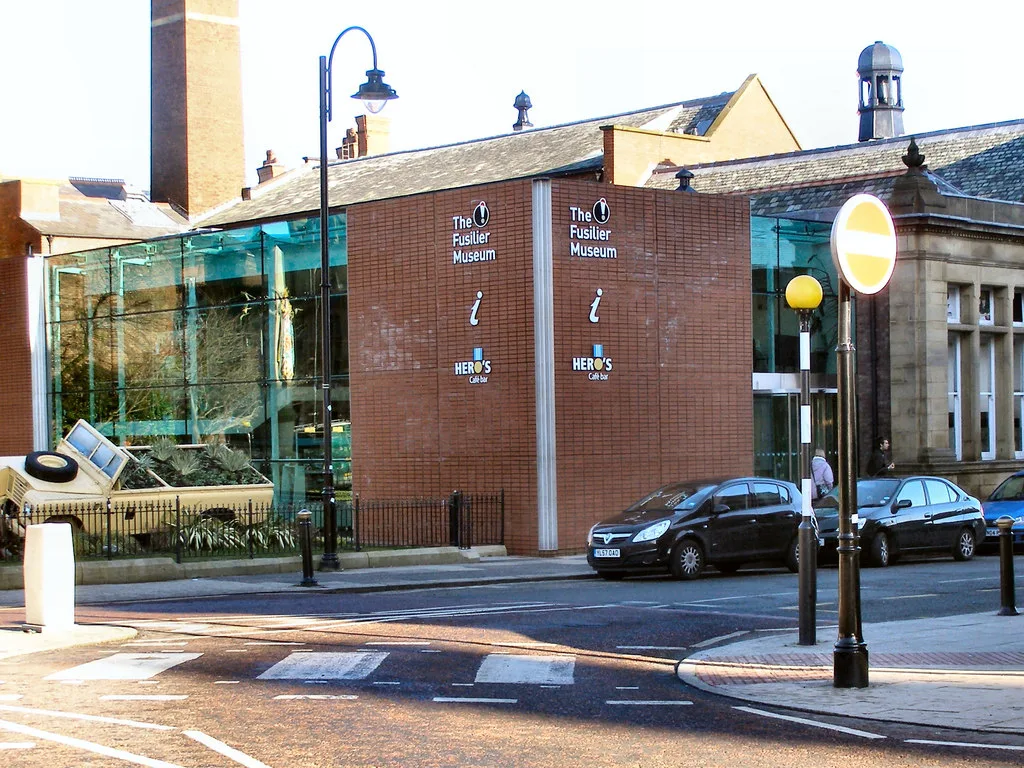
The Fusilier Museum
Museums · 0.0 km

Victoria Wood Statue
Memorials & monuments · 0.0 km
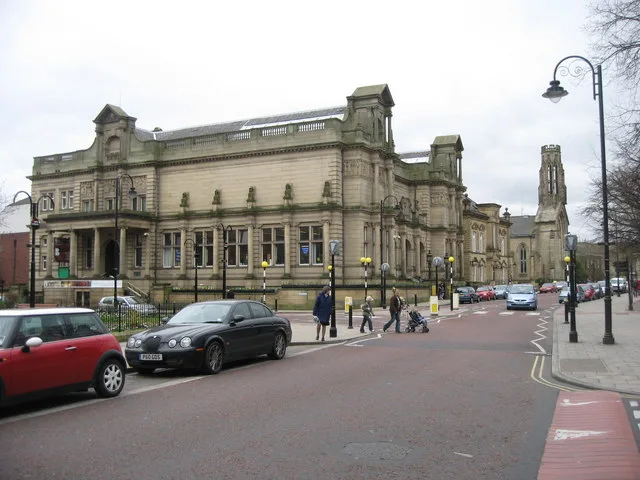
Bury Art Museum
Galleries · 0.1 km

Bury Art Museum & Sculpture Centre
Galleries · 0.1 km

Metropolitan Borough of Bury
Castles · 0.1 km

Art Picture House
Theatres · 0.1 km

Bury, Greater Manchester
Castles · 0.1 km

The Bank
Historic pubs · 0.1 km

Kay Monument
Memorials & monuments · 0.1 km

Derby Hall
Gardens · 0.1 km

East Lancashire Railway
Museums · 0.1 km

Old White Lion
Historic pubs · 0.2 km
Nearby
📷 4Museums · North West England
The Fusilier Museum
The Fusilier Museum — war museum in Moss Street, Bury, Lancashire, UK.
📷 3Memorials & monuments · North West England
Victoria Wood Statue
Victoria Wood Statue — a memorial in england-north-west, United Kingdom.
📷 4Galleries · North West England
Bury Art Museum
Bury Art Museum — Museum, archives, and gallery in Bury, Lancashire, England, United Kingdom.
📷 3Galleries · North West England
Bury Art Museum & Sculpture Centre
Bury Art Museum & Sculpture Centre — a gallery in england-north-west, United Kingdom.
📷 5Castles · North West England
Metropolitan Borough of Bury
The Metropolitan Borough of Bury is a metropolitan borough of Greater Manchester in England. It is north of Manchester, to the east of Bolton and west of Rochdale. The borough is centred around the to
📷 3Theatres · North West England
Art Picture House
Art Picture House in England North West, United Kingdom.
Where to eat & stay near Lancashire Fusiliers War Memorial
Places to stay
 📷 5
📷 5Campsites · North West England
Burrs Country Park Caravan Club
Burrs Country Park Caravan Club — a campsite in england north west.
 📷 5
📷 5Campsites · North West England
Ashworth Valley Scout Camp Site
Ashworth Valley Scout Camp Site — a campsite in england north west.
 📷 7
📷 7Hotels · North West England
Red Hall Hotel
Red Hall Hotel — a hotel in england north west.
 📷 5
📷 5Caravan parks · North West England
Gelder Clough
Gelder Clough — a caravan park in england north west.
 📷 5
📷 5Campsites · North West England
Giants Seat Scout and Community Campsite
Giants Seat Scout and Community Campsite — a campsite in england north west.
 📷 5
📷 5Caravan parks · North West England
Crompton Lodge Caravan Park
Crompton Lodge Caravan Park — a caravan park in england north west.
Places to eat & drink
📷 5📷 7Historic pubs · North West England
Old White Lion
Old White Lion in England North West, United Kingdom.
 📷 5
📷 5 📷 7
📷 7Historic pubs · North West England
Shoulder of Mutton
Shoulder of Mutton in England North West, United Kingdom.
 📷 5
📷 5Historic pubs · North West England
Church Inn
Church Inn in England North West, United Kingdom.
 📷 5
📷 5Historic pubs · North West England
Ye Olde Boars Head Public House
Ye Olde Boars Head Public House in England North West, United Kingdom.
More memorials in this region
 📷 3
📷 3Memorials & monuments · North West England
3rd Duke of Bridgewater's monument
3rd Duke of Bridgewater's monument — Monument, dating to 1905.
 📷 3
📷 3Memorials & monuments · North West England
Airborne Forces Memorial
Airborne Forces Memorial is a memorial in the United Kingdom.
 📷 4
📷 4Memorials & monuments · North West England
Albert Memorial
Albert Memorial — Monument, dating to 1869.
 📷 3
📷 3Memorials & monuments · North West England
Armada Beacon
Armada Beacon is a memorial in the United Kingdom.
Frequently asked questions
- Where is Lancashire Fusiliers War Memorial?
- Lancashire Fusiliers War Memorial is in North-West England, United Kingdom (postcode BL9 0DH), in the parish of Bury, unparished area.
- What is Lancashire Fusiliers War Memorial?
- Lancashire Fusiliers War Memorial is a memorial in the United Kingdom.
- How do I get to Lancashire Fusiliers War Memorial?
- The nearest railway station is Bury, Bolton Street, about 0.1 km away. The nearest town is Holcombe. Drivers can use postcode BL9 0DH.
- Is Lancashire Fusiliers War Memorial a listed building?
- Lancashire Fusiliers War Memorial is officially recognised as Grade II* listed building listed.
- Is Lancashire Fusiliers War Memorial free to visit?
- Yes, Lancashire Fusiliers War Memorial is free to enter.
- How do I get to Lancashire Fusiliers War Memorial?
- The nearest railway station is Bury, Bolton Street, about 0.1 km away. Drivers can navigate to postcode BL9 0DH.