
Abbeys & priories · South West England
Lacock Abbey
In or near Lacock.
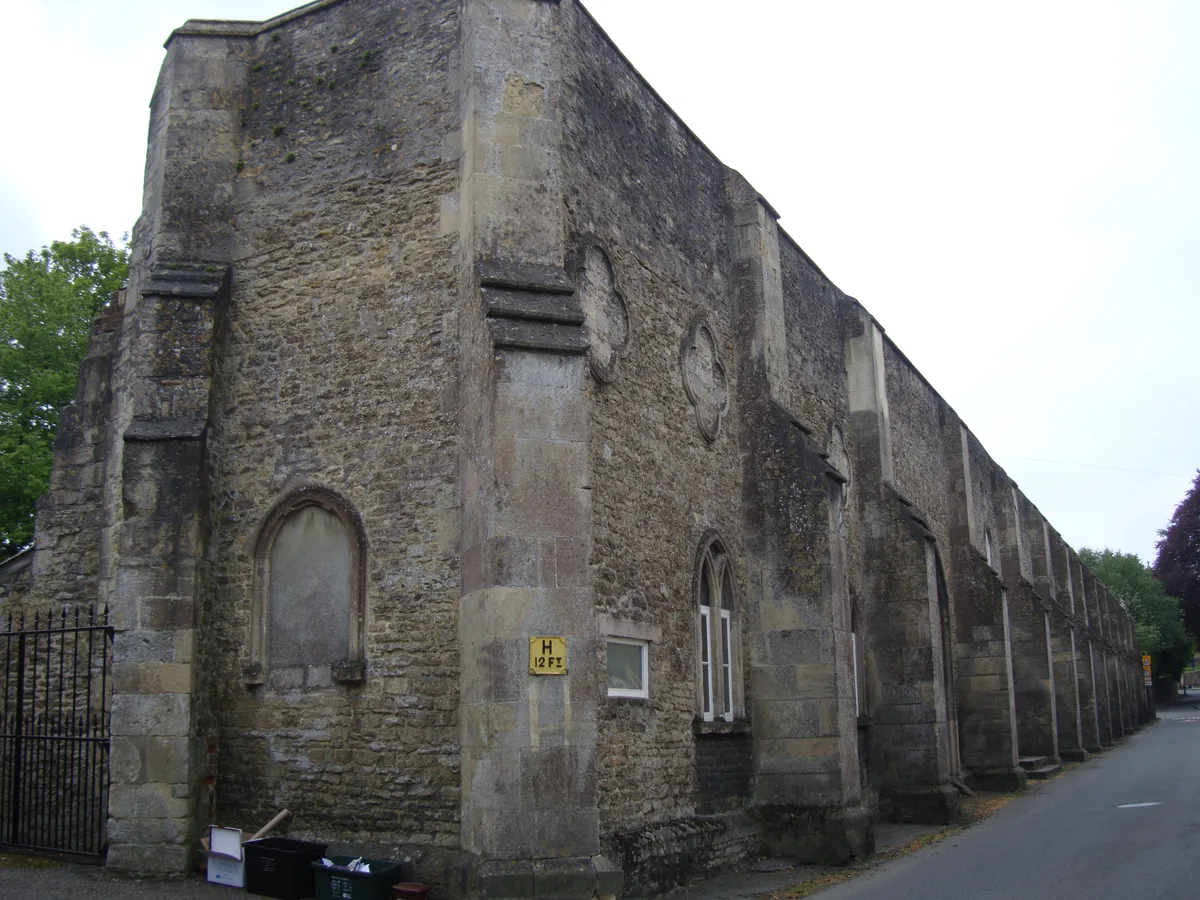
Lacock Abbey — abbey in Wiltshire, England, UK.

Wikimedia Commons contributors — see linked file page for photographer and licence licence

Plan your visit
- Typical visit
- 45 min–1.5 h
- Nearest railway station
- Melksham · 4.3 km
- Paid entry
- Family-friendly
- Limited wheelchair access
Getting there & planning your visit
To visit Lacock Abbey, the nearest railway station is Melksham, located 4.3 km away. Admission is paid, and accessibility is limited for wheelchair users. The postcode for sat-nav is SN15 2LG.
About
Lacock Abbey is an abbey, priory, or monastic site in the United Kingdom. Records date its origin to 1201. Built in the Gothic Revival style. Heritage designation: Grade I listed building. Affiliated with Catholicism. Managed by National Trust. Part of National Trust. Address: SN15 2LG. Wikidata describes it as: "abbey in Wiltshire, England, UK". Coordinates: 51.4147°, -2.1172°.
Photo gallery
Heritage listing
Lacock Abbey is a country house in the village of Lacock, Wiltshire, England. There was an abbey of nuns on the site until 1539, and the house is a remodelling and extension of the abbey's cloister court. The Grade I listed building is owned by the National Trust and is notable as the site of Henry Fox Talbot's pioneering work in photography in the 1830s. The religious institution was founded in the early 13th century by Ela, Countess of Salisbury, as a nunnery of the Augustinian order. The abbey remained a nunnery until the dissolution of the monasteries in the 16th century; the property was then sold to Sir William Sharington who converted the convent into a residence where he and his family lived.
From the Historic England List Entry under OGL v3.
Summary from the official site
Lacock Abbey is a historic country house with monastic origins, featuring original medieval cloisters and gardens. It also houses the Fox Talbot Museum, which explores the history of photography and its connection to the site. Visitors can enjoy the picturesque village of Lacock, which has remained largely unchanged for over 200 years.
Read more on the official property page.
Protected designations
- Area of Outstanding Natural Beauty: Cotswolds
Designations sourced from Natural England open data under OGL v3.
From the Wikipedia article
Lacock Abbey is a country house in the village of Lacock, Wiltshire, England. There was an abbey of nuns on the site until 1539, and the house is a remodelling and extension of the abbey's cloister court. The Grade I listed building is owned by the National Trust and is notable as the site of Henry Fox Talbot's pioneering work in photography in the 1830s. The religious institution was founded in the early 13th century by Ela, Countess of Salisbury, as a nunnery of the Augustinian order. The abbey remained a nunnery until the dissolution of the monasteries in the 16th century; the property was then sold to Sir William Sharington who converted the convent into a residence where he and his family lived. It was fortified and remained loyal to the crown during the English Civil War, but surrendered to the Parliamentary forces once Devizes had fallen in 1645. The house was built over the old cloisters and its main rooms are on the first floor. It is a stone house with stone slated roofs, twisted chimney stacks and mullioned windows. Throughout the life of the building, many architectural alterations, additions, and renovations have occurred so that the house is a mish-mash of periods and styles. The Tudor stable courtyard to the north of the house has retained many of its original features including a brewhouse and bakehouse. The house later passed into the hands of the Talbot family, and in 1835 Henry Fox Talbot made what may be the earliest surviving photographic camera negative, an image of one of the windows. In 1944, Matilda Theresa Talbot gave the house and the surrounding village of Lacock to the National Trust. The abbey houses the Fox Talbot Museum.
Excerpt from Wikipedia under CC BY-SA 4.0. See the source article linked in Sources below.
Background
History
Lacock Abbey, dedicated to St Mary and St Bernard, was founded in 1232 by Ela, Countess of Salisbury, widow of William Longespee, an illegitimate son of Henry II. Ela laid the abbey's first stone in Snail's Meadow, near the village of Lacock on 16 April 1232. The first of the Augustinian nuns were veiled in 1232, and Ela joined the community in 1238. survives unaltered.]] Lacock Abbey prospered throughout the Middle Ages. The rich farmlands which it had received from Ela ensured it a sizeable income from wool. Following the dissolution of the monasteries in the mid-16th century, Henry VIII sold the abbey to Sir William Sharington for £783. He demolished the abbey church, using the stone to…
Architecture
in 1835. Shown here in positive form, this may be the oldest extant photographic negative made in a camera.]] When Sir William Sharington purchased the remains of the Augustinian nunnery in 1540, after the dissolution, he built a country house on the cloister court. He retained the cloisters and the medieval basement largely unaltered and built another storey above, so that the main rooms are on the first floor. The house is constructed of ashlar and rubble stone, the roofs are of stone slates and there are many twisted, sixteenth century chimney stacks. The house is a blend of different styles but lacks a cohesive plan; the four wings of the house are built above the cloister passages, but…
Visiting
Lacock Abbey is the property of the National Trust, to which it was given in 1944 by Matilda Gilchrist-Clark, who had inherited the estate from her uncle Charles Henry Fox Talbot in 1916. The house, together with the stable yard, is Grade I listed. The Fox Talbot Museum forms part of the ground floor. It celebrates the life of William Henry Fox Talbot, and his contributions to photography, and includes exhibits on the man himself, the chemical processes involved in obtaining images and the early history of photography. Exhibitions showing the works of various photographers are sometimes held in a gallery on the first floor. The Fenton Collection, an historic photographic collection, was…
Sourced from Wikipedia under CC BY-SA 4.0.
- Coordinates
- 51.4147, -2.1172
- District
- Wiltshire
- Parish
- Lacock
- Postcode
- SN15 2LG
- Parliamentary constituency
- Chippenham
- Established
- 1201
- Nearest railway station
- Melksham — 4.3 km
- Opening
- Daily 10am–5pm; last entry to Abbey rooms 3:45pm; closed 24–26 Dec
- Official site
- www.nationaltrust.org.uk
Sources
- wikidata: Q1148460 (CC0)
- wikipedia: Lacock Abbey (CC BY-SA 4.0)
- commons: Lacock Abbey view from south.jpg (CC BY-SA 4.0)
Other places nearby

Lacock Abbey
Cathedrals · 0.0 km
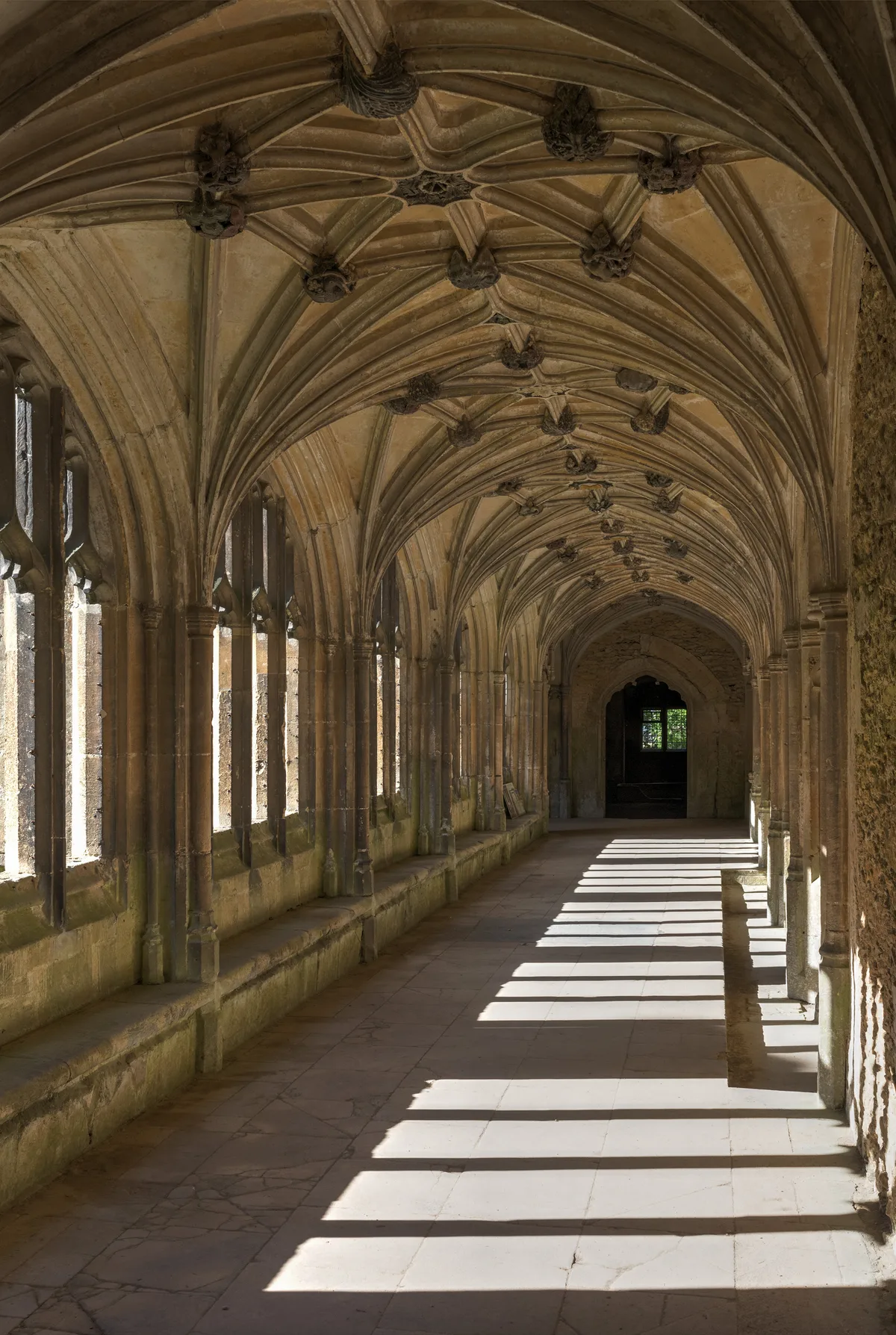
Lacock Abbey monastery
Abbeys & priories · 0.0 km

Cloister
Natural landmarks · 0.0 km

The Columns, North Of Drive To Lacock Abbey
Memorials & monuments · 0.1 km

Fox Talbot Museum
Museums · 0.2 km

Three Monuments In Churchyard About 25 Metres South Of Chancel Of Church Of St Cyriac
Memorials & monuments · 0.3 km

Lacock
Towns & cities · 0.3 km

Feilding Monument In Churchyard East Of Chancel Of Church Of St Cyriac
Memorials & monuments · 0.3 km

Harry Potter's Parents House
Historic houses · 0.3 km

Five Monuments Scattered In South West Angle Of Churchyard Of Church Of St Cyriac
Memorials & monuments · 0.3 km
St Cyriac's Church, Lacock
Historic churches · 0.3 km

Tythe Barn
Natural landmarks · 0.3 km
Nearby
📷 4Cathedrals · South West England
Lacock Abbey
Lacock Abbey is a cathedral in the United Kingdom.
Flagship📷 5Abbeys & priories · South West England
Lacock Abbey monastery
Lacock Abbey monastery — monastery founded at Lacock, in the county of Wiltshire in England.
📷 5Natural landmarks · South West England
Cloister
Cloister — a other in england-south-east, United Kingdom.
📷 5Memorials & monuments · South West England
The Columns, North Of Drive To Lacock Abbey
The Columns, North Of Drive To Lacock Abbey — Grade II listed building-listed memorial in england-south-east, United Kingdom.
📷 5Museums · South West England
Fox Talbot Museum
Fox Talbot Museum — a museum in england-south-east, United Kingdom.
📷 5Memorials & monuments · South West England
Three Monuments In Churchyard About 25 Metres South Of Chancel Of Church Of St Cyriac
Three Monuments In Churchyard About 25 Metres South Of Chancel Of Church Of St Cyriac — Grade II listed building-listed memorial in england-south-east, United Kingdom.
Where to eat & stay near Lacock Abbey
Places to stay
 📷 5
📷 5Hotels · South West England
At the Sign of the Angel
At the Sign of the Angel — a hotel in england south east.
 📷 5
📷 5Campsites · South West England
Piccadilly Caravan Park
Piccadilly Caravan Park — a campsite in england south east.
 📷 7
📷 7 📷 5
📷 5Hotels · South West England
The Angel
The Angel — a hotel in england south east.
 📷 7
📷 7Hotels · South West England
Methuen Arms
Methuen Arms — a hotel in england south east.
 📷 5
📷 5Campsites · South West England
The Three Magpies
The Three Magpies — a campsite in england south east.
Places to eat & drink
 📷 7
📷 7Historic pubs · South West England
The Pheasant Public House
The Pheasant Public House in England South West, United Kingdom.
 📷 7
📷 7Historic pubs · South West England
The Pack Horse And Attached Stable Block
The Pack Horse And Attached Stable Block in England South West, United Kingdom.
 📷 5
📷 5Historic pubs · South West England
The Three Crowns Public House
The Three Crowns Public House in England South West, United Kingdom.
 📷 5
📷 5Historic pubs · South West England
Old Road Tavern
Old Road Tavern in England South West, United Kingdom.
 📷 7
📷 7Historic pubs · South West England
The Cross Keys Inn
The Cross Keys Inn in England South West, United Kingdom.
 📷 5
📷 5Historic pubs · South West England
The Hare And Hounds
The Hare And Hounds in England South West, United Kingdom.
More places run by National Trust
 Flagship📷 10
Parks · London
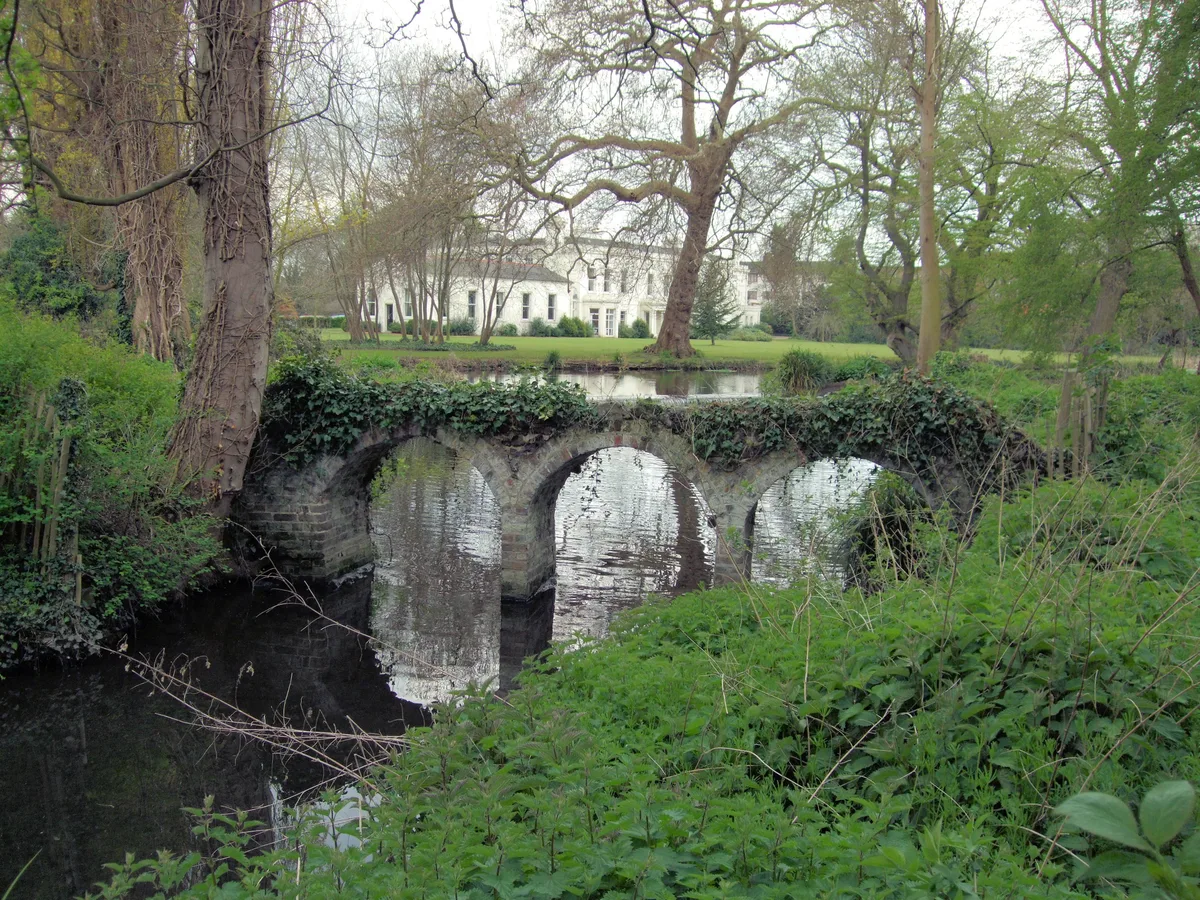
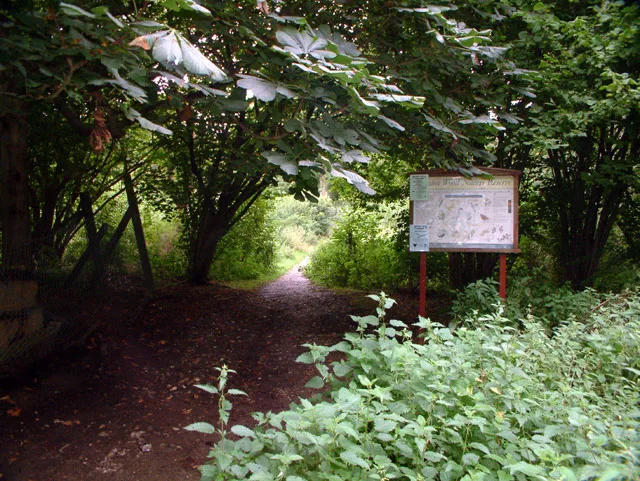
Morden Hall Park
Morden Hall Park — park in Morden, London.
 Flagship📷 10
 📷 5
📷 5Gardens · London
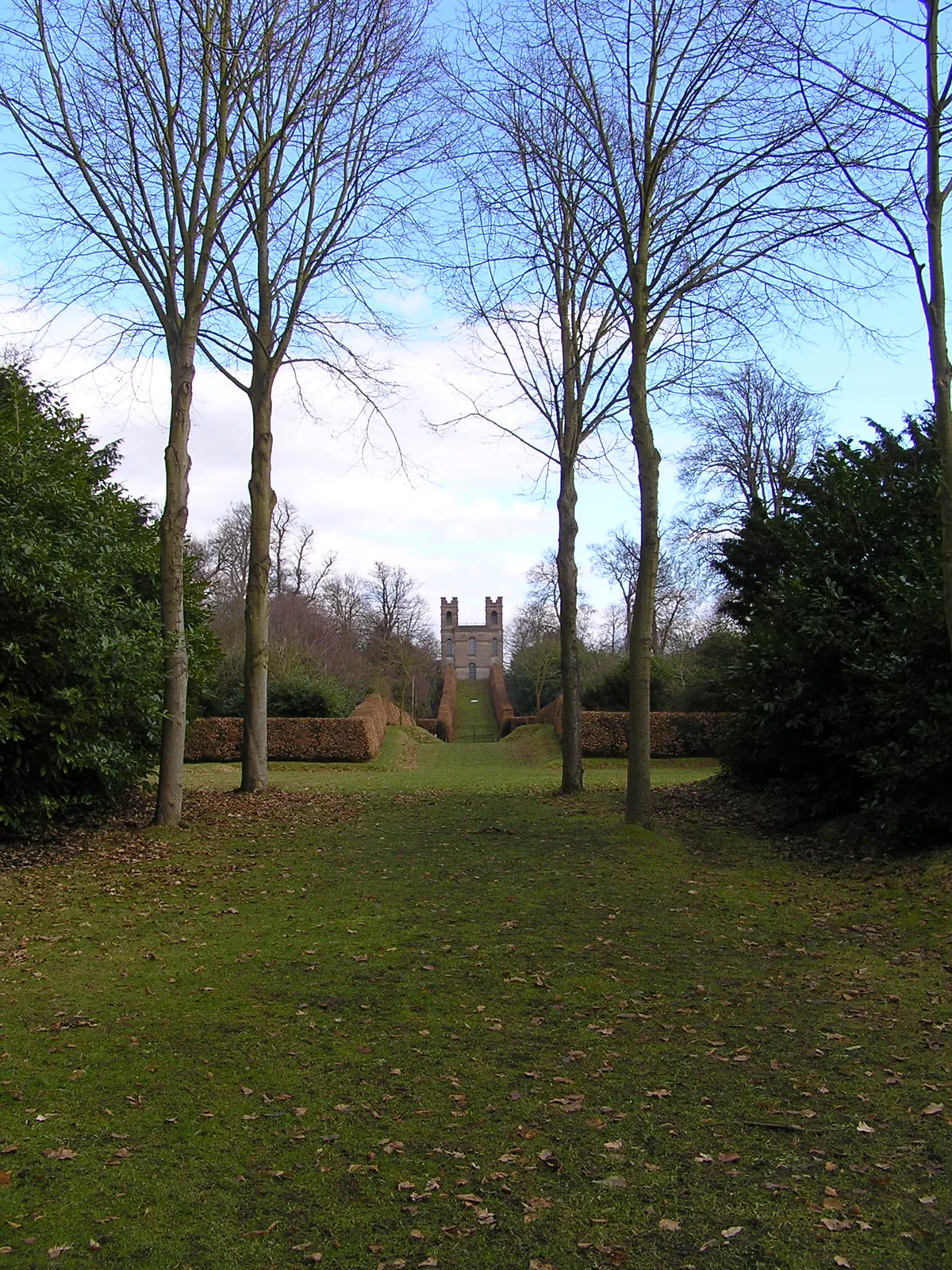
Claremont Landscape Garden
Claremont Landscape Garden — historic garden in Surrey, England, UK.
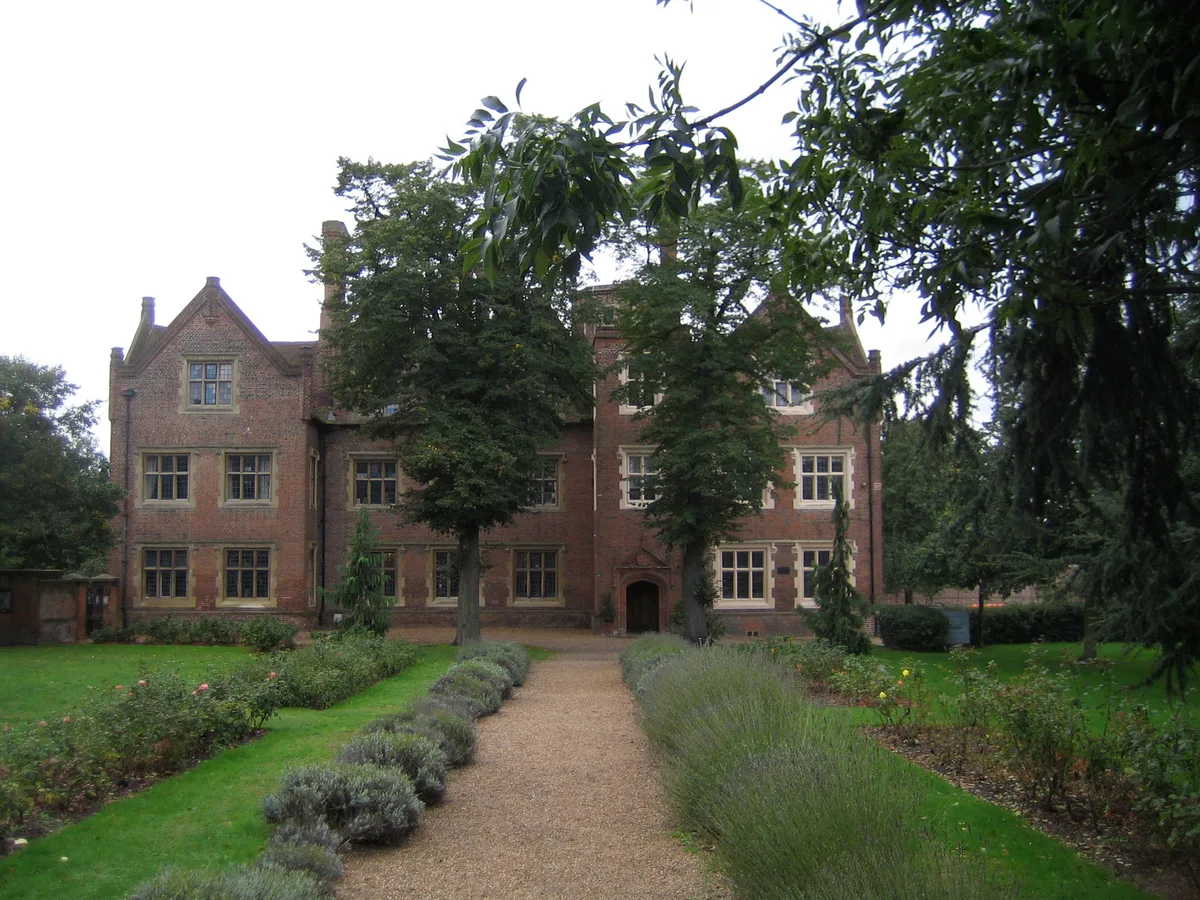 📷 5
📷 5Stately homes · London
Eastbury Manor House
Eastbury Manor House — Grade I listed historic house museum in London Borough of Barking and Dagenham, United Kingdom.
Other abbeys from this era
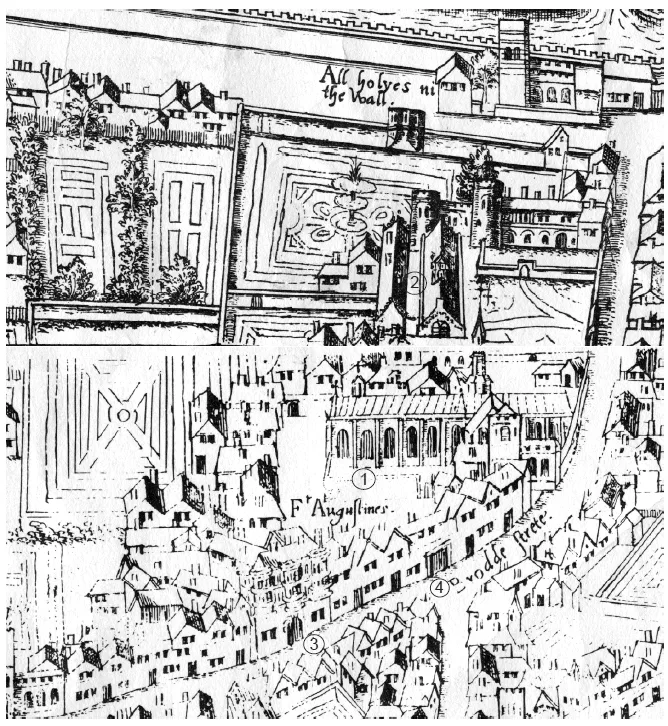 📷 5
📷 5 📷 5
📷 5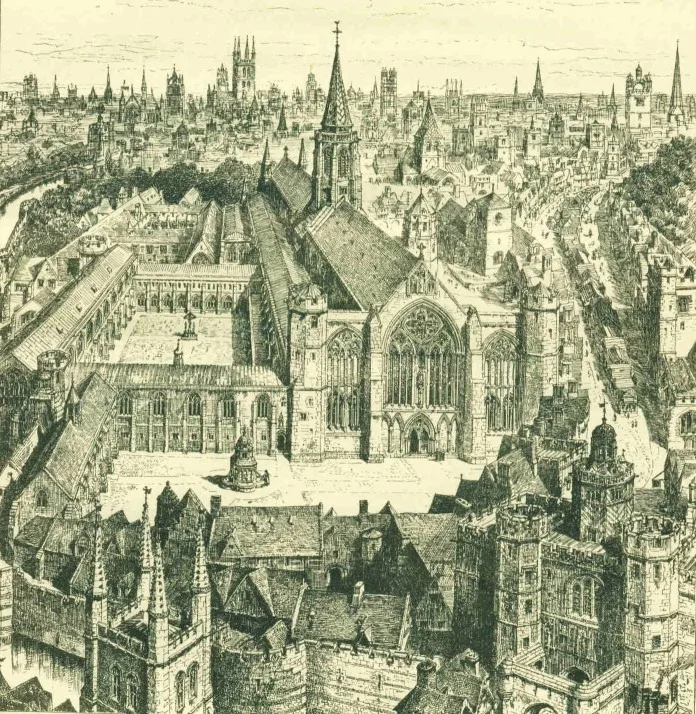 📷 5
📷 5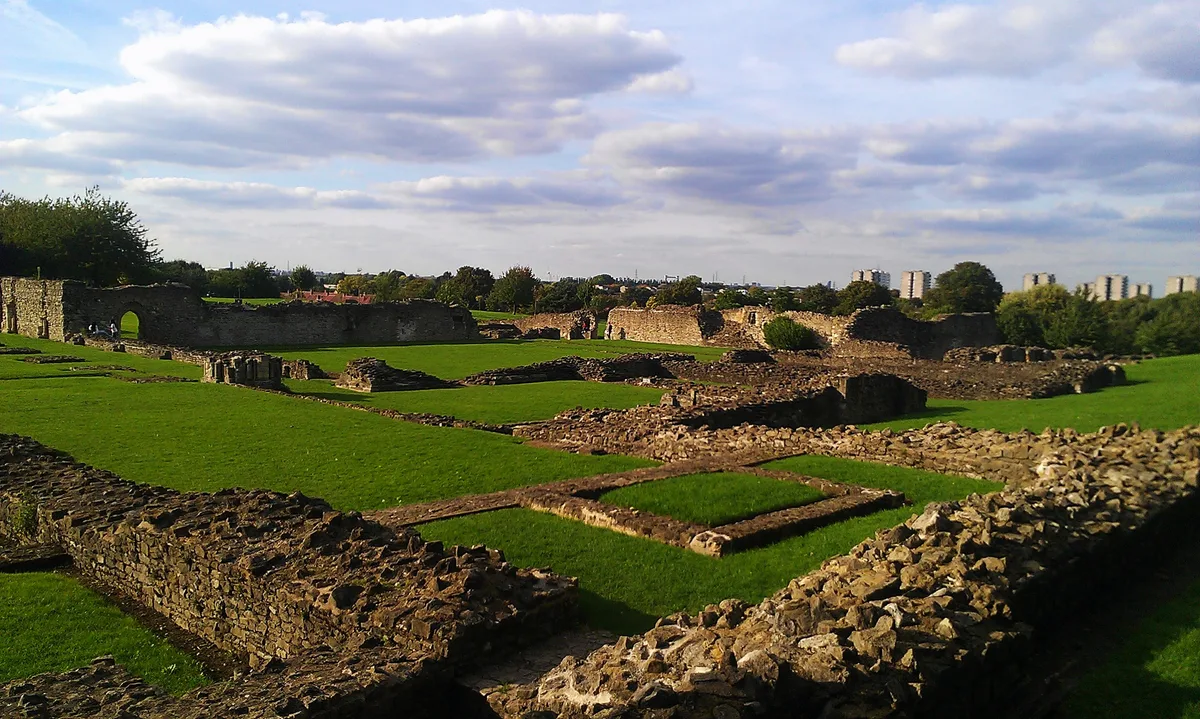 📷 5
📷 5Abbeys & priories · London
Lesnes Abbey
Lesnes Abbey — former abbey, now ruined, in Abbey Wood, London Borough of Bexley, England, UK.
More abbeys in this region
 ★ Iconic📷 5
Abbeys & priories · South West England
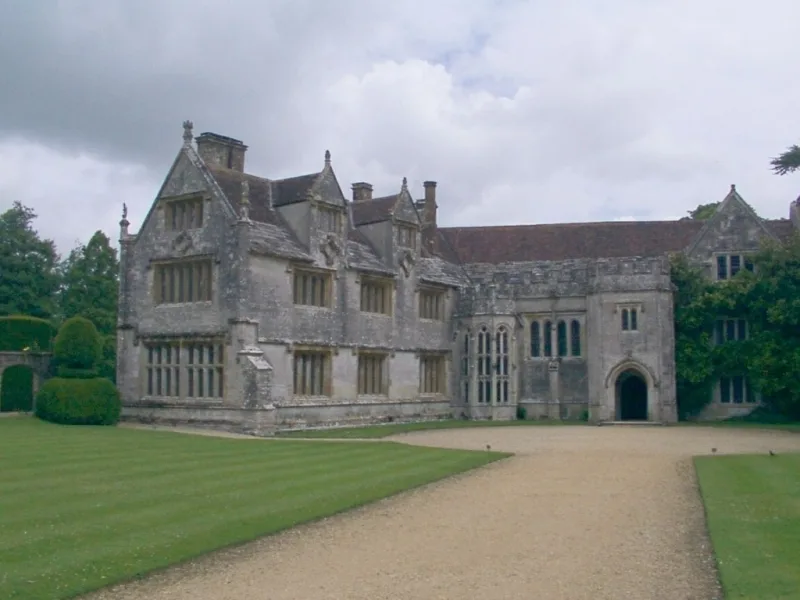
Athelhampton Hall
Athelhampton Hall — Grade I listed country house in Athelhampton, Dorset, England, UK.
 ★ Iconic📷 5
Abbeys & priories · South West England
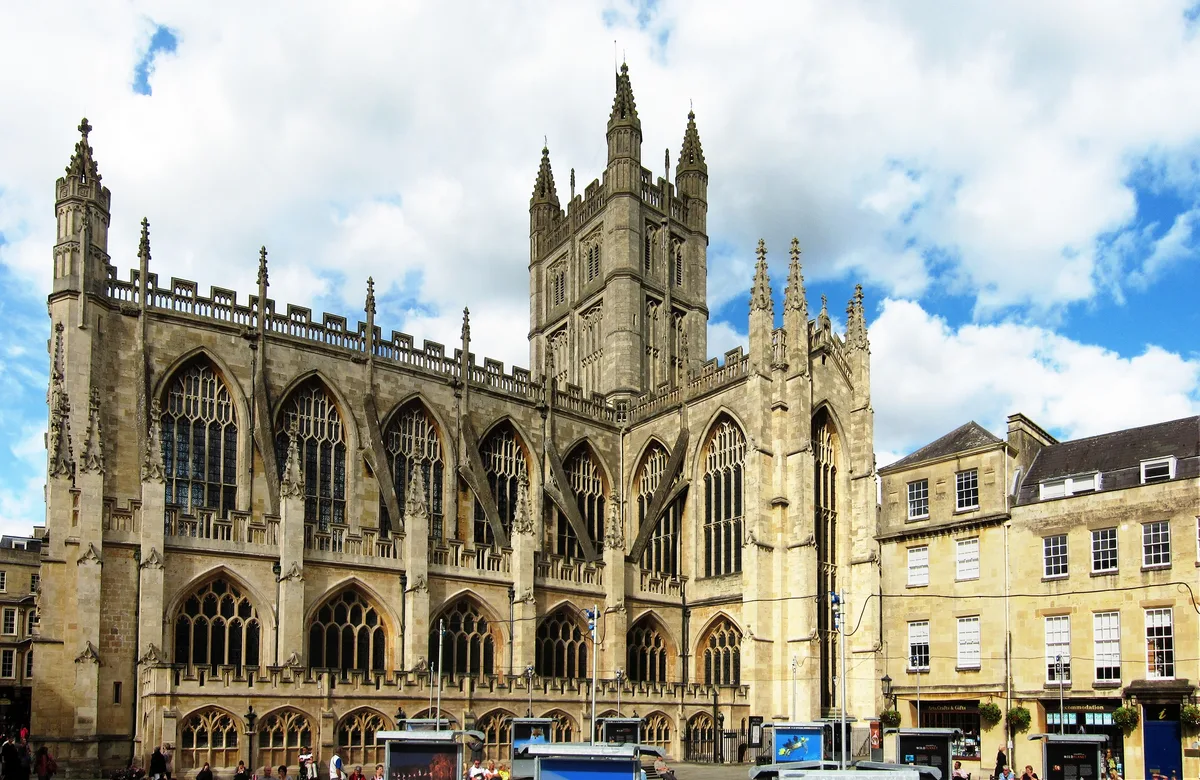
Bath Abbey
Bath Abbey — church building in Bath, Somerset, England, UK.
 📷 5
📷 5Abbeys & priories · South West England
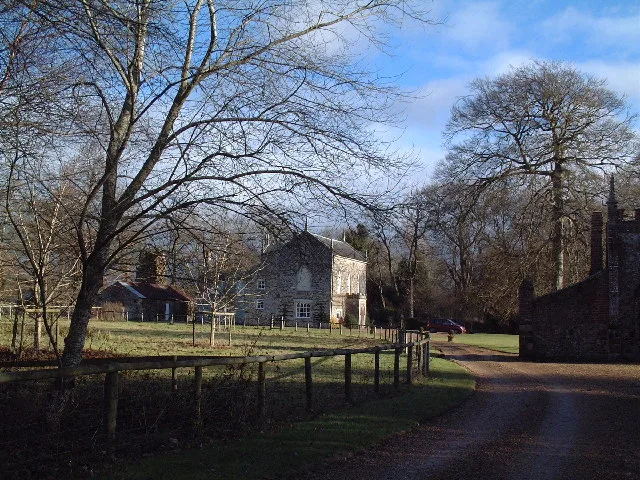
Bindon Abbey
Bindon Abbey — monastery in Wool, Dorset, England, UK.
 📷 5
📷 5Abbeys & priories · South West England
Bruton Abbey
Bruton Abbey — abbey in Bruton, Somerset, England.
Frequently asked questions
- Where is Lacock Abbey?
- Lacock Abbey is in South-West England, United Kingdom (postcode SN15 2LG), in the parish of Lacock.
- What is Lacock Abbey?
- Lacock Abbey — abbey in Wiltshire, England, UK.
- How do I get to Lacock Abbey?
- The nearest railway station is Melksham, about 4.3 km away. The nearest town is Lacock. Drivers can use postcode SN15 2LG.
- When was Lacock Abbey built?
- Built or established in 1201.
- Who runs Lacock Abbey?
- Lacock Abbey is operated by National Trust.
- Is Lacock Abbey a listed building?
- Lacock Abbey is officially recognised as Grade I listed building listed.
- Is Lacock Abbey a protected site?
- Yes — Lacock Abbey is part of the Cotswolds National Landscape (AONB).
- How do I get to Lacock Abbey?
- The nearest railway station is Melksham, about 4.3 km away. Drivers can navigate to postcode SN15 2LG.