
Abbeys & priories · South West England
Bath Abbey
In or near Bathford.
Bath Abbey — church building in Bath, Somerset, England, UK.

Wikimedia Commons contributors — see linked file page for photographer and licence licence

Plan your visit
- Typical visit
- 45 min–1.5 h
- Nearest railway station
- Bath Spa · 0.4 km
- Family-friendly
- Wheelchair accessible
Getting there & planning your visit
To visit Bath Abbey, the nearest railway station is Bath Spa, which is 0.4 km away. Entry is paid, and the site is wheelchair accessible. The postcode for sat-nav is BA1 1LT.
About
Bath Abbey is an abbey, priory, or monastic site in the United Kingdom. Records date its origin to 1572. Built in the Gothic architecture style. Heritage designation: Grade I listed building. Affiliated with Anglicanism. Address: BA1 1LT. Wikidata describes it as: "church building in Bath, Somerset, England, UK". Coordinates: 51.3814°, -2.3589°.
Photo gallery
Heritage listing
The Abbey Church of Saint Peter and Saint Paul, commonly known as Bath Abbey, is a parish church of the Church of England and former Benedictine monastery in Bath, Somerset, England. Founded in the 7th century, it was reorganised in the 10th century and rebuilt in the 12th and 16th centuries; major restoration work was carried out by Sir George Gilbert Scott in the 1860s. It is one of the largest examples of Perpendicular Gothic architecture in the West Country. The medieval abbey church served as a sometime cathedral of a bishop. After long contention between churchmen in Bath and Wells the seat of the Diocese of Bath and Wells was later consolidated at Wells Cathedral. The Benedictine community was dissolved in 1539 during the Dissolution of the Monasteries.
From the Historic England List Entry under OGL v3.
Summary from the official site
Bath Abbey is an active church located in the heart of Bath, known for its stunning architecture and rich history. Visitors can explore the Abbey, attend services, and enjoy musical performances, all while experiencing a peaceful atmosphere.
Read more on the official property page.
Protected designations
- Site of Special Scientific Interest: Combe Down and Bathampton Down Mines SSSI
- Area of Outstanding Natural Beauty: Cotswolds
Designations sourced from Natural England open data under OGL v3.
From the Wikipedia article
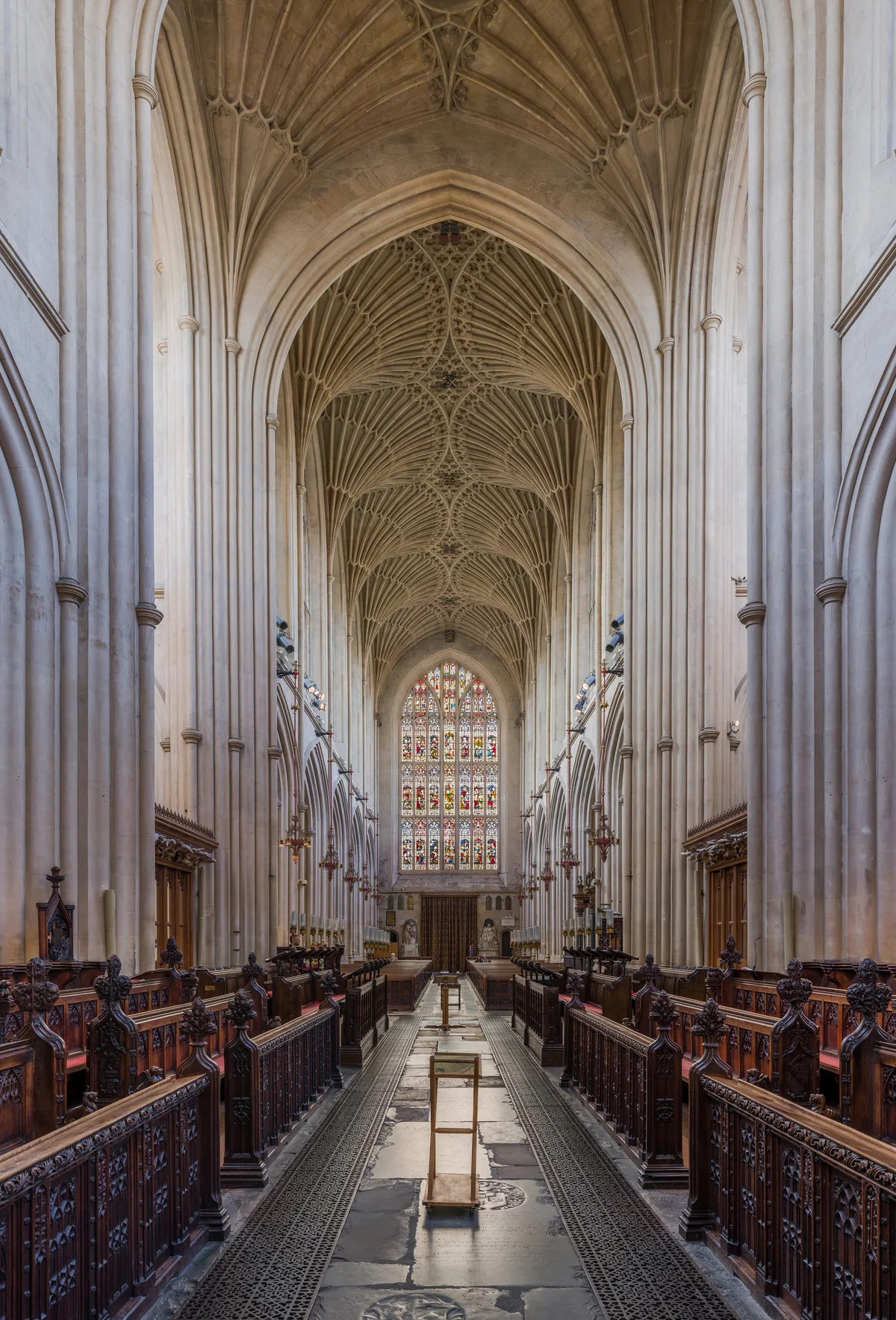
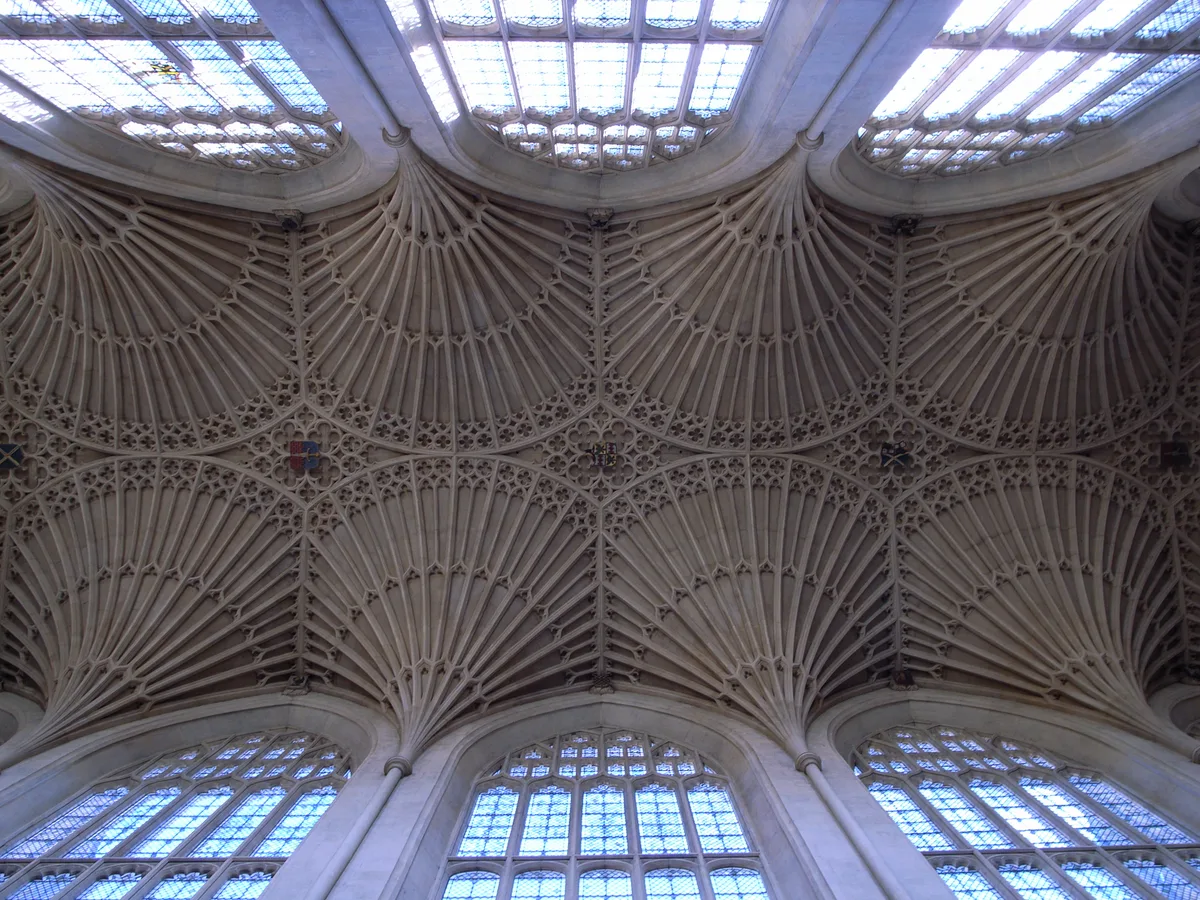
The Abbey Church of Saint Peter and Saint Paul, commonly known as Bath Abbey, is a parish church of the Church of England and former Benedictine monastery in Bath, Somerset, England. Founded in the 7th century, it was reorganised in the 10th century and rebuilt in the 12th and 16th centuries; major restoration work was carried out by Sir George Gilbert Scott in the 1860s. It is one of the largest examples of Perpendicular Gothic architecture in the West Country. The medieval abbey church served as a sometime cathedral of a bishop. After long contention between churchmen in Bath and Wells the seat of the Diocese of Bath and Wells was later consolidated at Wells Cathedral. The Benedictine community was dissolved in 1539 during the Dissolution of the Monasteries. The church architecture is cruciform in plan and can seat up to 1,200 patrons. An active place of worship, it also hosts civic ceremonies, concerts and lectures. There is a heritage museum in the cellars. The abbey is a Grade I listed building, particularly noted for its fan vaulting. It contains war memorials for the local population and monuments to several notable people, in the form of wall and floor plaques and commemorative stained glass. The church has two organs and a peal of ten bells. The west front includes sculptures of angels climbing to heaven on two stone ladders, representing Jacob's Ladder.
Excerpt from Wikipedia under CC BY-SA 4.0. See the source article linked in Sources below.
Background
History
In 675 AD, Osric, King of the Hwicce, granted the Abbess Berta or Bertana 100 hides near Bath for the establishment of a convent. This religious house became a monastery under the patronage of the Bishop of Worcester. King Offa of Mercia successfully wrested "that most famous monastery at Bath" In 944 Folcwin reformed the Abbey of Saint Bertin in France along Benedictine lines and monks who opposed the reform fled to England. King Edmund I gave them the church at Bath, which was then in royal hands. Little is known about the architecture of this first building on the site. Monasticism in England had declined by that time, but Eadwig's brother Edgar (who was crowned "King of the English" at…
Architecture
The Abbey is built of Bath stone, which gives the exterior its yellow colour, and is not a typical example of the Perpendicular form of Gothic architecture; the low aisles and nave arcades and the very tall clerestory present the opposite balance to that which was usual in perpendicular churches. As this building was to serve as a monastic church, it was built to a cruciform plan, which had become relatively rare in parish churches of the time. The interior contains fine fan vaulting by Robert and William Vertue, who designed similar vaulting for the Henry VII chapel, at Westminster Abbey. The building has 52 windows, occupying about 80% of the wall space, giving the interior an impression…
Sourced from Wikipedia under CC BY-SA 4.0.
- Coordinates
- 51.3814, -2.3589
- District
- Bath and North East Somerset
- Parish
- Bath and North East Somerset, unparished area
- Postcode
- BA1 1LT
- Parliamentary constituency
- Bath
- Established
- 1572
- Nearest railway station
- Bath Spa — 0.4 km
- Opening
- Monday to Friday 10am–5:30pm; Saturday 10am–6pm; Sunday 1pm–3:30pm; closed for services and special events.
- Official site
- www.bathabbey.org
Sources
- wikidata: Q334399 (CC0)
- wikipedia: Bath Abbey (CC BY-SA 4.0)
- commons: Bath cathedrale ext.jpg (CC BY-SA 4.0)
Featured in these 3 guides
Itinerary
Bath and the Cotswolds: a long weekend in honey-coloured stone
Roman baths, Georgian crescents, and the most picturesque villages in England.
Itinerary
A weekend in Bath
Roman baths, Georgian crescents, and Jane Austen — all in a city you can walk across in twenty minutes.
Itinerary
A weekend in Bath
Roman baths, Georgian crescents and Jane Austen — Britain's only UNESCO city.
Other places nearby
Bath Cathedral Priory
Cathedrals · 0.0 km

Rebecca Fountain
National landscapes (AONB) · 0.0 km

Resurrection of Christ
Public art & sculpture · 0.0 km

The Roman Baths
Archaeological sites · 0.0 km

General Wade's House
Historic houses · 0.0 km

Temple of Sulis Minerva
Archaeological sites · 0.0 km
Bath Abbey Heritage Vaults
Museums · 0.0 km

Mjolk
Cafés · 0.1 km

Indian Temptation
Restaurants · 0.1 km
Bath
UNESCO World Heritage · 0.1 km

The Mad Hatter's Tea Party
Cafés · 0.1 km
Roman Baths
Museums · 0.1 km
Nearby
📷 5Cathedrals · South West England
Bath Cathedral Priory
Bath Cathedral Priory is a cathedral in the United Kingdom.
📷 5National landscapes (AONB) · South West England
Rebecca Fountain
Rebecca Fountain — Public artwork (statue) by Rushton Walker.
📷 5Public art & sculpture · South West England
Resurrection of Christ
Resurrection of Christ — a public art in england-south-east, United Kingdom.
★ Iconic📷 5Archaeological sites · South West England
The Roman Baths
Britain's best-preserved Roman bathing complex.
📷 5Historic houses · South West England
General Wade's House
General Wade's House — Grade I listed house in Bath and North East Somerset, England, UK.
📷 5Archaeological sites · South West England
Temple of Sulis Minerva
Temple of Sulis Minerva — a archaeological in england-south-east, United Kingdom.
Where to eat & stay near Bath Abbey
Places to stay
 📷 6
📷 6 📷 5
📷 5B&Bs · South West England
eight
eight — a bed-and-breakfast in england south east.
 📷 7
📷 7 📷 5
📷 5Hostels · South West England
Bath Backpackers
Bath Backpackers — a hostel in england south east.
 📷 5
📷 5Hotels · South West England
The Gainsborough Bath Spa
The Gainsborough Bath Spa — a hotel in england south east.
 📷 7
📷 7Places to eat & drink
📷 5📷 5Restaurants · South West England
Indian Temptation
Indian Temptation — a restaurant in england south east.
📷 7Cafés · South West England
The Mad Hatter's Tea Party
The Mad Hatter's Tea Party — a café in england south east.
📷 5 📷 5
📷 5Restaurants · South West England
Brown's
Brown's — a restaurant in england south east.
 📷 5
📷 5Cafés · South West England
Cafe Pastel
Cafe Pastel — a café in england south east.
Other abbeys from this era
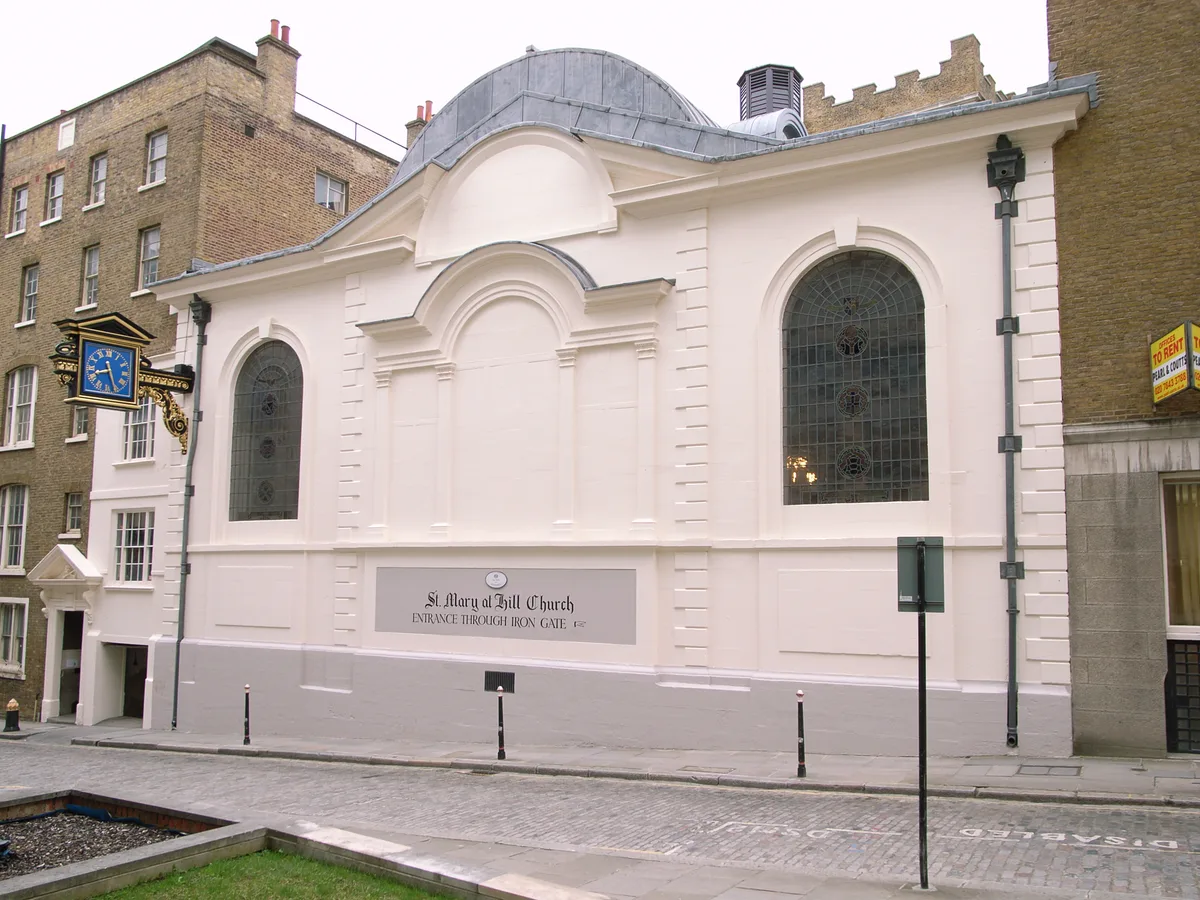 ★ Iconic📷 5
Abbeys & priories · London
St Mary-at-Hill
St Mary-at-Hill — Anglican parish church in the Ward of Billingsgate, City of London.
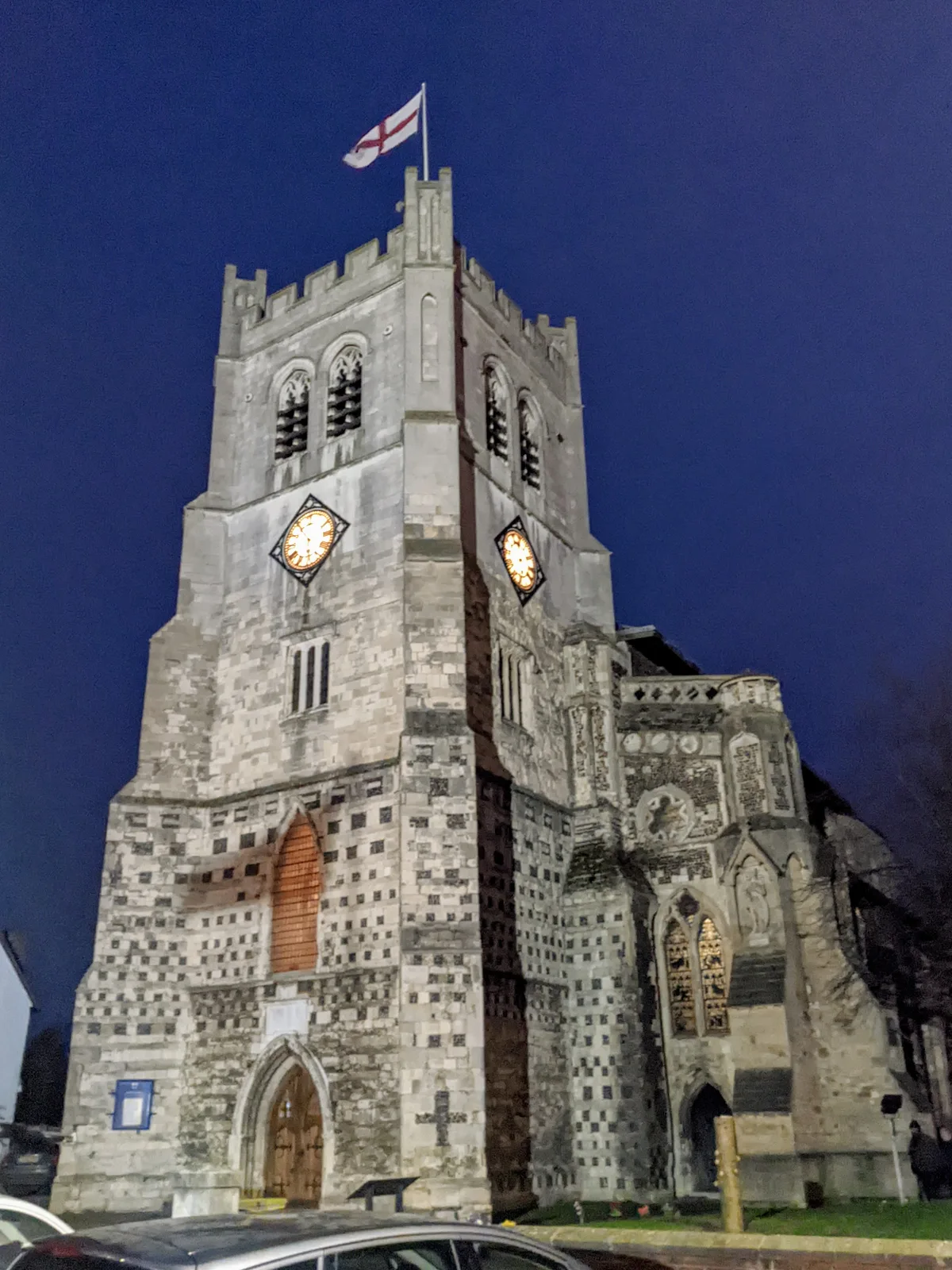 ★ Iconic📷 5
Abbeys & priories · London
Waltham Abbey Church
Waltham Abbey Church — church in Waltham Abbey, Essex, England, UK.
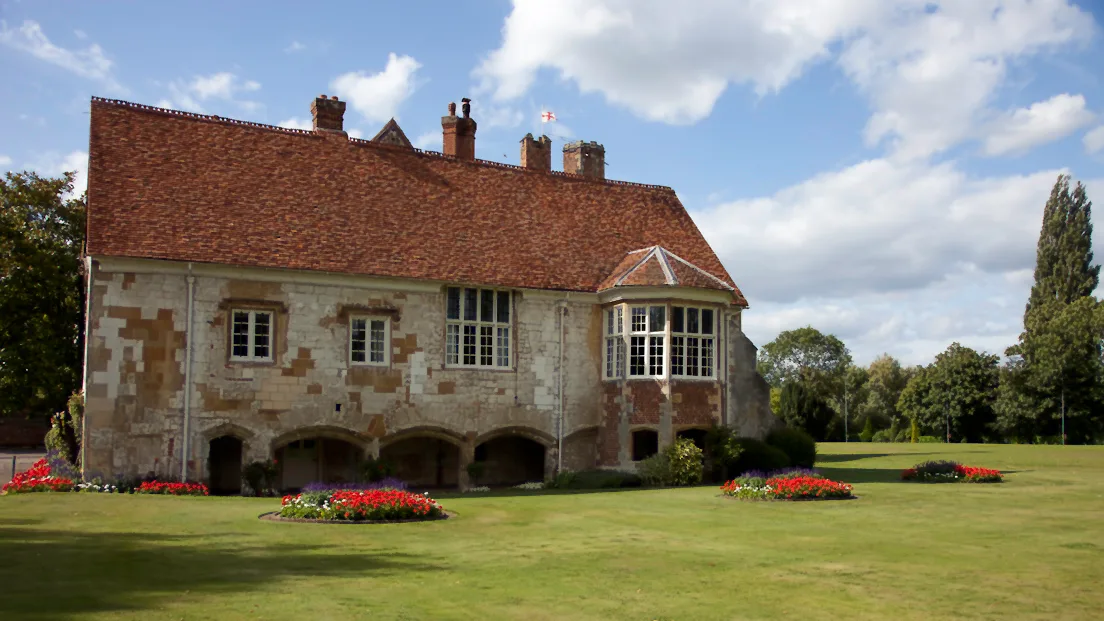 📷 5
📷 5Abbeys & priories · South East England
Bisham Abbey
Bisham Abbey — monastic and manorial complex.
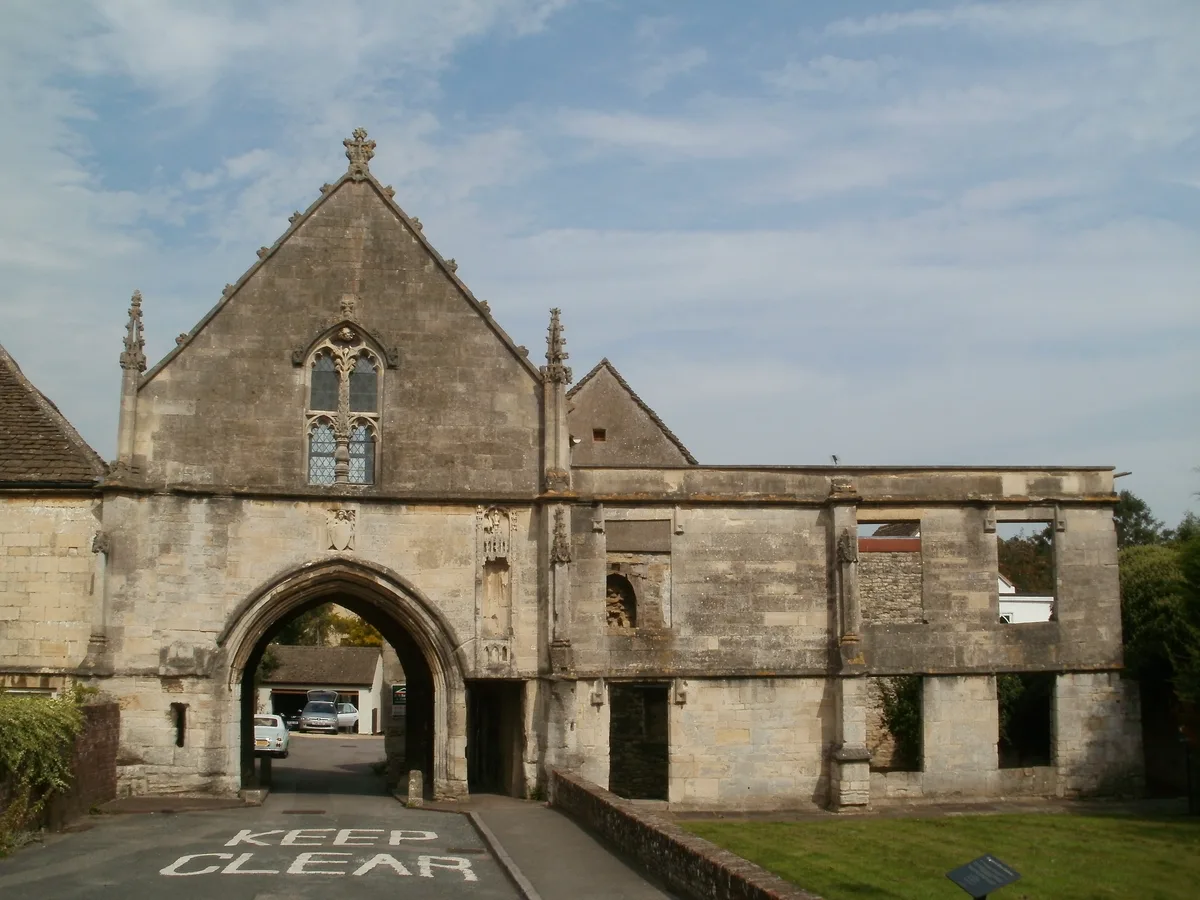 Flagship📷 5
Abbeys & priories · South West England
Kingswood Abbey
Kingswood Abbey — former monastery in Gloucestershire, UK.
More abbeys in this region
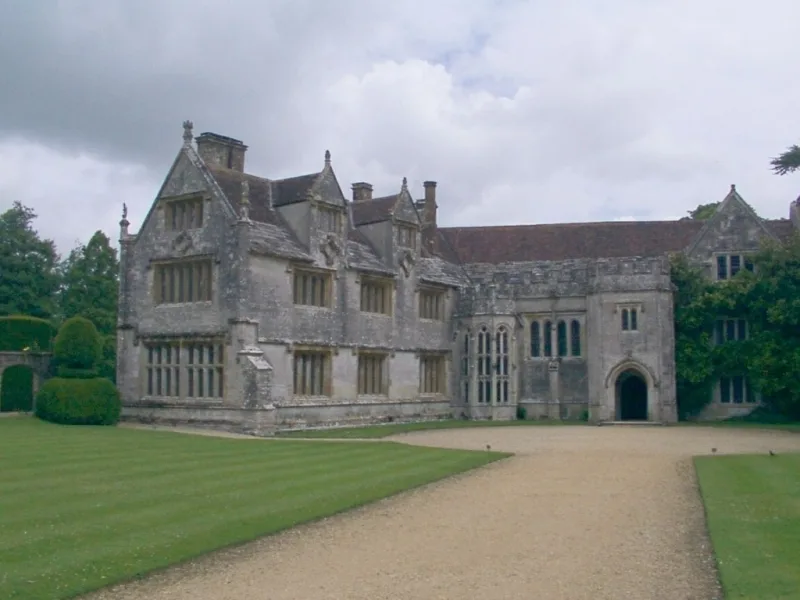 ★ Iconic📷 5
Abbeys & priories · South West England
Athelhampton Hall
Athelhampton Hall — Grade I listed country house in Athelhampton, Dorset, England, UK.
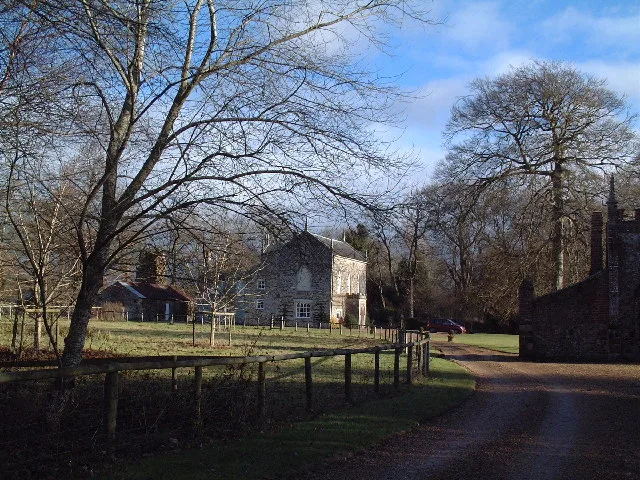 📷 5
📷 5Abbeys & priories · South West England
Bindon Abbey
Bindon Abbey — monastery in Wool, Dorset, England, UK.
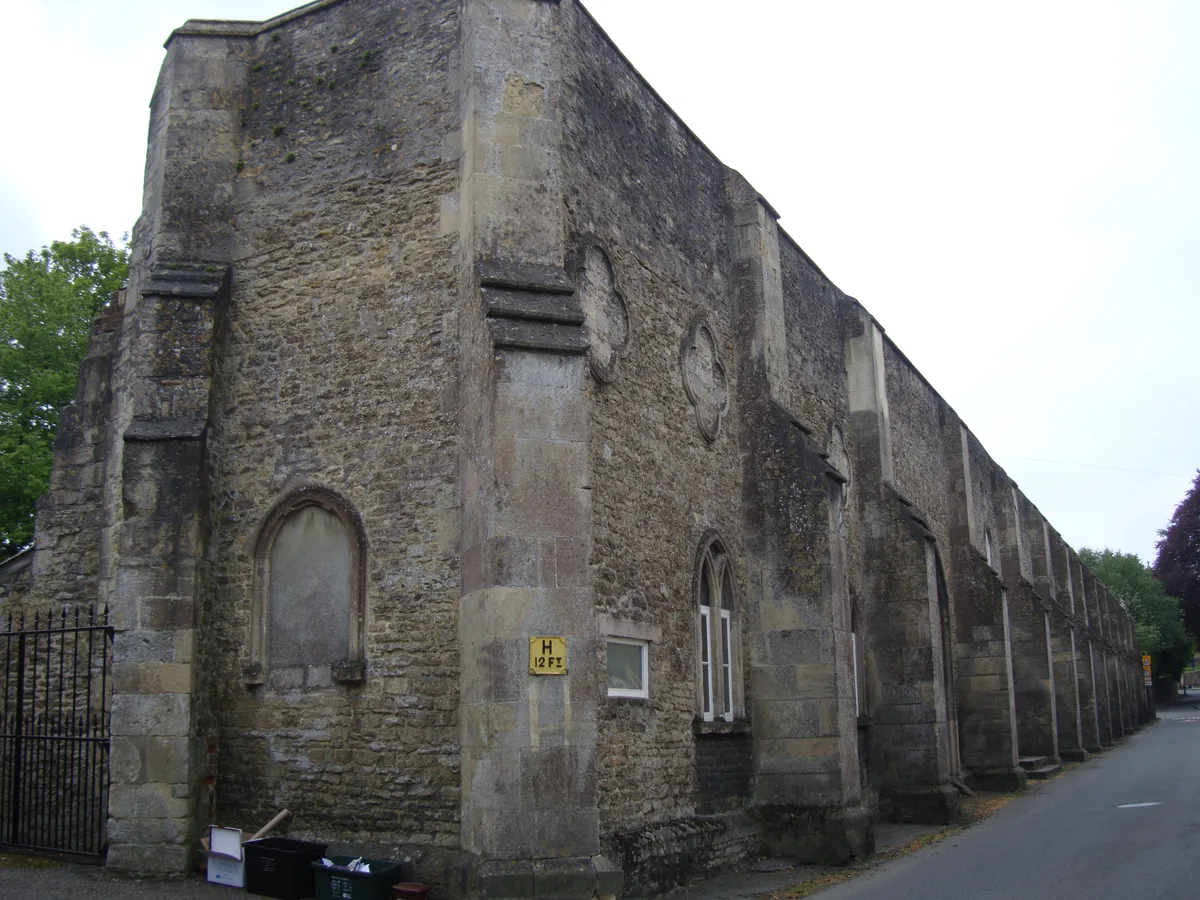 📷 5
📷 5Abbeys & priories · South West England
Bruton Abbey
Bruton Abbey — abbey in Bruton, Somerset, England.
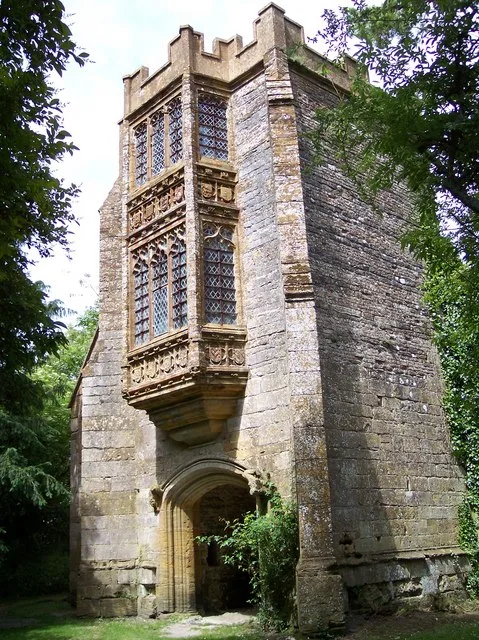 📷 5
📷 5Abbeys & priories · South West England
Cerne Abbey
Cerne Abbey — abbey in Cerne Abbas, United Kingdom.
Frequently asked questions
- Where is Bath Abbey?
- Bath Abbey is in South-West England, United Kingdom (postcode BA1 1LT), in the parish of Bath and North East Somerset, unparished area.
- What is Bath Abbey?
- Bath Abbey — church building in Bath, Somerset, England, UK.
- How do I get to Bath Abbey?
- The nearest railway station is Bath Spa, about 0.4 km away. The nearest town is Bathford. Drivers can use postcode BA1 1LT.
- When was Bath Abbey built?
- Built or established in 1572.
- Is Bath Abbey a listed building?
- Bath Abbey is officially recognised as Grade I listed building listed.
- Is Bath Abbey a protected site?
- Yes — Bath Abbey is part of the Combe Down and Bathampton Down Mines SSSI Site of Special Scientific Interest and the Cotswolds National Landscape (AONB).
- How do I get to Bath Abbey?
- The nearest railway station is Bath Spa, about 0.4 km away. Drivers can navigate to postcode BA1 1LT.