
Public art & sculpture · North East England
Italy
In or near Durham.
Italy — a public art in scotland-lowlands, United Kingdom.

Eirian Evans — CC BY-SA 2.0 via Wikimedia Commons licence

Plan your visit
- Typical visit
- 1 h–2 h
- Nearest railway station
- Durham · 1.4 km
- Free entry
- Dog-friendly
Getting there & planning your visit
To visit Italy in County Durham, the nearest railway station is Durham, located 1.4 km away. Entry is free.
About
Italy is a public art located in scotland-lowlands, United Kingdom. Sourced from OpenStreetMap (ODbL licence); see local listings for visitor information, opening hours and admission details.
Photo gallery
From the Wikipedia article
Italy, officially the Italian Republic, is a country in Southern and Western Europe. It consists of a peninsula that extends into the Mediterranean Sea, with the Alps on its northern land border, as well as nearly 800 islands, notably Sicily and Sardinia. Italy shares land borders with France to the west; Switzerland and Austria to the north; Slovenia to the east; and the two enclaves of Vatican City and San Marino. It is the tenth-largest country in Europe by area, covering 301,340 km2 (116,350 sq mi), and the third-most populous member state of the European Union, with nearly 59 million inhabitants. Italy's capital and largest city is Rome; other major cities include Milan (the largest metropolitan area in the country), Naples, Turin, Palermo, Bologna, Florence, Genoa, and Venice. The history of Italy goes back to numerous Italic peoples, notably including the ancient Romans, who conquered the Mediterranean world during the Roman Republic and ruled it for centuries during the Roman Empire. With the spread of Christianity, Rome became the seat of the Catholic Church and the Papacy. Barbarian invasions and other factors led to the decline and fall of the Western Roman Empire between late antiquity and the Early Middle Ages. By the 11th century, Italian city-states and maritime republics expanded, bringing renewed prosperity through commerce and laying the groundwork for modern capitalism. The Italian Renaissance flourished during the 15th and 16th centuries and spread to the rest of Europe. Italian explorers discovered new routes to the Far East and the New World, contributing significantly to the Age of Discovery. After centuries of political and territorial divisions, the Kingdom of Italy was established in 1861, following wars of independence and the Expedition of the Thousand. From the late 19th to the early 20th century, Italy industrialised and acquired a colonial empire, while the south remained largely impoverished, fuelling a large immigrant diaspora to the Americas. From 1915 to 1918, Italy took part in World War I with the Entente against the Central Powers. In 1922, the Italian fascist dictatorship was established. During World War II, Italy was first part of the Axis until an armistice with the Allied powers (1940–1943), then a co-belligerent of the Allies during the Italian resistance and liberation of Italy from German occupation and the collaborationist RSI (1943–1945). In 1946, the monarchy was replaced by a republic and the country made a strong recovery. A developed country with an advanced economy, Italy has the eighth-largest nominal GDP in the world, the second-largest manufacturing sector in Europe, and plays a significant role in regional and – to a lesser extent – global economic, military, cultural, and political affairs. It is a founding and leading member of the European Union, and is part of numerous other international organisations and forums. As a cultural superpower, Italy has long been a renowned global centre of art, music, literature, cuisine, fashion, science and technology, and the source of multiple inventions and discoveries. It has the highest number of World Heritage Sites (61) and is the fifth-most visited country in the world.
Excerpt from Wikipedia under CC BY-SA 4.0. See the source article linked in Sources below.
Background
Architecture
is the largest former royal residence in the world.]] Italy is known for its architectural achievements, such as the construction of arches, domes, and similar structures by ancient Rome, the founding of the Renaissance architectural movement in the late 14th to 16th centuries, and as the home of Palladianism, a style that inspired movements such as Neoclassical architecture and influenced designs of country houses all over the world, notably in the UK and US during the late 17th to early 20th centuries. The first to begin a recognised sequence of designs were the Greeks and the Etruscans, progressing to classical Roman, then the revival of the classical Roman era during the Renaissance,…
Description
troupe I Gelosi performing, by Hieronymus Francken I, ]] Italian theatre came about in the Middle Ages, with its antecedents dating back to ancient Greek colonies in southern Italy (Magna Graecia), as well as the theatre of the Italic peoples and the theatre of ancient Rome. There were two main lines along which theatre developed. The first, dramatisation of Catholic liturgies, and the second, formed by pagan forms of spectacle, such as staging for city festivals, court preparations of jesters, and songs of the troubadours. Renaissance theatre marked the beginning of modern theatre. Ancient theatrical texts were translated and staged at courts, and moved to public theatres. In the late 15th…
Visiting
is one of Italy's major tourist destinations.]] People have visited Italy for centuries, yet the first to visit the peninsula for tourism were aristocrats during the Grand Tour, which began in the 17th century, and flourished in the 18th and the 19th centuries. This was a period in which European aristocrats, many of whom were British, visited parts of Europe, with Italy as a key destination. Italy is the fifth-most visited country, with a total of 57 million arrivals in 2024. In 2014, the income from travel and tourism was EUR163billion (10% of GDP) and 1,082,000 jobs were directly related to it (5% of employment). Tourist interest is mainly in culture, cuisine, history, architecture, art,…
Sourced from Wikipedia under CC BY-SA 4.0.
- Coordinates
- 54.7690, -1.5914
- District
- County Durham
- Parish
- City of Durham
- Postcode
- DH1 4FL
- Parliamentary constituency
- City of Durham
- Nearest railway station
- Durham — 1.4 km
Sources
- osm: node/10814770383 (ODbL)
- wikipedia: Italy (CC BY-SA 4.0)
Other places nearby
China
Public art & sculpture · 0.0 km
America
Public art & sculpture · 0.0 km
Neville House
Memorials & monuments · 0.0 km
Ustinov College
Memorials & monuments · 0.0 km
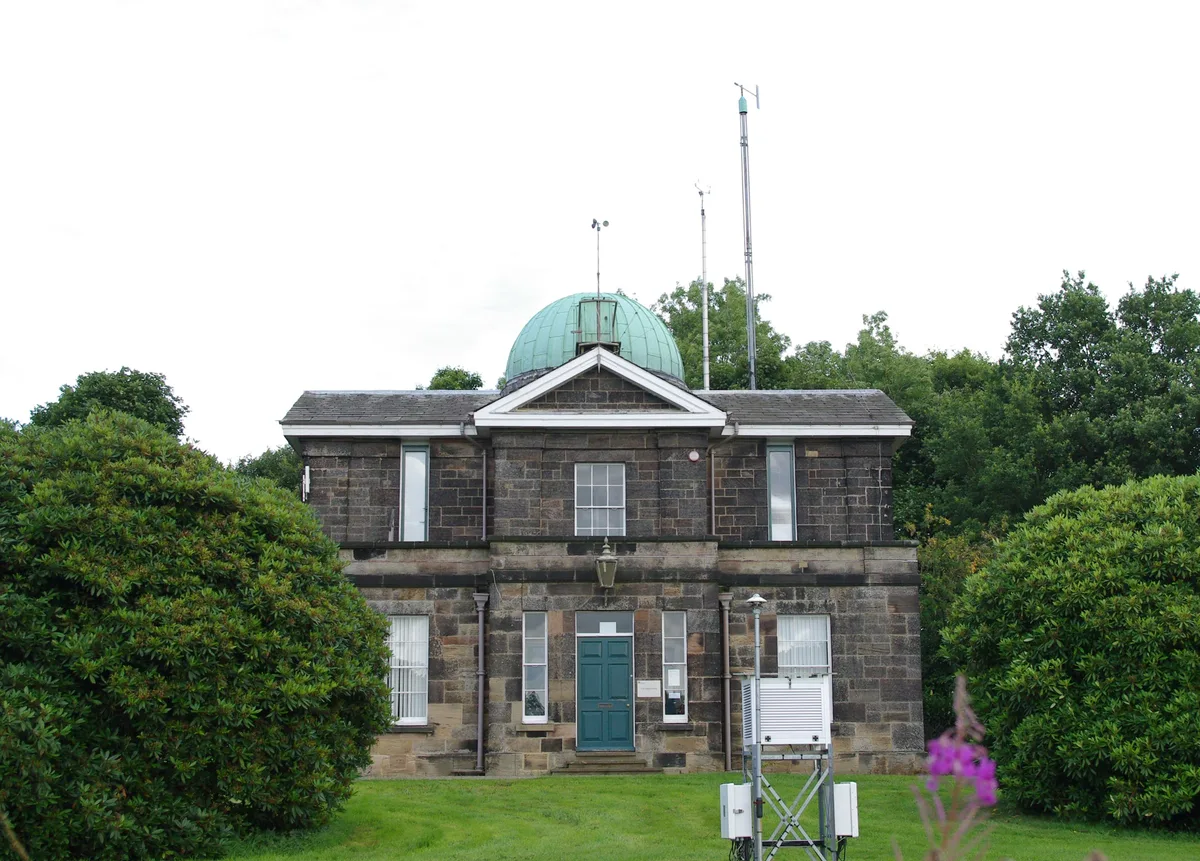
Durham University Observatory
Observatories · 0.4 km

Neville's Cross
Memorials & monuments · 0.4 km
Durham Miners Heritage Centre
Museums · 0.4 km
Lowes Barn
Memorials & monuments · 0.5 km

Observatory Hill
Mountains & hills · 0.5 km

Durham School
Cathedrals · 0.6 km
River Deerness
Natural landmarks · 0.6 km

Durham University Business School
Other places · 0.6 km
Nearby
📷 4Public art & sculpture · North East England
China
China — a public art in scotland-lowlands, United Kingdom.
📷 3Public art & sculpture · North East England
America
America — a public art in scotland-lowlands, United Kingdom.
📷 3Memorials & monuments · North East England
Neville House
Neville House — a memorial in scotland-lowlands, United Kingdom.
📷 4Memorials & monuments · North East England
Ustinov College
Ustinov College in England North East, United Kingdom.
📷 3Observatories · North East England
Durham University Observatory
Durham University Observatory — building in Durham, England, UK.
📷 4Memorials & monuments · North East England
Neville's Cross
Neville's Cross in England North East, United Kingdom.
Where to eat & stay near Italy
Places to stay
 📷 5
📷 5B&Bs · North East England
The Georgian Town House
The Georgian Town House — a bed-and-breakfast in scotland lowlands.
 📷 5
📷 5B&Bs · North East England
Castle View Guest House
Castle View Guest House — a bed-and-breakfast in scotland lowlands.
 📷 5
📷 5Caravan parks · North East England
Baxter Wood Farm Caravan Site
Baxter Wood Farm Caravan Site — a caravan park in scotland lowlands.
 📷 5
📷 5Hotels · North East England
Durham Marriott Hotel Royal County
Durham Marriott Hotel Royal County — a hotel in scotland lowlands.
 📷 5
📷 5Hotels · North East England
Hotel Indigo Durham
Hotel Indigo Durham — a hotel in scotland lowlands.
 📷 5
📷 5Hotels · North East England
Radisson Blu
Radisson Blu — a hotel in scotland lowlands.
Places to eat & drink
 📷 5
📷 5Historic pubs · North East England
Colpitts Hotel
Colpitts Hotel in England North East, United Kingdom.
 📷 5
📷 5Restaurants · North East England
Happiness 2 Barbeque
Happiness 2 Barbeque — a restaurant in scotland lowlands.
 📷 5
📷 5 📷 7
📷 7Restaurants · North East England
Shaheen's Indian
Shaheen's Indian — a restaurant in scotland lowlands.
 📷 5
📷 5Cafés · North East England
Caffè Nero
Caffè Nero — a café in scotland lowlands. Cuisine: coffee shop. Brand: Caffè Nero.
 📷 5
📷 5More places in this region
 📷 3
📷 3Public art & sculpture · North East England
Crossing Points
Crossing Points — a public art in england-yorkshire, United Kingdom.
.jpg?width=1200) 📷 3
📷 3Public art & sculpture · North East England
Stockton Flyer
Stockton Flyer — Public artwork (installation).
 📷 3
📷 3Public art & sculpture · North East England
Temenos
Temenos — Public artwork (sculpture) by Anish Kapoor.
 📷 4
📷 4Public art & sculpture · North East England
Apollo Pavilion
Apollo Pavilion in England North East, United Kingdom.
Frequently asked questions
- Where is Italy?
- Italy is in North-East England, United Kingdom (postcode DH1 4FL), in the parish of City of Durham.
- What is Italy?
- Italy — a public art in scotland-lowlands, United Kingdom.
- How do I get to Italy?
- The nearest railway station is Durham, about 1.4 km away. The nearest town is Durham. Drivers can use postcode DH1 4FL.
- Is Italy free to visit?
- Yes, Italy is free to enter.
- How do I get to Italy?
- The nearest railway station is Durham, about 1.4 km away. Drivers can navigate to postcode DH1 4FL.