
Islands · Scottish Islands
Isle of Skye
In or near Carbost.
Isle of Skye — largest and most northerly large island in the Inner Hebrides of Scotland.

Wikimedia Commons contributors — see linked file page for photographer and licence licence
.jpg)
Plan your visit
- Typical visit
- 4 h–12 h
- Free entry
- Dog-friendly
Getting there & planning your visit
Isle of Skye is located in the Scottish Highlands at coordinates 57.3333° N latitude and -6.2667° W longitude, and there is no nearest railway station or postcode provided. Entry to the island is free. Accessibility details are not specified.
About
Isle of Skye is a island in the United Kingdom. It covers approximately 1,656 km². Recent population estimates put it at around 10,008 people. Part of Inner Hebrides. Wikidata describes it as: "largest and most northerly large island in the Inner Hebrides of Scotland". Coordinates: 57.3333°, -6.2667°.
Photo gallery
Summary from the official site
The Isle of Skye is a picturesque island in Scotland known for its rugged landscapes, scenic beauty, and rich cultural heritage. Visitors can explore dramatic cliffs, charming villages, and historic sites, making it a popular destination for nature lovers and outdoor enthusiasts.
From the Wikipedia article
The Isle of Skye, or simply Skye, is the largest and northernmost of the major islands in the Inner Hebrides of Scotland. The island's peninsulas radiate from a mountainous hub dominated by the Cuillin, the rocky slopes of which provide some of the most dramatic mountain scenery in the country. Although Sgitheanach has been suggested to describe a winged shape, no definitive agreement exists as to the name's origin. The island has been occupied since the late Upper Palaeolithic period, and over its history has been occupied at various times by Celtic tribes including the Picts and the Gaels, Scandinavian Vikings, and most notably the powerful integrated Norse-Gaels clans of MacLeod and MacDonald. The island was considered to be under Norwegian suzerainty until the 1266 Treaty of Perth, which transferred control over to Scotland. The 18th-century Jacobite risings led to the breaking-up of the clan system and later clearances that replaced entire communities with sheep farms, some of which involved forced emigrations to distant lands. Resident numbers declined from over 20,000 in the early 19th century to just under 9,000 by the closing decade of the 20th century. Skye's population increased by 4% between 1991 and 2001. About a third of the residents were Gaelic speakers in 2001, and although their numbers are in decline, this aspect of island culture remains important. The main industries are tourism, agriculture, fishing, and forestry. Skye is part of the Highland Council local government area and wholly within the historic county of Inverness-shire. The island's largest settlement is Portree, which is also its capital, known for its picturesque harbour. Links to various nearby islands by ferry are available, and since 1995, to the mainland by the Skye Bridge. The climate is mild, wet, and windy. The abundant wildlife includes the golden eagle, red deer, and Atlantic salmon. The local flora is dominated by heather moor, and nationally important invertebrate…
Excerpt from Wikipedia under CC BY-SA 4.0. See the source article linked in Sources below.
Background
History
The late Iron Age inhabitants of the northern and western Hebrides were probably Pictish, although the historical record is sparse. Three Pictish symbol stones have been found on Skye and a fourth on Raasay. More is known of the kingdom of to the south; Adomnán's life of Columba, written shortly before 697, portrays the saint visiting Skye (where he baptised a pagan leader using an interpreter) and Adomnán himself is thought to have been familiar with the island. The Irish annals record several events on Skye in the later seventh and early eighth centuries – mainly concerning the struggles between rival dynasties that formed the background to the Old Irish language romance . Legendary hero…
Description
{|class="wikitable" |- ! scope="col" |Year ! scope="col" | 1755 ! scope="col" | 1794 ! scope="col" | 1821 ! scope="col" | 1841 ! scope="col" | 1881 ! scope="col" | 1891 ! scope="col" | 1931 ! scope="col" | 1951 ! scope="col" | 1961 ! scope="col" | 1971 ! scope="col" | 1981 ! scope="col" | 1991 ! scope="col" | 2001 ! scope="col" | 2011 ! scope="col" | 2022 |- |Population—a charge that has been levelled at both Labour and Conservative administrations' policies in the Highlands and Islands. By 1971 the population was less than a third of its peak recorded figure in 1841. However, the number of residents then grew by over 28 percent in the thirty years to 2001.|group="Note"}}The island-wide…
Visiting
and is visited by many tourists each year.]] Visits to Skye had been steadily increasing prior to the COVID-19 pandemic. In 2019, Skye added £211 million to the island's economy; Skye and Raasay had some 650,000 visitors in 2018, supporting an estimated 2,850 jobs. The pandemic, and travel restrictions imposed due to it, led to a sharp decline in tourism in Skye and the rest of the Highlands and Islands region. After the pandemic, tourism rebounded; with tourist numbers expected to break records in 2024. The Old Man of Storr is among the island's most popular sites for tourists, Pre-pandemic, some islanders complained about perceived tourist overcrowding in popular locations, including the…
Sourced from Wikipedia under CC BY-SA 4.0.
- Coordinates
- 57.3333, -6.2667
- Population
- 10,008
- Official site
- web.archive.org
Sources
- wikidata: Q107393 (CC0)
- wikipedia: Isle of Skye (CC BY-SA 4.0)
- commons: 00 2355 Skye Bridge - (Scotland).jpg (CC BY-SA 4.0)
Featured in these 6 guides
Itinerary
Skye: a five-day Hebridean island tour
The Cuillin, the Old Man of Storr, and a thousand square miles of basalt and gneiss.
Itinerary
Britain's wild islands: 7 days in the Hebrides
Skye, Mull, Iona, Staffa — a slow island-hopping itinerary.
Itinerary
Skye & the Inner Hebrides
Cuillin, fairy pools, distillery — a Highland archetype.
Itinerary
Scottish Highlands road trip in 7 days
Inverness, Skye, Loch Ness, Glencoe and the West Highland Way.
Itinerary
Britain's lesser-known islands
Beyond Skye and the Isle of Wight — eight quieter island destinations.
Itinerary
Britain's tidal causeways
Eight places you can only reach at low tide.
Other places nearby

Meallan Gainmhich
Mountains & hills · 1.2 km

Roineval
Mountains & hills · 1.5 km

Roineval
Mountains & hills · 1.5 km

Broc-bheinn
Mountains & hills · 2.1 km

Monadh Meadale
Mountains & hills · 3.3 km

Glen Drynoch
Gorges · 3.8 km

Glen Varragill
Gorges · 4.0 km

Beinn Mheadhonach
Mountains & hills · 4.0 km
Beinn Meadhonach
Mountains & hills · 4.1 km

Mugeary
Farms (open to visitors) · 4.1 km

Drynoch
Reservoirs & lochs · 4.2 km

Sròn a' Ghrobain
Mountains & hills · 4.6 km
Nearby
📷 5Mountains & hills · Scottish Islands
Meallan Gainmhich
Meallan Gainmhich — a hill or mountain in scotland highlands.
📷 5Mountains & hills · Scottish Islands
Roineval
Roineval — mountain in scotland highlands. Elevation: 439 m.
📷 3Mountains & hills · Scottish Islands
Roineval
Roineval — a mountain in scotland-highlands, United Kingdom.
📷 5Mountains & hills · Scottish Islands
Broc-bheinn
Broc-bheinn — a hill or mountain in scotland highlands.
📷 5Mountains & hills · Scottish Islands
Monadh Meadale
Monadh Meadale — a hill or mountain in scotland highlands.
📷 5Where to eat & stay near Isle of Skye
Places to stay
 📷 5
📷 5Campsites · Scottish Highlands
Sligachan Campsite
Sligachan Campsite — a campsite in scotland highlands.
 📷 5
📷 5Hostels · Scottish Highlands
Sligachan Bunkhouse
Sligachan Bunkhouse — a hostel in scotland highlands.
 📷 5
📷 5Hostels · Scottish Islands
Skyewalker Hostel
Skyewalker Hostel — a hostel in scotland highlands.
 📷 5
📷 5Hostels · Scottish Islands
Croft Bunkhouse
Croft Bunkhouse — a hostel in scotland highlands.
Caravan parks · Scottish Highlands
Four motorhome and campervan overnight spaces
Four motorhome and campervan overnight spaces — a caravan park in scotland highlands.
 📷 5
📷 5Hostels · Scottish Highlands
Portree Youth Hostel - SYHA (Bayfield Backpackers)
Portree Youth Hostel - SYHA (Bayfield Backpackers) — a hostel in scotland highlands. Brand: Hostelling Scotland.
More places in this region
 📷 5
📷 5Islands · Scottish Islands
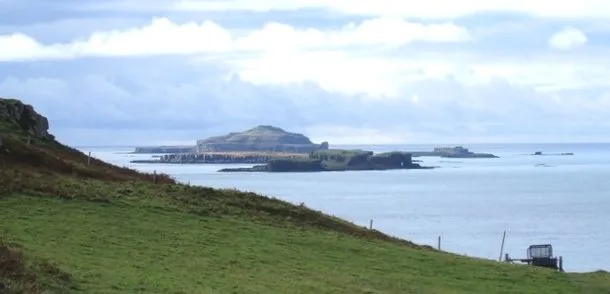
Bac Beag
Bac Beag — Scottish island, part of the Treshnish Isles in the Inner Hebrides.
 📷 5
📷 5Islands · Scottish Islands
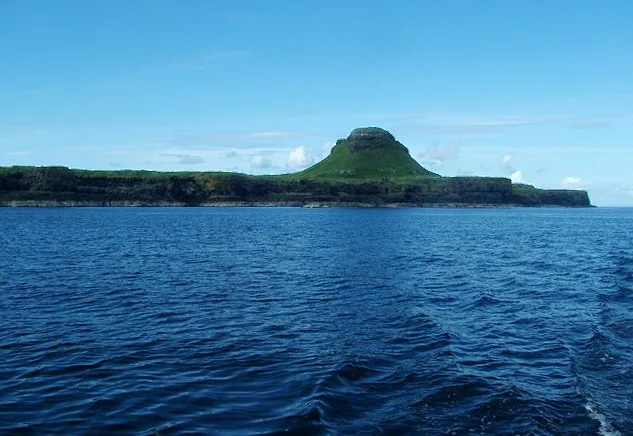
Bac Mòr
Bac Mòr — island in Argyll and Bute, Scotland, UK, one of the Treshnish Isles.
 Flagship📷 3
Islands · Scottish Islands
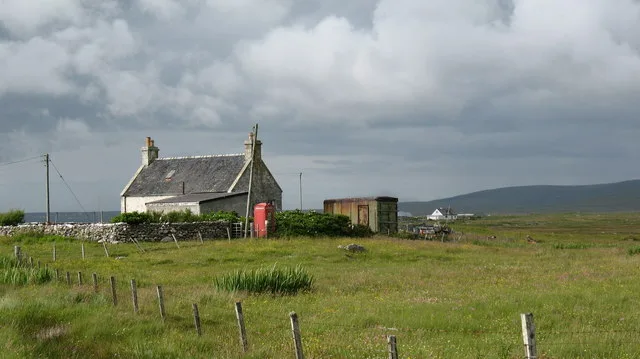
Baleshare
Baleshare — flat tidal island in the Outer Hebrides, Scotland, UK.
 Flagship📷 5
Islands · Scottish Islands
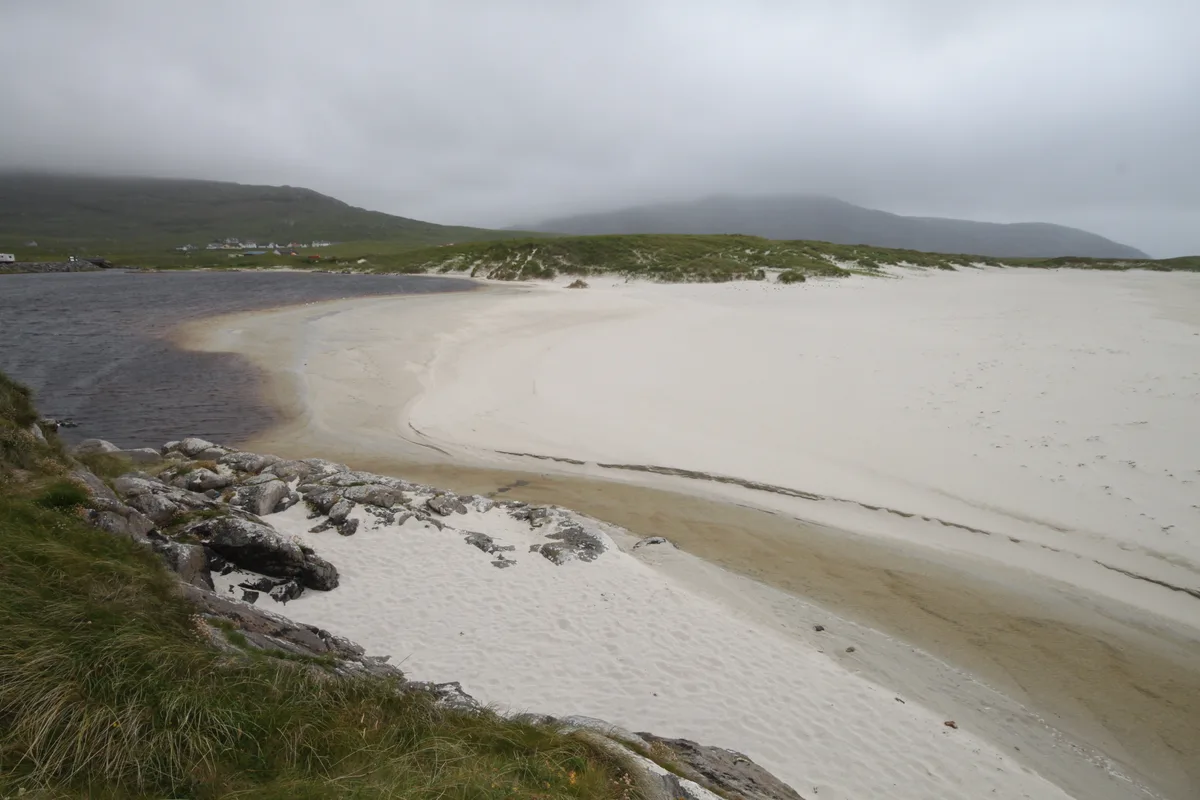
Barra
Barra — island in Outer Hebrides, Scotland, UK.
Frequently asked questions
- Where is Isle of Skye?
- Isle of Skye is in the Scottish Islands, United Kingdom.
- What is Isle of Skye?
- Isle of Skye — largest and most northerly large island in the Inner Hebrides of Scotland.
- How do I get to Isle of Skye?
- The nearest town is Carbost. Its coordinates are 57.3333°, -6.2667°.
- Is Isle of Skye free to visit?
- Yes, Isle of Skye is free to enter.