
Castles · North East England
Hylton Castle
In or near Offerton.
Hylton Castle — castle in Sunderland, UK.

Wikimedia Commons contributors — see linked file page for photographer and licence licence

Plan your visit
- Typical visit
- 1.5 h–3 h
- Nearest railway station
- Pallion · 1.9 km
- Free entry
- Family-friendly
- Limited wheelchair access
Getting there & planning your visit
To visit Hylton Castle, the nearest railway station is Pallion, located 1.9 km away. Entry is paid, and wheelchair accessibility is limited. The postcode for sat-nav is SR5 3PA.
About
Hylton Castle is a castle in the United Kingdom — fortified architecture from the medieval, Tudor, or Victorian-revival period. Heritage designation: scheduled monument. Owned by English Heritage. Managed by English Heritage. Wikidata describes it as: "castle in Sunderland, UK". Coordinates: 54.9225°, -1.4432°.
Photo gallery
Heritage listing
Hylton Castle ( HIL-tən) is a stone castle in the North Hylton area of Sunderland, England. Originally built from wood by the Hilton (later Hylton) family shortly after the Norman Conquest in 1066, it was later rebuilt in stone in the late 14th to early 15th century. The castle underwent major changes to its interior and exterior in the 18th century and it remained the principal seat of the Hylton family until the death of the last Baron in 1746. It was then Gothicised but neglected until 1812, when it was revitalised by a new owner. Standing empty again until the 1840s, it was briefly used as a school until it was purchased again in 1862. The site passed to a local coal company in the early 20th century and was taken over by the state in 1950.
From the Historic England List Entry under OGL v3.
From English Heritage
The distinctive and highly decorative gatehouse-tower of a castle built by the wealthy Sir William Hylton, shortly before 1400. Originally containing four floors of self-contained family.
Read more on the official property page.
From the Wikipedia article
Hylton Castle ( HIL-tən) is a stone castle in the North Hylton area of Sunderland, England. Originally built from wood by the Hilton (later Hylton) family shortly after the Norman Conquest in 1066, it was later rebuilt in stone in the late 14th to early 15th century. The castle underwent major changes to its interior and exterior in the 18th century and it remained the principal seat of the Hylton family until the death of the last Baron in 1746. It was then Gothicised but neglected until 1812, when it was revitalised by a new owner. Standing empty again until the 1840s, it was briefly used as a school until it was purchased again in 1862. The site passed to a local coal company in the early 20th century and was taken over by the state in 1950. One of the castle's main features is the range of heraldic devices found mainly on the west façade, which have been retained from the castle's original construction. They depict the coats of arms belonging to local gentry and peers of the late 14th to early 15th centuries and provide an approximate date of the castle's reconstruction from wood to stone. The castle is owned by English Heritage, a charity which manages the historical environment of England. The surrounding parkland is maintained by a community organisation. The castle and its chapel are protected as a Grade I listed building and a scheduled monument. In February 2016, plans were announced to turn the castle into a community facility and visitor attraction, with the Heritage Lottery Fund awarding £2.9 million, and Sunderland Council £1.5 million, to provide classrooms, a cafe and rooms for exhibitions, meetings and events.
Excerpt from Wikipedia under CC BY-SA 4.0. See the source article linked in Sources below.
Background
History
The Hylton family had been settled in England since the reign of King Athelstan (c.895–939). At this time, Adam de Hylton gave to the monastery of Hartlepool a pyx or crucifix, weighing 25 oz in silver and emblazoned with his coat of arms – argent, two bars azure. Although called a gatehouse, it belongs to a type of small, late-14th-century castle, similar to Old Wardour, Bywell and Nunney castles. The castle was first mentioned in a household inventory taken in 1448, as "a gatehouse constructed of stone" and although no construction details survive, it is believed the stone castle was built sometime between 1390 and the early 15th century, due to the coat of arms featured above the west…
Architecture
.]] Before the changes made by John Hylton (died 1712), the castle's layout plan was as follows: The ground floor, accessed directly from the outside courtyard, led into a portcullis-protected, vaulted passage, eleven feet wide and extending the depth of the building. On either side of the passage were two vaulted rooms. The room nearest the entrance on the right was a guardroom or the porter's room, which housed a well; the back-right room, with a garderobe located in the south west turret (accessed via a passage running along the south wall), was for an official. The other two rooms to the left were used to house staff or storage. The oratory was entered via a five-and-a-half high…
Sourced from Wikipedia under CC BY-SA 4.0.
- Coordinates
- 54.9225, -1.4432
- District
- Sunderland
- Parish
- Sunderland, unparished area
- Postcode
- SR5 3PA
- Parliamentary constituency
- Washington and Gateshead South
- Nearest railway station
- Pallion — 1.9 km
- Official site
- www.english-heritage.org.uk
Sources
- wikidata: Q635086 (CC0)
- wikipedia: Hylton Castle (CC BY-SA 4.0)
- commons: Hylton Castle.jpg (CC BY-SA 4.0)
Other places nearby

Hylton Chapel
Chapels · 0.1 km

North Hylton
Castles · 0.8 km
Castletown
Castles · 0.9 km

Hylton Colliery
Mines & mining heritage · 0.9 km

Hylton Red House
Historic houses · 1.2 km

Cretehawser
Museums · 1.2 km
North East Learning Trust
Other places · 1.3 km
WISE Academies
Other places · 1.3 km
.jpg?width=1200)
Northern Spire
Historic bridges · 1.3 km

Claxheugh
Natural landmarks · 1.5 km

Down Hill
Mountains & hills · 1.5 km

Quarry Hill
Mountains & hills · 1.6 km
Nearby
📷 3Chapels · North East England
Hylton Chapel
Hylton Chapel — Grade I listed chapel in Sunderland, Tyne and Wear, England, UK.
📷 4📷 4📷 3Mines & mining heritage · North East England
Hylton Colliery
Hylton Colliery in England North East, United Kingdom.
📷 3Historic houses · North East England
Hylton Red House
Hylton Red House in England North East, United Kingdom.
📷 5Museums · North East England
Cretehawser
Cretehawser — a museum in scotland-lowlands, United Kingdom.
Where to eat & stay near Hylton Castle
Places to stay
 📷 5
📷 5Hotels · North East England
Hilton Garden Inn Sunderland
Hilton Garden Inn Sunderland — a hotel in scotland lowlands. 3-star. Brand: Hilton Garden Inn.
 📷 5
📷 5Caravan parks · North East England
Lizard Lane Caravan Park
Lizard Lane Caravan Park — a caravan park in scotland lowlands.
 📷 5
📷 5Hotels · North East England
Bowes Incline Hotel
Bowes Incline Hotel — a hotel in scotland lowlands.
 📷 5
📷 5Caravan parks · North East England
Showmen's Guild Site - Sunnyside Farm
Showmen's Guild Site - Sunnyside Farm — a caravan park in scotland lowlands.
 📷 5
📷 5Caravan parks · North East England
Sandhaven Caravan Site
Sandhaven Caravan Site — a caravan park in scotland lowlands.
 📷 5
📷 5B&Bs · North East England
The Clifton
The Clifton — a bed-and-breakfast in scotland lowlands.
Places to eat & drink
 📷 5
📷 5Historic pubs · North East England
Websters Public House
Websters Public House in England North East, United Kingdom.
 📷 5
📷 5Historic pubs · North East England
Mountain Daisy Public House
Mountain Daisy Public House in England North East, United Kingdom.
 📷 5
📷 5 📷 5
📷 5Historic pubs · North East England
Livingstone's Public House
Livingstone's Public House in England North East, United Kingdom.
 📷 5
📷 5Historic pubs · North East England
Greens Public House
Greens Public House in England North East, United Kingdom.
 📷 5
📷 5Historic pubs · North East England
The Dun Cow Public House
The Dun Cow Public House in England North East, United Kingdom.
More places run by English Heritage
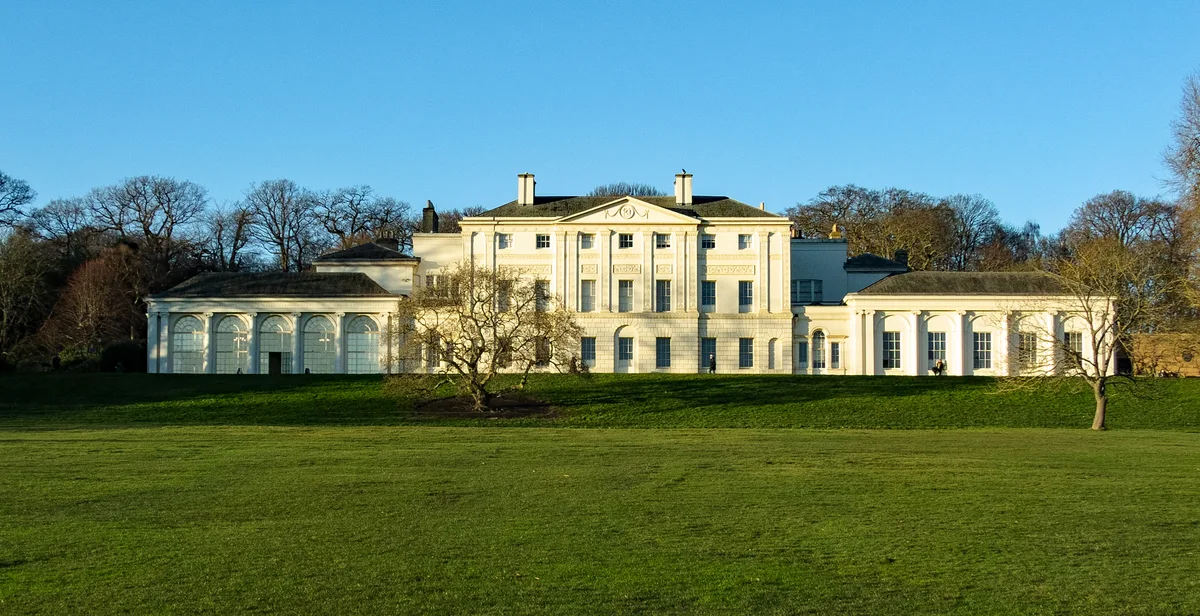 Flagship📷 10
Museums · London
Kenwood House
Kenwood House — art museum and historic house in Hampstead, London.
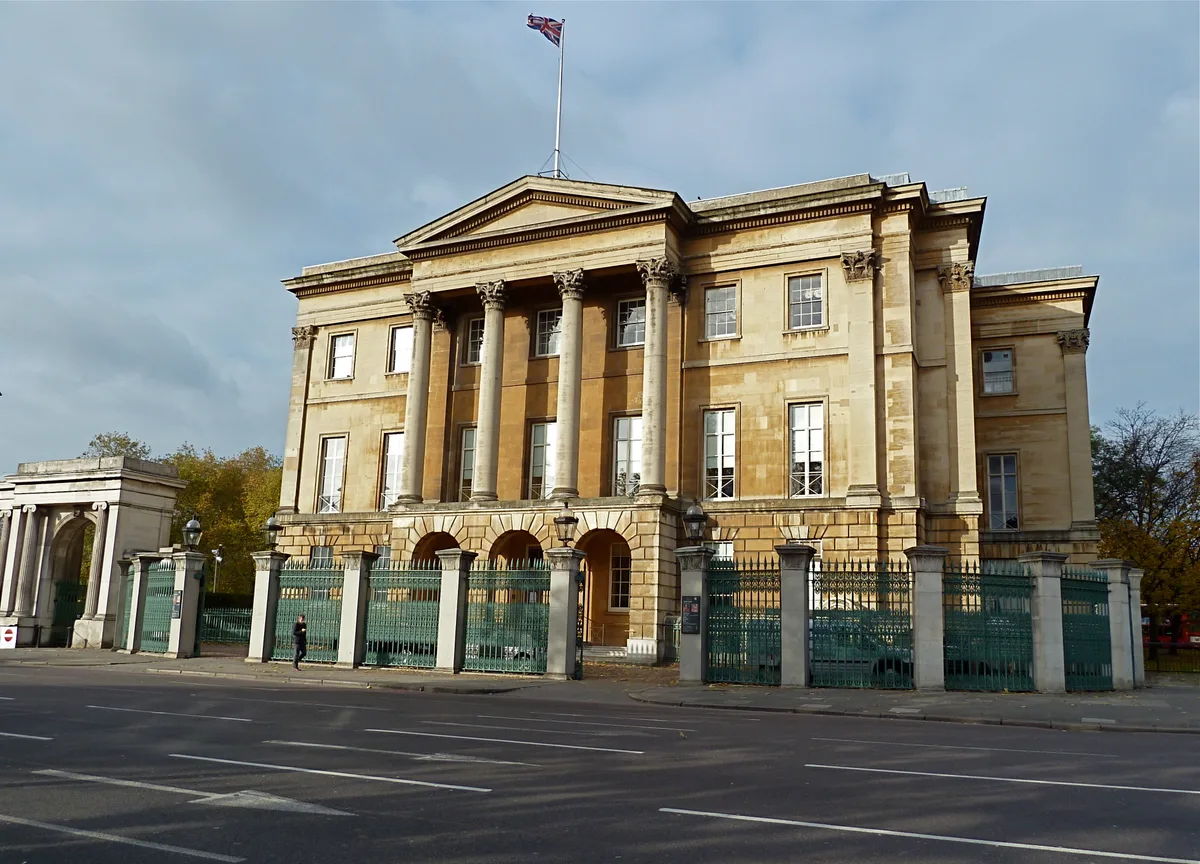 📷 5
📷 5Galleries · London
Apsley House
Apsley House — London townhouse of the Dukes of Wellington.
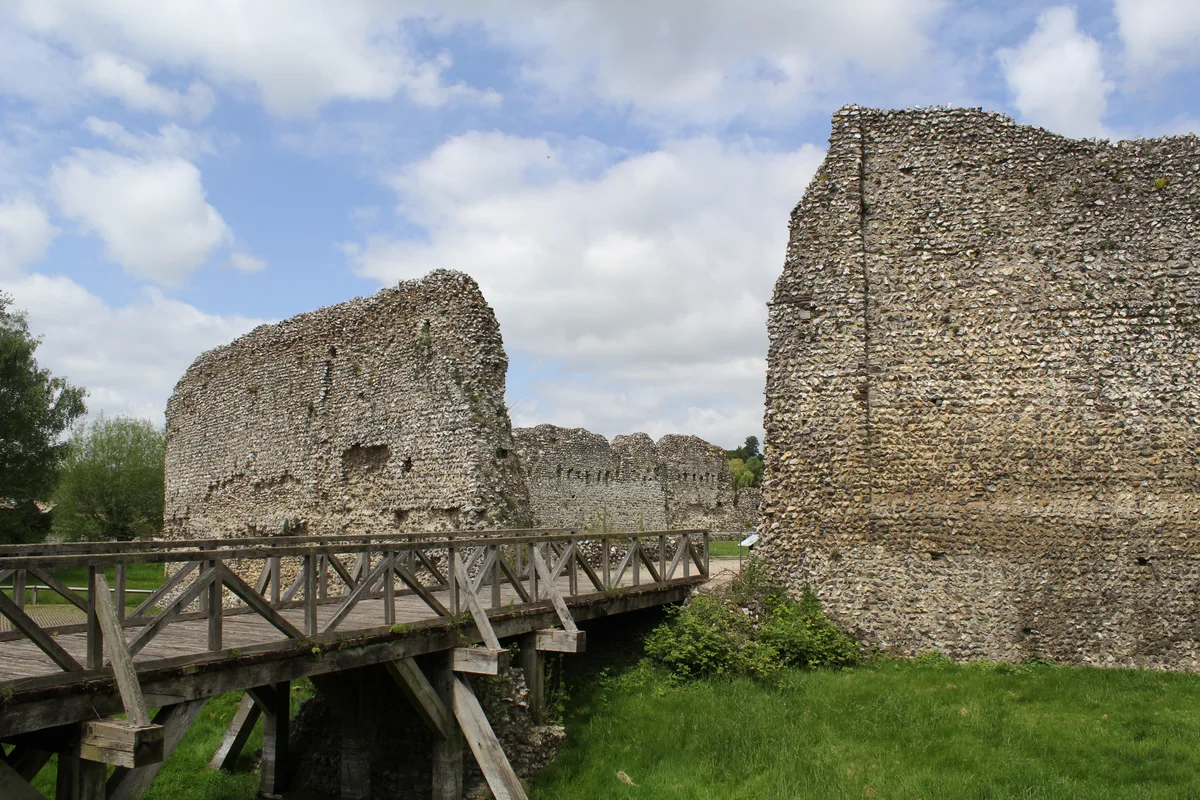 📷 5
📷 5Castles · London
Eynsford Castle
Eynsford Castle — castle, now ruinous, in Eynsford, Kent, England, UK.
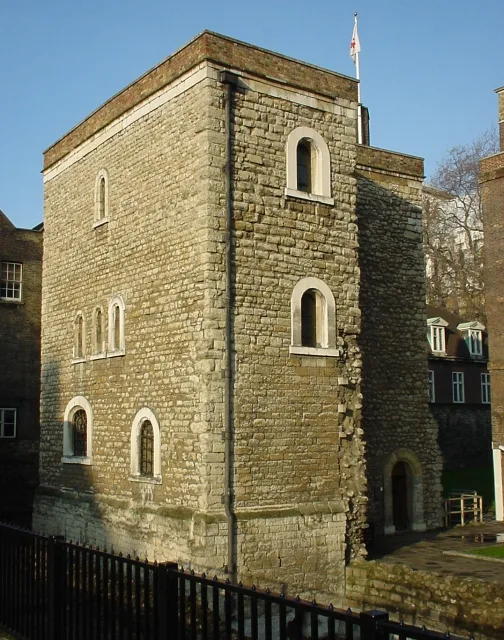 📷 5
📷 5Museums · London
Jewel Tower
Jewel Tower — medieval tower in Westminster, London, England, UK.
More castles in this region
 📷 3
📷 3Castles · North East England
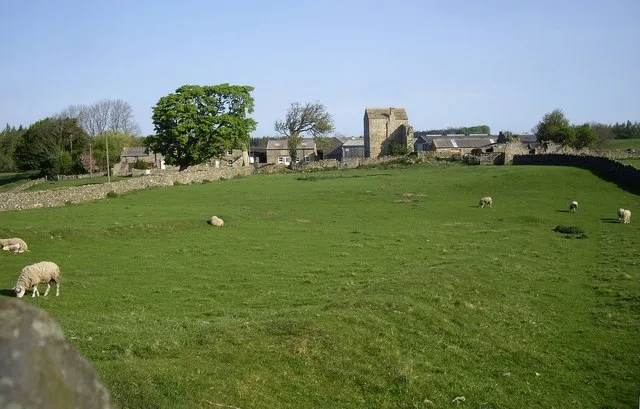
Scargill Castle
Scargill Castle — house in Scargill, County Durham, England, UK.
 📷 3
📷 3Castles · North East England
Roper Castle or Round Table (Roman Signal Station)
Roper Castle or Round Table (Roman Signal Station) — a castle in england-north-west, United Kingdom.
 📷 5
📷 5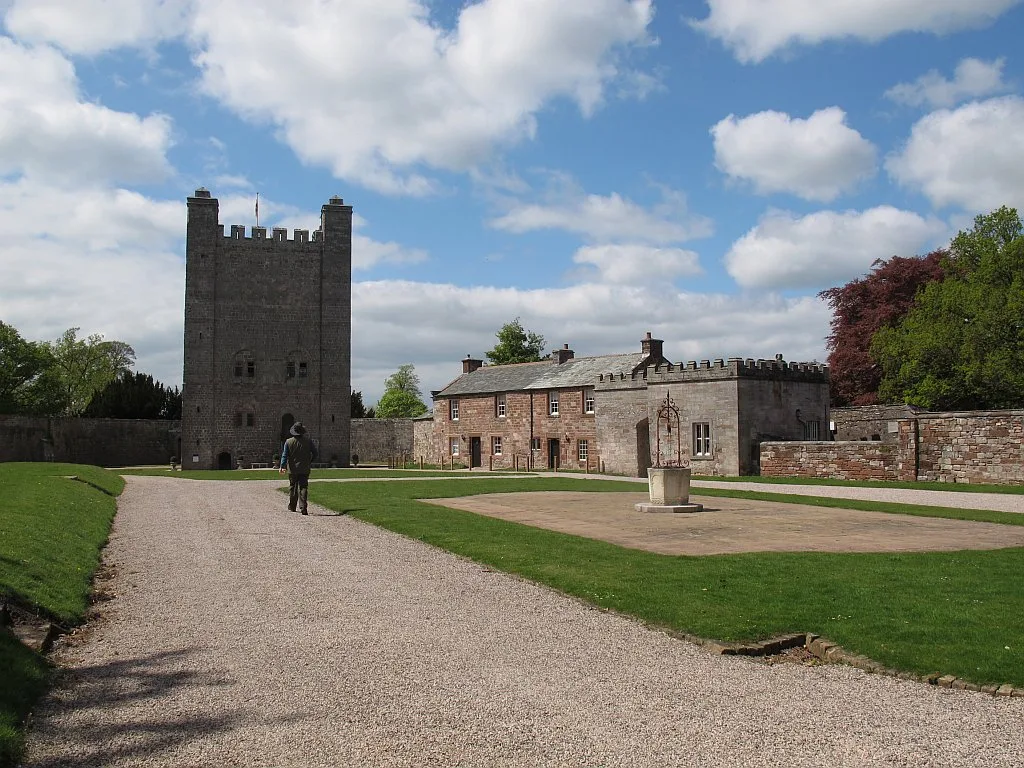 📷 5
📷 5Castles · North East England
Appleby Castle
Appleby Castle — Grade I listed English country house in Appleby-in-Westmorland, United Kingdom.
Frequently asked questions
- Where is Hylton Castle?
- Hylton Castle is in North-East England, United Kingdom (postcode SR5 3PA), in the parish of Sunderland, unparished area.
- What is Hylton Castle?
- Hylton Castle — castle in Sunderland, UK.
- How do I get to Hylton Castle?
- The nearest railway station is Pallion, about 1.9 km away. The nearest town is Offerton. Drivers can use postcode SR5 3PA.
- Who runs Hylton Castle?
- Hylton Castle is operated by English Heritage.
- Is Hylton Castle a listed building?
- Hylton Castle is officially recognised as scheduled monument listed.
- Is Hylton Castle free to visit?
- Yes, Hylton Castle is free to enter.
- How do I get to Hylton Castle?
- The nearest railway station is Pallion, about 1.9 km away. Drivers can navigate to postcode SR5 3PA.