
Memorials & monuments · London
Horatio Nelson
Also known as: Horatio Nelson, 1st Viscount Nelson, 1st Duke of Bronté, KB
In or near London.
Horatio Nelson is a memorial in the United Kingdom.

Bob Walters — CC BY-SA 2.0 via Wikimedia Commons licence

Plan your visit
- Typical visit
- 15 min–45 min
- Nearest railway station
- Charing Cross · 0.1 km
- Free entry
- Dog-friendly
Getting there & planning your visit
The Horatio Nelson memorial is located in Westminster, London, with the nearest railway station being Charing Cross, just 0.1 km away. Entry to the memorial is free.
About
Horatio Nelson is a public memorial in London, recording local sacrifice and named in the parish register of war and civic monuments. It sits within the Cities of London and Westminster parliamentary constituency. The nearest railway station is Charing Cross, about 0.1 km away. Postcode area WC2N.
Photo gallery
360° viewimagery from 2026
Imagery © Mapillary contributors, CC BY-SA 4.0
From the Wikipedia article
Vice-Admiral of the White Horatio Nelson, 1st Viscount Nelson, 1st Duke of Bronte (29 September 1758 – 21 October 1805) was a Royal Navy officer whose leadership, grasp of strategy, and unconventional tactics led to multiple decisive British naval victories during the French Revolutionary and Napoleonic Wars. Trafalgar Square is dedicated to him. He is widely regarded as one of the greatest admirals in history; many historians consider him the greatest. Nelson was born into a moderately prosperous Norfolk family and joined the navy through the influence of his uncle Maurice Suckling, a high-ranking naval officer. Nelson rose rapidly through the ranks and served with leading naval commanders of the period before obtaining his own command at the age of 20 in 1778. He developed a reputation for personal valour and a firm grasp of tactics, but suffered periods of illness and unemployment after the end of the American War of Independence. The outbreak of the French Revolutionary Wars allowed Nelson to return to service, where he was particularly active in the Mediterranean Sea. He fought in several minor engagements off Toulon and was important in the capture of Corsica, where he was wounded and partially lost sight in one eye, and subsequently performed diplomatic duties with the Italian states. In 1797, he distinguished himself while commanding HMS Captain at the Battle of Cape St Vincent. Shortly after this battle, Nelson took part in the Battle of Santa Cruz de Tenerife, where the attack failed and he lost his right arm, forcing him to return to England to recuperate. The following year he won a decisive victory over the French at the Battle of the Nile and remained in the Mediterranean to support the Kingdom of Naples against a French invasion. In 1801, Nelson was dispatched to the Baltic Sea and defeated neutral Denmark at the Battle of Copenhagen. He commanded the blockade of the French and Spanish fleets at Toulon and, after their escape, chased them to the West Indies and back but failed to bring them to battle. After a brief return to England, he took over the Cádiz blockade in 1805. On 21 October 1805, the Franco-Spanish fleet came out of port, and Nelson's fleet engaged them at the Battle of Trafalgar. The battle became Britain's greatest naval victory, but Nelson, aboard HMS Victory, was fatally wounded by a French marksman. His body was brought back to England, where he was accorded a state funeral, and considered a hero. Nelson's death at Trafalgar secured his position as one of Britain's most heroic figures. His signal just prior to the commencement of the battle, "England expects that every man will do his duty", is regularly quoted and paraphrased. Numerous monuments, including Nelson's Column in Trafalgar Square, London, and the Nelson Monument in Edinburgh, have been created in his memory. In 2002, Nelson was named among the 100 Greatest Britons of all time.
Excerpt from Wikipedia under CC BY-SA 4.0. See the source article linked in Sources below.
Background
Description
Shortly after his arrival in England, Nelson was appointed second-in-command of the Channel Fleet under Lord John Jervis. He was promoted to Vice-Admiral of the Blue on 1 January 1801, and travelled to Plymouth, where he was granted the freedom of the city on 22 January. On 29 January 1801, Lady Emma Hamilton gave birth to their daughter Horatia. Nelson was delighted, but subsequently disappointed when he was instructed to move his flag from to , in preparation for a planned expedition to the Baltic. Tired of British ships imposing a blockade against French trade and stopping and searching their merchantmen, the Russian, Prussian, Danish and Swedish governments had formed an alliance to…
Sourced from Wikipedia under CC BY-SA 4.0.
- Coordinates
- 51.5078, -0.1279
- District
- Westminster
- Parish
- Westminster, unparished area
- Postcode
- WC2N 5DU
- Parliamentary constituency
- Cities of London and Westminster
- Nearest railway station
- Charing Cross — 0.1 km
Sources
- osm: w1222903661 (ODbL)
- wikipedia: Horatio Nelson, 1st Viscount Nelson (CC BY-SA 4.0)
Other places nearby

Nelson's Column
Memorials & monuments · 0.0 km

Statue of Admiral Lord Nelson
Historic houses · 0.0 km

Trafalgar Square
Memorials & monuments · 0.0 km

Charles James Napier
Memorials & monuments · 0.0 km

Henry Havelock
Memorials & monuments · 0.0 km

Mileage Central Point of London Plaque
Memorials & monuments · 0.0 km

Charles I
Memorials & monuments · 0.1 km

Fountains and terrace walls with lampstandards, steps and stone bollards enclosing the Square
Holy wells · 0.1 km

Charing Cross
Chapels · 0.1 km
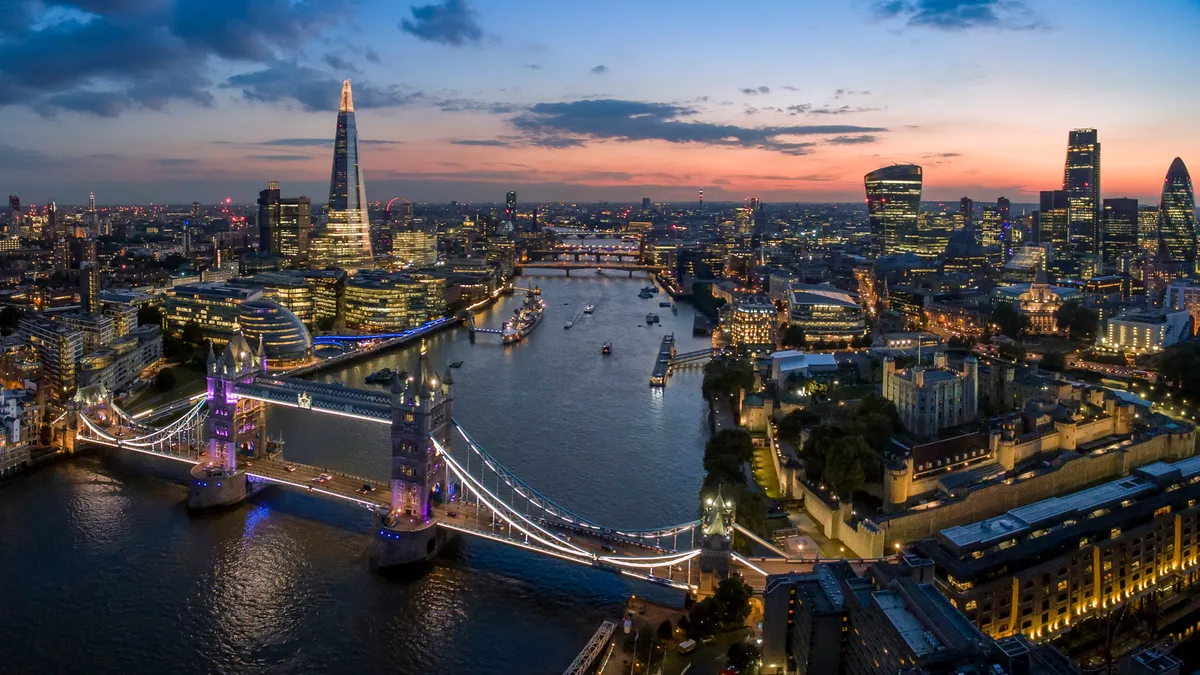
London
Towns & cities · 0.1 km

Canadian Pacific Building
Gardens · 0.1 km

Fourth Plinth
Memorials & monuments · 0.1 km
Nearby
📷 5Memorials & monuments · London
Nelson's Column
Nelson's Column is a memorial in the United Kingdom.
📷 5Historic houses · London
Statue of Admiral Lord Nelson
Statue of Admiral Lord Nelson — a Grade I-listed historic house in england-london, United Kingdom.
★ Iconic📷 10Memorials & monuments · London
Trafalgar Square
Nelson's Column and the public square at the centre of London.
📷 5Memorials & monuments · London
Charles James Napier
Charles James Napier — Monument, dating to 1855.
📷 5📷 5Memorials & monuments · London
Mileage Central Point of London Plaque
Mileage Central Point of London Plaque — a memorial in england-london, United Kingdom.
Where to eat & stay near Horatio Nelson
Places to stay
 📷 5
📷 5Hotels · London
The Trafalgar St. James London, Curio Collection by Hilton
The Trafalgar St. James London, Curio Collection by Hilton — a hotel in england london. 5-star. Brand: Hilton.
 📷 5
📷 5Hotels · London
Club Quarters Hotel
Club Quarters Hotel — a hotel in england london.
 📷 5
📷 5Hotels · London
Great Scotland Yard Hotel
Great Scotland Yard Hotel — a hotel in england london. 5-star. Brand: Unbound Collection.
 📷 5
📷 5 📷 5
📷 5Hotels · London
Radisson Edwardian Hampshire Hotel
Radisson Edwardian Hampshire Hotel — a hotel in england london. Brand: Radisson.
 📷 5
📷 5Hotels · London
Z Hotel Piccadilly
Z Hotel Piccadilly — a hotel in england london.
Places to eat & drink
 📷 5
📷 5 📷 5
📷 5 📷 5
📷 5Restaurants · London
Tiger Tiger
Tiger Tiger — a restaurant in england london.
 📷 5
📷 5 📷 5
📷 5Historic pubs · London
Nell Gwynne Tavern
Nell Gwynne Tavern in England London, United Kingdom.
 📷 5
📷 5More memorials in this region
.jpg?width=1200) 📷 5
📷 5Memorials & monuments · London
1st Surrey Rifles War Memorial
1st Surrey Rifles War Memorial is a memorial in the United Kingdom.
 📷 5
📷 5Memorials & monuments · London
24th East Surrey Division War Memorial
24th East Surrey Division War Memorial is a memorial in the United Kingdom.
 📷 5
📷 5Memorials & monuments · London
Abney Park Cemetery CWGC Cross
Abney Park Cemetery CWGC Cross is a memorial in the United Kingdom.
 📷 5
📷 5Memorials & monuments · London
Admiral Sir John Franklin
Admiral Sir John Franklin is a memorial in the United Kingdom.
Frequently asked questions
- Where is Horatio Nelson?
- Horatio Nelson is in London, United Kingdom (postcode WC2N 5DU), in the parish of Westminster, unparished area.
- What is Horatio Nelson?
- Horatio Nelson is a memorial in the United Kingdom.
- How do I get to Horatio Nelson?
- The nearest railway station is Charing Cross, about 0.1 km away. The nearest town is London. Drivers can use postcode WC2N 5DU.
- Is Horatio Nelson free to visit?
- Yes, Horatio Nelson is free to enter.
- How do I get to Horatio Nelson?
- The nearest railway station is Charing Cross, about 0.1 km away. Drivers can navigate to postcode WC2N 5DU.