
Memorials & monuments · London
Charles I
In or near London.
Charles I — Public artwork (statue) by Hubert Le Sueur.

Wikimedia Commons contributors — see linked file page for photographer and licence licence

Plan your visit
- Typical visit
- 15 min–45 min
- Nearest railway station
- Charing Cross · 0.1 km
- Free entry
- Dog-friendly
Getting there & planning your visit
To visit the Charles I memorial in Westminster, you can take the train to Charing Cross station, which is just 0.1 km away. Entry to the memorial is free.
About
Charles I is a place of interest in the United Kingdom. Records date its origin to 1633. OpenStreetMap heritage rating: 2/5. Wikidata describes it as: "Public artwork (statue) by Hubert Le Sueur.". Coordinates: 51.5073°, -0.1277°.
Photo gallery
See it from the streetimagery from 2026
Imagery © Mapillary contributors, CC BY-SA 4.0
From the Wikipedia article
The equestrian statue of Charles I at Charing Cross, London, England, is a work by the French sculptor Hubert Le Sueur, probably cast in 1633 during Charles’ lifetime. It is the oldest bronze statue in London and is considered the central point of the city. Its location at Charing Cross is on the former site of the most elaborate of the Eleanor crosses erected by Edward I, which had stood for three and a half centuries until 1647. Charing Cross is used to define the centre of London and a plaque by the statue indicates that road signage distances to London are measured from this point. The statue faces down Whitehall towards Charles I's place of execution in 1649 at Banqueting House. The first Renaissance-style equestrian statue in England, it was commissioned by Charles's Lord High Treasurer Richard Weston for the garden of his country house in Roehampton, Surrey (now in South London). Following the English Civil War the statue was sold to a metalsmith to be broken down, but he hid it until the Restoration. It was installed in its current, far more prominent location in the centre of London in 1675, and the elaborately carved plinth dates from that time.
Excerpt from Wikipedia under CC BY-SA 4.0. See the source article linked in Sources below.
Background
History
The 24-year-old Charles succeeded his father in March 1625. Charles I dissolved parliament in 1629, and the statue was commissioned the following year in 1630. After the Parliamentary victory in the English Civil War, the statue was sold to John Rivet, a metalsmith in the Holborn area. Rivet received instructions from Parliament to break down the statue, but instead he hid it on his premises. He produced some broken pieces of brass as evidence that he had followed his instructions, and for some time sold brass-handled cutlery to both Royalists and Parliamentarians, which he claimed was made from the remains of the statue. Before being returned to its plinth in Whitehall, the Ministry…
Description
The statue shows Charles I of England on horseback, with the king wearing a demi-suit of armour but without a helmet. Across the chest is a scarf tied into a bow on the right shoulder. The king is holding a baton in his right hand, and the reins of the horse in his left.
Sourced from Wikipedia under CC BY-SA 4.0.
- Coordinates
- 51.5073, -0.1277
- District
- Westminster
- Parish
- Westminster, unparished area
- Postcode
- WC2N 5DU
- Parliamentary constituency
- Cities of London and Westminster
- Established
- 1633
- Nearest railway station
- Charing Cross — 0.1 km
Sources
- osm: n12877095809 (ODbL)
- wikipedia: Equestrian statue of Charles I, Charing Cross (CC BY-SA 4.0)
- commons: Charles I, Trafalgar Square.jpg (CC BY-SA 4.0)
Other places nearby

Charing Cross
Chapels · 0.0 km

Mileage Central Point of London Plaque
Memorials & monuments · 0.0 km
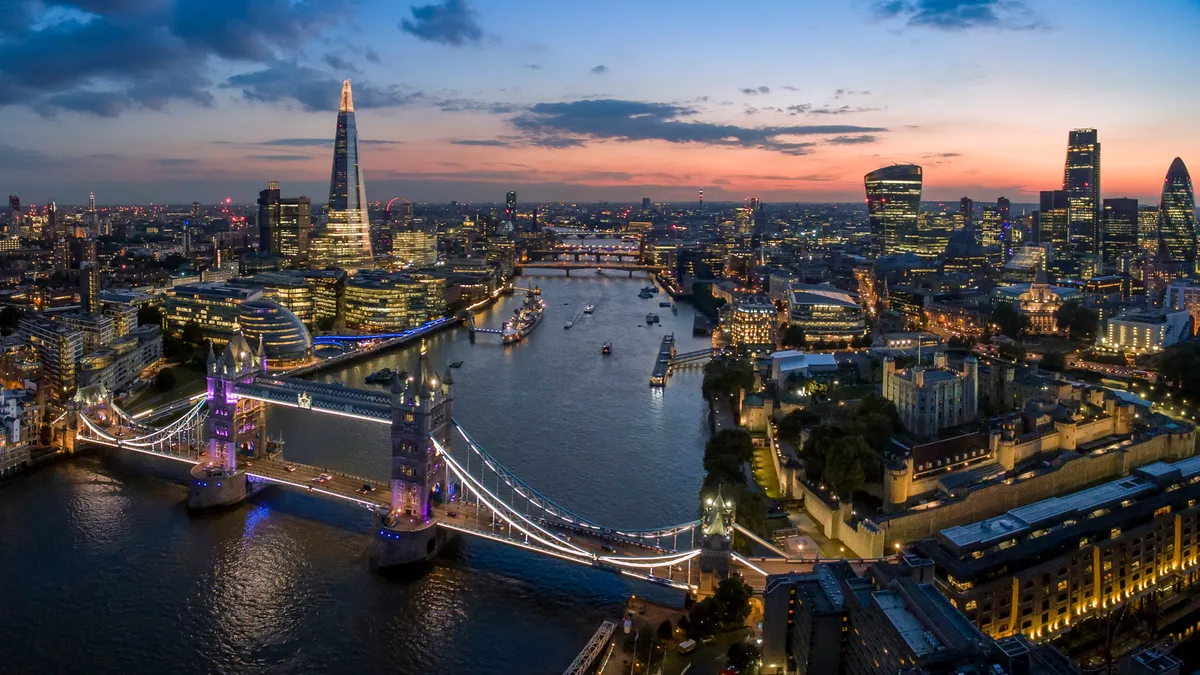
London
Towns & cities · 0.0 km

Horatio Nelson
Memorials & monuments · 0.1 km

Nelson's Column
Memorials & monuments · 0.1 km

Statue of Admiral Lord Nelson
Historic houses · 0.1 km

Henry Havelock
Memorials & monuments · 0.1 km

Canadian Pacific Building
Gardens · 0.1 km

Charles James Napier
Memorials & monuments · 0.1 km

Trafalgar Square
Memorials & monuments · 0.1 km

Trafalgar Theatre
Open-air theatres · 0.1 km
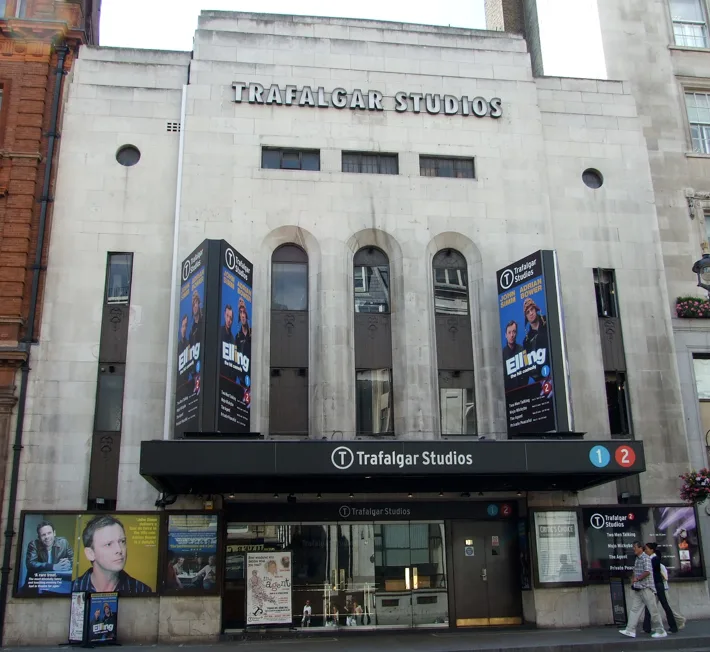
Trafalgar Theatre
Theatres · 0.1 km
Nearby
📷 5Chapels · London
Charing Cross
Charing Cross — a methodist chapel in england-london, United Kingdom.
📷 5Memorials & monuments · London
Mileage Central Point of London Plaque
Mileage Central Point of London Plaque — a memorial in england-london, United Kingdom.
Flagship📷 10Towns & cities · London
London
London — capital and largest city of England and the United Kingdom.
📷 5Memorials & monuments · London
Horatio Nelson
Horatio Nelson is a memorial in the United Kingdom.
📷 5Memorials & monuments · London
Nelson's Column
Nelson's Column is a memorial in the United Kingdom.
📷 5Historic houses · London
Statue of Admiral Lord Nelson
Statue of Admiral Lord Nelson — a Grade I-listed historic house in england-london, United Kingdom.
Where to eat & stay near Charles I
Places to stay
 📷 5
📷 5Hotels · London
The Trafalgar St. James London, Curio Collection by Hilton
The Trafalgar St. James London, Curio Collection by Hilton — a hotel in england london. 5-star. Brand: Hilton.
 📷 5
📷 5Hotels · London
Club Quarters Hotel
Club Quarters Hotel — a hotel in england london.
 📷 5
📷 5Hotels · London
Great Scotland Yard Hotel
Great Scotland Yard Hotel — a hotel in england london. 5-star. Brand: Unbound Collection.
 📷 5
📷 5 📷 5
📷 5 📷 5
📷 5Hotels · London
The Royal Horseguards Hotel, London
The Royal Horseguards Hotel, London — a hotel in england london.
Places to eat & drink
 📷 5
📷 5 📷 5
📷 5 📷 5
📷 5Restaurants · London
Tiger Tiger
Tiger Tiger — a restaurant in england london.
 📷 5
📷 5 📷 5
📷 5 📷 5
📷 5Historic pubs · London
Nell Gwynne Tavern
Nell Gwynne Tavern in England London, United Kingdom.
Other memorials from this era
.jpg?width=1200) 📷 5
📷 5Memorials & monuments · London
Tottenham High Cross
Tottenham High Cross is a memorial in the United Kingdom.
 📷 5
📷 5Memorials & monuments · South East England
King Charles II
King Charles II is a memorial in the United Kingdom.
 📷 3
📷 3Memorials & monuments · Yorkshire & the Humber
The Obelisk
The Obelisk is a memorial in the United Kingdom.
More memorials in this region
.jpg?width=1200) 📷 5
📷 5Memorials & monuments · London
1st Surrey Rifles War Memorial
1st Surrey Rifles War Memorial is a memorial in the United Kingdom.
 📷 5
📷 5Memorials & monuments · London
24th East Surrey Division War Memorial
24th East Surrey Division War Memorial is a memorial in the United Kingdom.
 📷 5
📷 5Memorials & monuments · London
Abney Park Cemetery CWGC Cross
Abney Park Cemetery CWGC Cross is a memorial in the United Kingdom.
 📷 5
📷 5Memorials & monuments · London
Admiral Sir John Franklin
Admiral Sir John Franklin is a memorial in the United Kingdom.
Frequently asked questions
- Where is Charles I?
- Charles I is in London, United Kingdom (postcode WC2N 5DU), in the parish of Westminster, unparished area.
- What is Charles I?
- Charles I — Public artwork (statue) by Hubert Le Sueur.
- How do I get to Charles I?
- The nearest railway station is Charing Cross, about 0.1 km away. The nearest town is London. Drivers can use postcode WC2N 5DU.
- When was Charles I built?
- Built or established in 1633.
- Is Charles I free to visit?
- Yes, Charles I is free to enter.
- How do I get to Charles I?
- The nearest railway station is Charing Cross, about 0.1 km away. Drivers can navigate to postcode WC2N 5DU.