
Museums · East of England
Hinchingbrooke House
In or near Ellington.
Hinchingbrooke House — a Grade I-listed museum in england-london, United Kingdom.

Michael Trolove — CC BY-SA 2.0 via Wikimedia Commons licence

Plan your visit
- Typical visit
- 1.5 h–3 h
- Best time of year
- Year-round
- Nearest railway station
- Huntingdon · 0.6 km
- Family-friendly
- Limited wheelchair access
Getting there & planning your visit
Hinchingbrooke House is located at postcode PE29 3BN, with the nearest railway station being Huntingdon, just 0.6 km away. Entry details are not provided, and wheelchair accessibility is limited.
About
Hinchingbrooke House is a Grade I-listed building in england-london, United Kingdom. Grade I status is conferred by Historic England (or Cadw, Historic Environment Scotland or NIEA equivalents) on buildings of exceptional national interest. See the linked Wikipedia article for full historical and architectural details.
Photo gallery
From the Wikipedia article
Hinchingbrooke House is an English stately home in Huntingdon, Cambridgeshire, now part of Hinchingbrooke School. The house was built around an 11th-century Benedictine nunnery. After the Reformation it passed into the hands of the Cromwell family, and subsequently became the home of the Earls of Sandwich, including John Montagu, 4th Earl of Sandwich, reputedly the "inventor" of the modern sandwich. In 1962 it was sold by the 10th Earl of Sandwich, per a son, the 11th Earl of Sandwich, who was born and raised at Hinchingbrooke House. On 8 March 1538, Richard Williams (alias Cromwell), a nephew of Thomas Cromwell, had the grant of the nunnery of Hinchingbrooke, in Huntingdonshire, for the undervalued price of £19.9s.2d. while he was an official Visitor overseeing the dissolution of the monasteries. A fireplace discovered in the building has his initials. His son, Henry Williams (alias Cromwell), grandfather of Oliver Cromwell, carried out more extensive works on the house. According to Mark Noble, an eighteenth-century writer and frequent visitor at Hinchingbrooke, "The nuns' apartments, or cells, at Hinchinbrook, are now entire, and are used as lodging-rooms for the menial servants; their common room was what is now the kitchen; the church is destroyed, except some trifling remains, now part of one of the walls of the house, and seem to have been the corner of the tower; near this place in lowering the flooring, a few years ago, one or more coffins of stone were found", and "On the bow windows he put the arms of his family, with those of several others to whom he was allied". Queen Elizabeth stayed at Hinchingbrooke in August 1564 after entertainments at Cambridge University. King James came to Hinchingbrooke on 27 April 1603 and Sir Oliver Cromwell gave him hawks, horses, hounds, and a gold cup. The king was back on 7 December 1610, and Prince Henry stayed on 8 August 1612. There was a serious fire in 1830 and the house was restored/rebuilt by Edward Blore. It was…
Excerpt from Wikipedia under CC BY-SA 4.0. See the source article linked in Sources below.
- Coordinates
- 52.3286, -0.2014
- County
- Cambridgeshire
- District
- Huntingdonshire
- Parish
- Huntingdon
- Postcode
- PE29 3BN
- Parliamentary constituency
- Huntingdon
- Nearest railway station
- Huntingdon — 0.6 km
Sources
- wikidata: Q5765720 (CC0)
- wikipedia: Hinchingbrooke House (CC BY-SA 4.0)
Other places nearby
Gatehouse And Walls At Hinchingbrooke House
Historic houses · 0.1 km
Performing Arts Centre
Theatres · 0.2 km

The Nuns' Bridge
Historic bridges · 0.4 km

Huntingdon railway station
Heritage railway stations · 0.6 km

Willows Caravan Park and Marina
Caravan parks · 0.7 km
Willows Caravan Park and Marina
Caravan parks · 0.8 km

Sebastapol Cannon
Memorials & monuments · 0.9 km

bird hide
Viewpoints · 0.9 km

The Brampton Mill
Watermills · 0.9 km

Pepys House
Historic houses · 1.1 km

The George Hotel
Hotels · 1.1 km
.jpg?width=1200)
Walden House
Historic houses · 1.1 km
Nearby
📷 5Historic houses · East of England
Gatehouse And Walls At Hinchingbrooke House
Gatehouse And Walls At Hinchingbrooke House — a Grade I-listed historic house in england-london, United Kingdom.
📷 5Theatres · East of England
Performing Arts Centre
Performing Arts Centre is a theatre in the United Kingdom.
📷 5Historic bridges · East of England
The Nuns' Bridge
The Nuns' Bridge — scheduled monument-listed bridge in england-london, United Kingdom.
📷 5Heritage railway stations · East of England
Huntingdon railway station
Huntingdon railway station — a Grade II-listed railway station in england-london, United Kingdom.
📷 5Caravan parks · East of England
Willows Caravan Park and Marina
Willows Caravan Park and Marina — a caravan park in england london.
📷 5Caravan parks · East of England
Willows Caravan Park and Marina
Willows Caravan Park and Marina — a caravan park in england london.
Where to eat & stay near Hinchingbrooke House
Places to stay
📷 5Caravan parks · East of England
Willows Caravan Park and Marina
Willows Caravan Park and Marina — a caravan park in england london.
📷 5Caravan parks · East of England
Willows Caravan Park and Marina
Willows Caravan Park and Marina — a caravan park in england london.
📷 5Hotels · East of England
The George Hotel
The George Hotel — a hotel in england london.
 📷 6
📷 6 📷 5
📷 5Caravan parks · East of England
Huntingdon Boat Haven and Caravan Park
Huntingdon Boat Haven and Caravan Park — a caravan park in england london.
📷 5Caravan parks · East of England
Huntingdon Boat Haven & Caravan Park
Huntingdon Boat Haven & Caravan Park — a caravan park in england london.
Places to eat & drink
 📷 5
📷 5 📷 5
📷 5Historic pubs · East of England
Three Tuns Public House
Three Tuns Public House in England East, United Kingdom.
 📷 7
📷 7Restaurants · East of England
The Old Bridge Hotel
The Old Bridge Hotel — a restaurant in england london.
 📷 5
📷 5Historic pubs · East of England
King Of The Belgians Public House
King Of The Belgians Public House in England East, United Kingdom.
 📷 5
📷 5Historic pubs · East of England
The Swan And Salmon
The Swan And Salmon in England East, United Kingdom.
 📷 5
📷 5Historic pubs · East of England
Three Jolly Butchers Public House
Three Jolly Butchers Public House in England East, United Kingdom.
More museums in this region
 📷 5
📷 5Museums · East of England
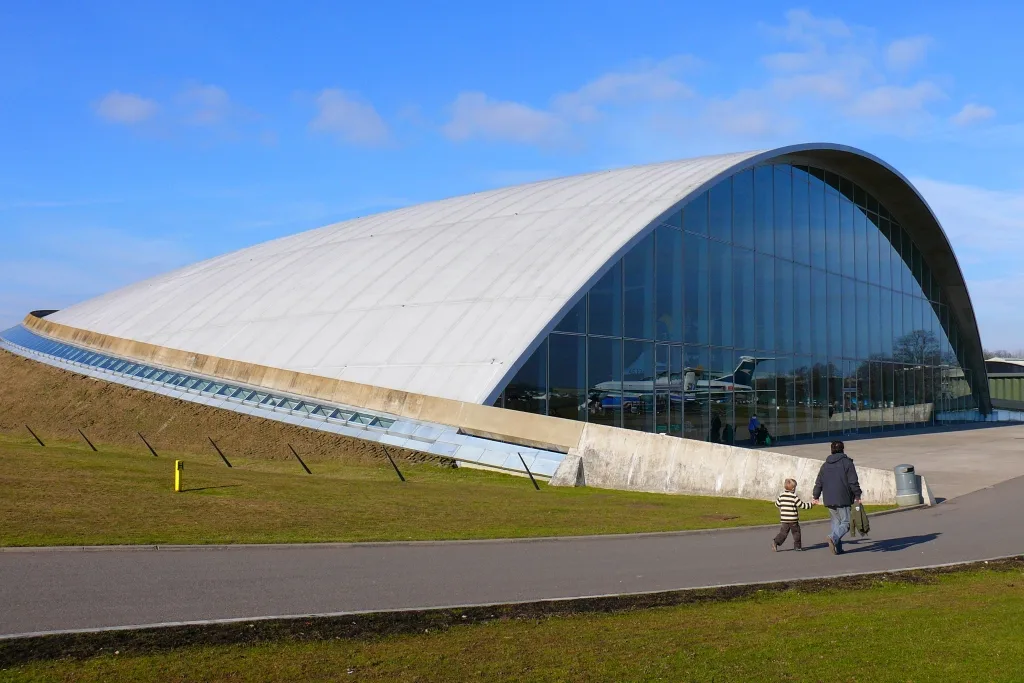
American Air Museum
American Air Museum — museum at Imperial War Museum Duxford, Cambridgeshire, England, UK.
 📷 5
📷 5Museums · East of England
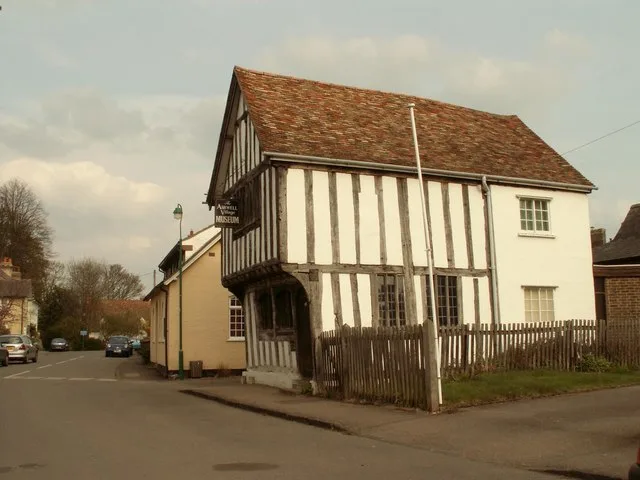
Ashwell Village Museum
Ashwell Village Museum — historic building museum in Ashwell, Hertfordshire, England, United Kingdom.
 📷 5
📷 5Museums · East of England
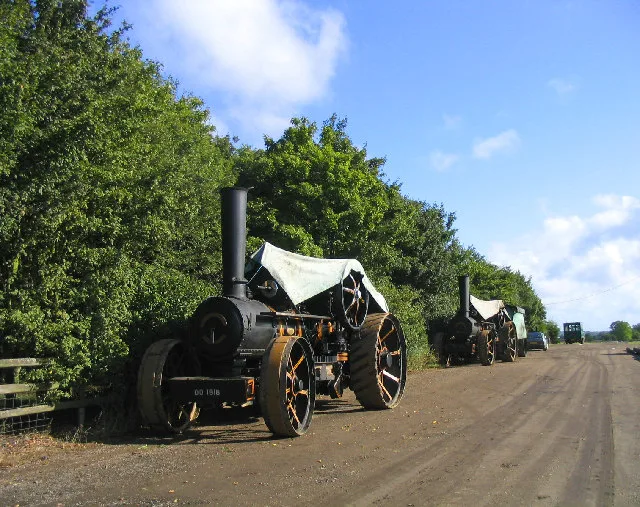
Barleylands Farm Museum
Barleylands Farm Museum — Farm museum in Billericay, England.
 📷 5
📷 5Museums · East of England
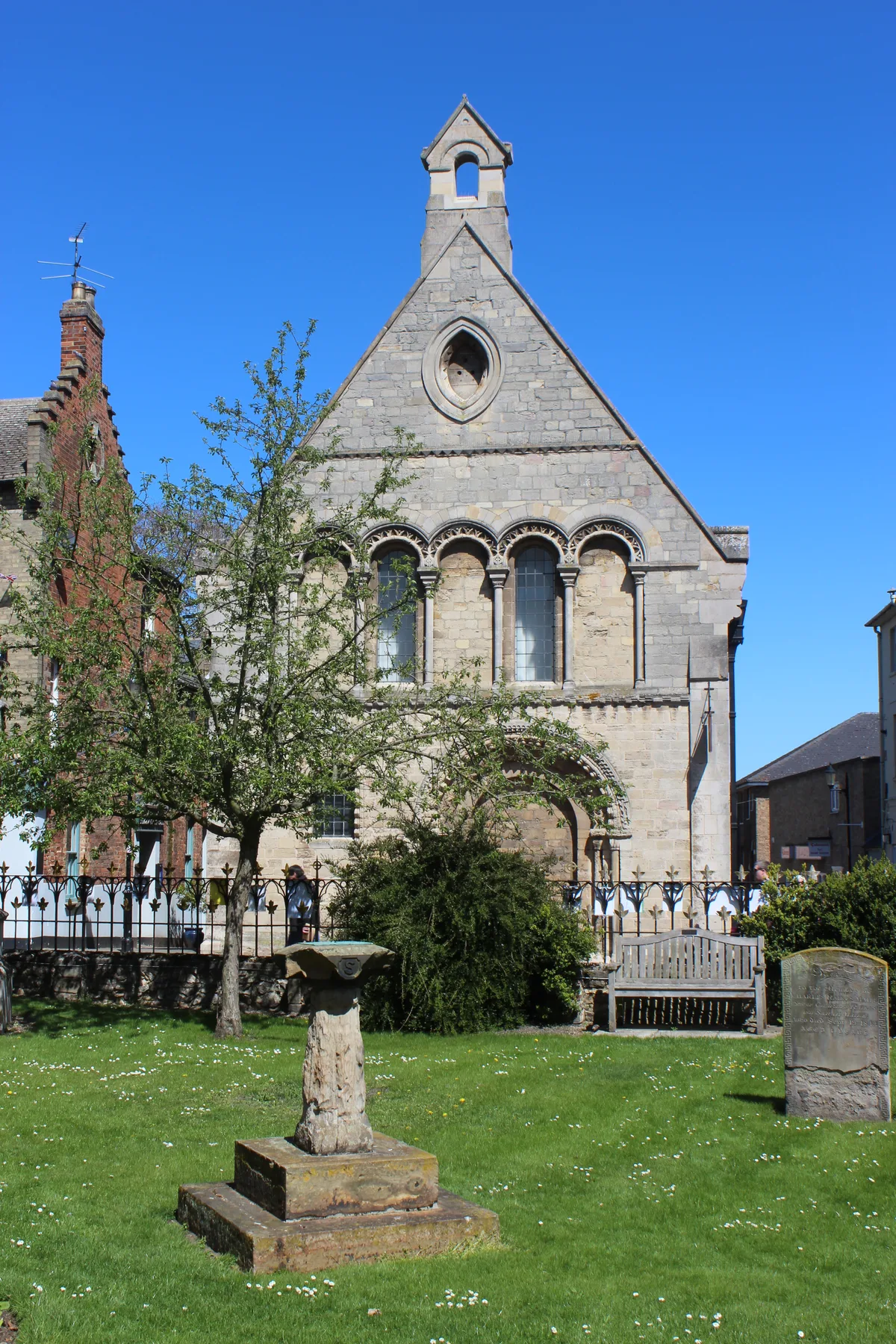
Cromwell Museum
Cromwell Museum — museum in Huntingdon, England, United Kingdom.
Frequently asked questions
- Where is Hinchingbrooke House?
- Hinchingbrooke House is in Cambridgeshire, East of England, United Kingdom (postcode PE29 3BN), in the parish of Huntingdon.
- What is Hinchingbrooke House?
- Hinchingbrooke House — a Grade I-listed museum in england-london, United Kingdom.
- How do I get to Hinchingbrooke House?
- The nearest railway station is Huntingdon, about 0.6 km away. The nearest town is Ellington. Drivers can use postcode PE29 3BN.
- Who owns Hinchingbrooke House?
- Hinchingbrooke House is owned by Hinchingbrooke School.
- Is Hinchingbrooke House a listed building?
- Hinchingbrooke House is officially recognised as Grade I listed.
- How do I get to Hinchingbrooke House?
- The nearest railway station is Huntingdon, about 0.6 km away. Drivers can navigate to postcode PE29 3BN.