
Cathedrals · Central Scotland
Glasgow Cathedral
In or near Glasgow.
Glasgow Cathedral — church in Glasgow, Scotland, UK.

Wikimedia Commons contributors — see linked file page for photographer and licence licence
.jpg)
Plan your visit
- Typical visit
- 1 h–2 h
- Best time of year
- Year-round
- Nearest railway station
- High Street · 0.5 km
- Free entry
- Family-friendly
- Limited wheelchair access
Getting there & planning your visit
To visit Glasgow Cathedral, you can reach it via High Street railway station, which is 0.5 km away. Entry is free, but please note that wheelchair accessibility is limited. The postcode for sat-nav is G4 0QZ.
About
Glasgow Cathedral is a cathedral in the United Kingdom — the principal church of a diocese. Records date its origin to 1136. Built in the Gothic architecture style. Heritage designation: category A listed building. Affiliated with Church of Scotland. Named after Saint Mungo. Part of Presbytery of Glasgow. Wikidata describes it as: "church in Glasgow, Scotland, UK". Coordinates: 55.8631°, -4.2346°.
Photo gallery
See it from the streetimagery from 2024
Imagery © Mapillary contributors, CC BY-SA 4.0
Heritage listing
Glasgow Cathedral (Scottish Gaelic: Cathair-eaglais Ghlaschu) is a parish church of the Church of Scotland in Glasgow, Scotland. It was the cathedral church of the Archbishop of Glasgow, and the mother church of the Archdiocese of Glasgow and the province of Glasgow, from the 12th century until the Scottish Reformation in the 16th century. It is the oldest cathedral in mainland Scotland and the oldest building in Glasgow. With St Magnus Cathedral in Orkney, they are the only medieval cathedrals in Scotland to have survived the Reformation virtually intact. The medieval Bishop's Castle stood to the west of the cathedral until 1789.
From Historic Environment Scotland under OGL v3.
From Historic Environment Scotland
Visit the site of the shrine of St Kentigern, around which Scotland’s largest city sprang up.
Read more on the official property page.
From the Wikipedia article
Glasgow Cathedral (Scottish Gaelic: Cathair-eaglais Ghlaschu) is a parish church of the Church of Scotland in Glasgow, Scotland. It was the cathedral church of the Archbishop of Glasgow, and the mother church of the Archdiocese of Glasgow and the province of Glasgow, from the 12th century until the Scottish Reformation in the 16th century. It is the oldest cathedral in mainland Scotland and the oldest building in Glasgow. With St Magnus Cathedral in Orkney, they are the only medieval cathedrals in Scotland to have survived the Reformation virtually intact. The medieval Bishop's Castle stood to the west of the cathedral until 1789. Although notionally it lies within the Townhead area of the city, the Cathedral grounds and the neighbouring Necropolis are considered to be their own district within the city. The cathedral is dedicated to Saint Mungo (also known as Kentigern), the patron saint of Glasgow, whose tomb lies at the centre of the building's Lower Church. The first stone cathedral was dedicated in 1136, in the presence of David I. Fragments of this building have been found beneath the structure of the present cathedral, which was dedicated in 1197, although much of the present cathedral dates from a major rebuilding in the 13th century. Following its foundation in 1451, the University of Glasgow held its first classes within the cathedral's chapter house. After the Reformation, Glasgow Cathedral was internally partitioned to serve three separate Church of Scotland congregations (Inner High, Outer High and Barony). The early 19th century saw a growing appreciation of the cathedral's medieval architecture, and by 1835 both the Outer High and Barony congregations had moved elsewhere in the city, allowing the restoration of the cathedral to something approaching its former glory. Glasgow Cathedral has been Crown property since 1587. The entire cathedral building passed into the care of the state in 1857, and today it is the responsibility of Historic Environment…
Excerpt from Wikipedia under CC BY-SA 4.0. See the source article linked in Sources below.
Background
History
The history of Glasgow Cathedral is closely linked with that of the city. In the 6th century Saint Mungo is said to have brought the body of a holy man, Fergus, for burial at a site named Cathures (which came to be known as Glasgow). Saint Ninian is reputed to have dedicated the burial ground there on the western bank of the Molendinar Burn in the 5th century (the cathedral's Blackadder Aisle may mark this site). Mungo built a monastic cell in the burial ground, and was buried in his church there in 614. His shrine in the Lower Church of Glasgow Cathedral was an important place of pilgrimage in the medieval period. Little is known about the early church buildings, except that they would…
Sourced from Wikipedia under CC BY-SA 4.0.
- Coordinates
- 55.8631, -4.2346
- District
- Glasgow City
- Postcode
- G4 0QZ
- Parliamentary constituency
- Glasgow North East
- Phone
- +44 141 276 1625
- Established
- 1136
- Nearest railway station
- High Street — 0.5 km
- Official site
- www.glasgowcathedral.org.uk
Sources
- wikidata: Q1473348 (CC0)
- wikipedia: Glasgow Cathedral (CC BY-SA 4.0)
- commons: 2018 07 19 Schottland (33).jpg (CC BY-SA 4.0)
Featured in these 3 guides
Itinerary
Weekend in Glasgow
Charles Rennie Mackintosh, Kelvingrove, the Necropolis, and the best Victorian architecture in Europe.
Itinerary
A weekend in Glasgow
Mackintosh, Victorian splendour and the Kelvingrove.
Itinerary
Historic Environment Scotland flagship sites
Ten must-visit HES properties from Edinburgh to Shetland.
Other places nearby

James Lumsden Statue
Other places · 0.1 km

Royal Highland Fusiliers Memorial
Memorials & monuments · 0.1 km
Glasgow - Korean War Memorial
Memorials & monuments · 0.1 km

Glasgow VC Recipients Memorial
Memorials & monuments · 0.1 km

James White of Overtoun
Other places · 0.1 km

Bishop's Palace Memorial Pillar
Memorials & monuments · 0.1 km
Memorial Stone, Cathedral Square, Glasgow
Memorials & monuments · 0.1 km

Sir William Wallace Memorial
Memorials & monuments · 0.1 km

Bridge of Sighs
Historic bridges · 0.1 km

William Miller Memorial
Memorials & monuments · 0.1 km
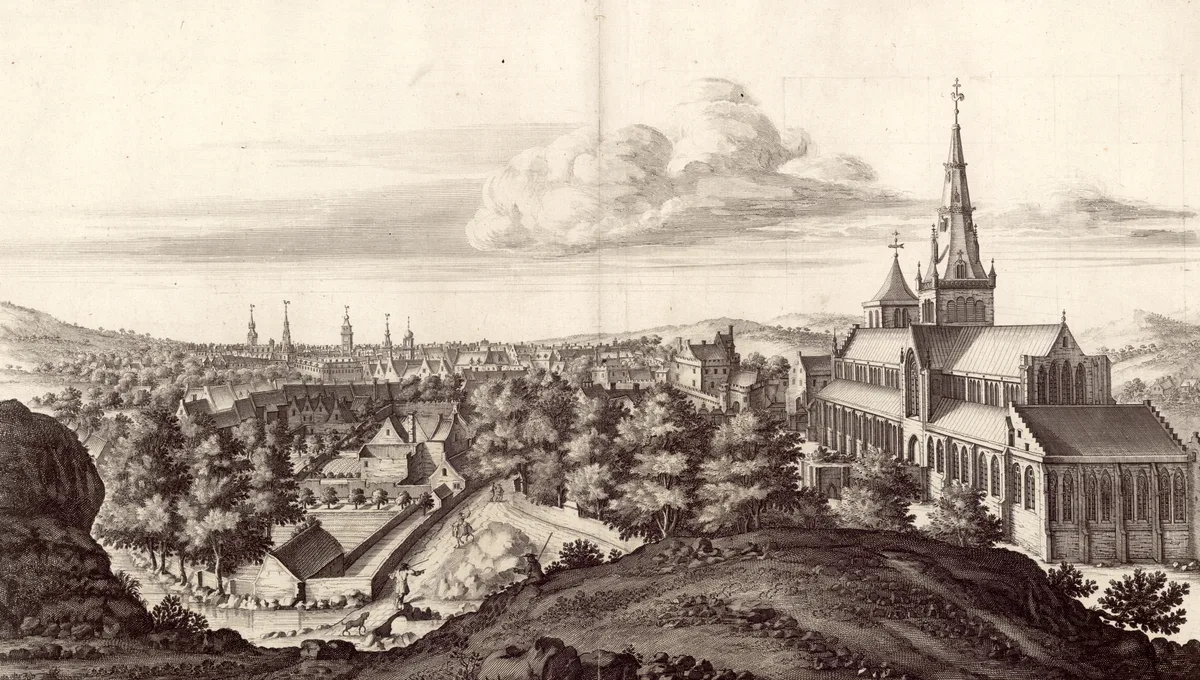
Bishop's Castle
Castles · 0.1 km

David Livingstone Statue
Heritage railway stations · 0.1 km
Nearby
📷 3Other places · Central Scotland
James Lumsden Statue
James Lumsden Statue — Public artwork (statue) by John Mossman.
📷 3Memorials & monuments · Central Scotland
Royal Highland Fusiliers Memorial
Royal Highland Fusiliers Memorial — a memorial in scotland-central, United Kingdom.
📷 3Memorials & monuments · Central Scotland
Glasgow - Korean War Memorial
Glasgow - Korean War Memorial — a memorial in scotland-central, United Kingdom.
📷 3Memorials & monuments · Central Scotland
Glasgow VC Recipients Memorial
Glasgow VC Recipients Memorial — a memorial in scotland-central, United Kingdom.
📷 3Other places · Central Scotland
James White of Overtoun
James White of Overtoun — Public artwork (statue) by Francis Leslie.
📷 3Memorials & monuments · Central Scotland
Bishop's Palace Memorial Pillar
Bishop's Palace Memorial Pillar — a memorial in scotland-central, United Kingdom.
Where to eat & stay near Glasgow Cathedral
Places to stay
 📷 5
📷 5Hostels · Central Scotland
Tartan Lodge
Tartan Lodge — a hostel in scotland central.
 📷 5
📷 5Hostels · Central Scotland
Wallace of Campsie House
Wallace of Campsie House — a hostel in scotland central.
 📷 5
📷 5 📷 5
📷 5Hotels · Central Scotland
Millennium Hotel Glasgow
Millennium Hotel Glasgow — a hotel in scotland central.
 📷 5
📷 5Hotels · Central Scotland
Merchant City Inn
Merchant City Inn — a hotel in scotland central.
 📷 5
📷 5Hotels · Central Scotland
Ibis Styles Glasgow Centre George Square
Ibis Styles Glasgow Centre George Square — a hotel in scotland central. 3-star. Brand: Ibis Styles.
Places to eat & drink
 📷 7
📷 7Historic pubs · Central Scotland
374-378 Gallowgate
374-378 Gallowgate in Scotland Central, United Kingdom.
 📷 5
📷 5Historic pubs · Central Scotland
Public House, 9, 11, 13 Watson Street, Glasgow
Public House, 9, 11, 13 Watson Street, Glasgow in Scotland Central, United Kingdom.
 📷 5
📷 5Historic pubs · Central Scotland
Public House, 69 Hutcheson Street, Glasgow
Public House, 69 Hutcheson Street, Glasgow in Scotland Central, United Kingdom.
 📷 7
📷 7Historic pubs · Central Scotland
Bank of Scotland, 2 St Vincent Place, Glasgow
Bank of Scotland, 2 St Vincent Place, Glasgow in Scotland Central, United Kingdom.
 📷 5
📷 5Historic pubs · Central Scotland
27a, 29 St Vincent Place, Public House
27a, 29 St Vincent Place, Public House in Scotland Central, United Kingdom.
 📷 5
📷 5Historic pubs · Central Scotland
Horse Shoe Bar, 17-21 Drury Street, Glasgow
Horse Shoe Bar, 17-21 Drury Street, Glasgow in Scotland Central, United Kingdom.
Other cathedrals from this era
 📷 5
📷 5Cathedrals · South East England
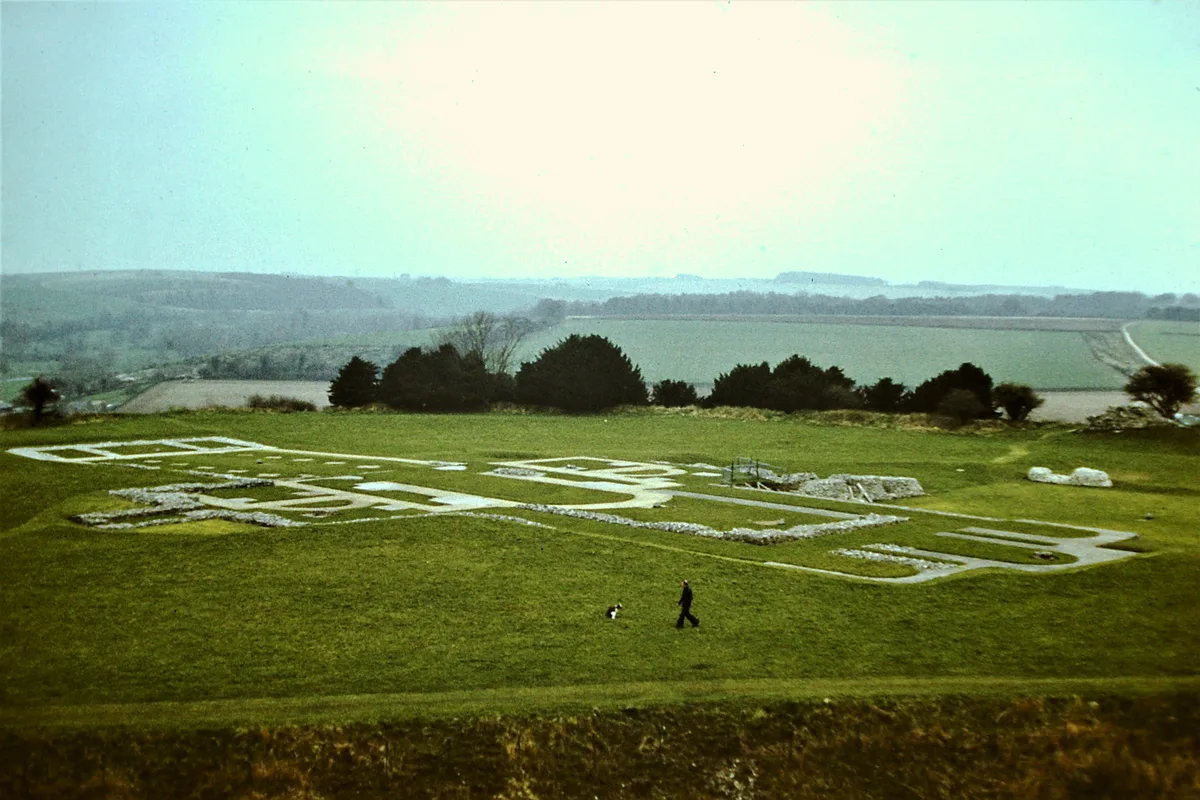
Old Sarum Cathedral
Old Sarum Cathedral — Grade I listed former cathedral in Salisbury, Wiltshire, England, UK.
 📷 3
📷 3Cathedrals · South East England
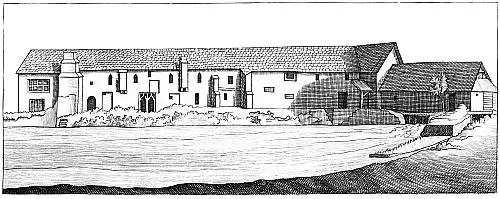
Osney Abbey
Osney Abbey — house of Augustinian canons at Osney in Oxfordshire, England, UK.
 ★ Iconic📷 4
Cathedrals · South West England
Salisbury Cathedral
Britain's tallest spire, single-style Early English Gothic, holds a Magna Carta original.
 ★ Iconic📷 4
Cathedrals · South West England
Wells Cathedral
First all-Gothic English cathedral, with the famous scissor arches and a 1390 clock.
More cathedrals in this region
 📷 4
📷 4Cathedrals · Central Scotland
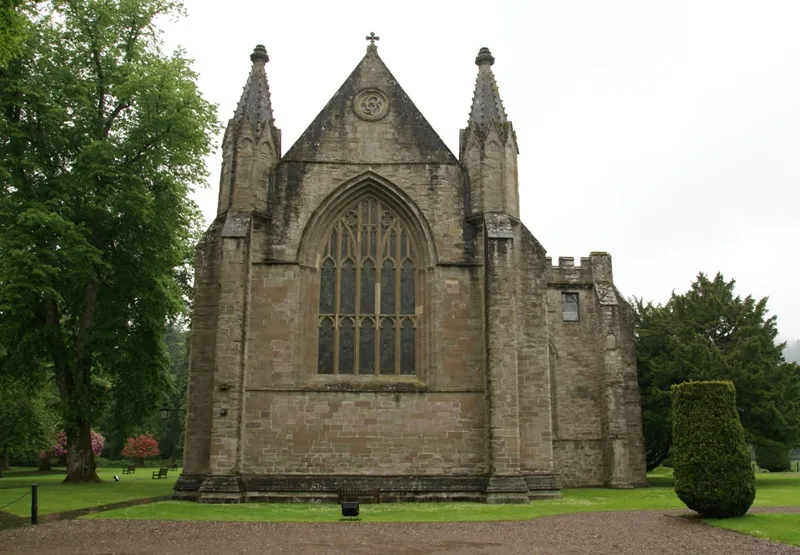
Dunkeld Cathedral
Dunkeld Cathedral — church in Perth and Kinross, Scotland, UK.
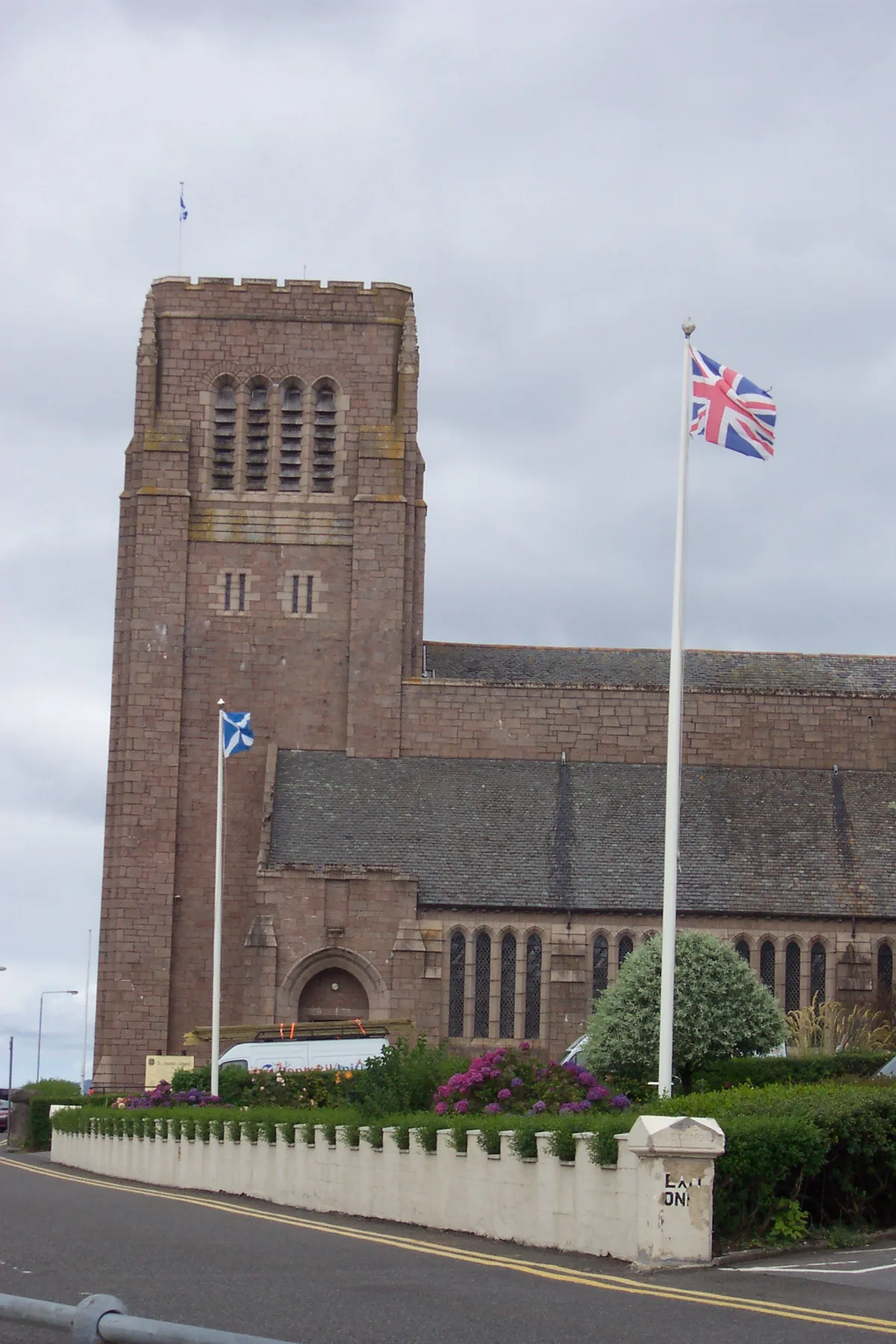 📷 5
📷 5Cathedrals · Central Scotland
St Columba's Cathedral
St Columba's Cathedral — cathedral in Oban, Argyll, Scotland.
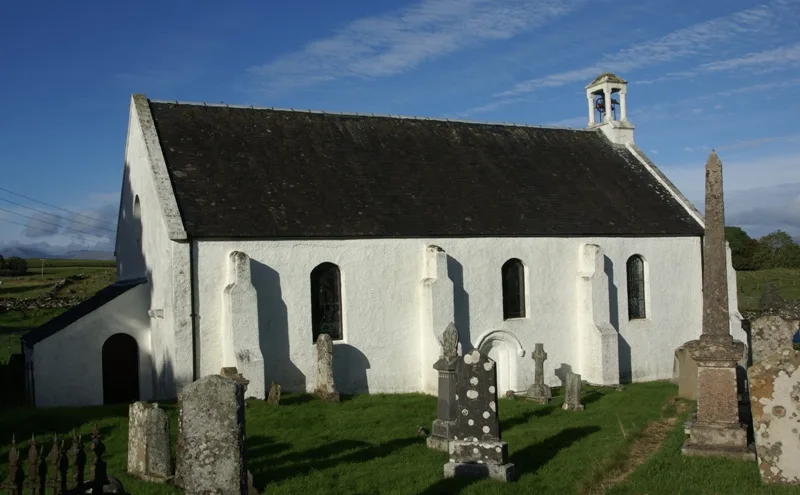 📷 3
📷 3Cathedrals · Central Scotland
St Moluag's Cathedral, Lismore
St Moluag's Cathedral, Lismore — cathedral in Argyll and Bute, Scotland, UK.
 📷 4
📷 4Frequently asked questions
- Where is Glasgow Cathedral?
- Glasgow Cathedral is in central Scotland, United Kingdom (postcode G4 0QZ).
- What is Glasgow Cathedral?
- Glasgow Cathedral — church in Glasgow, Scotland, UK.
- How do I get to Glasgow Cathedral?
- The nearest railway station is High Street, about 0.5 km away. The nearest town is Glasgow. Drivers can use postcode G4 0QZ.
- When was Glasgow Cathedral built?
- Built or established in 1136.
- Is Glasgow Cathedral a listed building?
- Glasgow Cathedral is officially recognised as category A listed building listed.
- Is Glasgow Cathedral free to visit?
- Yes, Glasgow Cathedral is free to enter.
- How do I get to Glasgow Cathedral?
- The nearest railway station is High Street, about 0.5 km away. Drivers can navigate to postcode G4 0QZ.