
Castles · East of England
Framlingham Castle
In or near Easton.
Framlingham Castle — grade I listed historic house museum in Framlingham, Suffolk, England, UK.

Wikimedia Commons contributors — see linked file page for photographer and licence licence

Plan your visit
- Typical visit
- 1.5 h–3 h
- Nearest railway station
- Wickham Market · 8.9 km
- Paid entry
- Family-friendly
- Limited wheelchair access
Getting there & planning your visit
To visit Framlingham Castle, the nearest railway station is Wickham Market, located 8.9 km away. The postcode for sat-nav is IP13 9BP, and entry is paid. Accessibility is limited for wheelchair users.
About
Framlingham Castle is a castle in the United Kingdom — fortified architecture from the medieval, Tudor, or Victorian-revival period. Constructed primarily of flint. Heritage designation: Grade I listed building. Owned by English Heritage. Managed by English Heritage. Wikidata describes it as: "grade I listed historic house museum in Framlingham, Suffolk, England, UK". Coordinates: 52.2246°, 1.3466°.
Photo gallery
Heritage listing
Framlingham Castle is a castle in the market town of Framlingham, Suffolk, England. An early motte and bailey or ringwork Norman castle was built on the Framlingham site by 1148, but this was destroyed (slighted) by Henry II of England in the aftermath of the Revolt of 1173–1174. Its replacement, constructed by Roger Bigod, the Earl of Norfolk, was unusual for the time in having no central keep, but instead using a curtain wall with thirteen mural towers to defend the centre of the castle. Despite this, the castle was successfully taken by King John in 1216 after a short siege. By the end of the 13th century, Framlingham had become a luxurious home, surrounded by extensive parkland used for hunting.
From the Historic England List Entry under OGL v3.
From English Heritage
Framlingham Castle is one of medieval England’s finest baronial fortresses, with plenty to see and do.
Read more on the official property page.
Protected designations
- Area of Outstanding Natural Beauty: Suffolk Coast & Heaths
Designations sourced from Natural England open data under OGL v3.
From the Wikipedia article
Framlingham Castle is a castle in the market town of Framlingham, Suffolk, England. An early motte and bailey or ringwork Norman castle was built on the Framlingham site by 1148, but this was destroyed (slighted) by Henry II of England in the aftermath of the Revolt of 1173–1174. Its replacement, constructed by Roger Bigod, the Earl of Norfolk, was unusual for the time in having no central keep, but instead using a curtain wall with thirteen mural towers to defend the centre of the castle. Despite this, the castle was successfully taken by King John in 1216 after a short siege. By the end of the 13th century, Framlingham had become a luxurious home, surrounded by extensive parkland used for hunting. During the 15th and 16th centuries Framlingham was at the heart of the estates of the powerful Mowbray and Howard families. Two artificial meres were built around the castle, which was expanded in fashionable brick. With a large, wealthy household to maintain, the castle purchased supplies from across England and brought in luxury goods from international markets. Extensive pleasure gardens were built within the castle and older parts redesigned to allow visitors to enjoy the resulting views. By the end of the 16th century, however, the castle fell into disrepair and after the final Howard owner, Theophilus, entered into financial difficulties the castle and the surrounding estates were sold off. In 1636, Framlingham Castle was given to Pembroke College, Cambridge, as a philanthropic gesture, and remained in its ownership for some three hundred years. In the 17th century, the internal buildings were taken down to make way for the construction of a poor law workhouse within the castle; it was used in this way until 1839, when the facility was closed; the castle was then used as a drill hall and as a county court. In 1913, Pembroke College placed Framlingham into the guardianship of the Commissioner of Works. During the Second World War, Framlingham Castle was used by the…
Excerpt from Wikipedia under CC BY-SA 4.0. See the source article linked in Sources below.
Background
Architecture
Framlingham Castle is located on a bluff overlooking the River Ore, and today is made up of three distinct parts, the Inner Court, the Bailey and the Lower Court, surrounded by the remaining mere and farmland. The Bailey lies to the south of the walled Inner Court and was originally topped by a wooden palisade and earthworks, of which only the latter survive. The Bailey would have entered from an eastern gate and contained a range of buildings, probably including a Sergeant's Chamber, a Knights' Chamber, the Great Stable, barns and a granary. Modern visitors to the castle enter the complex through the Bailey from the south, which also contains the modern car park for the castle. The Inner…
Sourced from Wikipedia under CC BY-SA 4.0.
- Coordinates
- 52.2246, 1.3466
- County
- Suffolk
- District
- East Suffolk
- Parish
- Framlingham
- Postcode
- IP13 9BP
- Parliamentary constituency
- Central Suffolk and North Ipswich
- Phone
- 0370 333 1181
- Nearest railway station
- Wickham Market — 8.9 km
- Opening
- Daily 10am–5pm; last entry at 4.30pm
- Official site
- www.english-heritage.org.uk
Sources
- wikidata: Q2524183 (CC0)
- wikipedia: Framlingham Castle (CC BY-SA 4.0)
- commons: Framlingham Castle Sunset.jpg (CC BY-SA 4.0)
Other places nearby

Tower 9
Historic houses · 0.0 km
Tower 8
Historic houses · 0.0 km

Tower 10
Historic houses · 0.0 km

Tower 7
Historic houses · 0.0 km

Tower 11
Historic houses · 0.0 km
Tudor Bridge Remains
Historic bridges · 0.0 km
Tower 6
Historic houses · 0.1 km
Western Tower
Historic houses · 0.1 km

Tower 12
Historic houses · 0.1 km

Tower 5
Historic houses · 0.1 km

Tower 13
Historic houses · 0.1 km

Tower 1
Historic houses · 0.1 km
Nearby
📷 3Historic houses · East of England
Tower 9
Tower 9 — a historic house in england-east, United Kingdom.
📷 3Historic houses · East of England
Tower 8
Tower 8 — a historic house in england-east, United Kingdom.
📷 3Historic houses · East of England
Tower 10
Tower 10 — a historic house in england-east, United Kingdom.
📷 3Historic houses · East of England
Tower 7
Tower 7 — a historic house in england-east, United Kingdom.
📷 3Historic houses · East of England
Tower 11
Tower 11 — a historic house in england-east, United Kingdom.
📷 3Historic bridges · East of England
Tudor Bridge Remains
Tudor Bridge Remains — a bridge in england-east, United Kingdom.
Where to eat & stay near Framlingham Castle
Places to stay
 📷 5
📷 5 📷 4
📷 4Campsites · East of England
Nether Oaks Camping
Nether Oaks Camping — a campsite in england east.
 📷 5
📷 5Campsites · East of England
Lanterns and Larks Glamping Suffolk
Lanterns and Larks Glamping Suffolk — a campsite in england east.
 📷 5
📷 5Campsites · East of England
Birds and Bees Campsite
Birds and Bees Campsite — a campsite in england east.
 📷 7
📷 7 📷 5
📷 5Campsites · East of England
Brick Kiln Farm
Brick Kiln Farm — a campsite in england east.
Places to eat & drink
 📷 5
📷 5Historic pubs · East of England
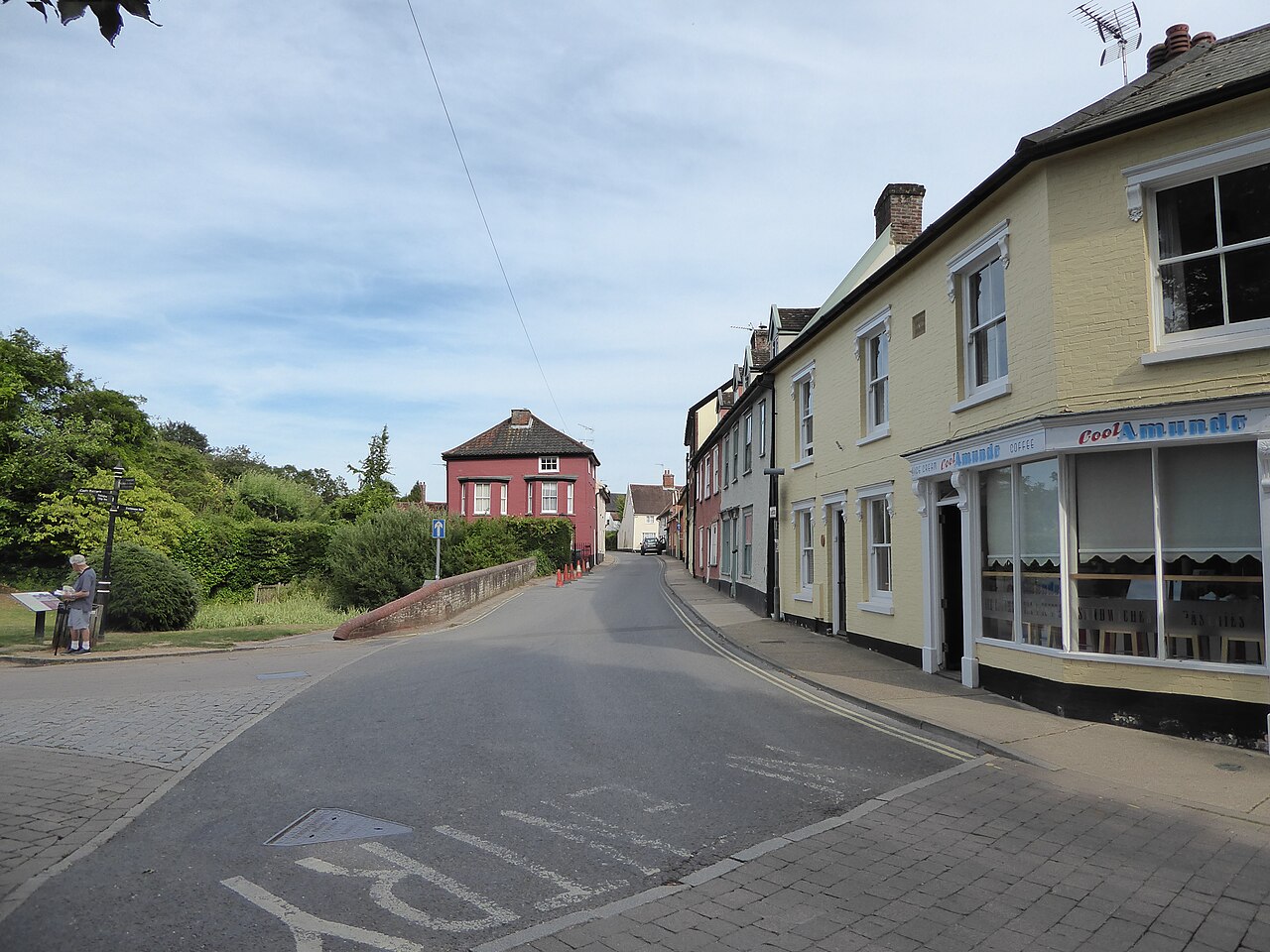
Hare And Hounds Public House
Hare And Hounds Public House in England East, United Kingdom.
 📷 5
📷 5 📷 5
📷 5Historic pubs · East of England
New Bell Public House
New Bell Public House in England East, United Kingdom.
 📷 5
📷 5Historic pubs · East of England
The Swan Inn, Worlingworth
The Swan Inn, Worlingworth in England East, United Kingdom.
 📷 7
📷 7Historic pubs · East of England
The Lion, Little Glemham
The Lion, Little Glemham in England East, United Kingdom.
 📷 5
📷 5More places run by English Heritage
 Flagship📷 10
Museums · London
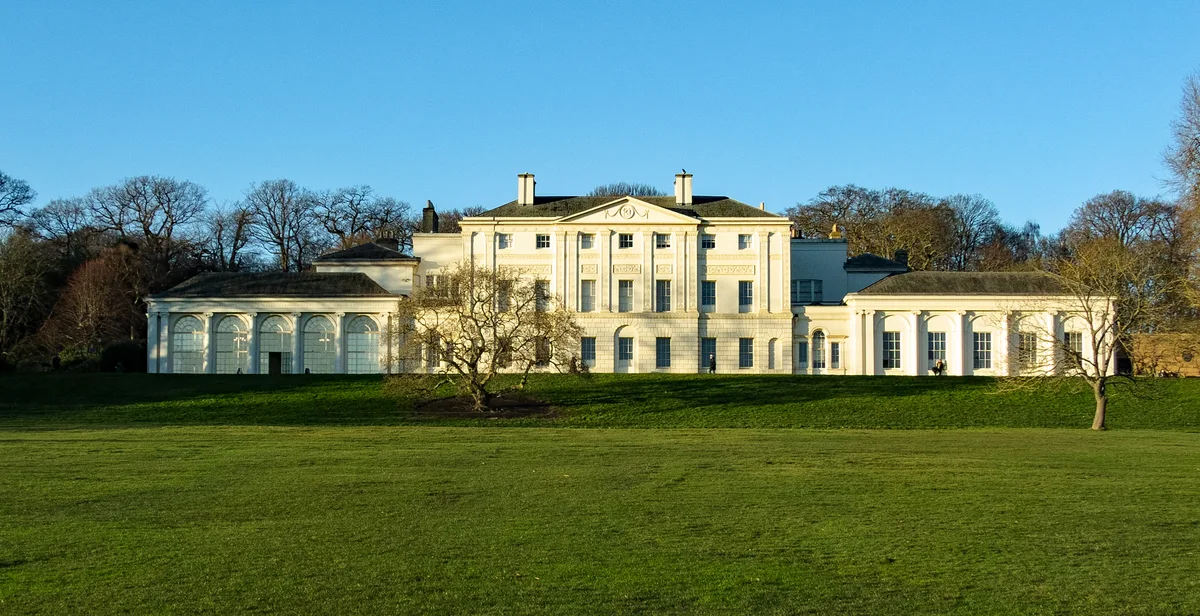
Kenwood House
Kenwood House — art museum and historic house in Hampstead, London.
 📷 5
📷 5Galleries · London
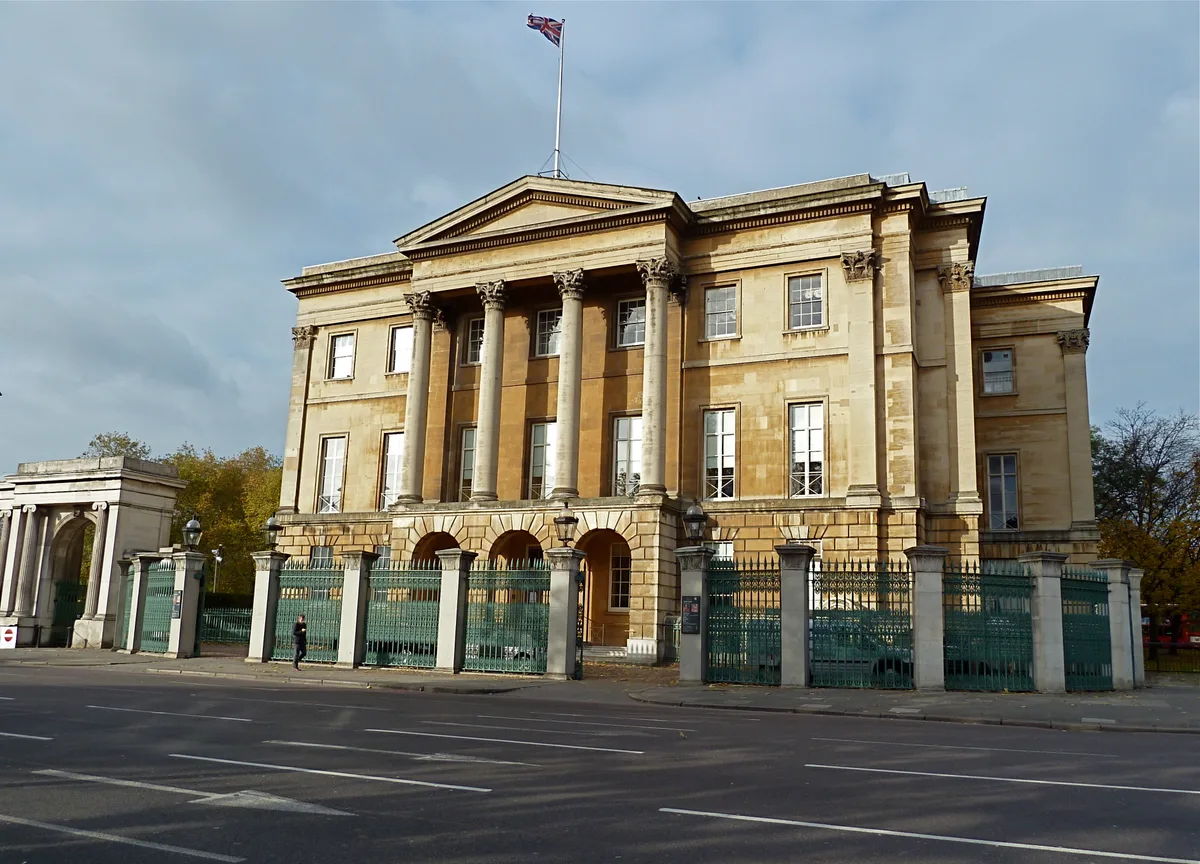
Apsley House
Apsley House — London townhouse of the Dukes of Wellington.
 📷 5
📷 5Castles · London
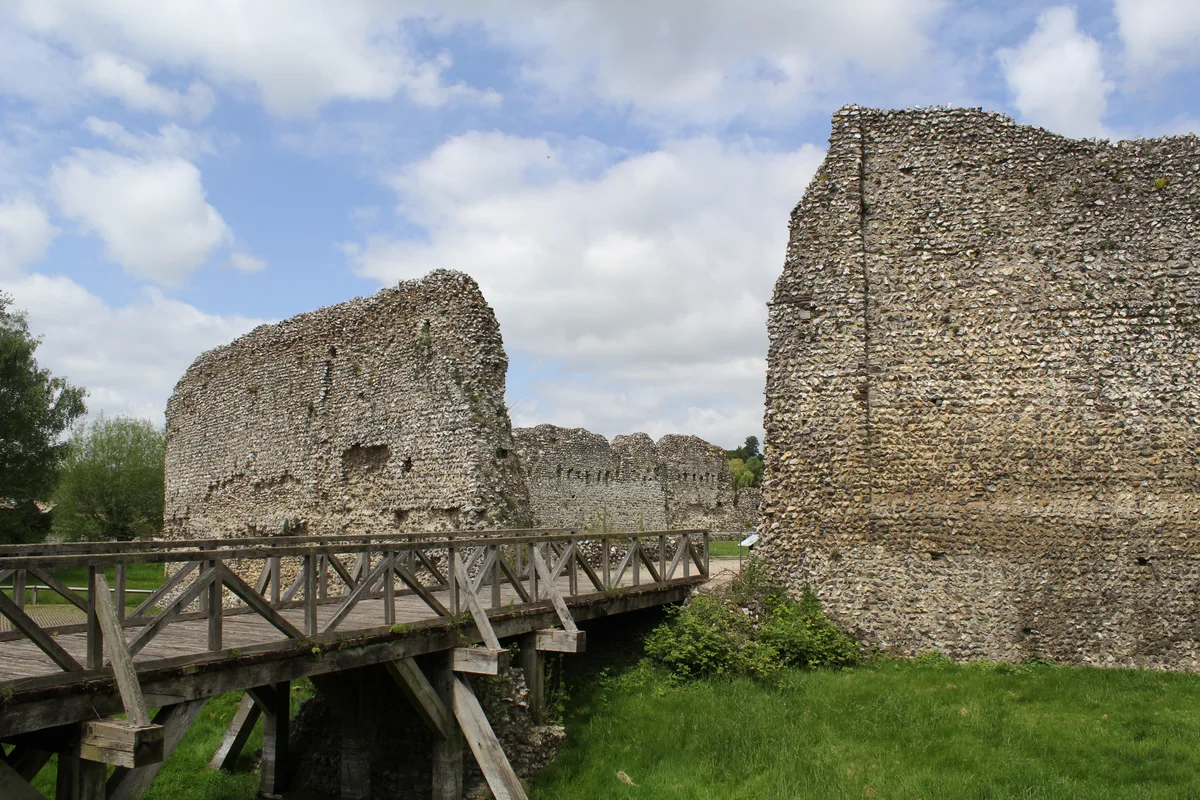
Eynsford Castle
Eynsford Castle — castle, now ruinous, in Eynsford, Kent, England, UK.
 📷 5
📷 5Museums · London
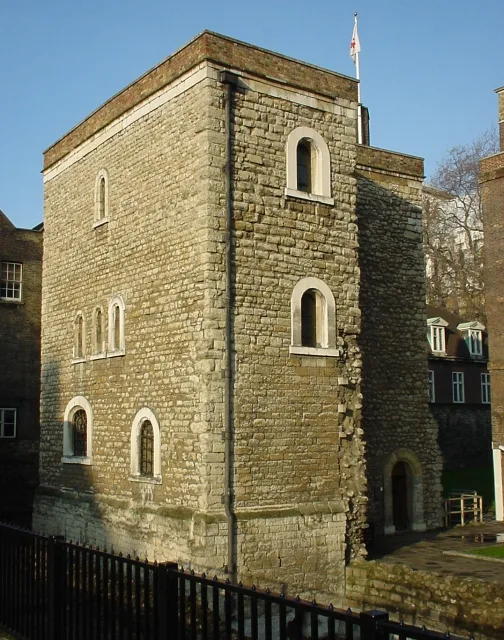
Jewel Tower
Jewel Tower — medieval tower in Westminster, London, England, UK.
More castles in this region
 📷 5
📷 5Castles · East of England
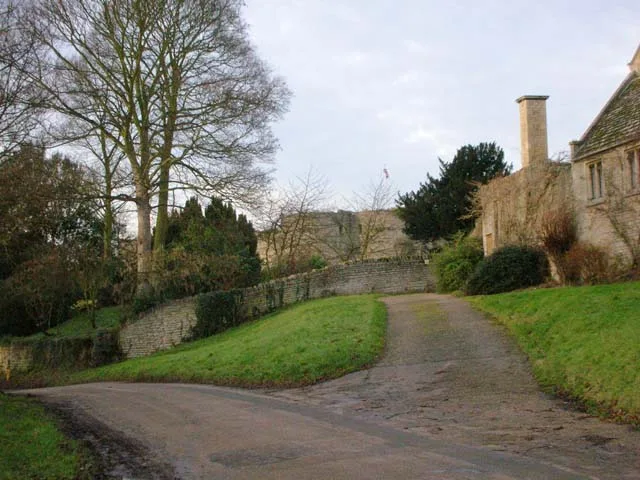
Barnwell Castle
Barnwell Castle — castle in Northamptonshire, England, UK.
 📷 5
📷 5Castles · East of England
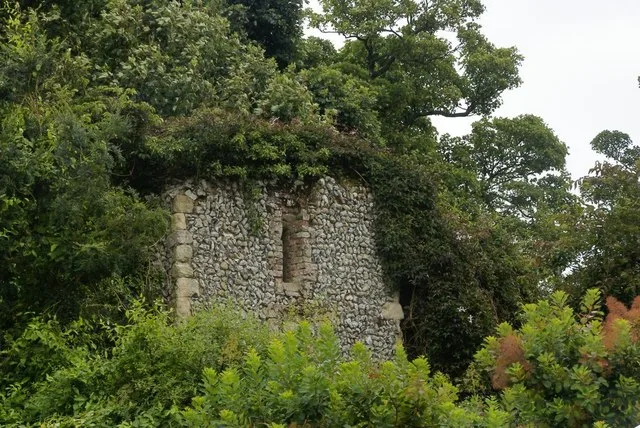
Benington Castle
Benington Castle — Grade I listed castle in East Hertfordshire, England, UK.
 📷 5
📷 5 📷 5
📷 5Castles · East of England
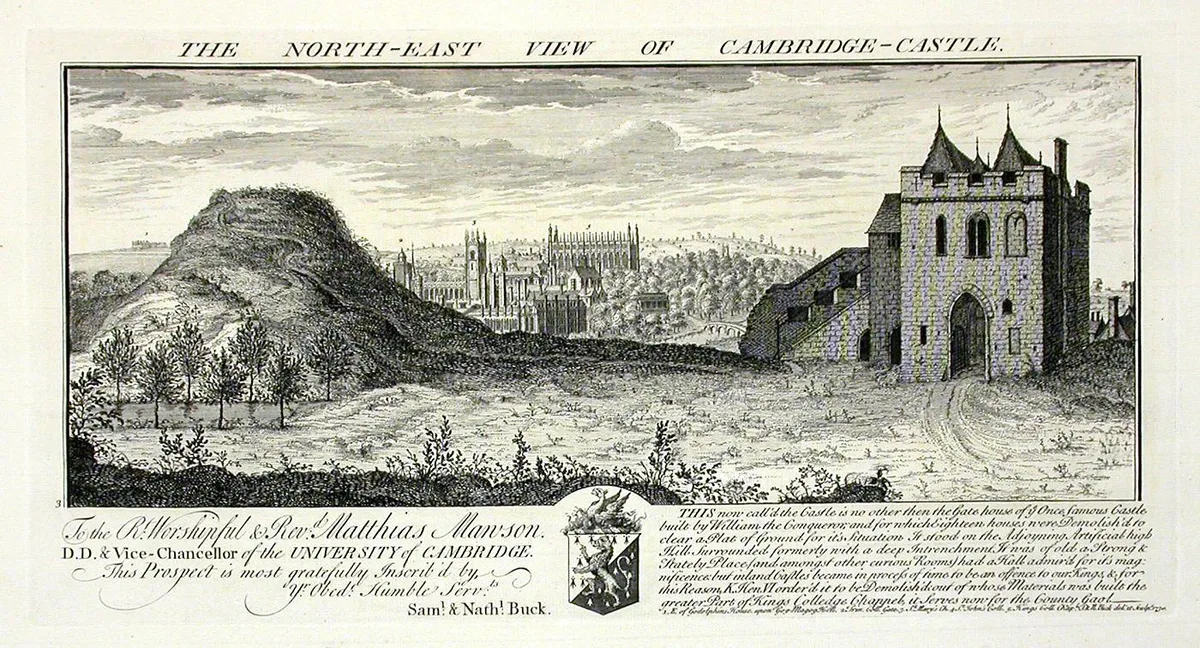
Camera Obscura
Camera Obscura is a place of interest in the United Kingdom.
Frequently asked questions
- Where is Framlingham Castle?
- Framlingham Castle is in Suffolk, East of England, United Kingdom (postcode IP13 9BP), in the parish of Framlingham.
- What is Framlingham Castle?
- Framlingham Castle — grade I listed historic house museum in Framlingham, Suffolk, England, UK.
- How do I get to Framlingham Castle?
- The nearest railway station is Wickham Market, about 8.9 km away. The nearest town is Easton. Drivers can use postcode IP13 9BP.
- Who runs Framlingham Castle?
- Framlingham Castle is operated by English Heritage.
- Is Framlingham Castle a listed building?
- Framlingham Castle is officially recognised as Grade I listed building listed.
- Is Framlingham Castle a protected site?
- Yes — Framlingham Castle is part of the Suffolk Coast & Heaths National Landscape (AONB).
- Does Framlingham Castle charge admission?
- Framlingham Castle typically charges admission. Check the official site for current ticket prices and opening hours.
- How do I get to Framlingham Castle?
- Drivers can navigate to postcode IP13 9BP. It sits within the Central Suffolk and North Ipswich parliamentary constituency.