
Public art & sculpture · London
Fine Art
In or near City of London.
Fine Art — a public art in england-london, United Kingdom.

Peter Trimming — CC BY-SA 2.0 via Wikimedia Commons licence

Plan your visit
- Typical visit
- 1 h–2 h
- Nearest railway station
- City Thameslink · 0.3 km
- Free entry
- Dog-friendly
Getting there & planning your visit
To visit the Fine Art public art installation, you can take the train to City Thameslink, which is 0.3 km away. The postcode for your sat-nav is EC4A 4LL, and entry is free.
About
Fine Art is a public art located in england-london, United Kingdom. Sourced from OpenStreetMap (ODbL licence); see local listings for visitor information, opening hours and admission details.
Photo gallery
360° viewimagery from 2025
Imagery © Mapillary contributors, CC BY-SA 4.0
From the Wikipedia article
In European academic traditions, fine art (or fine arts) is considered a kind of high art and is made primarily for aesthetics or creative expression, distinguishing it from popular art, decorative art or applied art, which also either serve some practical function (such as pottery or most metalwork) or is generally of limited artistic quality in order to appeal to the masses. In the aesthetic theories developed in the Italian Renaissance, the highest art was that which allowed the full expression and display of the artist's imagination, unrestricted by any of the practical considerations involved in, say, making and decorating a teapot. It was also considered important that making the artwork did not involve dividing the work between different individuals with specialized skills, as might be necessary with a piece of furniture, for example. Even within the fine arts, there was a hierarchy of genres based on the amount of creative imagination required, with history painting placed higher than still life. Historically, the five main fine arts were painting, sculpture, architecture, music, and poetry. Other "minor or subsidiary arts" were also included, especially performing arts such as theatre and dance, which were counted as "among the most ancient and universal." In practice, outside formal education, the concept is typically only applied to the visual arts. The old master print and drawing were included as related forms to painting, just as prose forms of literature were to poetry. Today, the range of what would be considered fine arts (in so far as the term remains in use) commonly includes additional modern forms, such as film, photography, and video production/editing, as well as traditional forms made in a fine art setting, such as studio pottery and studio glass, with equivalents in other materials. One definition of fine art is "a visual art considered to have been created primarily for aesthetic and intellectual purposes and judged for its beauty and meaningfulness, specifically, painting, sculpture, drawing, watercolor, graphics, and architecture." In that sense, there are conceptual differences between the fine arts and the decorative arts or applied arts (these two terms covering largely the same media). As far as the consumer of the art was concerned, the perception of aesthetic qualities required a refined judgment usually referred to as having good taste, which differentiated fine art from popular art and entertainment. The word "fine" does not so much denote the quality of the artwork in question, but the purity of the discipline according to traditional European canons. Except in the case of architecture, where a practical utility was accepted, this definition originally excluded the "useful" applied or decorative arts, and the products of what were regarded as crafts. In contemporary practice, these distinctions and restrictions have become essentially meaningless, as the concept or intention of the artist is given primacy, regardless of the means through which it is expressed. The term is typically only used for Western art from the Renaissance onwards, although similar genre distinctions can apply to the art of other cultures, especially those of East Asia. The set of "fine arts" are sometimes also called the "major arts", with "minor arts" equating to the decorative arts. This would typically be for medieval and ancient art.
Excerpt from Wikipedia under CC BY-SA 4.0. See the source article linked in Sources below.
Background
History
According to some writers, the concept of a distinct category of fine art is an invention of the early modern period in the West. Larry Shiner in his The Invention of Art: A Cultural History (2003) locates the invention in the 18th century: "There was a traditional "system of the arts" in the West before the eighteenth century. (Other traditional cultures still have a similar system.) In that system, an artist or artisan was a skilled maker or practitioner, a work of art was the useful product of skilled work, and the appreciation of the arts was integrally connected with their role in the rest of life. "Art", in other words, meant approximately the same thing as the Greek word "techne", or…
Architecture
Architecture is frequently considered a fine art, especially if its aesthetic components are spotlighted – in contrast to structural-engineering or construction-management components. Architectural works are perceived as cultural and political symbols and works of art. Historical civilizations often are known primarily through their architectural achievements. Such buildings as the pyramids of Egypt and the Roman Colosseum are cultural symbols, and are important links in public consciousness, even when scholars have discovered much about past civilizations through other means. Cities, regions, and cultures continue to identify themselves with, and are known by, their architectural…
Description
, London]] Modern Western theatre is dominated by realism, including drama and comedy. Another popular Western form is musical theatre. Classical forms of theatre, including Greek and Roman drama, classic English drama (Shakespeare and Marlowe included), and French theater (Molière included), are still performed today. In addition, performances of classic Eastern forms such as Noh and Kabuki can be found in the West, although with less frequency.
Sourced from Wikipedia under CC BY-SA 4.0.
- Coordinates
- 51.5174, -0.1052
- District
- City of London
- Parish
- City of London, unparished area
- Postcode
- EC4A 4LL
- Parliamentary constituency
- Cities of London and Westminster
- Nearest railway station
- City Thameslink — 0.3 km
Sources
- osm: node/9045117213 (ODbL)
- wikipedia: Fine art (CC BY-SA 4.0)
Other places nearby
Winged Lion
Public art & sculpture · 0.0 km

Science
Public art & sculpture · 0.0 km

Holborn Viaduct
Historic bridges · 0.0 km

Commerce
Public art & sculpture · 0.0 km
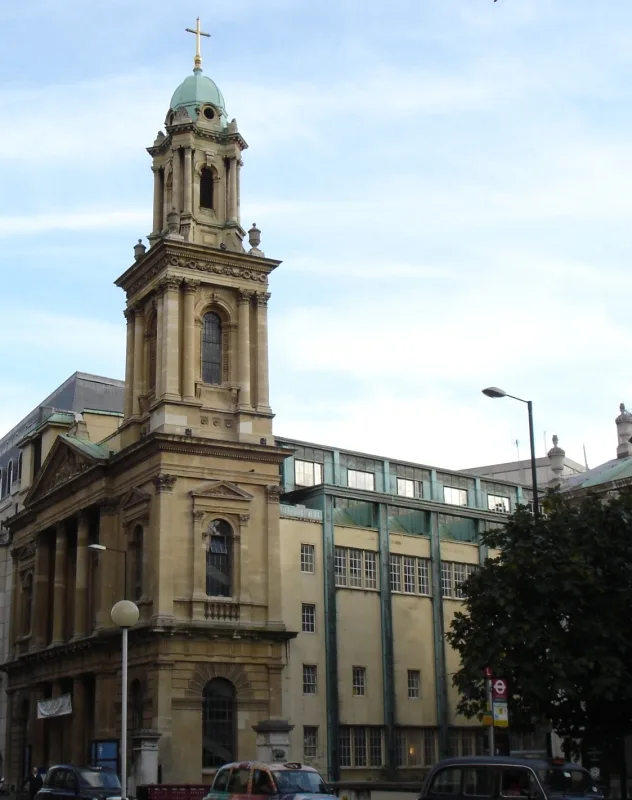
City Temple
Historic churches · 0.1 km
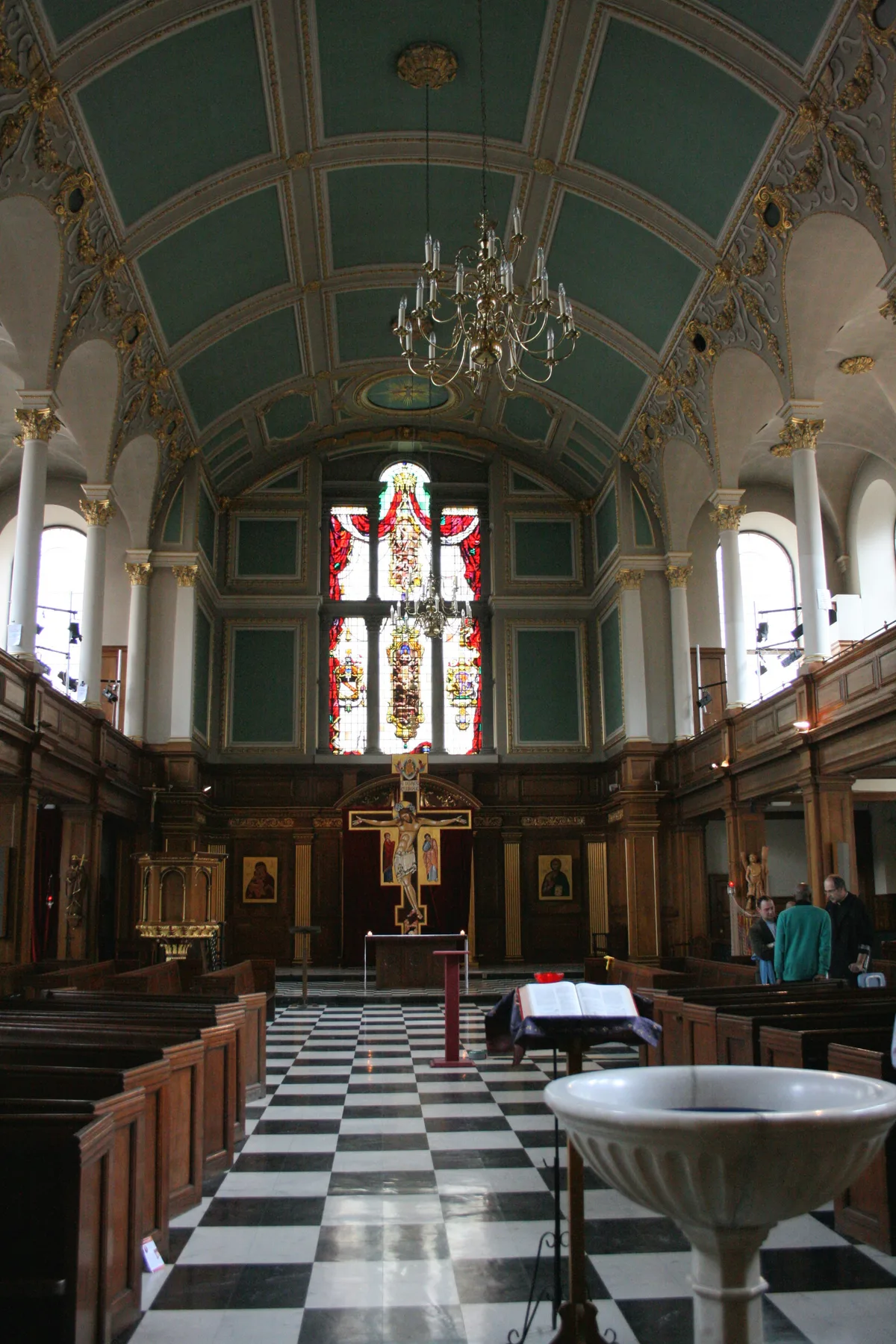
Parish of the Dormition of the Mother of God
Historic churches · 0.1 km
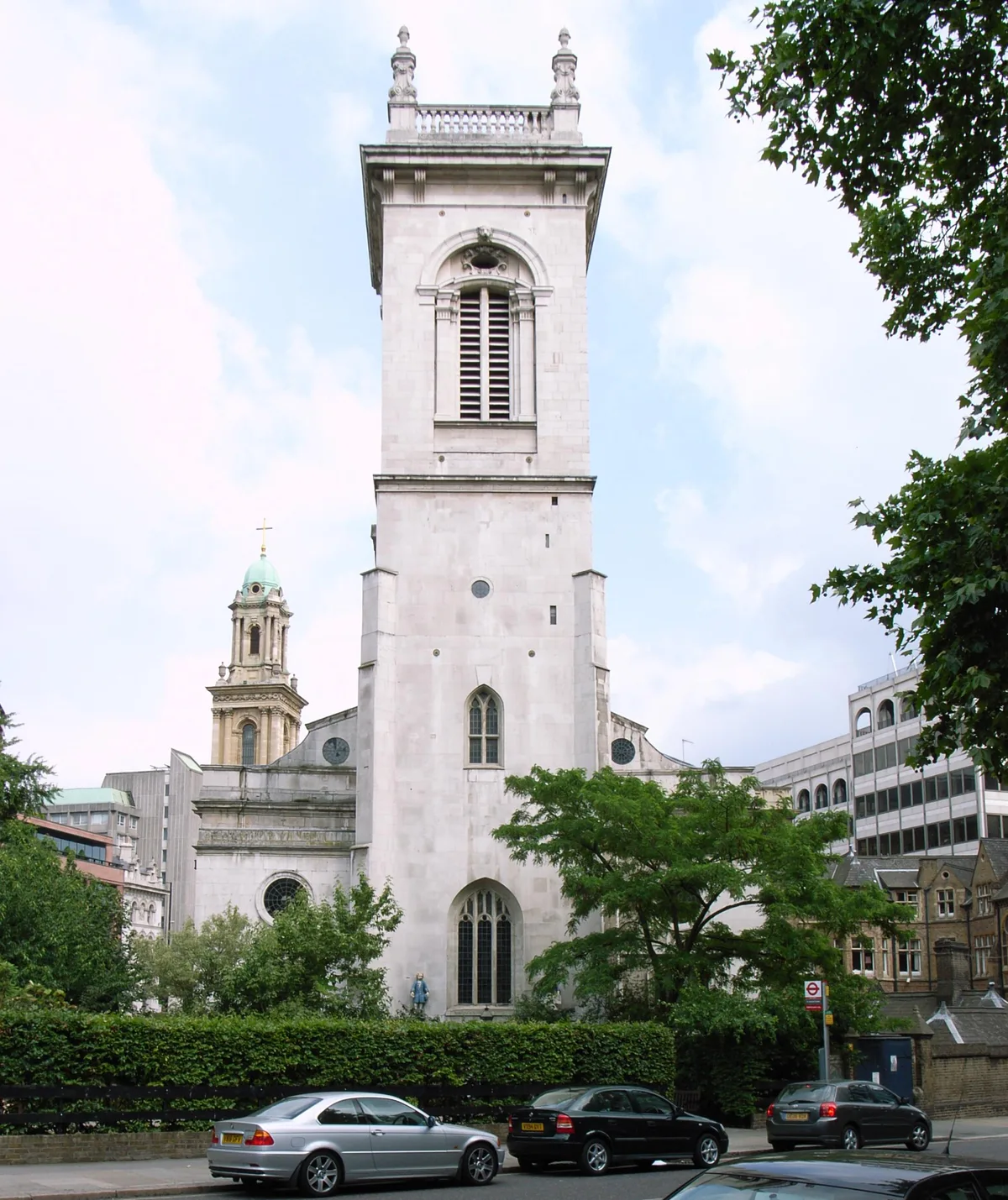
Church of St Andrew, Holborn
Historic churches · 0.1 km

Fleet Market
Mines & mining heritage · 0.1 km

Site of the Saracen's Head Inn
Memorials & monuments · 0.2 km

Equestrian statue of Prince Albert
Public art & sculpture · 0.2 km

Albert Prince Consort
Memorials & monuments · 0.2 km

Ye Olde Mitre
Historic houses · 0.2 km
Nearby
📷 5Public art & sculpture · London
Winged Lion
Winged Lion — a public art in england-london, United Kingdom.
📷 5Public art & sculpture · London
Science
Science — a public art in england-london, United Kingdom.
📷 5Historic bridges · London
Holborn Viaduct
Holborn Viaduct is a historic bridge in the United Kingdom.
📷 5Public art & sculpture · London
Commerce
Commerce — a public art in england-london, United Kingdom.
📷 5Historic churches · London
City Temple
City Temple — church in the City of London.
📷 5Historic churches · London
Parish of the Dormition of the Mother of God
Parish of the Dormition of the Mother of God is a historic church in the United Kingdom.
Where to eat & stay near Fine Art
Places to stay
 📷 5
📷 5Hotels · London
Club Quarters Hotel
Club Quarters Hotel — a hotel in england london.
 📷 7
📷 7Hotels · London
Apex Temple Court Hotel
Apex Temple Court Hotel — a hotel in england london.
 📷 5
📷 5Hostels · London
YHA London St Pauls
YHA London St Pauls — a hostel in england london. Brand: Youth Hostels Association.
 📷 7
📷 7Hotels · London
Hyatt Regency London Blackfriars
Hyatt Regency London Blackfriars — a hotel in england london. 5-star. Brand: Hyatt Regency.
 📷 5
📷 5Hotels · London
Marrable's Hotel
Marrable's Hotel — a hotel in england london.
 📷 5
📷 5Hotels · London
Leonardo Royal Hotel London St Paul's
Leonardo Royal Hotel London St Paul's — a hotel in england london. Brand: Leonardo Royal Hotel.
Places to eat & drink
 📷 5
📷 5Historic pubs · London
Ye Olde Mitre
Ye Olde Mitre in England London, United Kingdom.
 📷 5
📷 5Historic pubs · London
The Fortune of War Public House
The Fortune of War Public House in England London, United Kingdom.
 📷 5
📷 5Historic pubs · London
Viaduct Tavern
Viaduct Tavern in England London, United Kingdom.
 ★ Iconic📷 12
Historic pubs · London
Ye Olde Cheshire Cheese
Fleet Street's 1667 sawdust-floor pub — Johnson, Dickens, Twain all drank here.
 📷 7
📷 7 📷 5
📷 5More places in this region
 📷 5
📷 5 📷 5
📷 5Public art & sculpture · London
A Conversation with Oscar Wilde
A Conversation with Oscar Wilde — Public artwork (sculpture).
 📷 5
📷 5Public art & sculpture · London
A Sculpture for Mary Wollstonecraft
A Sculpture for Mary Wollstonecraft — Public artwork (sculpture) by Maggi Hambling.
 📷 5
📷 5Public art & sculpture · London
A Slice of Reality
A Slice of Reality — Public artwork (installation) by Richard Wilson.
Frequently asked questions
- Where is Fine Art?
- Fine Art is in London, United Kingdom (postcode EC4A 4LL), in the parish of City of London, unparished area.
- What is Fine Art?
- Fine Art — a public art in england-london, United Kingdom.
- How do I get to Fine Art?
- The nearest railway station is City Thameslink, about 0.3 km away. The nearest town is City of London. Drivers can use postcode EC4A 4LL.
- Is Fine Art free to visit?
- Yes, Fine Art is free to enter.
- How do I get to Fine Art?
- The nearest railway station is City Thameslink, about 0.3 km away. Drivers can navigate to postcode EC4A 4LL.