
Cathedrals · South West England
Exeter Cathedral
Also known as: Eglwys Gadeiriol Caerwysg
In or near Exeter.
World's longest unbroken Gothic vaulted ceiling, with a 1484 astronomical clock.

Lewis Clarke — CC BY-SA 2.0 via Wikimedia Commons licence

Plan your visit
- Typical visit
- 1 h–2 h
- Best time of year
- Year-round
- Nearest railway station
- Exeter Central · 0.5 km
- Paid entry
- Family-friendly
- Wheelchair accessible
Getting there & planning your visit
To visit Exeter Cathedral, the nearest railway station is Exeter Central, located 0.5 km away. Entry is paid, and the cathedral is wheelchair accessible. The postcode for sat-nav is EX1 1HS.
About
Exeter Cathedral has the longest unbroken Gothic vaulted ceiling in the world — 96 metres of Decorated Gothic ribs running the full length of the nave and choir. The cathedral, dedicated in 1133, has two surviving Norman towers; the rest was rebuilt in the 14th century. The astronomical clock dates from 1484.
Photo gallery
Summary from the official site
Exeter Cathedral is a historic and architectural landmark known for its stunning medieval features. Visitors can explore the cathedral's interior, participate in guided tours, and view significant artifacts in the Treasures Exhibition.
Read more on the official property page.
From the Wikipedia article
Exeter Cathedral, properly known as the Cathedral Church of Saint Peter in Exeter, is an Anglican cathedral, and the seat of the Bishop of Exeter, in the city of Exeter, Devon, in South West England. The present building was complete by about 1400 and has several notable features, including an early set of misericords, an astronomical clock and the longest uninterrupted medieval stone vaulted ceiling in the world.
Excerpt from Wikipedia under CC BY-SA 4.0. See the source article linked in Sources below.
Background
History
from the Georgian Era]] The site where Exeter Cathedral was constructed was home to Roman buildings. A legionary fortress was constructed between 50–75 AD. A Roman bathhouse was discovered in 1971. The founding of the cathedral at Exeter, dedicated to Saint Peter, dates from 1050, when the seat of the bishop of Devon and Cornwall was transferred from Crediton because of a fear of sea-raids. A Saxon minster already existing within the town (and dedicated to Saint Mary and Saint Peter) was used by Leofric as his seat. In 1107 William Warelwast was appointed to the see, and this was the catalyst for the building of a new cathedral in the Norman style. Its official foundation was in 1133,…
Architecture
The Norman cathedral construction began in 1112, presumably at the east end and was consecrated in 1133, by which date the choir, transept and first two bays of the nave were probably complete. As detailed above, remains of the Norman building can be seen in the massive transept towers. By 1160 the nave and west front were complete, and a cloister and chapter house were added between 1180 and 1244. During the 1270s, a new project began to replace the entire east end, starting with the east end chapels. This work is documented by a very extensive series of fabric rolls. Work advanced slowly, with the retrochoir, presbytery and choir being built in the 1290s. The original choir elevation had…
Description
in Antarctica during the Discovery Expedition (1901–1904), which was donated to the cathedral by Scott's family in 1920, and is usually on display within the southwest corner of the building.]] Notable features of the interior include the misericords, the minstrels' gallery, the astronomical clock and the organ. Notable architectural features of the interior include the multiribbed ceiling and the compound piers in the nave arcade. The 18 m bishop's throne in the choir was made from Devon oak between 1312 and 1316; the nearby choir stalls were made by George Gilbert Scott in the 1870s. The Great East Window contains much 14th-century glass, and there are over 400 ceiling bosses, one of…
Sourced from Wikipedia under CC BY-SA 4.0.
- Coordinates
- 50.7227, -3.5304
- County
- Devon
- District
- Exeter
- Parish
- Exeter, unparished area
- Postcode
- EX1 1HS
- Parliamentary constituency
- Exeter
- Phone
- 01392285983
- Nearest railway station
- Exeter Central — 0.5 km
- Opening
- Monday to Saturday 9am-5pm; Sunday 11:30am-4pm
- Official site
- www.exeter-cathedral.org.uk
Sources
- manual: exeter-cathedral (manual)
- wikipedia: Exeter Cathedral (CC BY-SA 4.0)
- fsq: 4bb469e6643cd13a54a6395c (Apache-2.0)
Featured in these 3 guides
Itinerary
England's great cathedrals
From Norman austerity at Durham to Wren's dome at St Paul's.
Itinerary
The 12 great English cathedrals
From Norman austerity at Durham to Wren's dome at St Paul's.
Itinerary
UK cathedrals by architectural style
Norman, Gothic, Perpendicular, Baroque — one cathedral each.
Other places nearby

1, The Cloisters, Cathedral Close
Historic houses · 0.1 km
2, The Cloisters, Cathedral Close
Historic houses · 0.1 km

16 And 17, Cathedral Yard
Historic pubs · 0.1 km
.jpg?width=1200)
Church House
Historic houses · 0.1 km
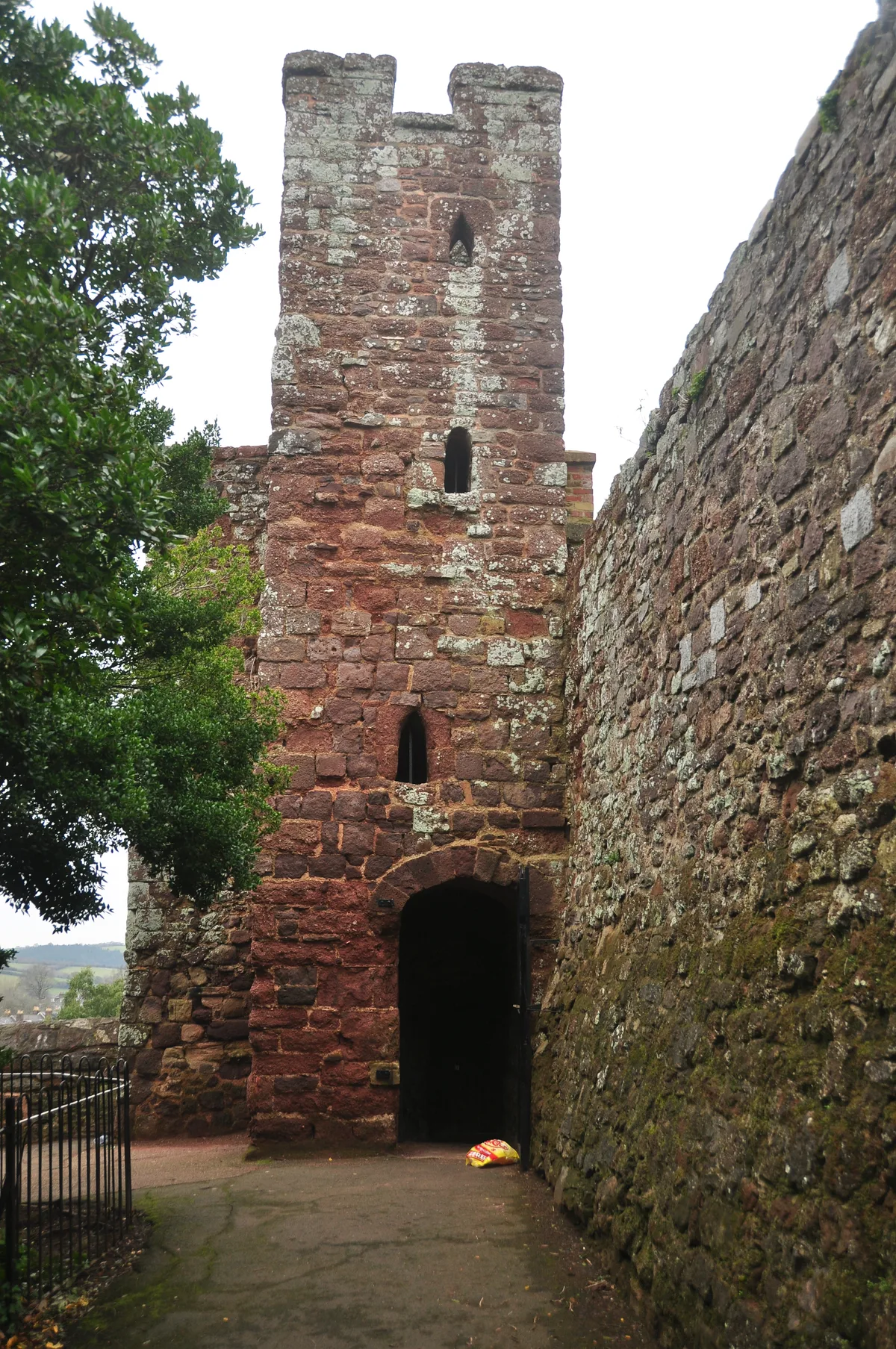
Exeter city walls
Archaeological sites · 0.1 km

Devon County War Memorial
Memorials & monuments · 0.1 km

Cathedral Close
Cathedrals · 0.1 km

Mol's Coffee House
Gardens · 0.1 km
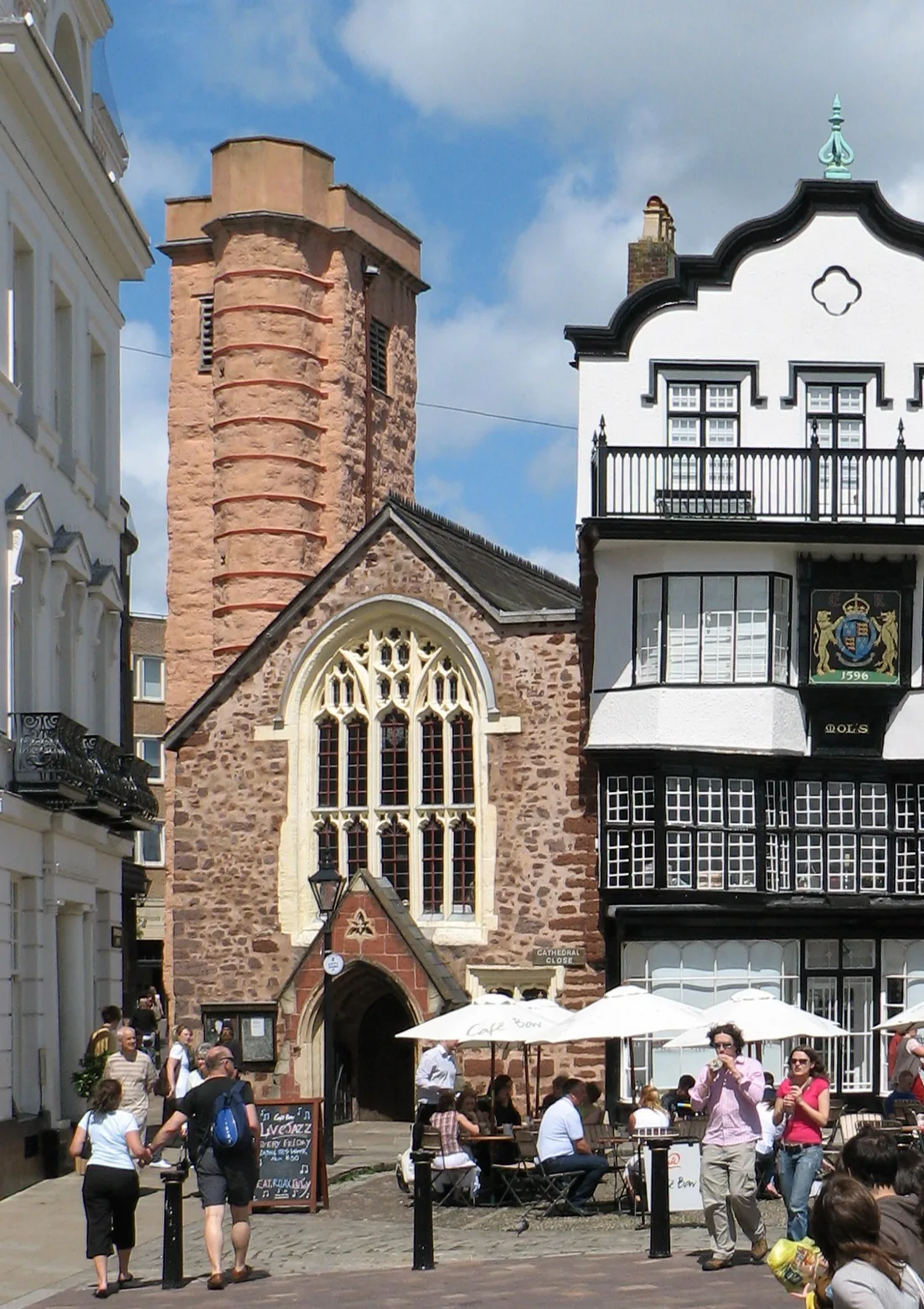
St Martin's Church
Historic churches · 0.1 km

The Bishop's Palace
Gardens · 0.1 km

Notaries' House
Historic houses · 0.1 km
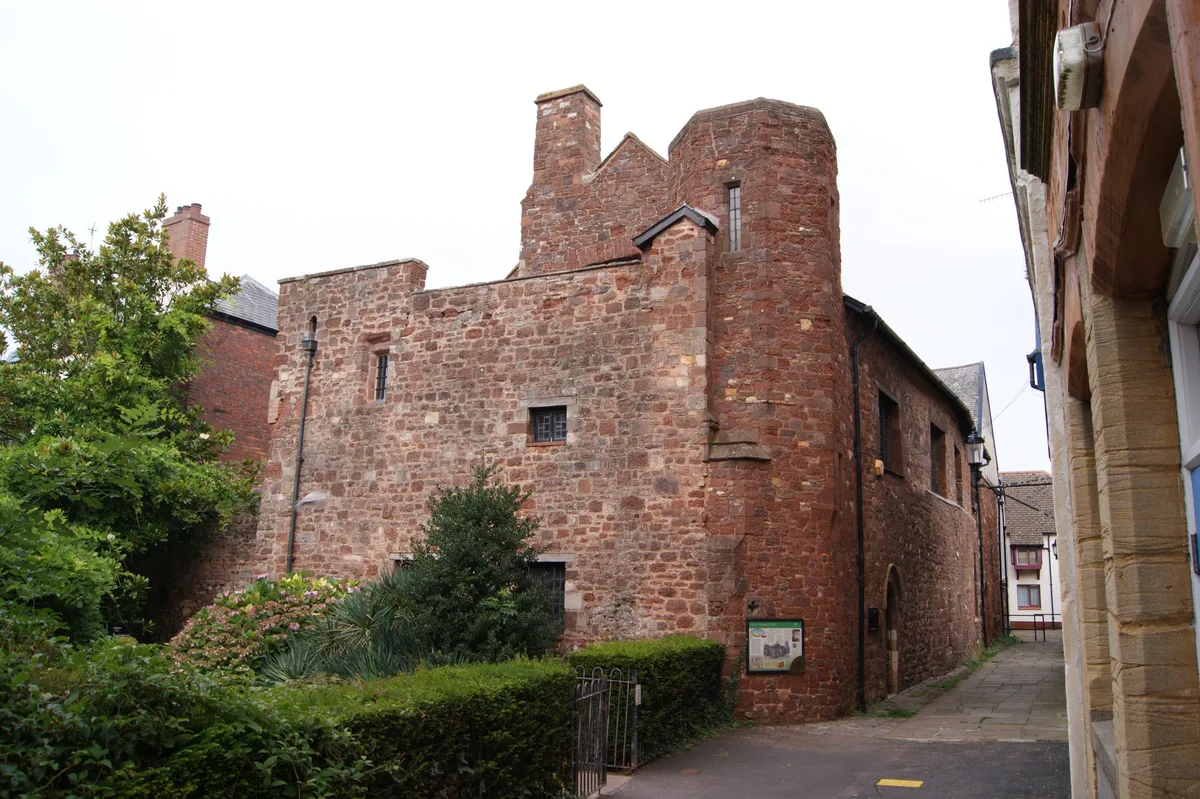
Exeter monastery
Abbeys & priories · 0.1 km
Nearby
📷 5Historic houses · South West England
1, The Cloisters, Cathedral Close
1, The Cloisters, Cathedral Close — house in Exeter, Devon, England, UK.
📷 5Historic houses · South West England
2, The Cloisters, Cathedral Close
2, The Cloisters, Cathedral Close — house in Exeter, Devon, England, UK.
📷 6Historic pubs · South West England
16 And 17, Cathedral Yard
16 And 17, Cathedral Yard in England South West, United Kingdom.
📷 5Historic houses · South West England
Church House
Church House — building in Exeter, Devon, England, UK.
📷 5Archaeological sites · South West England
Exeter city walls
Exeter city walls — scheduled monument in Exeter, Devon, England, UK.
📷 5Memorials & monuments · South West England
Devon County War Memorial
Devon County War Memorial is a memorial in the United Kingdom.
Where to eat & stay near Exeter Cathedral
Places to stay
 📷 7
📷 7Hotels · South West England
The White Hart Hotel
The White Hart Hotel — a hotel in england south west.
 📷 7
📷 7Hotels · South West England
The City Gate
The City Gate — a hotel in england south west.
 📷 5
📷 5Hostels · South West England
Globe Backpackers Hostel
Globe Backpackers Hostel — a hostel in england south west.
 📷 5
📷 5Hotels · South West England
The Queens Court Hotel
The Queens Court Hotel — a hotel in england south west.
 📷 7
📷 7Hotels · South West England
The Seven Stars Hotel
The Seven Stars Hotel — a hotel in england south west.
 📷 5
📷 5B&Bs · South West England
Poachers Inn
Poachers Inn — a bed-and-breakfast in england south west.
Places to eat & drink
📷 6Historic pubs · South West England
16 And 17, Cathedral Yard
16 And 17, Cathedral Yard in England South West, United Kingdom.
 📷 7
📷 7Historic pubs · South West England
Turk's Head Public House
Turk's Head Public House in England South West, United Kingdom.
 📷 5
📷 5Restaurants · South West England
Cosy Club
Cosy Club — a restaurant in england south west. Cuisine: british. Brand: Cosy Club.
 📷 5
📷 5Restaurants · South West England
On The Waterfront
On The Waterfront — a restaurant in england south west.
 📷 6
📷 6Restaurants · South West England
Puerto Lounge
Puerto Lounge — a restaurant in england south west. Cuisine: british. Brand: Lounges.
 📷 5
📷 5Historic pubs · South West England
The Black Horse Inn
The Black Horse Inn in England South West, United Kingdom.
Other cathedrals from this era
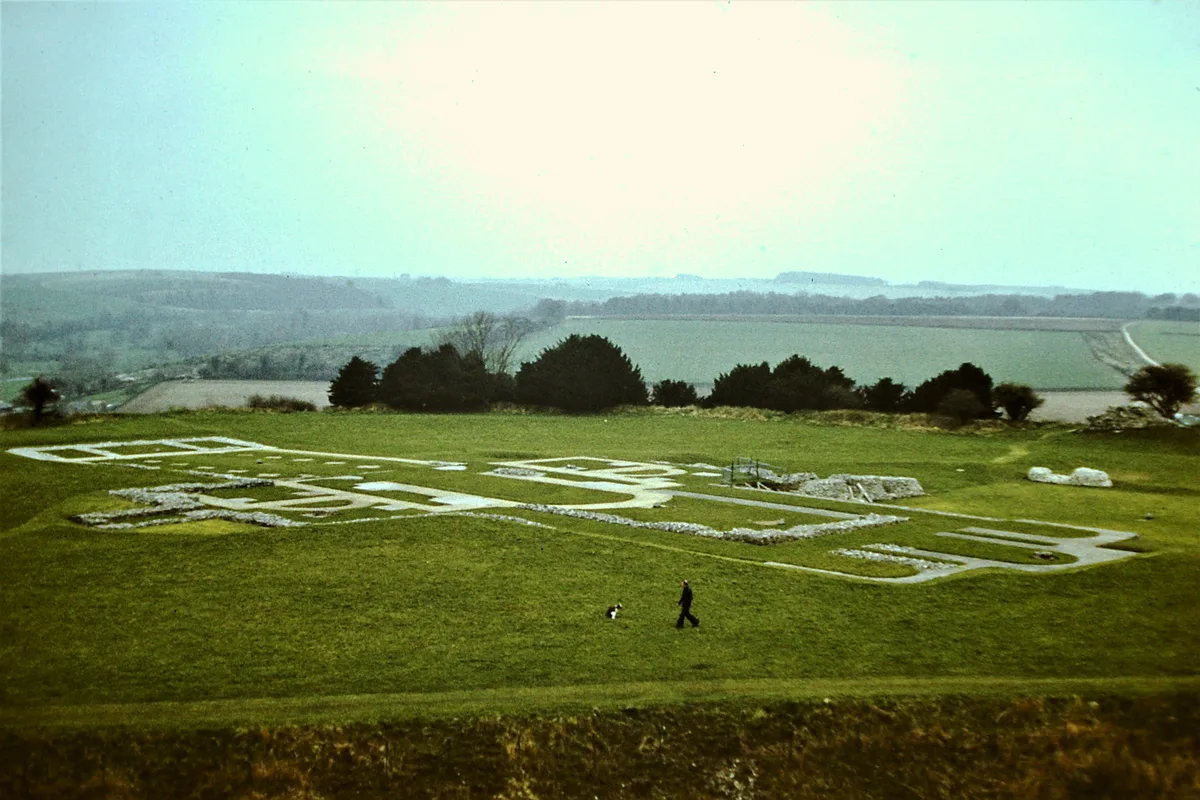 📷 5
📷 5Cathedrals · South East England
Old Sarum Cathedral
Old Sarum Cathedral — Grade I listed former cathedral in Salisbury, Wiltshire, England, UK.
 📷 3
📷 3Cathedrals · South East England
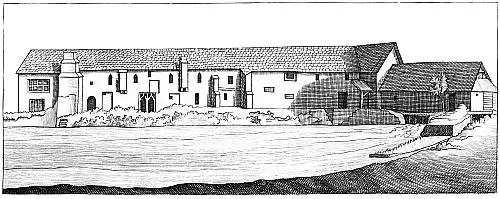
Osney Abbey
Osney Abbey — house of Augustinian canons at Osney in Oxfordshire, England, UK.
 ★ Iconic📷 4
Cathedrals · South West England
Salisbury Cathedral
Britain's tallest spire, single-style Early English Gothic, holds a Magna Carta original.
 ★ Iconic📷 4
Cathedrals · South West England
Wells Cathedral
First all-Gothic English cathedral, with the famous scissor arches and a 1390 clock.
More cathedrals in this region
 📷 5
📷 5Cathedrals · South West England
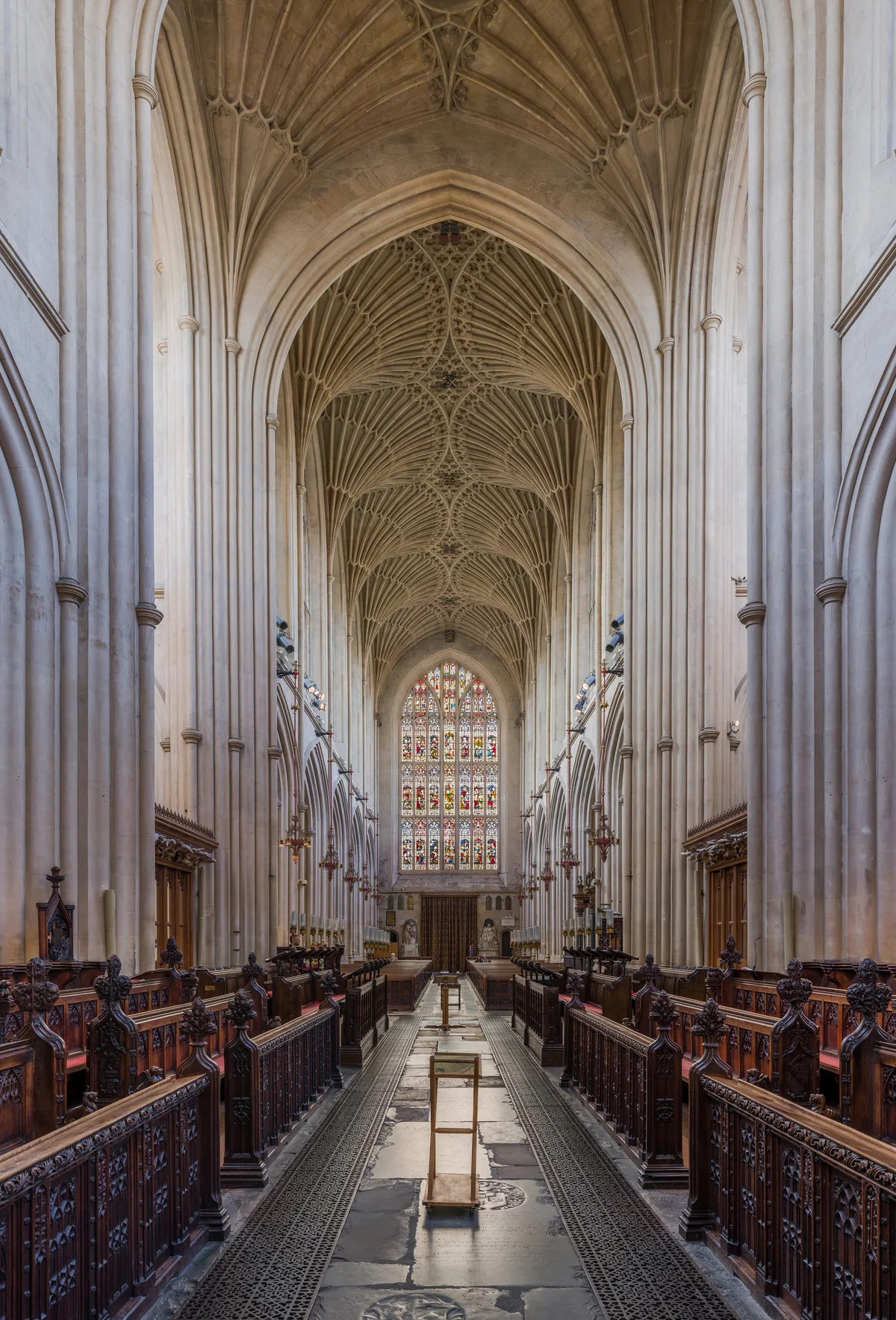
Bath Cathedral Priory
Bath Cathedral Priory is a cathedral in the United Kingdom.
 📷 5
📷 5Cathedrals · South West England
Tewkesbury Abbey
Tewkesbury Abbey is a cathedral in the United Kingdom.
 Flagship📷 5
Cathedrals · South West England
Cirencester Abbey
Cirencester Abbey is a cathedral in the United Kingdom.
 📷 5
📷 5Cathedrals · South West England
Flaxley Abbey
Flaxley Abbey is a cathedral in the United Kingdom.
Frequently asked questions
- Where is Exeter Cathedral?
- Exeter Cathedral is in Devon, South-West England, United Kingdom (postcode EX1 1HS), in the parish of Exeter, unparished area.
- What is Exeter Cathedral?
- World's longest unbroken Gothic vaulted ceiling, with a 1484 astronomical clock.
- How do I get to Exeter Cathedral?
- The nearest railway station is Exeter Central, about 0.5 km away. The nearest town is Exeter. Drivers can use postcode EX1 1HS.
- When was Exeter Cathedral built?
- Dates from the medieval period.
- Is Exeter Cathedral a listed building?
- Exeter Cathedral is officially recognised as Grade I listed.
- How do I get to Exeter Cathedral?
- The nearest railway station is Exeter Central, about 0.5 km away. Drivers can navigate to postcode EX1 1HS.