
Cathedrals · Scottish Highlands
Elgin Cathedral
In or near Longmorn.
Elgin Cathedral — historic ruin in Elgin, Scotland, United Kingdom.

Wikimedia Commons contributors — see linked file page for photographer and licence licence

Plan your visit
- Typical visit
- 1 h–2 h
- Best time of year
- Year-round
- Nearest railway station
- Elgin · 0.9 km
- Paid entry
- Family-friendly
- Wheelchair accessible
Getting there & planning your visit
To visit Elgin Cathedral, the nearest railway station is Elgin, located 0.9 km away. The postcode for sat-nav is IV30 1HU. Entry is paid, but the site is accessible for wheelchair users.
About
Elgin Cathedral is a cathedral in the United Kingdom — the principal church of a diocese. Records date its origin to 1224. Built in the Gothic architecture style. Heritage designation: scheduled monument. Wikidata describes it as: "historic ruin in Elgin, Scotland, United Kingdom". Coordinates: 57.6506°, -3.3056°.
Photo gallery
360° viewimagery from 2019
Imagery © Mapillary contributors, CC BY-SA 4.0
Heritage listing
Elgin Cathedral, also known as the Lantern of the North (Scots: Lantern o the North), is a historic ruin in Elgin, Moray, in northeast Scotland. Established in 1224 on land granted by King Alexander II, it was the seat of the bishops of Moray. It replaced the cathedral at Spynie, located 3 kilometres (2 mi) to the north, and was served by a small chapter of eight clerics. By 1226, the expanding cathedral was staffed with 18 canons, a number that increased to 23 by 1242. The cathedral, even at the time, was regarded as a fine example of current architecture, described as the "ornament of the realm" and the "glory of the kingdom". It was also the second-largest cathedral in Scotland, after St Andrews. It experienced major building phases.
From Historic Environment Scotland under OGL v3.
From Historic Environment Scotland
Get a brief snapshot of the Elgin Cathedral history, and find out what to see when you visit the Lantern of the North, in the North and Grampian region. Contact us today for more information.
Read more on the official property page.
From the Wikipedia article
Elgin Cathedral, also known as the Lantern of the North (Scots: Lantern o the North), is a historic ruin in Elgin, Moray, in northeast Scotland. Established in 1224 on land granted by King Alexander II, it was the seat of the bishops of Moray. It replaced the cathedral at Spynie, located 3 kilometres (2 mi) to the north, and was served by a small chapter of eight clerics. By 1226, the expanding cathedral was staffed with 18 canons, a number that increased to 23 by 1242. The cathedral, even at the time, was regarded as a fine example of current architecture, described as the "ornament of the realm" and the "glory of the kingdom". It was also the second-largest cathedral in Scotland, after St Andrews. It experienced major building phases. The first followed an extensive fire in 1270 and then again after an incendiary attack in 1390 by Alexander Stewart, Earl of Buchan, later known as the "Wolf of Badenoch". The resulting structure featured a massive west front with twin towers and an impressive choir and presbytery, which also integrated an octagonal chapter house. By 1560, the year of the Scottish Reformation, the canonry reached its zenith with the number rising to 25. However, this also marked the beginning of the cathedral's decline when its congregation was moved to the parish church of St Giles. In 1567, the Privy Council ordered the removal of the lead that covered the roof to help fund the army. In turn, this exposed the interior to the elements. Significant structural failures followed, including the collapse of the choir roof in 1637 and the collapse of the central tower in 1711, destroying most of the nave. Major conservation and refurbishment work, begun in the early 19th century, continued until the late 20th century and has been followed by ongoing stabilisation work. Today, Elgin Cathedral is a scheduled monument managed by Historic Environment Scotland. Despite its ruined state, much of the 13th-century west front and the 15th-century chapter house…
Excerpt from Wikipedia under CC BY-SA 4.0. See the source article linked in Sources below.
Background
History
Although Bishop Brice had previously petitioned for the relocation of the episcopal seat to Elgin, it was not until the episcopate of Andrew de Moravia that Pope Honorius III issued a bull on 10 April 1224 authorising an inquiry into the suitability of the move. His appointed legates, Gilbert de Moravia, Bishop of Caithness, Robert, Abbot of Kinloss, and Henry, Dean of Ross, approved the undertaking. The translation ceremony was conducted by the Bishop of Caithness and the Dean of Ross on 19 July 1224. Earlier, on 5 July, King Alexander II (Alaxandair mac Uilliam) had issued a writ consenting to the transference, referencing a previous land grant he had made specifically for this purpose.…
Architecture
The first church was markedly cruciform and smaller than the present floor plan. This early structure had a choir without aisles and more truncated, and a nave with only a single aisle on its north and south sides (Fig. 4). The central tower rose above the crossing between the north and south transepts and may have held bells in its upper storey. The north wall of the choir is the earliest extant structure, dating to the years immediately after the church's 1224 foundation; the clerestory windows on top of it are from the later post‑1270 reconstruction. This wall has blocked‑up windows extending to a low level above ground, indicating that it was an external wall and proving that the…
Sourced from Wikipedia under CC BY-SA 4.0.
- Coordinates
- 57.6506, -3.3056
- District
- Moray
- Postcode
- IV30 1HU
- Parliamentary constituency
- Moray West, Nairn and Strathspey
- Established
- 1224
- Nearest railway station
- Elgin — 0.9 km
- Opening
- Mar 29-Sep 30 10:00-16:30; Oct 01-Mar 28 10:00-16:00; Dec 25-26 off; Jan 01-02 off
- Official site
- www.historicenvironment.scot
Sources
- wikidata: Q922690 (CC0)
- wikipedia: Elgin Cathedral (CC BY-SA 4.0)
- commons: Elgin Cathedral from Newmill Road.jpg (CC BY-SA 4.0)
Other places nearby

Pictish Symbol Stone
Memorials & monuments · 0.0 km

Elgin Cathedral Museum
Museums · 0.0 km

Bible
Public art & sculpture · 0.1 km

Elgin, North College Street, Elgin Cathedral, Bishop's House
Historic houses · 0.1 km

Brewery Bridge
Historic bridges · 0.1 km

Landshut Bridge
Historic bridges · 0.2 km
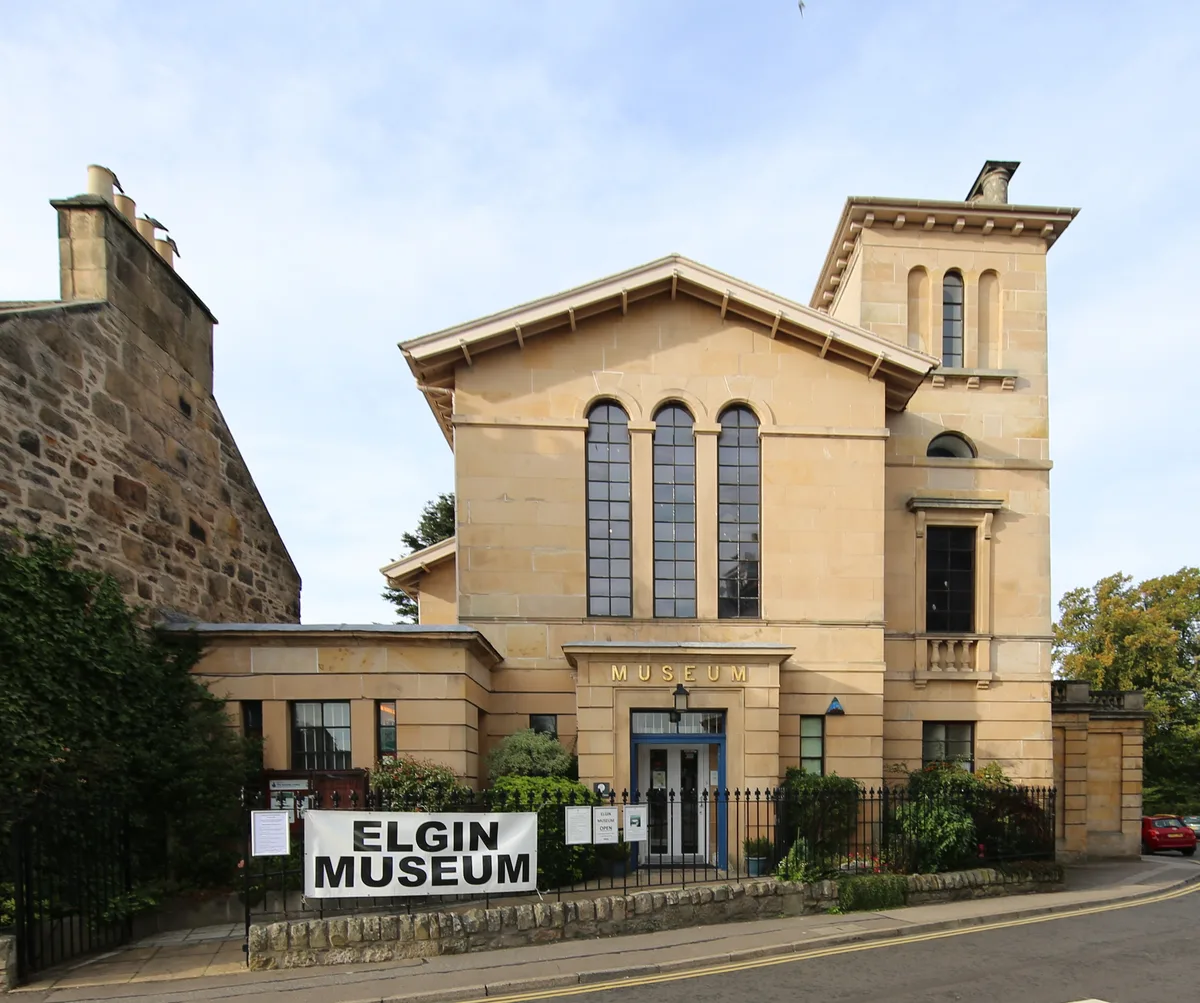
Elgin Museum
Museums · 0.3 km

Little Cross
Memorials & monuments · 0.3 km

5A High Street, Elgin
Historic houses · 0.3 km
Braco's Banking House
Gardens · 0.3 km

Johnston's of Elgin Cashmere Mill
Natural landmarks · 0.4 km

Greyfriars' Church, Convent of Mercy, Abbey Street, Elgin
Historic churches · 0.4 km
Nearby
📷 3Memorials & monuments · Scottish Highlands
Pictish Symbol Stone
Pictish Symbol Stone — a memorial in scotland-highlands, United Kingdom.
📷 3Museums · Scottish Highlands
Elgin Cathedral Museum
Elgin Cathedral Museum — a museum in scotland-highlands, United Kingdom.
📷 4Public art & sculpture · Scottish Highlands
Bible
Bible — a public art in scotland-highlands, United Kingdom.
📷 3Historic houses · Scottish Highlands
Elgin, North College Street, Elgin Cathedral, Bishop's House
Elgin, North College Street, Elgin Cathedral, Bishop's House — house in Moray, Scotland, UK.
📷 5Historic bridges · Scottish Highlands
Brewery Bridge
Brewery Bridge — category B listed building-listed bridge in scotland-highlands, United Kingdom.
📷 3Historic bridges · Scottish Highlands
Landshut Bridge
Landshut Bridge is a historic bridge in the United Kingdom.
Where to eat & stay near Elgin Cathedral
Places to stay
 📷 5
📷 5Hotels · Scottish Highlands
Mansion House Hotel & Country Club
Mansion House Hotel & Country Club — a hotel in scotland highlands.
 📷 5
📷 5Caravan parks · Scottish Highlands
Riverside Caravan Park Elgin
Riverside Caravan Park Elgin — a caravan park in scotland highlands.
 📷 5
📷 5Caravan parks · Scottish Highlands
Lossiemouth Caravan Park
Lossiemouth Caravan Park — a caravan park in scotland highlands.
 📷 5
📷 5Caravan parks · Scottish Highlands
Silver Sands Leisure Park
Silver Sands Leisure Park — a caravan park in scotland highlands.
 📷 5
📷 5Caravan parks · Scottish Highlands
North Alves Holiday Park
North Alves Holiday Park — a caravan park in scotland highlands.
 📷 5
📷 5Caravan parks · Scottish Highlands
Station Caravan Park
Station Caravan Park — a caravan park in scotland highlands.
Places to eat & drink
 📷 5
📷 5Historic pubs · Scottish Highlands
Seafield Arms Hotel, 84, 86 Mid Street, Keith
Seafield Arms Hotel, 84, 86 Mid Street, Keith in Scotland Highlands, United Kingdom.
Other cathedrals from this era
 📷 5
📷 5Cathedrals · South East England
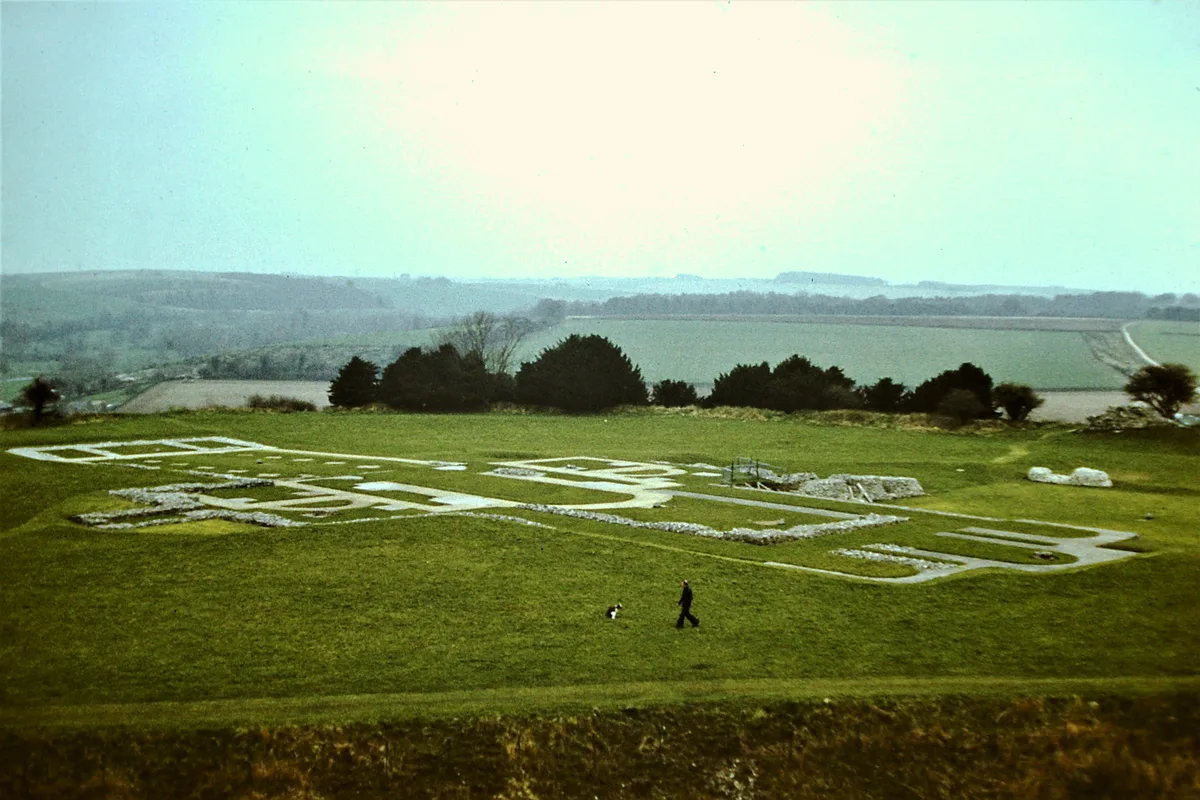
Old Sarum Cathedral
Old Sarum Cathedral — Grade I listed former cathedral in Salisbury, Wiltshire, England, UK.
 📷 3
📷 3Cathedrals · South East England
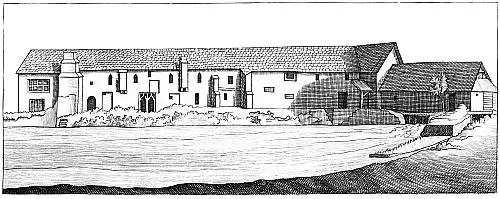
Osney Abbey
Osney Abbey — house of Augustinian canons at Osney in Oxfordshire, England, UK.
 ★ Iconic📷 4
Cathedrals · South West England
Salisbury Cathedral
Britain's tallest spire, single-style Early English Gothic, holds a Magna Carta original.
 ★ Iconic📷 4
Cathedrals · South West England
Wells Cathedral
First all-Gothic English cathedral, with the famous scissor arches and a 1390 clock.
More cathedrals in this region
 ★ Iconic📷 3
Cathedrals · Scottish Highlands
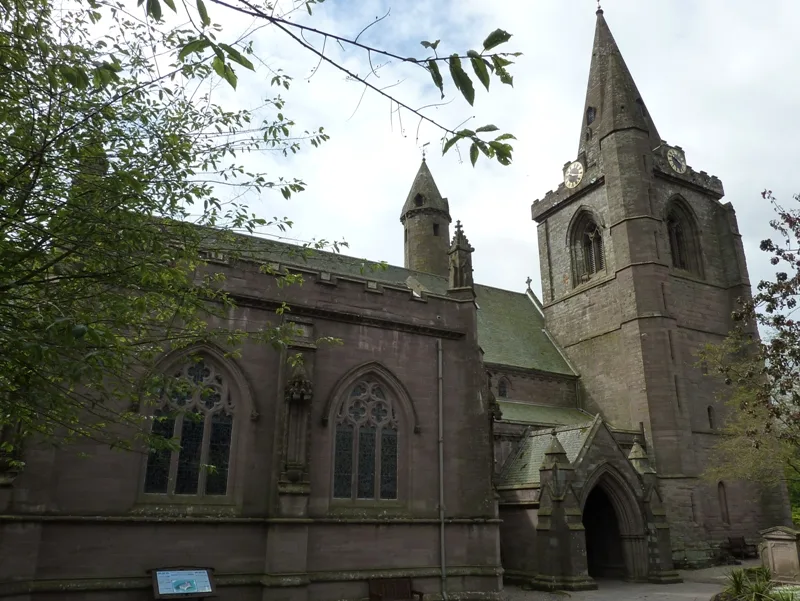
Brechin Cathedral
Brechin Cathedral — cathedral church in Brechin.
 📷 4
📷 4Cathedrals · Scottish Highlands
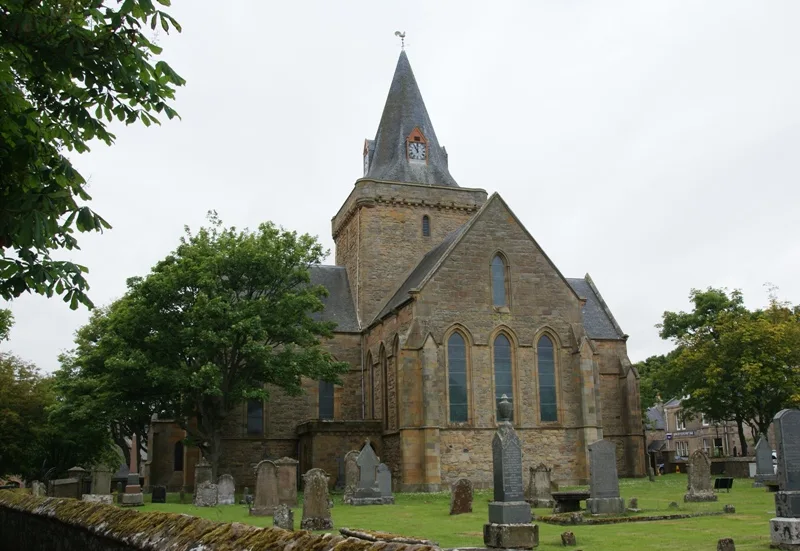
Dornoch Cathedral
Dornoch Cathedral — church in Dornoch, Scotland.
 📷 3
📷 3Cathedrals · Scottish Highlands
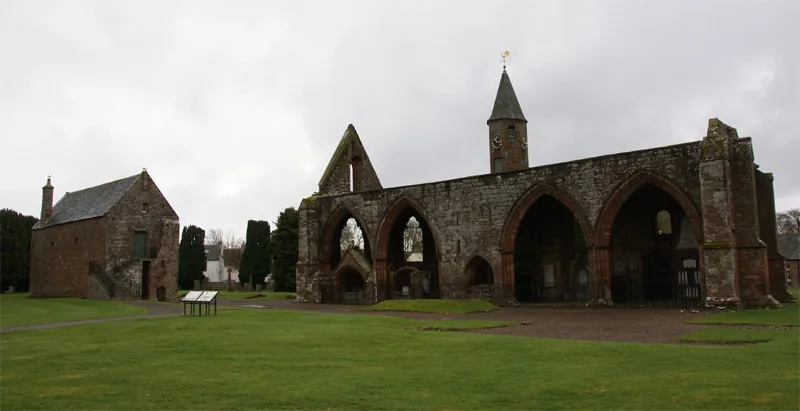
Fortrose Cathedral
Fortrose Cathedral — church in Highland, Scotland, UK.
 Flagship📷 3
Cathedrals · Scottish Highlands
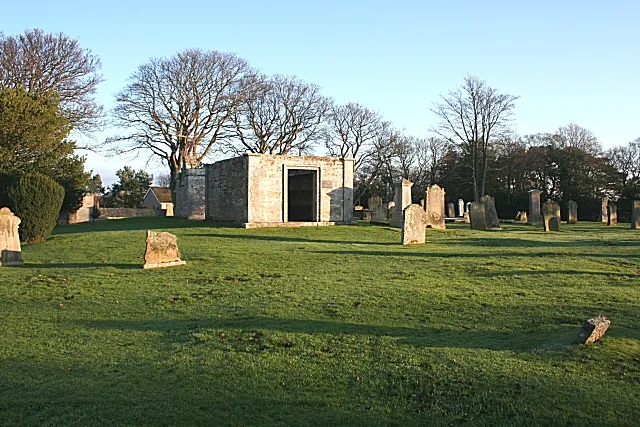
Spynie Cathedral
Spynie Cathedral — former cathedral in Spynie, Moray, north-east Scotland.
Frequently asked questions
- Where is Elgin Cathedral?
- Elgin Cathedral is in the Scottish Highlands, United Kingdom (postcode IV30 1HU).
- What is Elgin Cathedral?
- Elgin Cathedral — historic ruin in Elgin, Scotland, United Kingdom.
- How do I get to Elgin Cathedral?
- The nearest railway station is Elgin, about 0.9 km away. The nearest town is Longmorn. Drivers can use postcode IV30 1HU.
- When was Elgin Cathedral built?
- Built or established in 1224.
- Is Elgin Cathedral a listed building?
- Elgin Cathedral is officially recognised as scheduled monument listed.
- How do I get to Elgin Cathedral?
- The nearest railway station is Elgin, about 0.9 km away. Drivers can navigate to postcode IV30 1HU.