
Abbeys & priories · Scottish Lowlands
Dryburgh Abbey
In or near St Boswells.
Dryburgh Abbey — category A listed building in Scottish Borders, Scotland, UK.

Wikimedia Commons contributors — see linked file page for photographer and licence licence

Plan your visit
- Typical visit
- 45 min–1.5 h
- Nearest railway station
- Tweedbank · 7.7 km
- Paid entry
- Family-friendly
- Limited wheelchair access
Getting there & planning your visit
To visit Dryburgh Abbey, the nearest railway station is Tweedbank, located 7.7 km away. Entry is paid, and wheelchair accessibility is limited. The postcode for sat-nav is TD6 0BA.
About
Dryburgh Abbey is an abbey, priory, or monastic site in the United Kingdom. Records date its origin to 1101. Heritage designation: scheduled monument. Affiliated with Catholicism. Managed by Historic Environment Scotland. Wikidata describes it as: "category A listed building in Scottish Borders, Scotland, UK". Coordinates: 55.5755°, -2.6491°.
Photo gallery
Heritage listing
Dryburgh Abbey, near Dryburgh on the banks of the River Tweed in the Scottish Borders, was nominally founded on 10 November (Martinmas) 1150 in an agreement between Hugh de Morville, Constable of Scotland, and the Premonstratensian canons regular from Alnwick Abbey in Northumberland. The arrival of the canons along with their first abbot, Roger, took place on 13 December 1152. It was burned by English troops in 1322, after which it was restored only to be again burned by Richard II in 1385, but it flourished in the fifteenth century. It was finally destroyed in 1544, briefly surviving until the Scottish Reformation, when it was given to the Earl of Mar by James VI of Scotland.
From Historic Environment Scotland under OGL v3.
From Historic Environment Scotland
Learn a little of the Dryburgh Abbey history and discover highlights of a visit to this remarkably complete medieval ruin by the River Tweed. Contact us today for more information.
Read more on the official property page.
From the Wikipedia article
Dryburgh Abbey, near Dryburgh on the banks of the River Tweed in the Scottish Borders, was nominally founded on 10 November (Martinmas) 1150 in an agreement between Hugh de Morville, Constable of Scotland, and the Premonstratensian canons regular from Alnwick Abbey in Northumberland. The arrival of the canons along with their first abbot, Roger, took place on 13 December 1152. It was burned by English troops in 1322, after which it was restored only to be again burned by Richard II in 1385, but it flourished in the fifteenth century. It was finally destroyed in 1544, briefly surviving until the Scottish Reformation, when it was given to the Earl of Mar by James VI of Scotland. It is now a designated scheduled monument and the surrounding landscape is included in the Inventory of Gardens and Designed Landscapes in Scotland. David Erskine, 11th Earl of Buchan bought the land in 1786. Sir Walter Scott and Douglas Haig are buried in its grounds. Their respective tomb and headstone, along with other memorials, are collectively designated a Category A listed building.
Excerpt from Wikipedia under CC BY-SA 4.0. See the source article linked in Sources below.
Background
Description
The Premonstratensian order was founded by St Norbert of Xanten who was firstly a canon at Xanten Cathedral. Unhappy with the way of life of his fellow canons, he left the Rhine lands for the diocese of Laon, in the north of France where the reforming Bishop Bartholomew was transforming his see into one that was more apostolic. Bartholomew persuaded Norbert to form a canonical order at Prémontré, in Aisne in 1120 and while the order was Augustinian in form, the canons wore the white habit and not the black. They followed an austere monastic life but had a duty to preach and teach to those on the outside of the monastery walls. The Premonstratensians took on many of the methods of the…
Sourced from Wikipedia under CC BY-SA 4.0.
- Coordinates
- 55.5755, -2.6491
- District
- Scottish Borders
- Postcode
- TD6 0BA
- Parliamentary constituency
- Berwickshire, Roxburgh and Selkirk
- Established
- 1101
- Nearest railway station
- Tweedbank — 7.7 km
- Official site
- www.historicenvironment.scot
Sources
- wikidata: Q1261598 (CC0)
- wikipedia: Dryburgh Abbey (CC BY-SA 4.0)
- commons: Dryburgh Abbey spring.jpg (CC BY-SA 4.0)
Featured in this guide
Other places nearby

Monument to James I of Scotland
Memorials & monuments · 0.1 km

Dryburgh Abbey, Chapter House
Memorials & monuments · 0.2 km

Walter Scott's Tomb
Follies · 0.2 km

Dryburgh Abbey Hotel
Hotels · 0.3 km

Dryburgh
Abbeys & priories · 0.4 km

Saint Boswells
Villages · 0.4 km

Dryburgh Abbey Hotel
Abbeys & priories · 0.5 km

St Boswells Drinking Fountain
Memorials & monuments · 0.6 km

St Boswells
Towns & cities · 0.6 km

Scottish Borders Donkey Sanctuary
Natural landmarks · 0.6 km

Dryburgh Bridge
Abbeys & priories · 0.7 km
Dryburgh Abbey Bridge
Abbeys & priories · 0.7 km
Nearby
📷 3Memorials & monuments · Scottish Lowlands
Monument to James I of Scotland
Monument to James I of Scotland — a memorial in scotland-central, United Kingdom.
📷 5Memorials & monuments · Scottish Lowlands
Dryburgh Abbey, Chapter House
Dryburgh Abbey, Chapter House — category A listed building-listed memorial in scotland-central, United Kingdom.
📷 3Follies · Scottish Lowlands
Walter Scott's Tomb
Walter Scott's Tomb is a folly in the United Kingdom.
📷 5📷 4📷 5Where to eat & stay near Dryburgh Abbey
Places to stay
📷 5 📷 5
📷 5 📷 5
📷 5Caravan parks · Scottish Lowlands
Roulotte Retreat
Roulotte Retreat — a caravan park in scotland central.
 📷 5
📷 5Hotels · Scottish Lowlands
Station Hotel
Station Hotel — a hotel in scotland central.
 📷 7
📷 7 📷 5
📷 5Hotels · Scottish Lowlands
The Townhouse
The Townhouse — a hotel in scotland central.
Places to eat & drink
 📷 6
📷 6Historic pubs · Scottish Lowlands
Town Arms Inn, 1 Market Place, Selkirk
Town Arms Inn, 1 Market Place, Selkirk in Scotland Central, United Kingdom.
 📷 7
📷 7Historic pubs · Scottish Lowlands
Clovenfords Hotel, Clovenfords
Clovenfords Hotel, Clovenfords in Scotland Central, United Kingdom.
More places run by Historic Environment Scotland
 📷 5
📷 5Castles · North West England
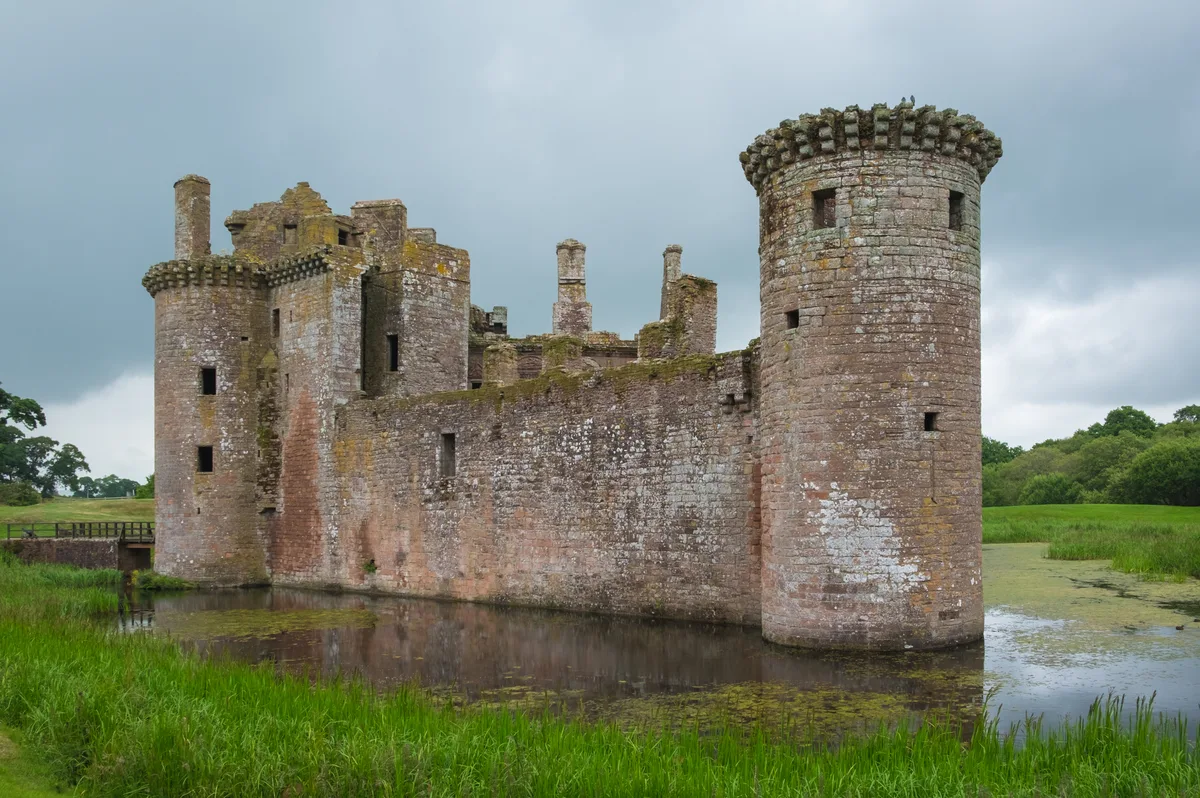
Caerlaverock Castle
Caerlaverock Castle — former castle archaeological site in Dumfries and Galloway, Scotland, UK.
 📷 5
📷 5Castles · North West England
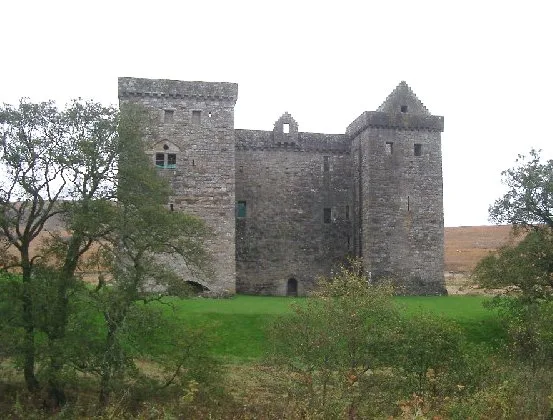
Hermitage Castle
Hermitage Castle — Semi-ruined castle in Scotland.
 📷 5
📷 5Castles · Scottish Highlands
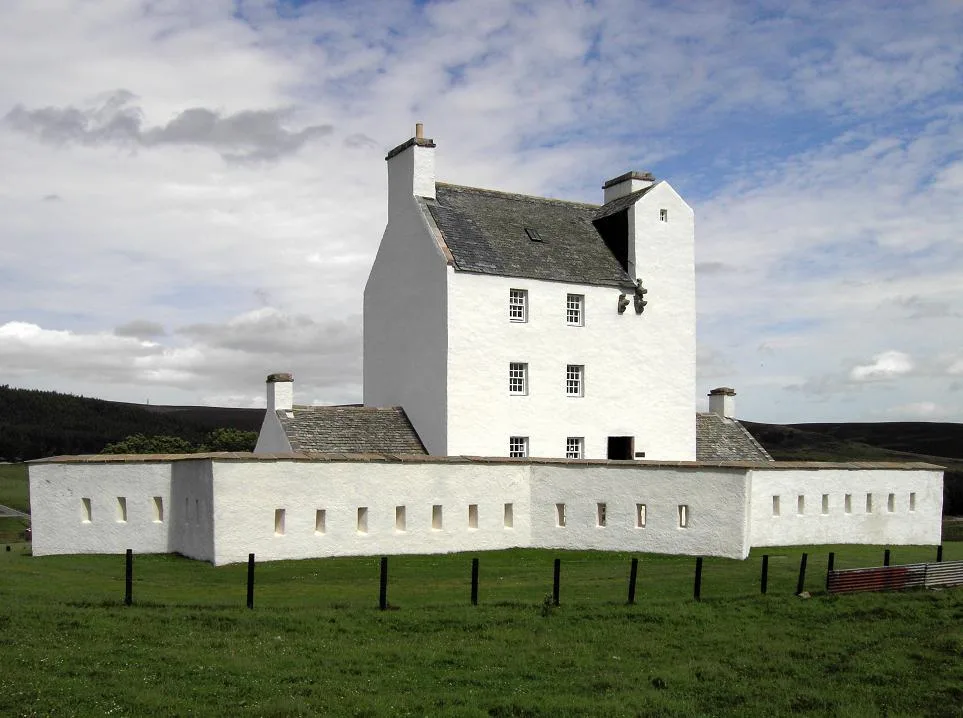
Corgarff Castle
Corgarff Castle — castle and military museum in Aberdeenshire, Scotland, UK.
 📷 3
📷 3Museums · Scottish Highlands
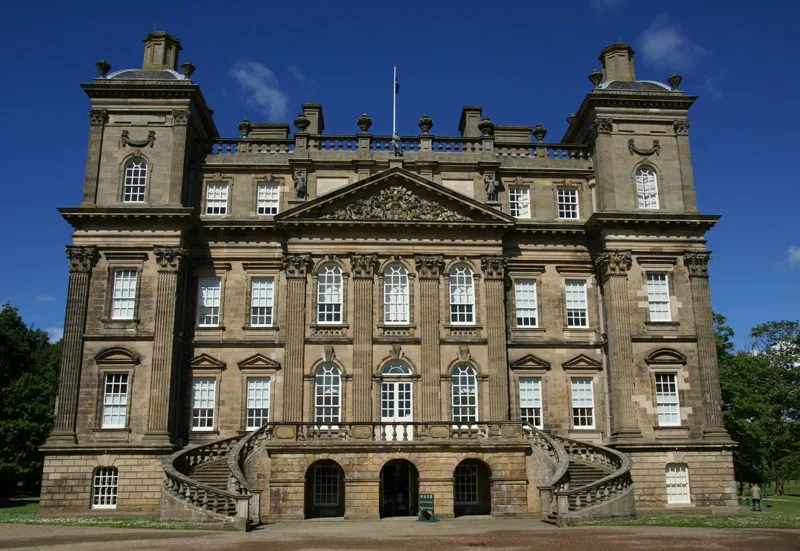
Duff House
Duff House — estate house in Banff, Aberdeenshire, Scotland, UK.
Other abbeys from this era
 📷 5
📷 5 📷 5
📷 5 📷 5
📷 5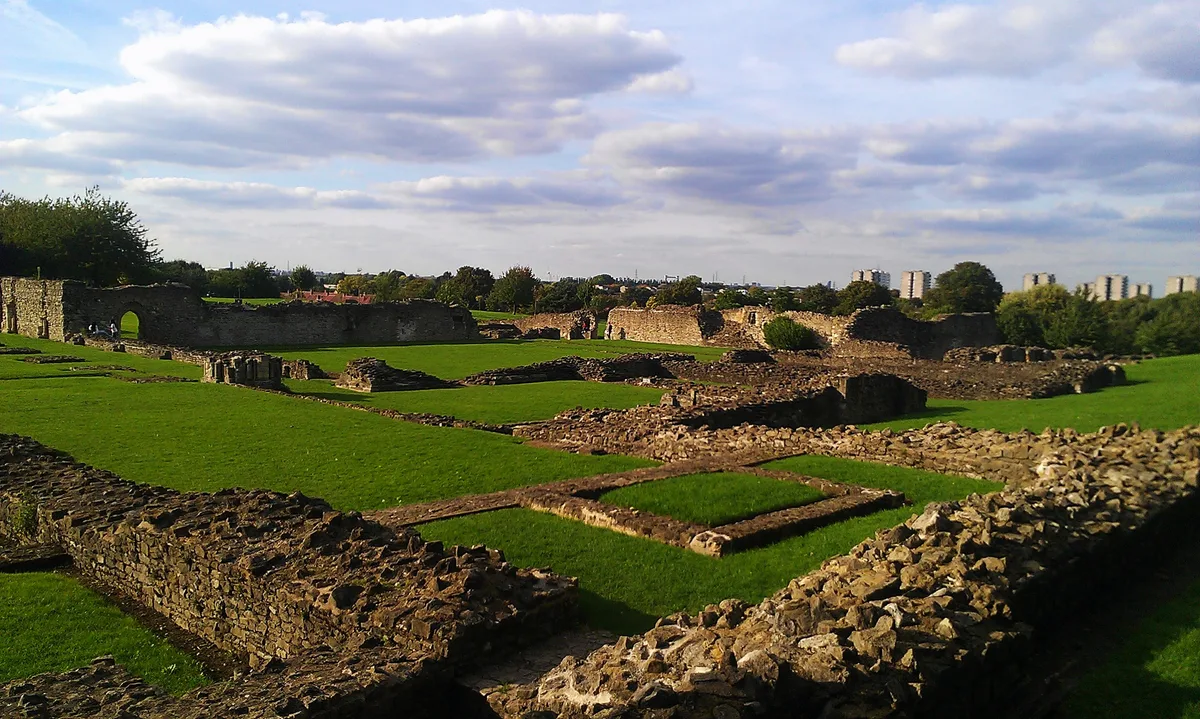 📷 5
📷 5Abbeys & priories · London
Lesnes Abbey
Lesnes Abbey — former abbey, now ruined, in Abbey Wood, London Borough of Bexley, England, UK.
More abbeys in this region
 📷 4
📷 4Abbeys & priories · Scottish Lowlands
Jedburgh Public Hall
Jedburgh Public Hall in England North East, United Kingdom.
 Flagship📷 5
 Flagship📷 5
 📷 5
📷 5Abbeys & priories · Scottish Lowlands
Borders Abbeys Way
Borders Abbeys Way in England North East, United Kingdom.
Frequently asked questions
- Where is Dryburgh Abbey?
- Dryburgh Abbey is in the Scottish Lowlands, United Kingdom (postcode TD6 0BA).
- What is Dryburgh Abbey?
- Dryburgh Abbey — category A listed building in Scottish Borders, Scotland, UK.
- How do I get to Dryburgh Abbey?
- The nearest railway station is Tweedbank, about 7.7 km away. The nearest town is St Boswells. Drivers can use postcode TD6 0BA.
- When was Dryburgh Abbey built?
- Built or established in 1101.
- Who runs Dryburgh Abbey?
- Dryburgh Abbey is operated by Historic Environment Scotland.
- Is Dryburgh Abbey a listed building?
- Dryburgh Abbey is officially recognised as scheduled monument listed.
- How do I get to Dryburgh Abbey?
- The nearest railway station is Tweedbank, about 7.7 km away. Drivers can navigate to postcode TD6 0BA.